REVIEW · VARANASI
Morning Boat Tour in Varanasi
Book on GetYourGuide →Operated by Amarjit Sahani · Bookable on GetYourGuide
Dawn on the Ganges hits different.
This morning Subah-e-Banaras program at Assi-Ghat pairs aarti, havan, classical music, and yoga with a slow 2-hour boat cruise past the river’s most important steps. I like that the day doesn’t just point and shoot; it explains what you’re seeing as you go, guided by Amarjit Sahani.
What I like most is the arti + havan at the start and the fact the cruise passes more than 60 ghats, including the heavy-hitters Tulsi, Harishchandra, Dashashwamedh, and Manikarnika. You also get chai in traditional terracotta cups, which is small, but it makes the morning feel real instead of rushed.
One thing to consider: if water levels are rough, morning timing can shift, and the boat can turn more crowded than you expect. It’s still a strong experience, but I’d treat the exact “sunrise moment” as something to confirm when you book.
In This Review
- Key things you’ll notice on this cruise
- Subah-e-Banaras at Assi Ghat: the ritual that sets the tone
- Pizzeria Vaatika Cafe to the water: starting point sanity
- The 2-hour boat cruise: how you get the panoramic view
- Tulsi-Ghat and Harishchandra-Ghat: quieter landmarks with meaning
- Manikarnika-Ghat: the cremation ghat you can’t treat casually
- Dashashwamedh-Ghat: where ceremony and spectacle meet the river
- Indian chai in terracotta cups: small comfort, big atmosphere
- What the guide adds: explanation beats random sightseeing
- Price check: is $19 good value for this morning format?
- Timing and river conditions: what to plan for before you go
- Who should book this tour
- Should you book this morning boat tour from Assi Ghat?
- FAQ
- Where does the tour start and end?
- How long is the boat part of the tour?
- What’s included in the price?
- What isn’t included?
- Which ghats are highlighted during the cruise?
- What languages are the live guides?
Key things you’ll notice on this cruise
- Subah-e-Banaras at Assi-Ghat: aarti, havan, classical music, and yoga before you head out
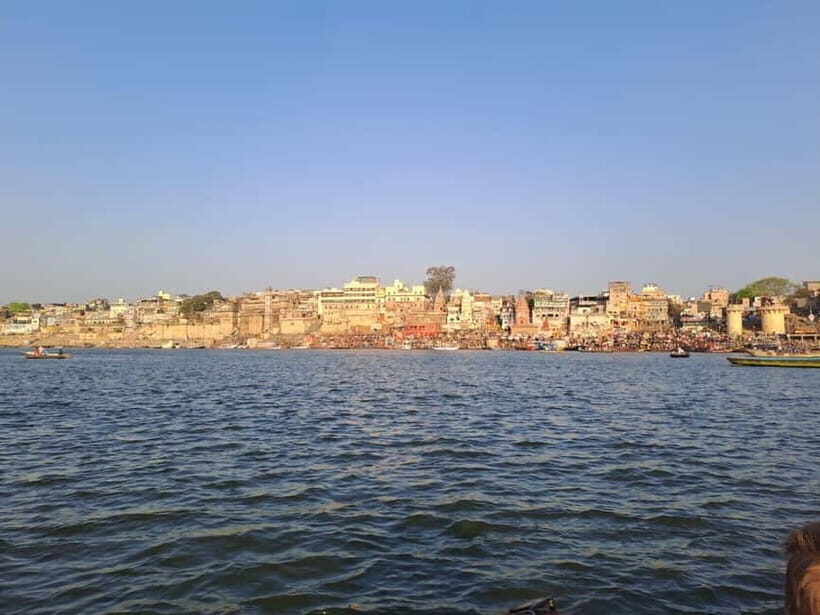
- 60+ ghats from the water: a panoramic way to understand Varanasi’s riverside layout
- Manikarnika-Ghat visit: the most venerated cremation ghat, where the river meets death and ritual
- Dashashwamedh-Ghat stop: one of the city’s most famous ceremonial hubs
- English/Hindi live guide: explanation throughout, including cultural context as you pass landmarks
- Terracotta chai: a simple comfort that anchors the morning
Subah-e-Banaras at Assi Ghat: the ritual that sets the tone
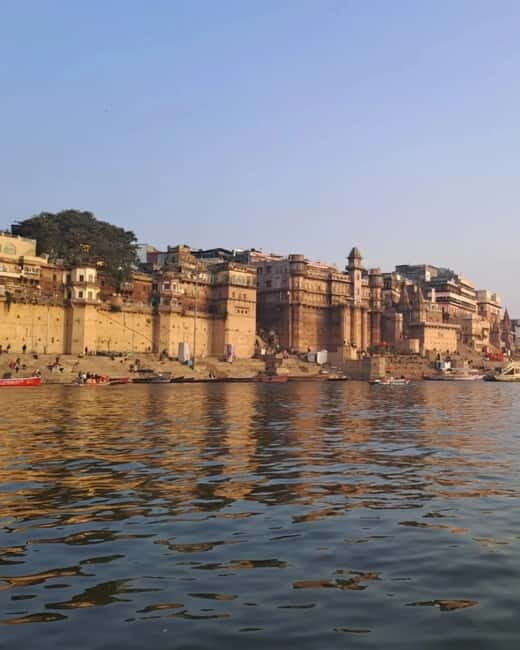
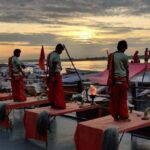
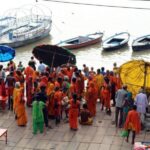
This tour begins on the Assi-Ghat side, with a very special morning program called Subah-e-Banaras. Instead of jumping straight onto a boat, you first watch the arti-ceremony and havan. That order matters. Varanasi’s ghats aren’t scenery; they’re living places of worship, cleaning, gathering, and ceremony. Seeing the ritual onshore first helps you read the river like a map.
You’ll also notice the rhythm: classical music and yoga are part of the morning flow. That means the vibe stays focused on reverence and routine, not just sightseeing. Even if you’ve visited temples elsewhere, this feels specific to the Ganges edge—sound carrying over water, movement around steps, and people following their morning patterns.
Dress matters here. Keep it respectful and comfortable for standing and walking near crowded ghat areas. And remember the tour has clear rules: no smoking, no alcohol, and no nudity. In practice, I’d treat this as a cultural ceremony you’re watching closely, not a photo-op you can “do your own way.”
You can also read our reviews of more boat tours in Varanasi


Pizzeria Vaatika Cafe to the water: starting point sanity
The meeting point is a famous spot at Assi-Ghat: Pizzeria Vaatika Cafe. For a morning tour, having one recognizable place matters, because ghat areas can feel like a maze—especially when people start arriving early.
The good news is that this is designed to be straightforward. You’ll have a live tour guide in English and Hindi, and the experience includes “skip the ticket line,” which helps keep your first minutes from turning into delays. Also, the tour is listed as wheelchair accessible, so if you need that, you can plan around the route with less uncertainty.
When you arrive, take a moment to figure out where you’ll meet your guide before you do anything else. The fastest way to have a calm morning in Varanasi is to keep your brain on logistics for the first ten minutes, then switch fully into the experience.
The 2-hour boat cruise: how you get the panoramic view
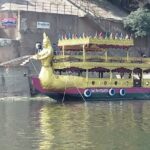
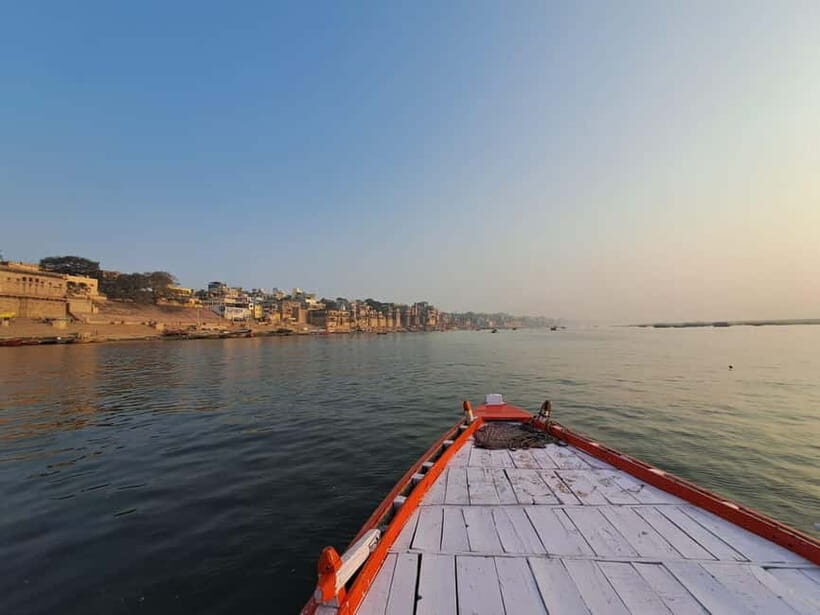
Once you’re on the boat, the pace is built for seeing. The cruise time is listed at 2 hours, and that’s a sweet duration: long enough to pass major points and get the river’s feel, not so long that you get numb from sitting.
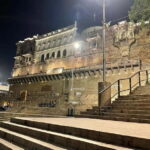
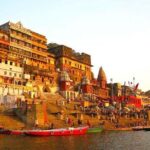
You’ll cover more than 60 ghats. That’s one of the big reasons this tour feels worthwhile: you get breadth. Instead of focusing on one ghat for a long time, you glide past many of them, including Tulsi-Ghat and Harishchandra-Ghat (both named in the tour highlights). From the water, those steps start to make sense as an interconnected system—some are ceremonial, some practical, some sacred in a quieter way.
The panoramic view isn’t just “pretty.” It’s informational. From the river, you can see the shape of the city’s relationship to the Ganges: how the buildings line up, how the ghats create lanes of movement, and how different areas seem to attract different kinds of activity.
And yes, it’s a moving crowd scene at the edges. Boats are boats, and ghat viewing has its own energy. The guide helps you place what you’re seeing, so it doesn’t become a blur of steps and boats.
Tulsi-Ghat and Harishchandra-Ghat: quieter landmarks with meaning
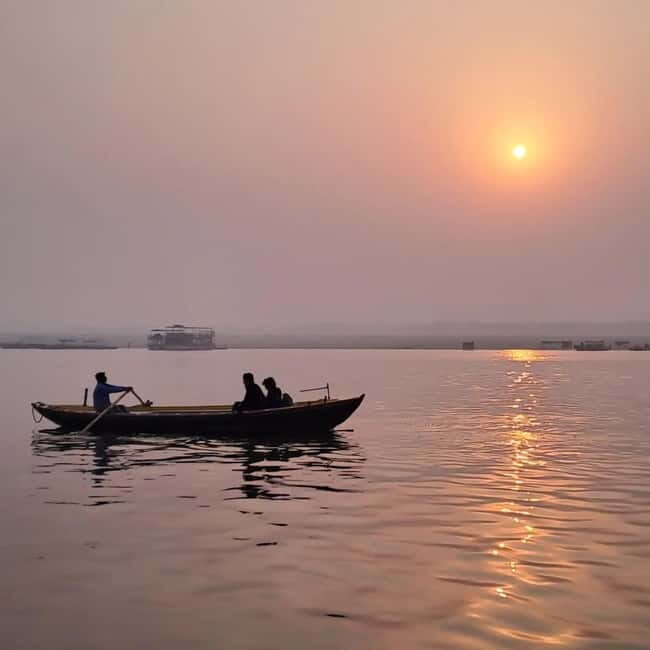
As the boat passes the river steps, Tulsi-Ghat and Harishchandra-Ghat give you a broader sense of Varanasi than the two most famous names people always ask about. Even though the most intense attention goes to Manikarnika and Dashashwamedh, these other ghats matter because they show the range of riverside life.
From a practical point of view, these stops also make the cruise less one-note. You’re not only looking at one kind of ceremony. You get variety in the feel of the banks and the way different groups gather. That’s part of what makes the tour a good “first morning” option: you start building a mental picture quickly.
Manikarnika-Ghat: the cremation ghat you can’t treat casually
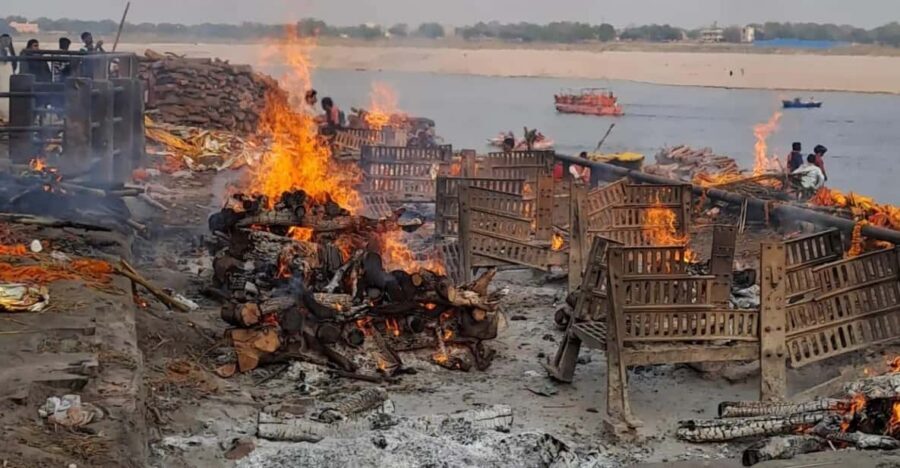
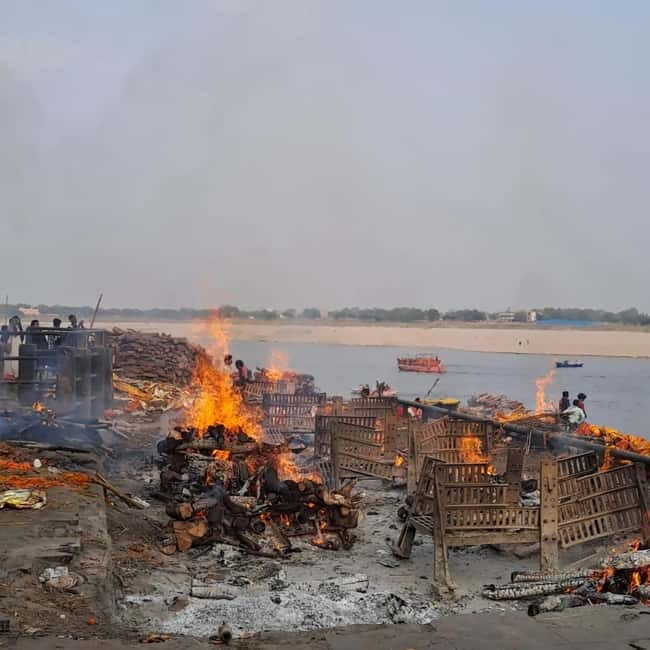
The tour includes a visit of Manikarnika-Ghat, described as the most venerated crematorium for Hindu last rites. This is the kind of place you don’t come to with a joking mood. It’s sacred, intense, and emotionally heavy.
What you can take from the experience is context: the river isn’t separated from life and death in Varanasi. The ghats operate as the city’s living relationship with that cycle. A good guide makes a difference here. You’ll want the explanation to stay respectful and grounded in what the site means.
Practically, expect you’ll be around the edges of activity that can feel difficult to watch. Keep your behavior calm and your distance respectful. This isn’t a “stand and stare.” It’s a place where people come through major life moments, including those tied to the end of life.
If you’re sensitive to intense scenes, I’d think carefully before booking a tour that includes Manikarnika. The value is real, but so is the weight.
You can also read our reviews of more tours and experiences in Varanasi


Dashashwamedh-Ghat: where ceremony and spectacle meet the river
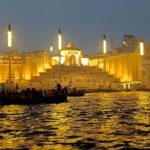
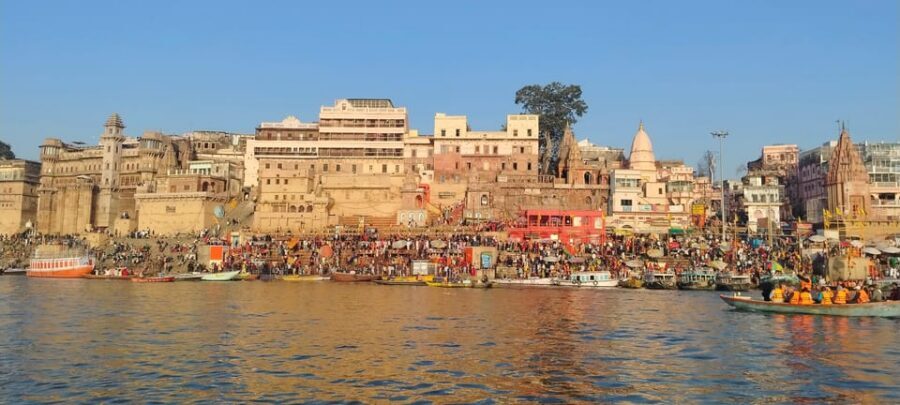
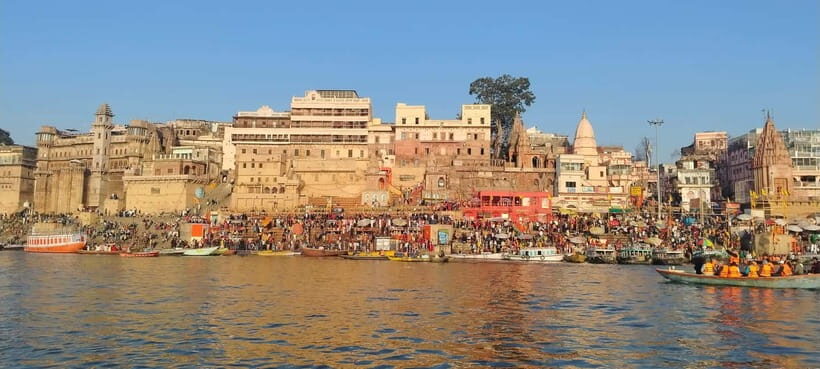
After Manikarnika’s solemnity, Dashashwamedh-Ghat offers a different kind of energy. It’s one of the city’s most famous ceremonial ghats, and being on the water gives you a strong view of how activity gathers around key points.
This stop is a great counterbalance. If Manikarnika teaches you the “ritual at the edge,” Dashashwamedh shows you the “ritual as public life.” The guide’s explanations help connect buildings, steps, and sightlines to why the river keeps drawing people there.
You’ll also benefit from the boat’s perspective here. From the shore, it’s hard to understand scale and layout. From the water, you can see the way crowds form and how the ghat functions as a stage for daily ceremonial moments.
Indian chai in terracotta cups: small comfort, big atmosphere
One of the included extras that I really like in theory is the chai in traditional terracotta cups. It’s not a fancy upgrade, but it does something important on a morning tour: it gives you a moment to slow down and feel the setting.
Chai also works as a “reset button.” When the sights and emotions start stacking up, having a warm drink can keep you steady—especially if you’re traveling in hot or humid weather later in the day.
The tour includes the chai, but it doesn’t include other food or drinks. So plan to avoid expecting breakfast from the tour itself. If you want more, you’ll need to handle it separately.
What the guide adds: explanation beats random sightseeing
This experience is built around a live tour guide (English and Hindi). That matters in Varanasi, because the river is layered. A guide can help you understand why different ghats feel different, what ceremonies mean, and how the city’s riverfront identity works.
Amarjit Sahani is listed as the provider associated with the tour. In practice, what you want from any guide here is clarity without rushing. If you can ask questions, even better. The best outcome is that you leave with more than photos. You leave with a working mental map and a sense of what the morning rituals are doing in daily life.
Price check: is $19 good value for this morning format?
At $19 per person for a morning experience that includes an arti ceremony start, a guided cruise, and chai, the value is pretty strong—especially because you’re getting more than one “type” of experience in one block of time.
Here’s why I think it’s good value:
- You get the Subah-e-Banaras ritual element at the start, not just the boat ride.
- The cruise covers 60+ ghats and includes big-name stops like Manikarnika and Dashashwamedh.
- You’re not paying separately for the guide explanation and boat service (service-fee for the boatman is included).
Is it perfect? No. The morning timing and crowd level can be affected by conditions on the river. That’s not something you can fully control, and it can change the feel of the experience. But when it runs as designed, the “multiple ghats + ritual start + guide” combo is a smart deal for the time you invest.
Timing and river conditions: what to plan for before you go
This is a morning tour, and the river can be unpredictable. One practical consideration is that monsoon conditions or high water can affect timing and how you experience specific moments. If you’re booking with a very specific “must-see at exactly X time” mindset, I’d treat it as a point to confirm with the operator before you lock in your day.
Also, because the boat cruise is only 2 hours, you’ll want to arrive ready to go at the meeting point. The early part of the experience is about watching and absorbing. If you show up late, you risk missing the onshore ritual piece that makes the tour unique.
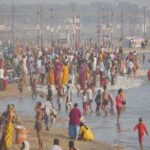
Finally, set expectations for crowding. Even when the guide keeps things organized, the ghat areas draw people. The tour is designed to function inside that reality.
Who should book this tour
This works best for you if you want:
- A first-or-second morning in Varanasi where you want fast orientation
- A combination of ritual + river views, not just sightseeing
- A guided experience where you can ask questions in English or Hindi
- A manageable commitment: 2 hours on the water is easier than longer day cruises
It’s also a good fit if you appreciate the practical side of travel. You get clear inclusion of chai and boat service, and you know what’s not included (any extra food, drinks, or shopping).
If you’re extremely sensitive to intense scenes, think carefully about including Manikarnika-Ghat as a stop. The tour’s value is partly tied to that reality.
Should you book this morning boat tour from Assi Ghat?
I’d book it if you want an efficient, meaningful morning that connects the city’s daily ritual life to what you see on the river. The Subah-e-Banaras start is a big differentiator, and the cruise’s coverage of more than 60 ghats makes it feel like more than a quick scenic float.
I’d be cautious if you’re chasing a very specific sunrise moment or you’re hoping for a small, quiet group experience every time. River conditions can change plans, and ghat viewing can get busy.
If you’re flexible and you value context over just visuals, this is a strong choice. And if you like the idea of sitting with the morning ritual, sipping chai in terracotta cups, then watching the ghats roll by in a guide-led explanation, you’ll likely feel like you used your time well.
FAQ
Where does the tour start and end?
The meeting point is Pizzeria Vaatika Cafe at Assi-Ghat, and the tour returns there after the boat cruise.
How long is the boat part of the tour?
The experience lists a 2-hour duration for the boat cruise.
What’s included in the price?
Included items are the service fee of the boatman, arti-ceremony, boating, and Indian chai (tea) served in traditional terracotta cups.
What isn’t included?
The tour does not include any other food, drink, or shopping.
Which ghats are highlighted during the cruise?
The highlights include Assi-Ghat, Manikarnika-Ghat, and Dashashwamedh-Ghat, with the route also covering famous ghats such as Tulsi-Ghat and Harishchandra-Ghat.
What languages are the live guides?
The live tour guide provides support in English and Hindi.