REVIEW · VARANASI
From Varansi: Day Tour to Sarnath with Boating and Ganga Aarti
Book on Viator →Operated by Go City Adventures · Bookable on Viator
Two religions, one river, one evening. This 5–6 hour guided tour strings together Sarnath (where Buddha gave his first sermon) with a Ganges boat ride and the fire-lit Ganga Aarti. I love the small group limit of 12 and the practical hotel pickup plus air-conditioned car that reduces hassle in Varanasi; one drawback is that the Sarnath entry ticket (300 INR) is not included.
I also like that the schedule gives you a mix of sacred calm and city energy, starting at 1:00 pm and working toward evening at the ghats. The tour runs outdoors, and it asks for a moderate fitness level since you’ll be walking at historical sites and along river areas, often on uneven steps.
In This Review
- Key highlights worth planning around
- Why this Varanasi and Sarnath combo works
- Sarnath: Buddha’s first sermon, explained at human speed
- The “heritage walk” mood shift inside Varanasi
- Ganga Ghat: where the city breathes
- Ganges boat ride: your floating pause (about one hour)
- Evening Ganga Aarti: fire, oil, and full-throttle atmosphere
- Transportation, guide, and group size: the part that quietly affects everything
- Price and value: what $78 covers, and what you should budget
- Practical tips so the day stays enjoyable
- Who should book this tour (and who might not love it)
- FAQ
- FAQ
- What’s the duration of the tour?
- What time does the tour start?
- Is the Sarnath entry ticket included?
- What’s included in the boat ride?
- Is hotel pickup and drop included?
- Is food included?
- Should you book this tour?
Key highlights worth planning around
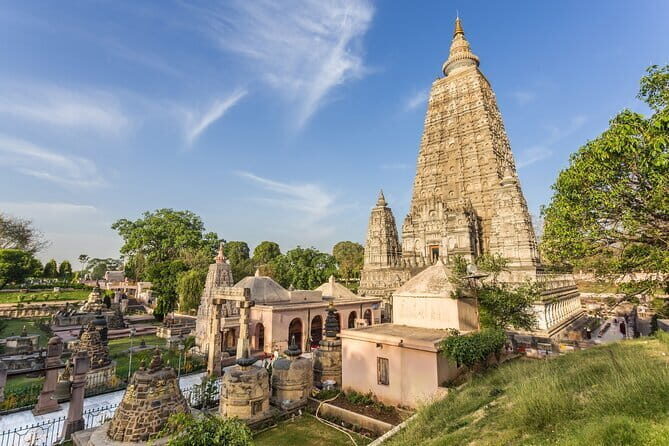
- Sarnath in focused, guided time (about 2 hours) at one of the key Buddhist circuit sites
- A 1-hour Ganges boat ride included, timed to cool down your afternoon
- Evening Ganga Aarti included (about 1 hour), with priests using fire/oil as an offering
- Hotel pickup and drop with an air-conditioned vehicle, plus an English-speaking live guide
- Small-group feel (maximum 12) so the guide can actually keep an eye on everyone
- Sarnath entry ticket is separate (300 INR), so have a little cash ready
Why this Varanasi and Sarnath combo works
Varanasi can feel like a lot, fast. Between the crowds, the boats, the steps to the ghats, and the constant action around the river, it’s easy to spend your energy just figuring things out.
This tour’s best trick is the pacing: it starts later in the day, lets you begin with Sarnath’s quieter sacred context, then transitions to the Ganges and ends with Ganga Aarti at night. That flow matters. You get meaning first, then spectacle.
You also get a real guide for interpretation. One of the name that comes up in feedback is Anup Kumar, and the reason that matters is simple: at Sarnath, it helps to know what you’re looking at and why certain spots matter. Without that, you can wander around and still miss the story.
You can also read our reviews of more tours and experiences in Varanasi.



Sarnath: Buddha’s first sermon, explained at human speed
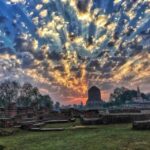
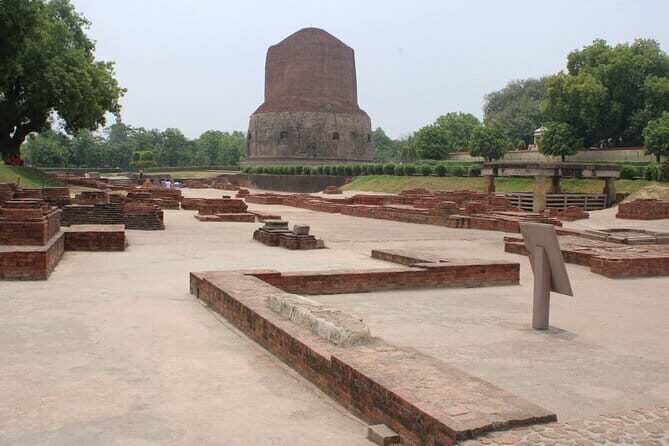
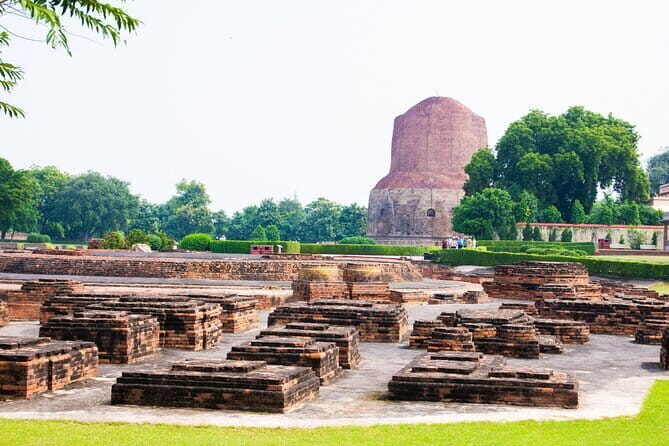
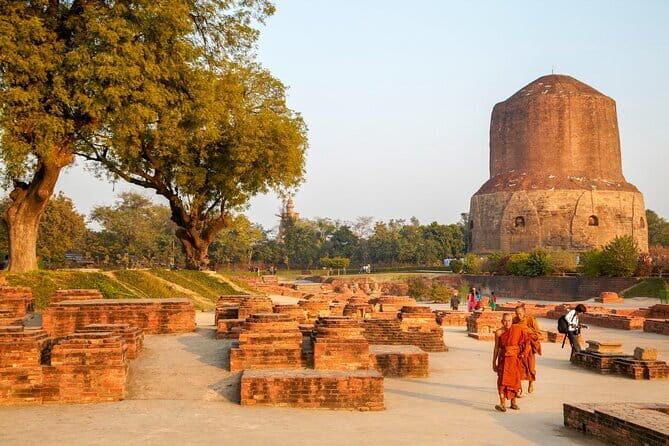
Your tour begins with time in Sarnath, one of the four key sites linked to the Buddha’s life and teaching. The goal here is not just to “see ruins.” It’s to understand why this place is central to the Buddhist circuit.
In the time you’re given (about 2 hours), you’ll be walking and looking around the main archaeological area. A good detail from the experience is how accessible the surroundings can be—especially around the Dhamek Stupa area, where people reported being able to walk around and take in the space comfortably.
What to do with this time:
- Pay attention to the stupa zone and the surrounding layout, because it helps your brain connect the geography to the teaching.
- Ask your guide to point out what makes Sarnath different from other Buddhist sites you may have seen.
One practical note: the 300 INR entry ticket at Sarnath isn’t included. If you forget, you’ll lose time. If you arrive prepared, you’ll lose less.
The “heritage walk” mood shift inside Varanasi
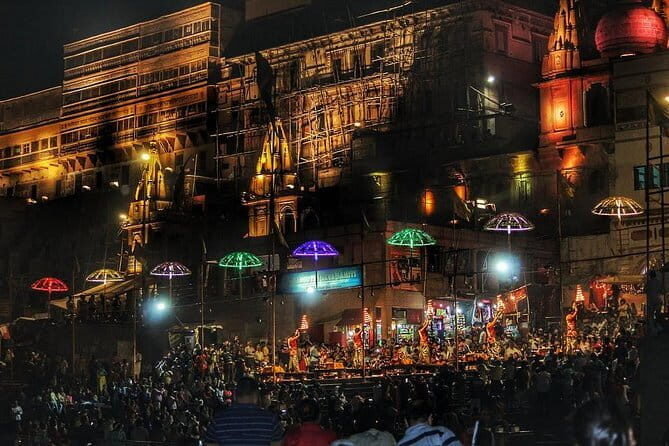
After Sarnath, you head back toward Varanasi and the river. The experience includes time exploring Varanasi’s older parts on a heritage walk, which is a smart contrast to the more open, formal feel of Sarnath.
This isn’t a museum tour. It’s more about getting your bearings: how the city’s old fabric connects to daily life, and how the ghats fit into the rhythm of the city.
Why I like this part of the plan for most people: it helps you stop thinking of Varanasi as only a night show. You start to understand why the river is not just scenery here—it’s the axis of everyday routines and spiritual life.
Ganga Ghat: where the city breathes

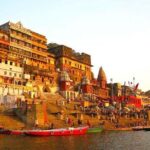
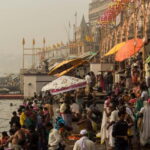
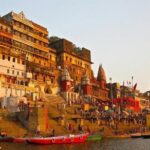
At the Ganga Ghat segment, the pace shifts again. You get a chance to experience the riverfront atmosphere before the boat ride. The breeze off the water can feel like a reset button after inland walking, and it also helps you judge where to stand and how to move around later for the Aarti.
This is a good time to mentally prep for the evening ritual. Once you’ve seen the ghats in daylight (or at least earlier), the night scene makes more sense.
Small practical tips that help here:
- Wear shoes with grip. River steps can be uneven.
- If you’re planning photos, remember that ghats can be crowded. You might need a few attempts to frame without blocking anyone.
Ganges boat ride: your floating pause (about one hour)
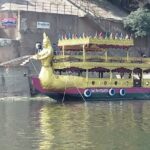
The tour includes an approximately 1-hour boat ride over the Ganges. This is one of the most valuable parts of the day because it changes your perspective without draining you physically.
From the water, you tend to notice details you miss from the steps: the way people move along the river edges, the scale of the ghats, and the sense of the city as a continuous shoreline rather than isolated landmarks.
It also helps timing. You’re not stuck only on foot. You get a break from heat and crowds, plus the breeze usually feels better than staying on the ghat for long stretches.
What to watch for on the ride:
- Think of it as a moving “orientation session.” Later, when you’re at the ghats for Aarti, you’ll understand the layout faster.
- Keep your phone and camera secured. Boat motion is real, even if the ride is smooth.



Evening Ganga Aarti: fire, oil, and full-throttle atmosphere
The highlight for many people is the Ganga Aarti, included as part of the tour (about 1 hour). This is the moment when Varanasi becomes unforgettable in the literal sense: priests perform a ritual using fire as an offering in oil, and the entire scene pulls you into a kind of collective focus.
The best way to approach Aarti is with two expectations in mind:
- It’s spiritual theater, not a staged show for tourists.
- Your experience depends on where you stand.
Your guide’s job here is to help you land in an appropriate viewing position at one of the ghats used for the ritual. Once you’re settled, give yourself permission to just watch. The rhythm comes from the repetition and the fire, not from explanations.
Etiquette matters, and it pays off:
- Be mindful with movement. If people are trying to see, you want to avoid turning your trip into someone else’s problem.
- Keep voices low. The Aarti works best when the group energy stays calm and respectful.
Even if you’re not religious, this ritual can still hit you. It’s one of those experiences where the cultural logic is visible even if you don’t know every detail.
Transportation, guide, and group size: the part that quietly affects everything
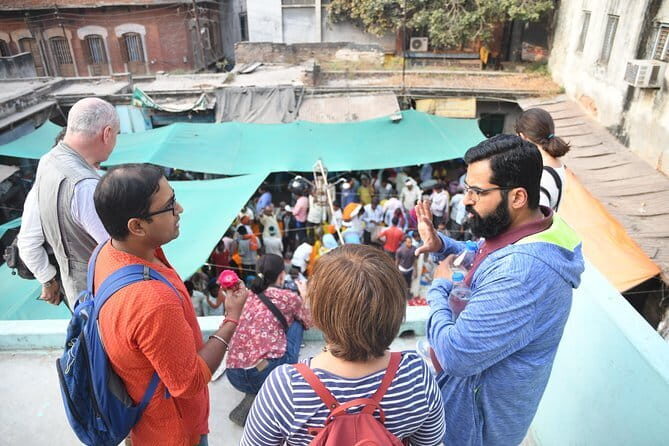
This is a guided tour with hotel pickup and drop, plus a chauffeur-driven air-conditioned vehicle. That’s not fluff. In Varanasi, traffic and walking distances can steal time. Having the car means you spend more of your energy where the experience actually happens: Sarnath, the river, and the Aarti.
You also get an English-speaking live guide. A strong guide makes a difference at sites like Sarnath, where the “what” is simple but the “why” needs translation. One feedback detail that stands out: guide support was praised for being both informative and helpful, including around the Dhamek Stupa area.
Group size is kept to a maximum of 12. That matters because it makes logistics easier and makes it more likely you’ll stay together without the guide shouting over chaos.
Price and value: what $78 covers, and what you should budget

At $78.00 per person, this tour sits in the mid-range for a day experience with pickup, a guided component, and an included boat ride plus Aarti.
Here’s what your money covers:
- Sarnath sightseeing (about 2 hours, with a guide)
- A Ganges boat ride (about 1 hour)
- Evening Aarti (about 1 hour)
- Hotel pickup and drop
- Air-conditioned vehicle
- English-speaking live guide
- Mobile ticket
Here’s what’s extra:
- Sarnath entry ticket: 300 INR (not included)
- Food and drinks, unless specifically mentioned (none are included beyond what the tour says)
- Gratuities, which are generally a personal choice
To judge value, I’d compare this to doing each component separately. If you were to arrange Sarnath + guide + boat + Aarti access on your own, you’d likely spend time coordinating and end up paying similarly anyway, without the smooth handoffs.
The biggest “value lever” here is that the tour stitches the day together: you don’t just get a boat or a ruin stop; you get a sequence that builds toward the night ritual.
Practical tips so the day stays enjoyable
The tour runs about 5 to 6 hours, starting at 1:00 pm. That start time is useful: you’re not rushing from the morning, and you’re positioned to hit Aarti in the evening without a late-night scramble.
I’d plan your day like this:
- Eat something before pickup if your appetite needs a cushion. The tour does not include meals.
- Keep water on hand for the walking and steps, especially during hotter hours.
- Dress for comfort and movement. You’ll cover walking time at Sarnath and at the ghats.
- Expect that weather matters. Since the experience depends on river and evening outdoor ritual conditions, you might want a flexible mindset.
Photography note: Aarti fire scenes can look amazing, but crowd conditions and lighting can be tricky. Use the guide’s guidance for where to stand, and avoid making a spectacle out of filming.
Who should book this tour (and who might not love it)
This experience is a good fit if you:
- Want a guided way to connect Sarnath’s Buddhist significance with Varanasi’s Ganga Aarti
- Like structured sightseeing but still want time to absorb atmosphere
- Prefer a small group size (max 12) and a car with pickup/drop
It might not be the best fit if you:
- Want a long, slow, unstructured day (this is a timed itinerary)
- Have limited mobility or struggle with steps and walking at sacred sites (the tour asks for moderate fitness)
FAQ
FAQ
What’s the duration of the tour?
The tour lasts about 5 to 6 hours.
What time does the tour start?
It starts at 1:00 pm.
Is the Sarnath entry ticket included?
No. You’ll pay an entry ticket of 300 INR at Sarnath.
What’s included in the boat ride?
You get a boat ride of approximately one hour over the Ganges.
Is hotel pickup and drop included?
Yes. The tour includes hotel pickup and drop, plus a chauffeur-driven air-conditioned vehicle.
Is food included?
Food and drinks are not included, apart from anything specifically mentioned in the tour (no meals are listed as included here).
Should you book this tour?
If you want a Varanasi day that gives you both meaning and atmosphere, I think this is a strong choice. The included boat ride and evening Ganga Aarti are the core emotional hits, while Sarnath gives the spiritual context that makes the night feel more than just impressive visuals.
Just go in knowing two realities: you’ll pay the 300 INR Sarnath entry ticket, and you’ll do some walking on uneven ground. If you’re okay with that, this is the kind of plan that saves you time and helps you experience the river city in a way that actually connects the dots.