Varanasi can feel like a living puzzle. This private 3-hour walking tour strings together the places that explain Kashi’s spirituality, from the Ganga riverfront to tucked-away temples and the lane-world behind the main streets. I especially like the way you get context at Dashashwamedh Ghat and then see the full intensity of Manikarnika Ghat with a guide who keeps it understandable rather than overwhelming.
Two details make the walk feel worth it: first, you’re not just “looking,” you’re moving through religious sites with clear stories that connect one stop to the next. Second, the route includes the Manikarnikeshwar Mahadev Temple shrine, a rarely visited underground stop that most first-timers never plan for. The only real consideration is that Manikarnika is intense to witness, and you’ll be on your feet for the full route, so plan for heat and crowded lanes.
In This Review
- Key highlights you’ll feel right away
- A 3-hour walking tour that makes Kashi make sense
- Shree Ganesha Palace: the warm-up that sets the rules
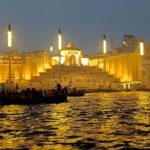
- Dashashwamedh Ghat: where stories meet the river
- Vishalakshi Temple near Mir Ghat: Shakti energy, explained
- Kathwala (Nepali Temple): pagoda style and those carvings
- Manikarnika Ghat: where life meets liberation
- Kashi Khand below the ghat: Manikarnikeshwar Mahadev Temple
- The hidden alleys of Old Kashi: the city behind the city
- Price and value: what $28.37 buys in real terms
- Timing, comfort, and who this suits best
- Should you book this Varanasi secret-alleys walking tour?
- FAQ
- How long is the Hidden Corners of Varanasi tour?
- What does the tour include?
- Is food included?
- Is this tour private?
- Where does the tour start?
- What if the weather is bad?
Key highlights you’ll feel right away
- Ghat-to-temple flow with a tight 3-hour route that doesn’t waste time
- Manikarnika Ghat plus the underground Manikarnikeshwar shrine for a rare perspective
- Shakti Peetha at Vishalakshi Temple tied to the Sati story, explained on site
- Kathwala (Nepali) Temple with classic pagoda style and unusual carvings
- Short tea break and bottled water, so you can stay steady during the walk
- A guide who knows the routes, useful for navigating old lanes with less hassle
A 3-hour walking tour that makes Kashi make sense
This is a private guided walk, so you’re not stuck in a big group moving like a school of fish. The tour is built around walking, short stops, and storytelling. You start early at the neighborhood near Shree Ganesha Palace and spend about three hours moving between the spiritual “anchors” of Varanasi.
The big value here is the order of sights. Instead of random temples and random ghats, you get a path that moves from entry points and legends (like Dashashwamedh) to deeper symbolism (like Vishalakshi) and then to the cremation ghats, where religion is not theory—it’s action. If you like understanding what you’re seeing, this format hits the sweet spot.
You can also read our reviews of more tours and experiences in Varanasi.



Shree Ganesha Palace: the warm-up that sets the rules
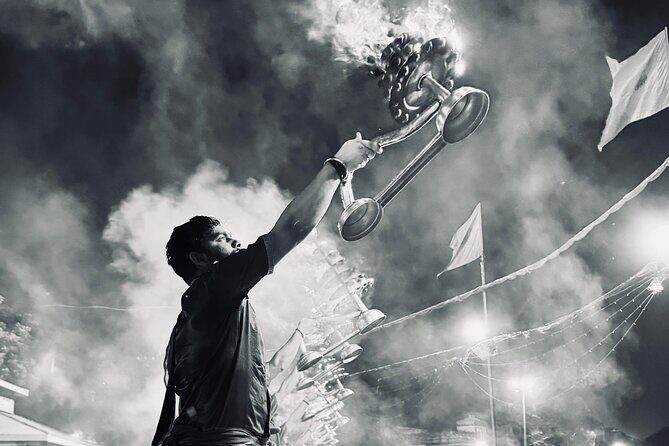
You begin at Shree Ganesha Palace (about 10 minutes). It’s the kind of starting point that matters because it gives you the spiritual “lens” for what follows. Ganesha is tied to beginnings and removing obstacles, and having that frame early makes the rest of the walk feel less confusing.
You’ll also get a quick introduction to the spiritual narrative of Varanasi and then transition into old Kashi on foot. Practical tip: wear shoes you’re happy to walk in for a full stretch. The route is mostly about getting close, not seeing things from a distance.
Dashashwamedh Ghat: where stories meet the river
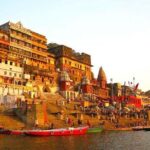
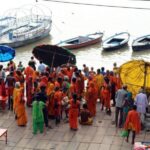
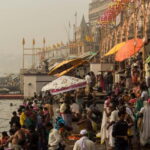
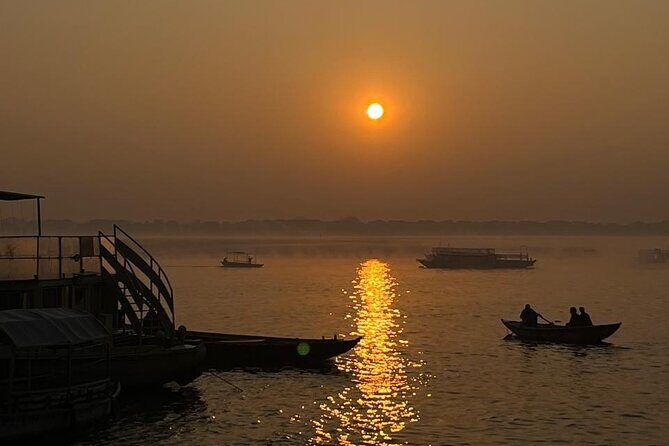
Next is Dashashwamedh Ghat, one of Varanasi’s best-known riverfronts and one of the most ancient. Your stop is short (around 15 minutes), but the payoff is the legends you’re given. The tour explains the story behind ten sacrificial horses associated with the site, and how these myths shaped the ghat’s spiritual role over time.
One thing I like about this stop is that it’s a strong orientation moment. You see the riverfront as the stage for major rituals, then later you’ll understand why Manikarnika feels so different. In other words: this is your mental map.
Vishalakshi Temple near Mir Ghat: Shakti energy, explained
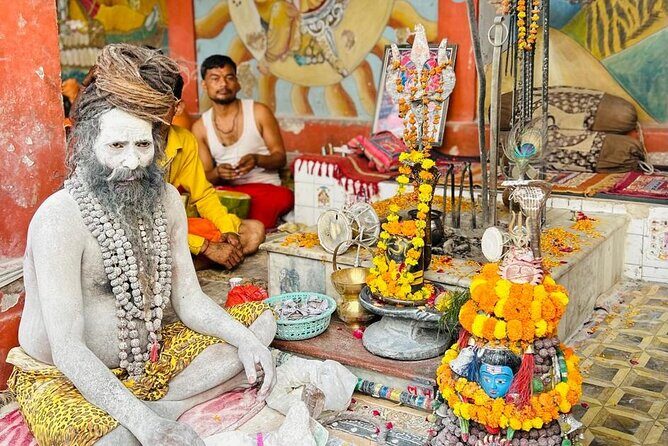
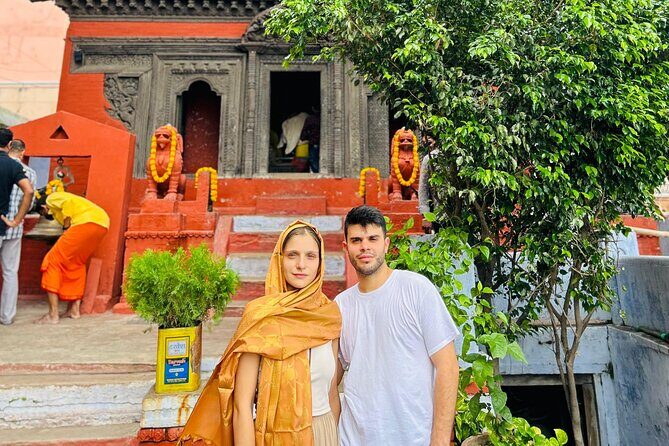
From the ghat area, you head to Vishalakshi Temple (about 15 minutes). The tour focuses on the goddess Vishalakshi and the temple’s connection to a Shakti Peetha tradition—specifically, the belief that Goddess Sati’s earrings fell here.
This temple is less about huge spectacle and more about power and symbolism. The colors, the focused space, and the guide’s explanation help you read the place beyond the surface. If you’re the type who likes to know what a symbol means before you take photos, this stop will land well.
Kathwala (Nepali Temple): pagoda style and those carvings
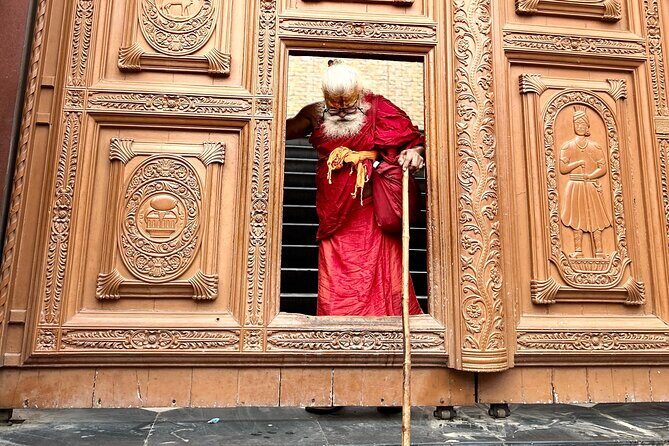
Then comes one of the most distinctive cultural surprises: the Nepali Temple (Kathwala Temple). It’s about 15 minutes and stands out because it’s built in classic Nepali pagoda architecture, with intricate woodwork and erotic carvings—often compared to the “Mini Khajuraho” idea.
This is a good stop if you’re tired of seeing only the same handful of temple styles. It also adds variety to the walk: you’re not always at the water’s edge, and you’re not always focused on the same tradition. You’re seeing how cultures and artistic styles travel and take root in places like Varanasi.


Manikarnika Ghat: where life meets liberation
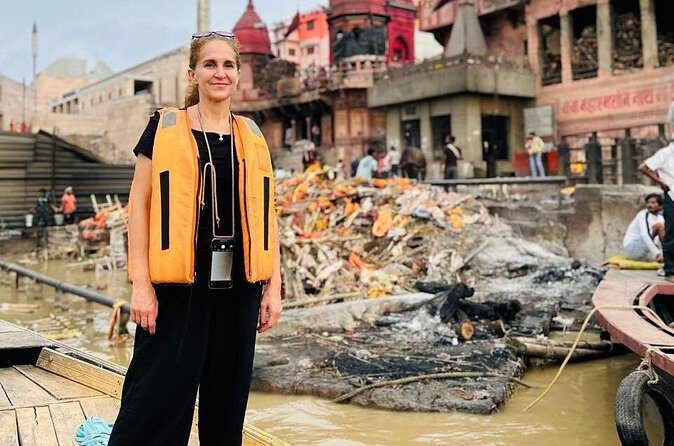
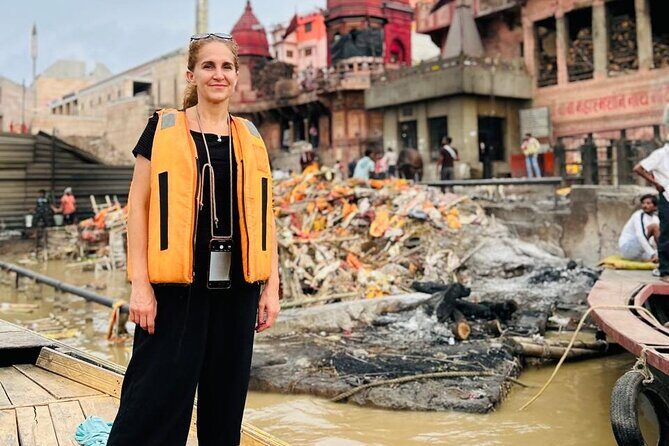
Your most emotionally intense stop is Manikarnika Ghat (about 30 minutes). This cremation ghat is considered one of the oldest and holiest in the city. The tour explains the deep religious beliefs behind cremation and what it means for the people who come there.
You may see cremation rites as part of the process. That’s why I call this the only major “consideration” on the whole itinerary. If you know you’re sensitive to this subject, go in with that awareness and keep your mind steady. A guide helps here, because they don’t treat it like a show—they explain what people believe they’re doing and why the ghat is sacred.
Practical note: this stop can feel crowded and busy around it, and it’s hard to control where you stand. You’ll do better if you accept that you’re observing a real religious place, not staging a sightseeing moment.
Kashi Khand below the ghat: Manikarnikeshwar Mahadev Temple
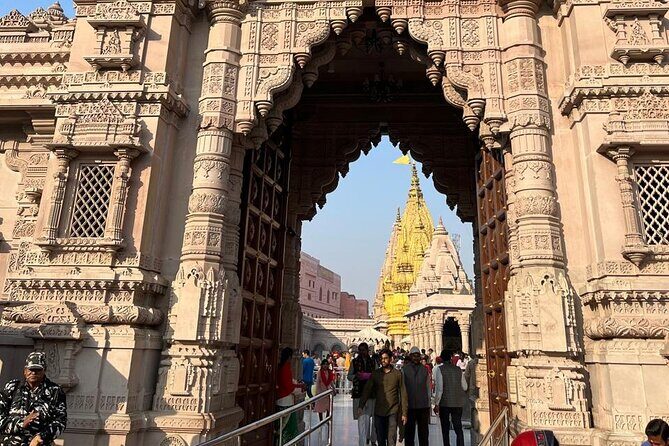
After Manikarnika, you go to Manikarnikeshwar Mahadev Temple in the Kashi Khand area (about 15 minutes). This shrine sits under the ghat and is described as ancient and rarely visited.
The tour links the stop to local belief from the Kashi Khand text. The guide explains that bathing near this area is associated with spiritual benefit, though the exact promise is something you should listen for during your walk since it’s given in context on site.
What I love about this stop is the contrast. You just saw cremation rites above; now you’re guided toward an underground shrine. It’s the same spiritual ecosystem, but expressed in a different form. It gives the tour that “only in Varanasi” feel.
The hidden alleys of Old Kashi: the city behind the city
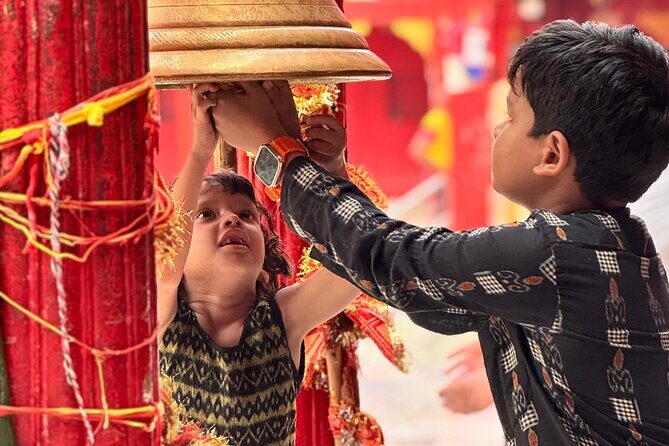
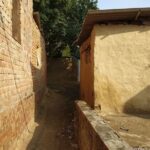
Finally, you enter the winding alleys of old Kashi for about 30+ minutes. This is where the tour turns from “major sights” into the everyday spiritual city. You’ll pass ancient homes, hidden shrines, local artisans, and day-to-day scenes that most people never reach.
This part is valuable for two reasons. One, it shows Varanasi is not just ghats and temples; it’s lived-in. Two, it helps you understand why the spiritual sites don’t feel isolated. They’re connected to neighborhoods, routines, and small local practices.
If you want a souvenir that isn’t a postcard, this alley section is where you get it: textures, tiny rituals, and the feeling that the city has its own rhythm.
Price and value: what $28.37 buys in real terms
At $28.37 per person for around 3 hours, the cost can look surprisingly low for a private walking tour. Here’s the honest value math.
You get:
- A structured route that includes multiple paid-entry stops (not just free photo stops)
- Bottled water and coffee and/or tea
- A guide who helps you find and reach places that would be hard to locate on your own
- A format designed to reduce common headaches like getting lost in lanes or ending up at the wrong entrance
Not included:
- Food and drink (beyond what’s explicitly provided)
- Transportation
So if you’re choosing between this tour and self-guided sightseeing, think about your time and your energy. In old Varanasi, saving time often matters more than saving money. You’re paying for direction, context, and access.
Timing, comfort, and who this suits best
The activity runs daily from 6:00 AM to 8:00 PM, with confirmation at booking. Most people can join since it’s a walking route with short stops rather than long trekking.
Who it suits best:
- First-timers who want the major spiritual anchors without guessing
- People who like explanations, not just sightseeing
- Travelers who prefer a smaller, private pace
- Anyone interested in Varanasi beyond the obvious riverfront angles
Who should think twice:
- If the idea of watching cremation rites at Manikarnika feels too uncomfortable, this tour may be more than you want to process
- If you can’t do uneven or crowded walking for a few hours, plan carefully
Also, good weather is required. If conditions change, the operator may adjust the plan or offer a different date, so it’s smart to keep your schedule flexible.
Should you book this Varanasi secret-alleys walking tour?
I think you should book it if your goal is to understand Varanasi, not just collect photos. The mix of Dashashwamedh Ghat, Vishalakshi Temple, Kathwala (Nepali) Temple, Manikarnika, and the underground Manikarnikeshwar shrine creates a route you can’t easily build by guesswork.
Skip it only if you know Manikarnika’s cremation setting would overwhelm you, or if walking through old lanes is a problem for you. If neither is true, this is one of the more focused ways to experience Kashi in a single afternoon or morning—tight, well-paced, and heavy on meaning.
FAQ
How long is the Hidden Corners of Varanasi tour?
It lasts about 3 hours (approx.).
What does the tour include?
It includes bottled water and coffee and/or tea. You’ll also have admission tickets for certain stops as part of the visit.
Is food included?
Food and drink are listed as not included. You may stop for tea during the tour, but meals/snacks are not guaranteed to be included.
Is this tour private?
Yes, it’s a private tour/activity, meaning only your group participates.
Where does the tour start?
It starts at Shree Ganesha Palace, D 47/203 A RAMAPURA GIRJAGHAR, Godowlia Rd, Girja Ghar, Chaurha, Varanasi, Uttar Pradesh 221001, India. The tour ends back at the meeting point.
What if the weather is bad?
The experience requires good weather. If it’s canceled due to poor weather, you’ll be offered a different date or a full refund.