REVIEW · VARANASI
Buddhist Tour 7 Day
Book on Viator →Operated by Varanasi Excursion · Bookable on Viator
Buddhist sites, with a lot of road time. What makes this tour interesting is the way it strings together major pilgrimage stops—so you can see how the Buddha’s story is remembered across places, not just in one highlight city. I especially like the English-speaking private guide, because you get context while you’re standing in front of the sights. I also like the mix of big names and quieter sacred locations, with hotel stays and breakfast handled for you.
The main drawback is that this is a travel-by-car week. Expect daily drives that can run roughly 4–8 hours, which can feel like too much if you want lots of downtime between temples. If you’re prone to road fatigue, plan your expectations now.
If you can handle that, you’ll get a clear, organized route through some of the most important Buddhist-religion landmarks in the region—plus a finale in Lucknow that adds a different kind of holy-and-historic atmosphere before you fly onward.
In This Review
- Key Things to Know Before You Go
- What You’re Really Paying For in This $700 Tour
- The Road-Test Reality: Car Time Will Shape Your Experience
- Varanasi Arrival and Sarnath: First Taste of the Buddha’s Story
- Road to Bodhgaya: The 6–7 Hour Drive That Frames the Main Day
- Rajgir and Nalanda on the Way to Patna: Sanctity Plus Learning
- Vaishali to Kushinagar: A Long Day With Big Pilgrimage Weight
- Lumbini and the Mayadevi Temple: Slowing Down for the Birth Story
- Kapilavastu and Sravasti: Childhood Roots to the Sermon Years
- Lucknow Finale: Imambara and Rumi Darwaza Before Your Flight
- Who This Tour Fits Best (and Who Should Think Twice)
- Should You Book This Buddhist Tour?
- FAQ
- FAQ
- How many days is the Buddhist Tour 7 Day?
- What cities and main sites does the tour cover?
- Is pickup offered?
- What transportation is included?
- Who will guide the tour?
- Where are you staying, and is breakfast included?
- What meals are not included?
- Is this tour private or shared?
- What does the tour price include for $700 per person?
- Can I cancel for a full refund?
Key Things to Know Before You Go
- Private, English-speaking guide keeps explanations practical as you move temple to temple.
- AC private vehicle means fewer logistics headaches than DIY planning.
- Sarnath + Bodhgaya are the two anchor days for many Buddhist travelers, and this route hits them early.
- Long drive days are built in, with distances like 247 km to Bodhgaya and 256 km toward Kushinagar.
- 3-star hotels with breakfast remove the everyday decision-making so you can focus on the sites.
- Tuk-tuk ride included, which is a nice change of pace from sitting in the car.
What You’re Really Paying For in This $700 Tour
At $700 per person for about 7 days, you’re not just buying temple tickets. You’re buying structure: transport by private air-conditioned vehicle, a private English-speaking guide for 7 days, and six nights in 3-star hotels with breakfast.
That matters because this route covers ground fast. You’ll spend time on the road connecting Varanasi and a chain of Buddhist sites that includes Bodhgaya, Rajgir, Nalanda, Vaishali, Kushinagar, Lumbini, Kapilavastu, Sravasti, and then Lucknow. When a tour handles drivers, transfers, and timing, you lose fewer hours to bargaining, navigation, and last-minute planning.
Also, meals are partially on you. Lunch and dinner aren’t included, so your day-to-day cost will depend on how you eat. If you’re the kind of traveler who likes one local meal at each stop, great. If you prefer full-board simplicity, you’ll need to budget for extra planning and extra spend.
You can also read our reviews of more tours and experiences in Varanasi
The Road-Test Reality: Car Time Will Shape Your Experience
This is not a short hop between nearby monuments. Each major day is built around a drive. A few examples from the route:
- Varanasi to Bodhgaya: about 247 km (6–7 hours)
- Bodhgaya to Patna: about 182 km (6 hours), with stops along the way
- Patna-area to Kushinagar: about 256 km (7 hours), including Vaishali
- Lumbini to Sravasti: about 225 km (5.5 hours), with Kapilavastu on the route
- Shravasti to Lucknow: a transfer day that focuses on sights in and around Lucknow
If you hate being in a vehicle for hours, this is your “heads up” moment. The one criticism you’ll want to take seriously is the sense that the tour description doesn’t fully communicate how much daily driving you’ll do. Even if you expect travel time, the difference between 2 hours and 6 hours is huge after a few days.
My advice: pack your comfort for long drives like it’s part of the sightseeing. Bring water, wear shoes that still feel good after sitting all day, and keep something small for your hands and face. When you arrive, you’ll still want energy for temples, quiet courtyards, and walking areas.
Varanasi Arrival and Sarnath: First Taste of the Buddha’s Story
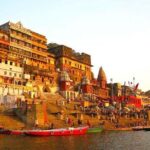
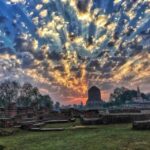
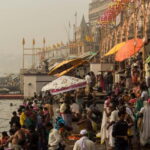
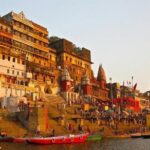
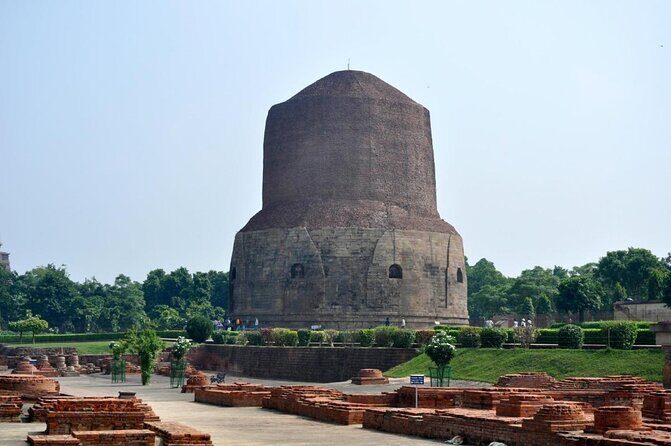
Day one is a gentle start. You arrive in Varanasi, transfer to the hotel, then head out for a half-day temple tour of Sarnath, about 10 km from Varanasi. The big theme here is that Sarnath is where it’s believed the Buddha delivered his first sermon, and the Deer Park context gives the day a grounded, story-based feeling.
What I like about placing Sarnath right at the start is psychological. You’re in the right mindset immediately—less like you’re checking a box, more like you’re learning a thread. You also get to see one of the most important physical reminders of the early Buddhist tradition before the route gets more intense with longer drives.
A practical note: Sarnath is religious space, so plan for walking and for respect around worship areas. Wear something comfortable, and treat this as a day where you’ll likely want to slow down and look up as much as you look forward.
Road to Bodhgaya: The 6–7 Hour Drive That Frames the Main Day
Bodhgaya is a headline stop, and the route makes you earn it. In the morning you drive about 247 km for 6–7 hours from Varanasi to Bodhgaya. On arrival you check into your hotel, then after lunch you get sightseeing time.
In Bodhgaya, the core idea is straightforward: it’s the place where Gautama Buddha attained supreme Enlightenment. That belief makes the site feel different from places focused on later events. Even if you’re not deep into Buddhist history, you’ll likely feel the attention people give to the sacred center.
One drawback to keep in mind: the day is not built for spontaneity. You’ll be on the move, then arriving and needing to switch gears quickly into temple time. If you’re the type who needs a long decompression period after travel, you’ll want to protect some quiet time after you check in.
Rajgir and Nalanda on the Way to Patna: Sanctity Plus Learning
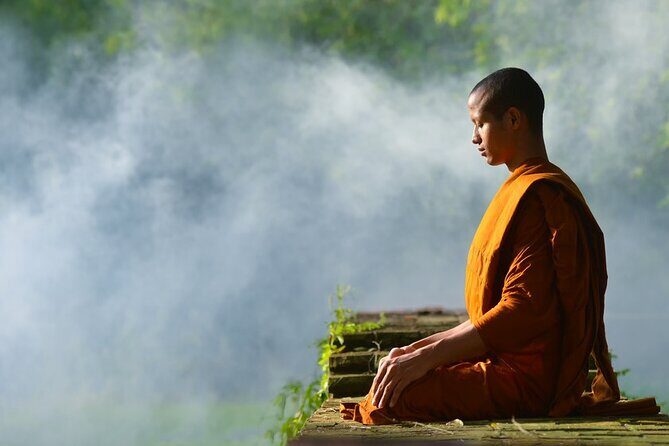
On the next big travel day, you go from Bodhgaya to Patna—about 182 km (around 6 hours). The sightseeing bonus comes on the route with stops at Rajgir and Nalanda.
Rajgir is described as significant for Buddhists, with the Buddha spending years there. Nalanda, in turn, is tied to the tradition of learning. Even without getting lost in dates, the combination works well: you’re not only seeing where the Buddha walked; you’re seeing why this area matters for teaching and study.
This is one of the reasons I like this tour format. It doesn’t only show you sacred sites. It also points you toward the idea that Buddhism spread through community life and teaching, not just through monuments.
Still, remember you’re squeezing in extra stops while the road keeps rolling. If you start feeling mentally overloaded, don’t force yourself to memorize everything. Instead, pick one or two impressions per stop: a view, a detail of a structure, a single legend shared by your guide.

Vaishali to Kushinagar: A Long Day With Big Pilgrimage Weight
The route continues to Kushinagar, about 256 km (around 7 hours). En route you visit Vaishali, described as the place where the Buddha announced the approaching of Mahaparinirvana.
That’s a heavy theme to carry into a long driving day, so your best strategy is to stay present. Don’t wait until the end to care. As you arrive at Vaishali and then keep going, let the emotional arc of the story stay with you.
Kushinagar is also portrayed as a major sacred place connected to the Buddha’s final stage of life. When a tour hits a day like this, it’s not just sightseeing—it’s a structured emotional journey.
The possible drawback is simple: when you’re tired, places with deep spiritual meaning can feel like a blur. To counter that, keep your phone charged, plan light snacks for yourself if you need them (since lunch and dinner aren’t included), and ask your guide to explain the most important point at each stop so you don’t miss what matters.
Lumbini and the Mayadevi Temple: Slowing Down for the Birth Story
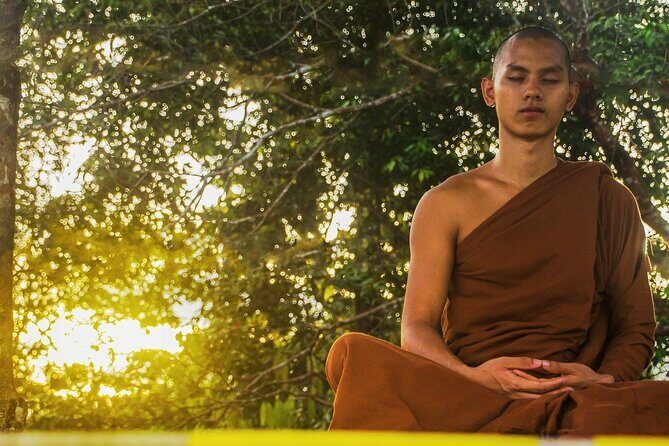
Next you drive to Lumbini, about 180 km (around 5 hours). This day feels a bit more grounded because Lumbini is described as the birthplace of Lord Buddha. After you check into the hotel, you visit the birth place of Buddha at the Mayadevi Temple.
This is the first day where the route feels like it naturally encourages a slower, quieter pace. Birthplaces can do that: the story starts here, not later. Even if you’ve visited other religious sites before, the shift from sermon and enlightenment to origin can change how you perceive the whole trip.
If you’re sensitive to sacred spaces, this is likely the kind of day you’ll enjoy most. You can let the environment do some of the work.
One caution: since lunch isn’t included, you’ll want to be mindful about meal timing. If you arrive hungry after the drive, your first emotional impression can suffer. Treat your own energy like a tool for enjoying the meaning of the place.
Kapilavastu and Sravasti: Childhood Roots to the Sermon Years
From Lumbini you head toward Sravasti, about 225 km (around 5.5 hours). En route you visit Kapilavastu, described as the childhood home of Gautam Buddha. Then you continue to Sravasti, described as a place where the Buddha preached many sermons.
This day gives you a full-circle feeling: childhood context first, then active teaching. You’re not only seeing where events happened—you’re seeing how the narrative moves from origin, to growth, to public teaching.
What I like about this part of the route is that it’s very readable. Even without being fluent in Buddhist concepts, you can track the story: where the Buddha came from, and where his teaching spread.
If you get bored easily on long travel days, focus on one teaching point your guide highlights. When you know what you’re listening for, the religious structures and surrounding atmosphere feel less like scattered sights and more like one idea in different forms.
Lucknow Finale: Imambara and Rumi Darwaza Before Your Flight
The final day shifts from Buddhist sacred sites to Lucknow. You leave Sravasti and travel to Lucknow, with sights including Imambara and Rumi Darwaza, plus other historical monuments. In the evening, you’re transferred to Lucknow Airport for a flight onward to New Delhi.
I like that the tour doesn’t end on the same kind of temple-focused setting. Lucknow adds a different architectural and cultural mood, so the last day feels like a transition rather than an abrupt stop.
It also helps that the day includes a clear endpoint: you’re not just wandering until you run out of daylight. You have a planned route, then a planned transfer for onward travel.
One thing to keep in mind: your last day still involves driving and sightseeing. If you want an easy finale, you might need to set aside stamina and avoid heavy late-night activities the night before.
Who This Tour Fits Best (and Who Should Think Twice)
This tour is a strong fit if you want a guided, door-to-door route through key Buddhist religious sites, and you’re okay trading free time for convenience. It’s especially good for people who want to understand the story behind the places and prefer having an English-speaking private guide explain what you’re seeing.
I think it’s also a decent choice if you like moving as a group, where each day has a defined goal and you don’t have to think about transport. The included AC vehicle plus hotels with breakfast helps keep you from spending each morning solving the same problem.
You should think twice if long driving days genuinely drain you. This week is heavy on road time, and if you end up tired at each stop, the religious sites won’t land the way they should. If that’s you, consider either a shorter route or a different pace.
Should You Book This Buddhist Tour?
Book it if you want a guided, well-supported pilgrimage route from Varanasi through major Buddhist landmarks to Lucknow, with private transportation, a private guide, and breakfast-included hotels handling most of the logistics. The value is strongest if you’d rather pay for convenience than organize all transfers yourself.
Skip or modify it if you know you struggle with long car days. This tour’s biggest trade-off is simple: time on the road is a major part of the experience. If you can handle that reality, you’ll likely enjoy the structured path through places that many Buddhist travelers treat as essential.
FAQ
FAQ
How many days is the Buddhist Tour 7 Day?
It’s about 7 days.
What cities and main sites does the tour cover?
It includes sightseeing around Varanasi and Sarnath, then drives to Bodhgaya, Rajgir, Nalanda, Patna, Vaishali, Kushinagar, Lumbini (Mayadevi Temple), Kapilavastu, Sravasti, and ends with Lucknow sights like Imambara and Rumi Darwaza.
Is pickup offered?
Pickup is offered.
What transportation is included?
Transport is provided by a private air-conditioned vehicle, and a tuk-tuk ride is included as well.
Who will guide the tour?
You’ll have an English-speaking private guide for 7 days.
Where are you staying, and is breakfast included?
You get 6 nights in 3-star hotels, with breakfast included.
What meals are not included?
Lunch and dinner aren’t included.
Is this tour private or shared?
It’s a private tour/activity, meaning only your group will participate.
What does the tour price include for $700 per person?
The price includes private vehicle transport, an English-speaking private guide for 7 days, 6 nights in 3-star hotels with breakfast, plus a tuk-tuk ride and pickup.
Can I cancel for a full refund?
Yes. Free cancellation is available up to 24 hours in advance for a full refund. If you cancel less than 24 hours before the start time, the amount paid is not refunded.