REVIEW · JAIPUR
Jaipur: Instagram Tour of The Top Photography Spots
Book on GetYourGuide →Operated by Jaipur tour taxi cab · Bookable on GetYourGuide
Jaipur looks best through a lens. This 8-hour photo-focused private tour strings together the city’s most camera-friendly landmarks in a smart route, with a chauffeur taking the stress out of navigation. I like that you get photo-minded stops (not just a drive-by of big names), and I like the private air-conditioned car with pickup/drop-off, so you can focus on angles, light, and details. The tradeoff: it’s not a ticket-and-lunch package, so you’ll likely still pay some entrance fees and handle meals on your own.
What makes it feel worthwhile is the human side. Guides are praised for being patient, for spotting good photo opportunities, and for offering creative ways to frame the scenes instead of only reciting facts. One more thing to consider: even with a car and chauffeur, you’ll still do short walks at multiple stops, so wear shoes you can move in.
In This Review
- Key points before you go
- Why this 8-hour Jaipur photo route actually works
- Pickup, private transport, and the stress you can skip
- Patrika Gate and the Jawahar Circle Park entrance for architecture shots
- Hawa Mahal and the Pink City: facades, jharokhas, and skyline angles
- Birla Mandir and Albert Hall Museum: two styles of Jaipur photography
- Jantar Mantar, City Palace, and Jal Mahal for scale and geometry
- Gaitor Ki Chhatriyan and Panna Meena ka Kund for detail shots
- Amber Fort: the place to slow down and shoot with patience
- Hathi Gaon and the ride back: turning the day into a story
- Price and what’s truly included (and what’s not)
- Who should book this Jaipur photo tour
- Should you book it?
- FAQ
- How long is the Jaipur Instagram tour?
- What’s included in pickup and drop-off?
- Is this a private tour?
- Do I need to pay for meals?
- Are entrance fees included?
- Is the vehicle air-conditioned?
- Is the driver/guide English-speaking?
- Is wheelchair access available?
Key points before you go
Private car, chauffeur, and bottled water: You stay comfortable across long drives and repeated photo stops.
Major Jaipur icons in one day: Expect stops that cover palaces, temples, forts, and architectural close-ups.
Photo help, not just sightseeing: Guides often coach composition and will take photos when you ask.
Skip the ticket line: You save time at participating entrances instead of waiting around.
Flexibility for your comfort: It’s a private tour, so you can usually adjust pace as needed.
English-speaking driver: Helpful if you want directions and explanations without a language barrier.
Why this 8-hour Jaipur photo route actually works
Jaipur is a city where one good viewpoint can eat half the day if you let it. This tour is built to prevent that. You’re not wandering on your own for hours, second-guessing where to go next. Instead, you move stop-to-stop with a chauffeur, and the guide keeps the day tied to “get the shot” locations with just enough time to play.
The 8-hour format is also realistic. You get wide variety—gateway architecture, palace facades, temple courtyards, astronomical geometry, and fort views—without trying to cram in too much. It’s the kind of day that helps if you only have a short Jaipur visit and you still want more than one or two obvious photos.
You can also read our reviews of more photography tours in Jaipur
Pickup, private transport, and the stress you can skip
This is a private group tour with pickup from your hotel (or airport/railway station with a name sign). The car is air-conditioned and you travel with a chauffeur, plus fuel, parking, tolls, and taxes are included. That matters in Jaipur because distances add up fast, and heat can turn a good plan into a tired plan.
You’ll also get bottled water. It sounds basic, but on a photo day where you’re stopping often, hydration helps you keep your energy for the longer-looking moments—like standing in front of Hawa Mahal and waiting for the light to change.
One small practical tip: if you’re picky about photos, keep your camera battery charged and your memory card empty before you leave the pickup point. You’ll likely want to shoot at multiple places with minimal downtime.
Patrika Gate and the Jawahar Circle Park entrance for architecture shots
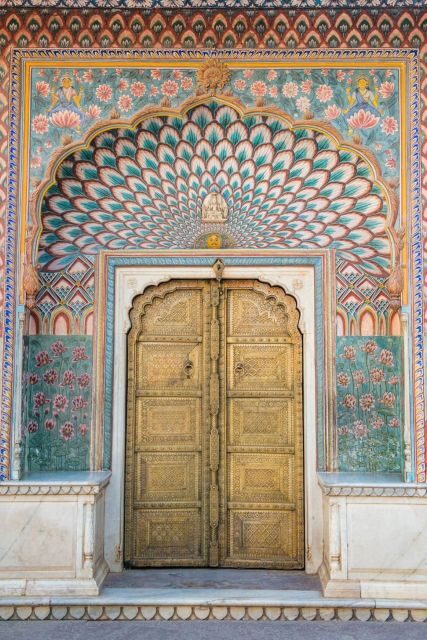
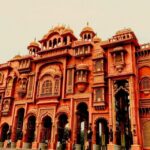
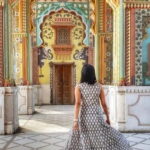
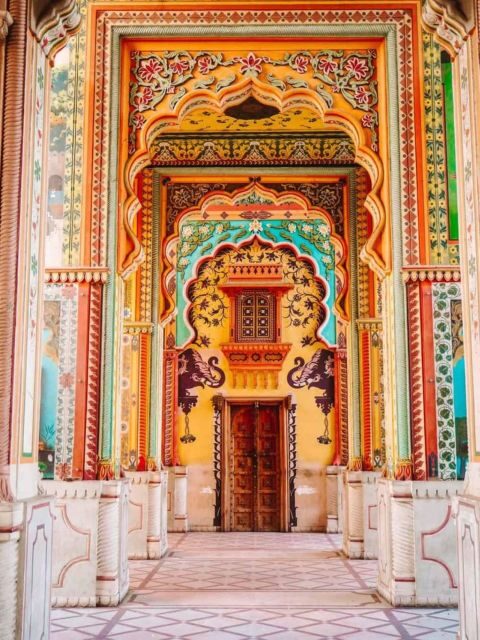
You start at Patrika Gate, the entrance to Jawahar Circle Park and one of the most photographed architectural spots in Jaipur. This is the kind of place where your photos improve with effort. The gate’s colors and carved details reward close framing, not just wide “take-a-picture-and-go” shots.
If you like architectural photography, this is a strong opening because it gives you something graphic—pattern, texture, and ornament—right away. It’s also a good warm-up for the day: you can test settings, practice getting people out of the background, and learn how the guide approaches composition.
Keep in mind that the first stop includes time to walk. It’s not a long hike, but it is enough time that you’ll want comfortable footwear.
Hawa Mahal and the Pink City: facades, jharokhas, and skyline angles
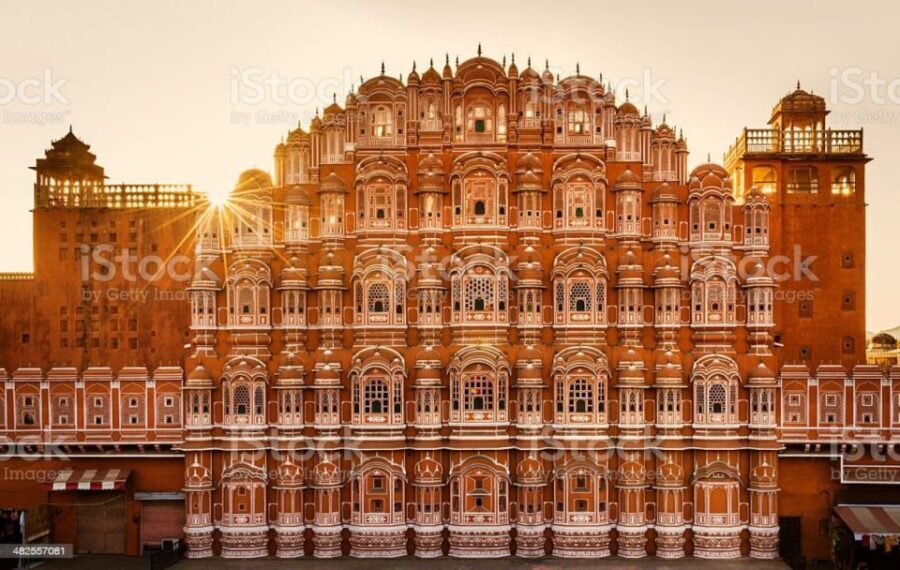
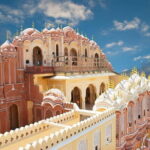
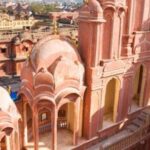
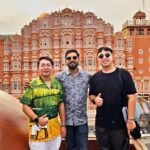
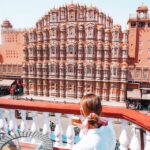
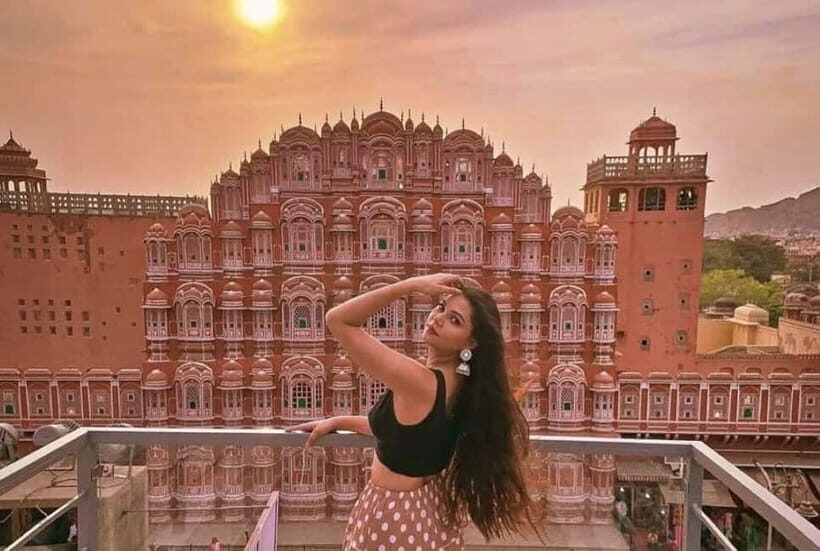
Hawa Mahal is the headline for a reason. This 18th-century palace—often called the Palace of the Winds—features the iconic jharokhas (projecting windows). From a photography point of view, that means repeating shapes, strong symmetry, and lots of places where light and shadow create contrast.
The guide-led stop includes a guided visit and walking time, so you can do more than just stand at the perimeter. You’ll also have time to photograph the facade from angles that make the carvings and window rhythm pop.
From there, you move into the Pink City area for more photo stops and guided time. Jaipur’s old-city walls and lanes are full of colors and patterns, and the goal here isn’t only big monuments. It’s also the small “frame-with-a-story” shots—arches, doorways, painted surfaces, and street textures around the heritage core.
A practical consideration: this part of the day can mean more foot traffic. If you want fewer crowds in your photos, plan to ask your guide for the quiet side angles rather than standing where everyone points their camera.
Birla Mandir and Albert Hall Museum: two styles of Jaipur photography
Two stops that work nicely together are Birla Mandir Temple and Albert Hall Museum. They feel different in both mood and photographic texture.
Birla Mandir is in the heart of the Pink City, and the tour includes time to explore and photograph around it. You’ll typically get a calmer, more devotional setting than the busiest streets—useful if you want portraits-style photos or cleaner compositions with fewer visual distractions.
Albert Hall Museum brings you into a different kind of shot. The building is known for Indo-Saracenic architecture and is set in Ram Niwas Garden, outside the city wall opposite New Gate. The museum and garden combination is valuable because it gives you a backdrop option: you can frame the architecture with greenery, or focus on the facade itself.
This stop is often where your photos start looking more “designed” and less like quick postcards. You’re capturing the relationship between building and setting, which is what makes an image feel like Jaipur instead of just a landmark name.


Jantar Mantar, City Palace, and Jal Mahal for scale and geometry
If you’ve ever seen photos of Jantar Mantar that look like science fiction, that’s the vibe you’re chasing. Jantar Mantar is an astronomical observatory built by Maharaja Jai Singh of Jaipur in 1724. Even if you’re not a science nerd, the shapes and instruments help you take photos with strong lines and a sense of scale.
From there, you continue to the City Palace complex, which includes multiple buildings, courtyards, galleries, restaurants, and museum trust offices. For photography, the advantage of a complex is variety. You can shoot through transitions—arches into courtyards, courtyards backdropped by palace elements, and detailed textures on older surfaces.
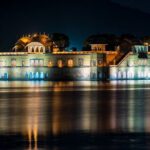
Then comes Jal Mahal, the Water Palace, sitting in the middle of Man Sagar Lake. This is a great place for a “big scene” shot. The tour includes photo time from a roadside viewing area, so you can catch the palace silhouette with the lake and hills in the background.
One caution: because this is a lake view from a staying point, your best photos depend on your timing and how the light is hitting the water. If the first angle doesn’t feel right, ask the guide for an alternate spot nearby.
Gaitor Ki Chhatriyan and Panna Meena ka Kund for detail shots
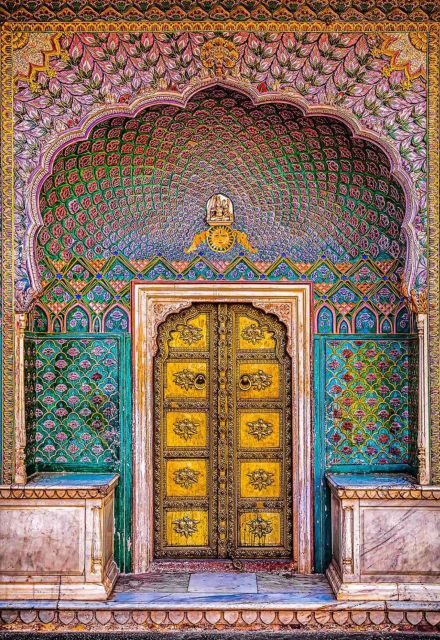
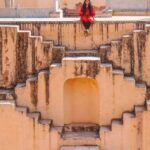
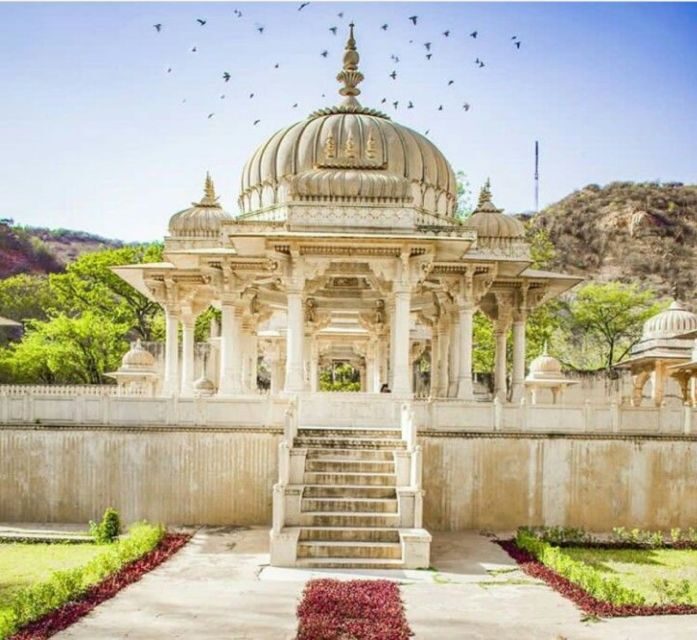
Not every stop is about giant monuments. Gaitor Ki Chhatriyan (Gaitor Cenotaphs) gives you a more intimate photographic feel. The tour includes a photo stop and a walk, which is ideal for capturing repeating shapes and sculptural elements from a human scale perspective. This is the kind of site where your photos can look more artistic because you’re working with rhythm and repetition.
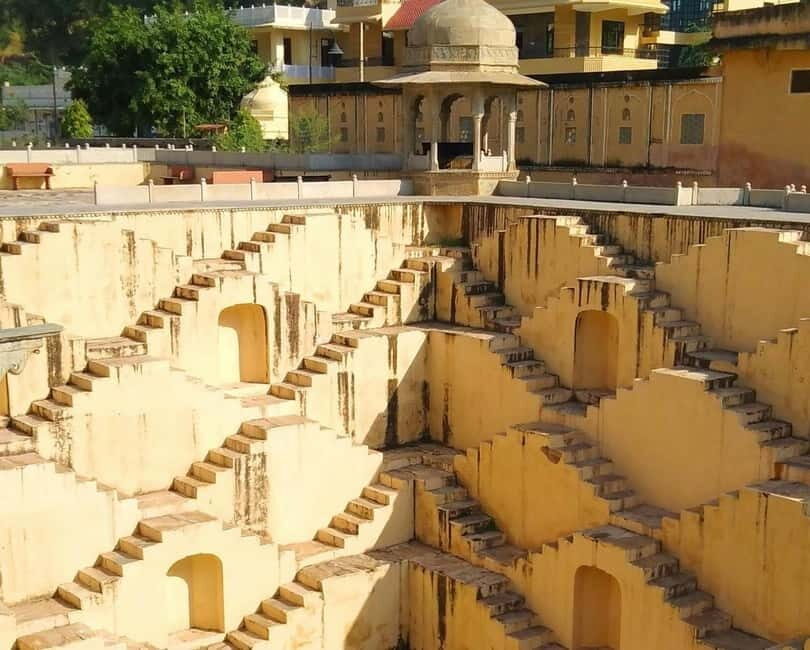
Next is Panna Meena ka Kund, a photographed spot with a short visit window. This is a good “pause and shoot” stop—quick time to frame interesting architecture and textures before you move on to the bigger fort push.
These shorter visits matter when you want variety in your photo set. One long landmark day can become repetitive. These stops help you fill your camera roll with images that don’t all look like the same wide-angle postcard.
Amber Fort: the place to slow down and shoot with patience
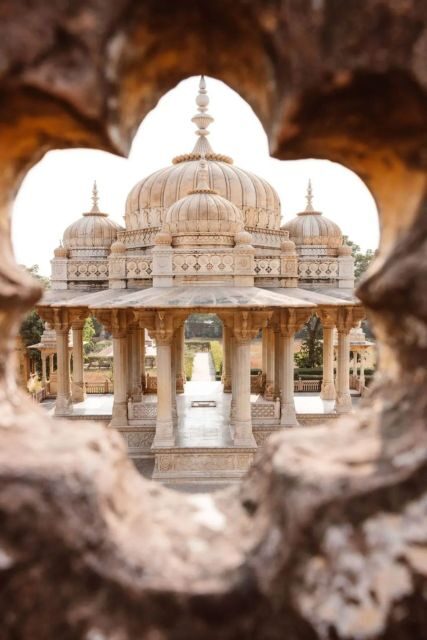
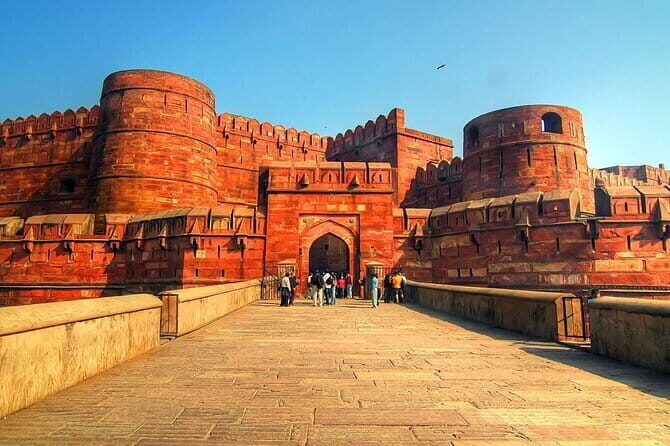
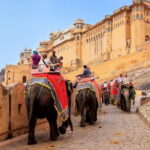
Amber Fort is one of Jaipur’s biggest attractions, and the tour gives it focused time with photo stops, a guided visit, sightseeing, and walking (about 1.5 hours in the day’s plan). Fort photography is tricky because you want both wide views and detail. The trick is not trying to do everything at once.
If you’re photographing people, this is where the guide’s photo help becomes especially useful. Guides on this kind of tour are often praised for understanding what makes a portrait or travel photo work—posing suggestions, knowing where the background looks clean, and taking photos when you ask rather than only talking at the crowd.
Also, don’t rush your wide shots. Wait for better light on stone surfaces. Even small changes in brightness can make carvings look sharper and turn a flat image into something dramatic.
Hathi Gaon and the ride back: turning the day into a story
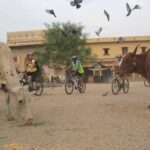
The tour includes Hathi Gaon as a final stop with about an hour for a visit and photo stop time. This is another spot that helps diversify the day’s images. After the heavier architecture of forts and palaces, you get a change of pace that can bring your camera roll into a more varied visual narrative.
Then you finish with a comfortable drop-off back at your accommodation. That wrap-up is underrated. If you’re shooting all day, the last thing you want is to scramble for transport or figure out where to eat.
Before you head back out for dinner, take a minute to review your images. You’ll often spot what worked—angles, light, and framing—and you can plan how you want your day’s final shots to look next time you travel.
Price and what’s truly included (and what’s not)
At about $30 per person for an 8-hour private tour, the value is mostly in logistics: private air-conditioned car, chauffeur, pickup and drop-off, bottled water, and the costs of fuel, parking, tolls, and taxes. You’re also getting an English-speaking driver and the perk of skipping the ticket line at participating entrances.
The items that usually change the real total are entrance fees and meals. Meals aren’t included. Also, entrance fees at places not included in the package may need to be paid separately. So if you’re budgeting, keep a little cash or card ready for tickets and food.
What I like about this pricing model is that it doesn’t feel like you’re paying a premium purely for “a list of places.” You’re paying for time saved, comfort, and a guided photo approach. For a short Jaipur visit, that’s often the difference between getting a few decent shots and getting a full set you actually like.
Who should book this Jaipur photo tour
This tour fits best if you’re in Jaipur for a day or you’re mainly there for landmarks and photos. It’s also a smart choice if you want a guide who helps you get better compositions instead of only explaining history.
You’ll probably enjoy it if:
- You want a private day plan without wrestling transport.
- You care about getting photos at multiple famous viewpoints.
- You like having an English-speaking guide who can answer questions and keep pace.
- You want the day organized but still flexible enough to match your comfort.
Should you book it?
If you want a single-day Jaipur photo hit—Hawa Mahal, Albert Hall, Jantar Mantar/City Palace area, Jal Mahal, Amber Fort, plus several supporting detail stops—this is a solid way to spend your time. I’d book it if your priority is photos and you value a chauffeur-driven, air-conditioned route with pickup and drop-off.
I’d hesitate only if you prefer a slow, independent wander with no planned walking stops, or if you hate paying entrance fees and eating on your own during tours.
If you do book, bring comfy shoes, keep your camera ready, and ask your guide where to stand for the cleanest angles. That simple move is usually what turns a good photo day into a great one.
FAQ
How long is the Jaipur Instagram tour?
The duration is 8 hours.
What’s included in pickup and drop-off?
Pickup is included from your hotel, airport, or railway station, and you’ll be dropped back at your accommodation at the end.
Is this a private tour?
Yes. It’s listed as a private group tour.
Do I need to pay for meals?
Meal expenses are not covered by the package, so you’ll need to budget for lunch and other food stops.
Are entrance fees included?
Entrance fees at places not included in the package may need to be paid separately.
Is the vehicle air-conditioned?
Yes. The tour includes a private vehicle with air conditioning and a chauffeur.
Is the driver/guide English-speaking?
The driver is listed as English.
Is wheelchair access available?
Yes, it’s listed as wheelchair accessible.