REVIEW · VARANASI
Visit the 3 largest temples in Benares
Book on GetYourGuide →Operated by Gagan Kumar · Bookable on GetYourGuide
Varanasi’s temples hit differently at street level. This 3-hour private loop links the Monkey temple for Hanuman, the Durga Mandir, and the Shiva temple on a university campus, with explanations led by Gagan Kumar in clear French or English. I also like the way he grounds the whole visit in what people actually believe and do, not just dates and names.
One thing to consider: temple time means you’ll likely stand, walk, and move through crowded lanes, so comfortable clothes matter more than you might expect.
In This Review
- Key highlights you’ll feel right away
- Three Temples, Three Gods in Varanasi’s Old Streets
- Starting at Om Natural near Assi Ghat
- Sankat Mochan Hanuman Mandir: power you can understand
- Durga Mandir: protection and purification, explained on the spot
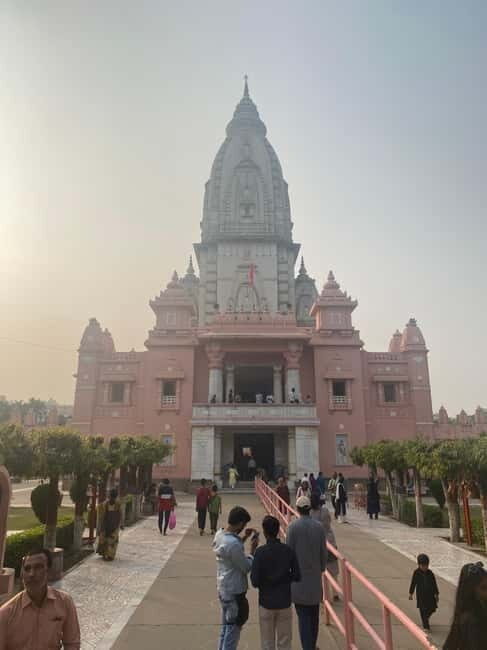
- Shri Kashi Vishwanath Temple on a university campus
- The tuk tuk factor: getting the route right in narrow streets
- Explanations in French and English that actually guide your eyes
- Ritual accompaniment: where visitors usually get stuck
- After temples: saree weaving or a meal with your spice level
- Price and value: why $21 can work in Varanasi
- Who this tour suits best
- Should you book this temple tour?
- FAQ
- FAQ
- What temples are included in this 3-hour tour?
- How long is the experience?
- How much does it cost?
- Where do I meet the guide?
- Does the tour include transportation?
- What languages are available for the live guide?
- Are rituals included in the tour?
- What is included in the price besides the guide?
- What is not included?
- Is cancellation allowed, and how does payment work?
Key highlights you’ll feel right away
- Three major gods, one old-city route: Hanuman (power), Durga (protection), and Shiva (world harmony)
- French and English done precisely: you get clear explanations during the stops, not a rough summary at the end
- Ritual participation with guidance: you’re accompanied in the rituals so you know what’s happening
- Authentic tuk tuk through narrow streets: it’s built for the old lanes, not for a big bus
- Options after temples: on request, you can add saree weaving handicrafts or a typical Indian meal adapted to your spice level
Three Temples, Three Gods in Varanasi’s Old Streets
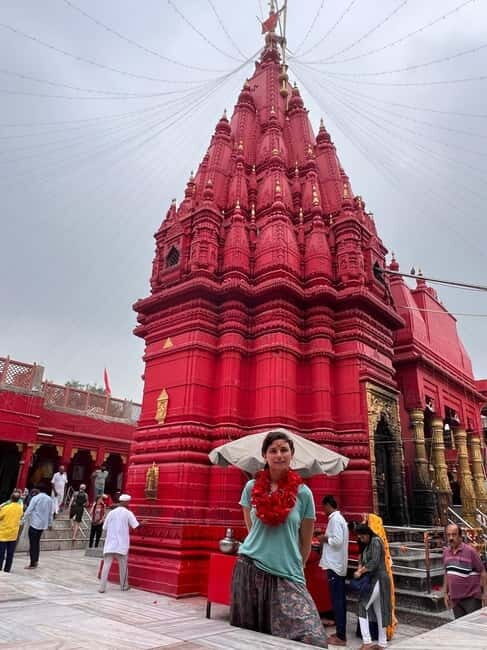
This tour is built around the idea that Varanasi makes more sense when you follow the religious thread. You don’t just see impressive buildings. You learn why three different gods matter to daily life and local beliefs.
You’ll visit the Sankat Mochan Hanuman Mandir (the Monkey temple), the Durga Mandir, and the Shri Kashi Vishwanath Temple. The focus is simple and effective: each stop ties to a major divine figure and a practical meaning—power and protection, purification, and spiritual balance.
And because it’s a private group, you can ask real questions as you go. If you’re curious about why a ritual looks the way it does, this format helps you get answers while the moment is still fresh.
You can also read our reviews of more tours and experiences in Varanasi.



Starting at Om Natural near Assi Ghat
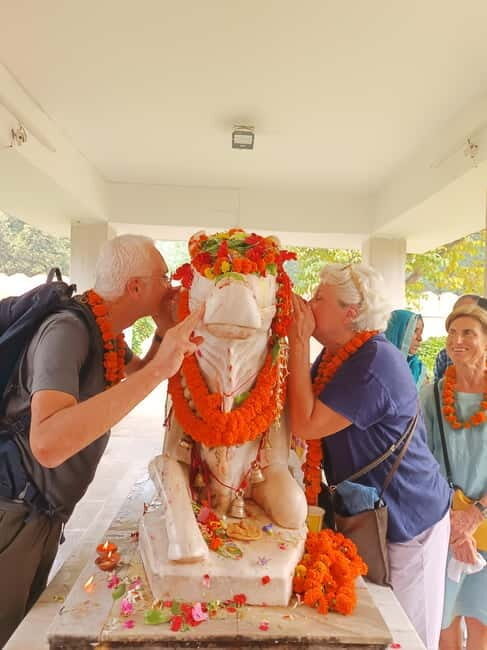
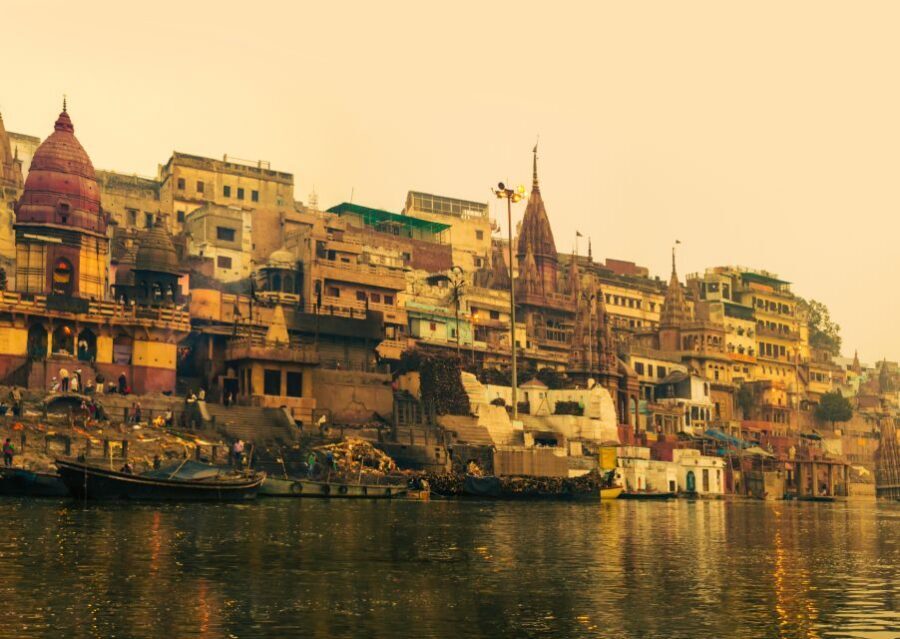
You start at the Om natural shop near Assi ghat. It’s a good anchor point because Assi ghat is one of those places where the city’s energy is visible even before you head into quieter temple lanes.
From there, the tour moves by tuk tuk, which makes the whole day feel like local travel rather than a checklist. You’re also not stuck figuring out route and timing on your own, which matters in Varanasi’s maze-like old streets.
Plan to carry cash for the day. Temple visits sometimes involve donations, flowers, and small offerings, and those aren’t included in the tour price.
Sankat Mochan Hanuman Mandir: power you can understand
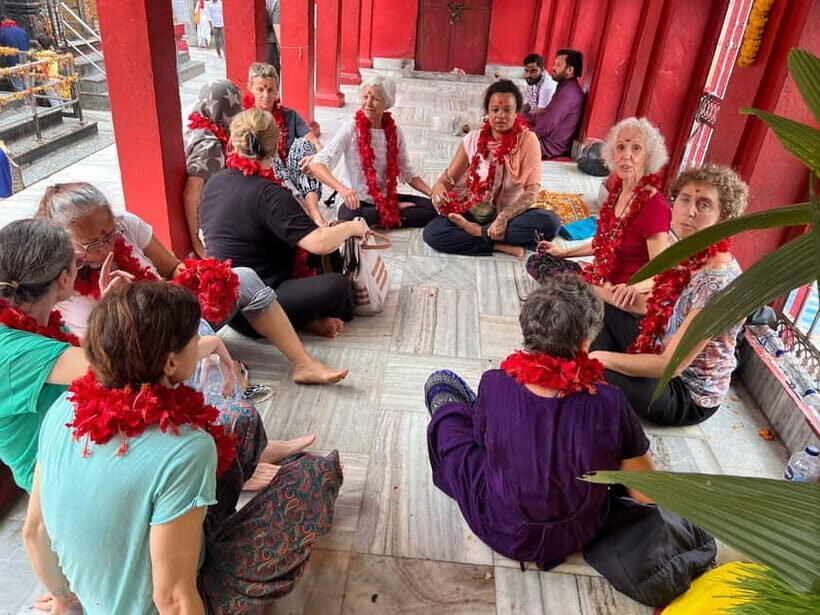
First stop is Sankat Mochan Hanuman Mandir, often called the Monkey temple because of Hanuman’s symbolism. Hanuman is presented here as a god of power, and the tour frames him in a way that’s easy to grasp once you’re inside the temple atmosphere.
The visit lasts about 45 minutes, which is enough time to look around without feeling rushed. More importantly, you’re accompanied in the rituals, so you’re not just watching from the side.
If you’re new to Hinduism, this is a smart place to start. Hanuman is famous across India, but here the emphasis is on what people connect to him—protection, strength, and the idea that devotion can help you through trouble.
Durga Mandir: protection and purification, explained on the spot
Next comes Durga Mandir, again with a visit time of about 45 minutes. Durga is framed as protective and purifying, and the difference shows in how worship is presented during the ritual time.
This stop is where the tour shifts from general sightseeing into something more interpretive. You’ll get clearer context for why devotion isn’t only about feelings. It’s also about acts—what people do, when they do it, and how those actions fit into their understanding of the divine.
The biggest value here is that you’re not left to guess. The guide’s role is to translate what you’re seeing into language that fits a visitor’s brain, whether you’re in English or French mode.
Practical note: Durga temples can feel intense in a good way—serious focus, strong energy. If you’re sensitive to crowds or noise, come with patience. This is part of the real experience, not a bug.
Shri Kashi Vishwanath Temple on a university campus
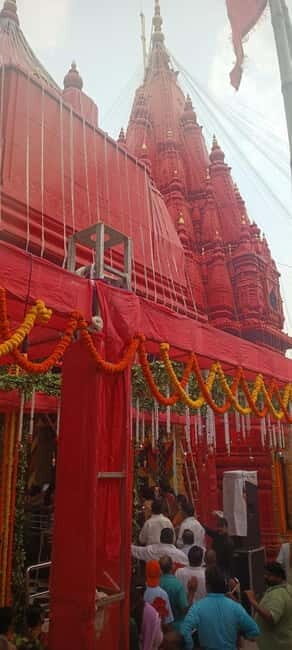
The last temple stop is Shri Kashi Vishwanath Temple, described as the Shiva temple on Varanasi’s university campus. Shiva is positioned as a guardian god of world harmony, which is a helpful “big picture” concept when you’re looking at details in a busy sacred space.
At around 45 minutes, you’ll have time to see the temple environment and take in how Shiva worship connects to the city’s identity. The visit is not treated like a photo mission. It’s treated like a guided understanding of a living religious site.
This is also a temple where context makes a difference. If you walk in knowing only the name, you can still enjoy it. But if you understand the logic behind the rituals and symbolism, you’ll leave with a deeper sense of why Varanasi calls itself sacred.
And yes, you might notice how the university setting changes the vibe around the temple. It’s still devotion, but it also feels like the city’s spiritual life isn’t separate from education and everyday movement.


The tuk tuk factor: getting the route right in narrow streets
You’ll travel by tuk tuk through the narrow streets of the old city. That choice is more than convenience. It shapes how you experience Varanasi.
A tuk tuk helps you glide into the same tight lanes locals use, so the tour feels like you’re stepping into the city’s real fabric. You’re not stuck on the edges looking inward.
It also makes the route feel efficient over just 3 hours. Temple time stays the priority, and transportation doesn’t eat the morning or afternoon.
If you’re worried about getting lost, this is a real comfort. And there’s another subtle benefit: you can focus on the explanations while you’re moving, instead of spending mental energy on maps.
Explanations in French and English that actually guide your eyes
One of the tour’s strongest assets is language clarity. The experience is offered with explanations in English or French, and the guide’s style is described as mastery of the language—clear, precise, and useful during the visits.
What I find valuable in this kind of tour is pacing. You’re not getting a long lecture first. You get meaning right when you see the ritual, the objects, and the roles of different divinities.
Gagan Kumar’s background matters too. He’s originally from Varanasi and the child of the Ganges, so the city isn’t a script to him. He can point out what visitors might miss and connect stories to what you’re standing in front of.
In the reviews, people also highlight his humor and flexibility. That shows up in how the schedule works in real life: if you’re curious, he can adjust without breaking the flow.
Ritual accompaniment: where visitors usually get stuck
A lot of temple tours stop at observation. This one adds something practical: you’re accompanied in the rituals. That means you’re not left to figure out what to do with your hands, when to move forward, or how to behave respectfully.
You should expect some of the tour to feel like participation rather than only looking. That can be uncomfortable if you want a purely passive experience, but it’s also the fastest way to learn.
Temple donations are possible but not required in the tour pricing. You can plan for that with small cash. If you don’t want to donate, you can still follow along and understand the meaning.
If you’re the type who likes structure—step-by-step—this ritual guidance is a big win. It keeps you from feeling like an outsider.
After temples: saree weaving or a meal with your spice level
After the temple visits, you can request an extra stop or activity. Two options are offered: explore the handicraft of saree weaving, specific to Benares since Mughal times, or have a typical Indian meal with the spice level adapted to you.
These add-ons matter because they connect religion and culture. Temples are the spiritual spine of Varanasi, but textiles and food are also part of how the city lives.
If you love crafts, the saree weaving option is a solid direction. It’s not just shopping. It’s learning how a tradition got shaped and sustained over long time periods.
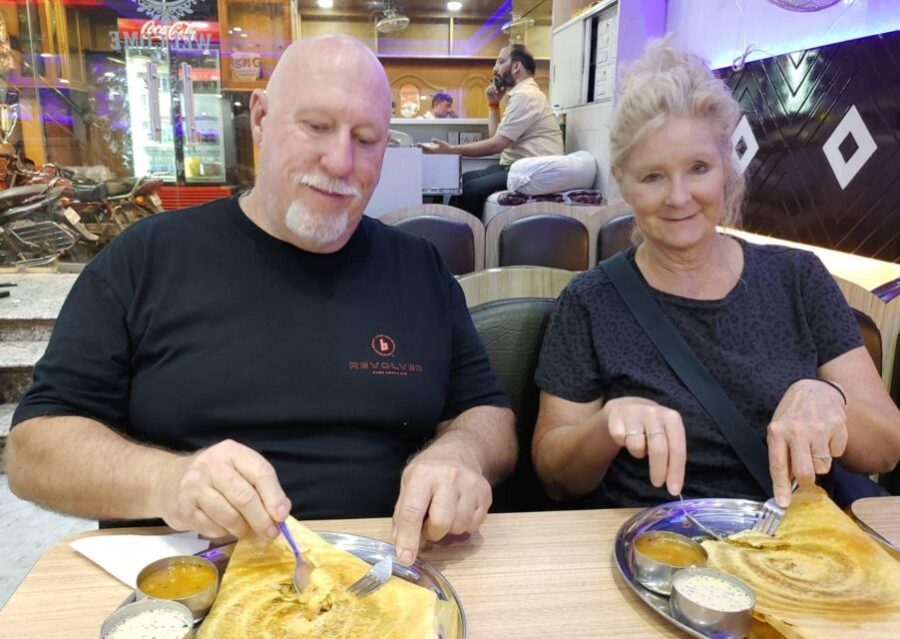
If you’d rather keep it simple, the meal option makes sense. It also takes the guesswork out of spice intensity, which is where many visitors struggle.
Just remember: the meal price isn’t included, and temple donations aren’t included either. The tour still gives you the cultural pathway; you decide how far you want to go with extras.
Price and value: why $21 can work in Varanasi
The price is $21 per person for a 3-hour experience. That’s not a “budget” price in the sense of being stripped down, and it’s not a luxury price either. It sits in a middle lane where the key is what’s included.
Here’s what you’re paying for beyond the entrances: you’re getting explanations in English or French, ritual accompaniment, bottle of water and tea, and tuk tuk management. Those parts are hard to DIY because you’d need local language help, local timing help, and guidance through ritual behavior.
So the best way to judge value is not the temple list. It’s the translator-in-the-moment. In Varanasi, context can turn a confusing experience into something coherent quickly.
Also, since it’s a private group, you’re not sharing your questions with strangers who have no interest in Hinduism or in the why-behind-the-rituals. If you want a thoughtful pace, private beats crowded group tours.
Who this tour suits best
This experience is ideal if you want a compact plan with real meaning. In 3 hours, you cover three major temples and major gods without getting lost.
You’ll also like it if you:
- want explanations in French or English, not guesswork
- care about respectful ritual etiquette
- prefer a guided pace in crowded old streets
- enjoy learning how religion connects to local culture
If you only want quick photos and zero discussion, you may find the explanation focus less to your taste. And if you hate standing or walking in busy environments, wear shoes and plan for some congestion.
Should you book this temple tour?
I’d book it if your goal is understanding, not just sightseeing. The combination of ritual accompaniment, clear language explanations, and a route that’s built around Hanuman, Durga, and Shiva makes the short duration feel worth it.
It’s especially strong if you value guidance from someone who grew up in Varanasi. Gagan Kumar’s connection to the city comes through in the way the tour is described: humor, flexibility, and attention to details that visitors often miss.
Book if you want your visit to feel organized and respectful, but still lively. Skip it only if you want a silent walking tour or if you’re uncomfortable with crowds and religious spaces.
FAQ
FAQ
What temples are included in this 3-hour tour?
You’ll visit the Sankat Mochan Hanuman Mandir (Monkey temple for Hanuman), the Durga Mandir, and the Shri Kashi Vishwanath Temple (Shiva temple on Varanasi’s university campus).
How long is the experience?
The tour lasts 3 hours.
How much does it cost?
The price is $21 per person.
Where do I meet the guide?
Meet at the Om natural shop near Assi ghat to start the tour.
Does the tour include transportation?
Yes. The tour uses an authentic tuk tuk, and the management of tuk tuk trips is included.
What languages are available for the live guide?
The guide provides explanations in English or French.
Are rituals included in the tour?
Yes. You are accompanied in the rituals.
What is included in the price besides the guide?
Included items are water bottles and tea, plus explanations in English or French and accompaniment in rituals.
What is not included?
Possible temple donations (money, flowers, etc.) and the price of any meal are not included.
Is cancellation allowed, and how does payment work?
You can cancel up to 24 hours in advance for a full refund. You can also reserve now and pay later, keeping your travel plans flexible.