REVIEW · NEW DELHI
Dalai Lama Himalayan Trek
Book on Viator →Operated by Manu Adventures India · Bookable on Viator
Some trips feel like a movie. This one feels like a real life one.
I love how this itinerary stitches together spiritual Delhi sights with the quieter world of Dharamsala and the snowy views from Triund Hill. You start with big icons like Akshardham, then you work your way toward the Dalai Lama’s exiled home in the foothills, before the days turn into trekking, camping, and wide open sky.
Two things I like a lot: the mix of well-known highlights and lesser-visited moments (Akshardham and the Hanuman Monkey Temple area), and the fact that the trek is built around real mountain time, not rushed sightseeing. One consideration: this is not a light stroll. The plan asks for strong physical fitness, and you’ll deal with steep, rocky bits on the way up to Triund.
In This Review
- Key moments you’ll remember
- Delhi first: TWG tea, monkeys, and Akshardham’s silver glow
- The overnight train to Pathankot and why it changes the trip
- Dharamsala base: where the Dalai Lama connection becomes real
- Kareri to camp country: donkeys, day bags, and the start of real trekking
- Naddi View Point day: villages, gentle undulations, and good food in tents
- Triund Hill and the first huge peaks: the day you stop pretending you’re not tired
- Descending back to Dharamsala: shower time and Tibetan-style dinner
- Day trip to Dharamsala: cable car, tea plantation, and the cricket stadium
- Taj Mahal day: the icing on the cake, done with a meal and time to feel it
- Final afternoon in Delhi: last looks, Connaught Place, and a smooth wrap
- Value check: what $1,463.90 covers and who it’s best for
- Should you book the Dalai Lama Himalayan Trek?
- FAQ
- How long is the Dalai Lama Himalayan Trek?
- Where does the tour start, and when?
- Is pickup included?
- What’s the group size?
- Will there be camping during the trek?
- Who carries the trekking camp equipment?
- Are meals included?
- Do you visit places beyond the Himalayas trek?
- What’s the refund policy if I cancel?
Key moments you’ll remember
- Akshardham Temple’s silver-and-gem look: It’s flashy, but it’s also about devotion, and it’s a great first “wow” after you land.
- Donkeys handling camp logistics: Your day bags stay light while the team moves tents and gear between camps.
- Overnight train to the foothills area: It’s a classic way to cover distance and wake up in the Himalaya region ready to travel.
- Triund Hill’s first full-peak payoff: Expect steep sections, then that feeling of being dwarfed by huge mountains.
- Tibetan-style evening after the descent: You get a real reset with shower time and a meal that fits the place.
Delhi first: TWG tea, monkeys, and Akshardham’s silver glow
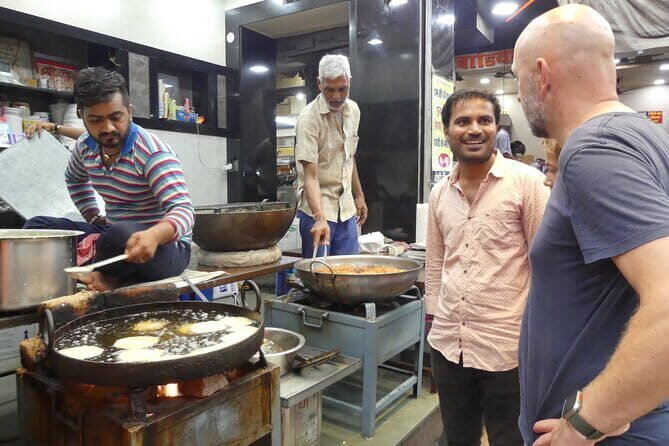
Your tour starts right at Indira Gandhi International Airport, with a 9:00am start time and an airport transfer into the city. There’s even a stop at the TWG Tea Boutique at the airport before you settle in. It’s a small thing, but it helps you get oriented quickly on day one—plus it keeps the travel day from feeling like pure rushing.
From there, your Delhi time turns into religious, not just tourist. Around the corner from where you’re staying, you can see the Monkey Temple of Hanuman. It’s lively, a little chaotic in the way India cities can be, and it’s a good reminder that faith here isn’t separate from daily life.
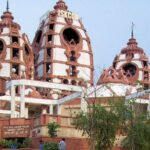
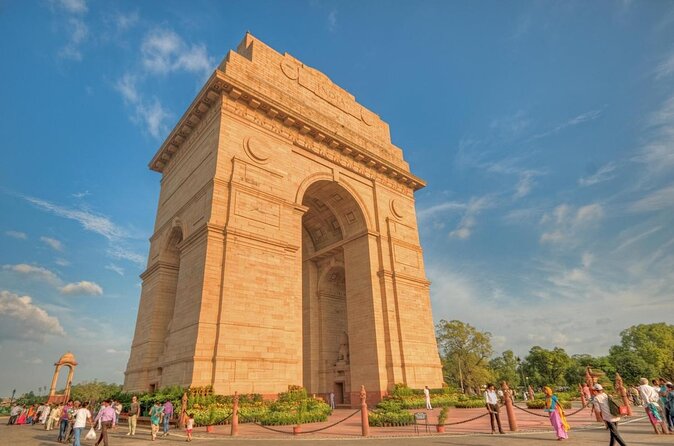
Then comes the big temple day. India Gate is on the schedule, but the main draw is Akshardham Temple. This place is visually loud—silver and gemstones, lots of gleam—but the point is devotion and reverence. The timing works well too, because you get a full temple experience without feeling like you’re sprinting through a checklist.
Practical note: Delhi can make you feel heat-stunned even in the morning. Wear breathable layers and keep water handy. If you’re sensitive to crowds, go with patience—this part of the trip is popular.
You can also read our reviews of more tours and experiences in New Delhi.

The overnight train to Pathankot and why it changes the trip
Delhi to the Himalaya region is a long jump. The plan handles that with an overnight train journey, then a morning arrival at Pathankot station. Day 3 starts with breakfast at a lovely open-air restaurant after you arrive, which turns the train morning from stressful into pleasant.
From Pathankot, you transfer onward to Dharamsala and check into your hotel. Dharamsala matters here because it’s tied to the Dalai Lama’s exiled community and temple presence in the region. Even if you’re not focused on doctrine, you’ll feel the atmosphere: prayer, community, and a different pace than big-city India.
One of the quiet advantages of doing this by train is how it pulls you out of “plane brain.” You don’t lose an entire day to transit, and you arrive with enough energy to actually enjoy Dharamsala rather than just crash.
Dharamsala base: where the Dalai Lama connection becomes real
Once you’re in Dharamsala, you’re in the foothills zone where everything feels closer to the mountains. This is the point where the itinerary’s spiritual thread becomes more than a description.
Even without stacking every hour with a museum or monument, Dharamsala gives you breathing room to notice details. This trip is paced so you can wander and settle before trekking days start. That matters, because when you hit the trail, your body needs familiarity, not shock.
If you’re curious about what makes Dharamsala special beyond the name, look at how the schedule supports you. You get time to check in, then later you return for shower and rest after the descent—so you’re not stuck trekking into fatigue for days.
Kareri to camp country: donkeys, day bags, and the start of real trekking
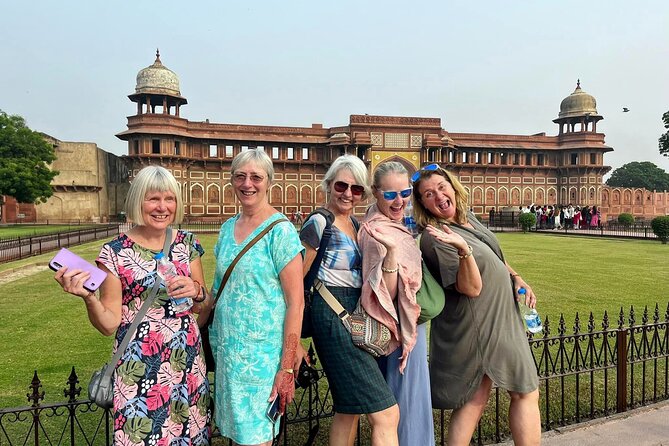
The trekking portion begins around Kareri, and this is where the trip becomes properly “mountain”. After greeting your team, you also meet the donkeys. They’re the unsung heroes here, carrying belongings, tents, and camp equipment between camps. That one choice changes your trek feel fast: you’re hiking with a smaller load, so you can focus on the ground, the rhythm, and the views.
You’ll trek with just your day bags, moving through rural village settings and smaller paths. The vibe shifts from city pace to human-scale life. Families, goats and cows, and children who are curious and playful all show up along the way.
In places like this, the trek isn’t only about “getting to the top.” It’s also about the in-between moments: walking past homes, seeing how people live close to the land, and hearing the sound of water nearby when you’re near camp areas.
What to consider: this is still active travel. Even when the donkey team does the heavy camp hauling, you’ll be on your feet for hours. If your fitness level is borderline, you’ll feel it more on day 4-7.
Naddi View Point day: villages, gentle undulations, and good food in tents
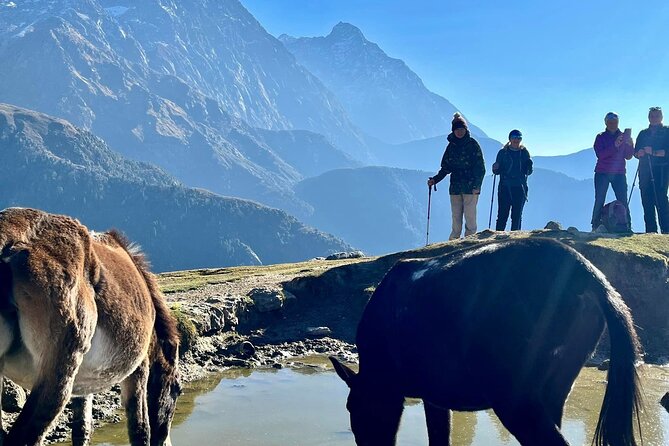
On the way to Naddi View Point, the trek is described as gently undulating through rustic villages. That’s a nice setup because it’s a transition day: you’re not just going from flat-ish sightseeing into full climbing. You ease in, and you get time to adjust to the trail feel.
One of the most practical things about this tour is the attention to meals. The schedule notes breakfast and lunch on trekking days, and in the overall trip tone, food is a major part of comfort. You’ll see the pattern again later when trekking food becomes part of what people praise most.
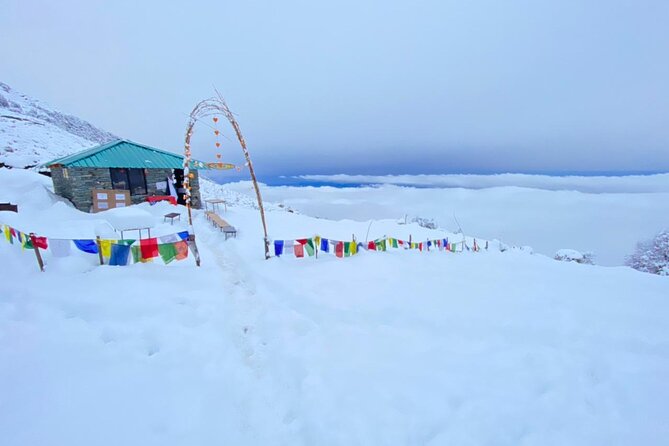
This is also where camping starts to feel real. When your day ends, you’re in tent country, and the day’s rhythm turns into night sky time.
Bring: comfortable trekking shoes and a few warm layers. Even if days are pleasant, evening temperatures in the foothills can surprise you.

Triund Hill and the first huge peaks: the day you stop pretending you’re not tired
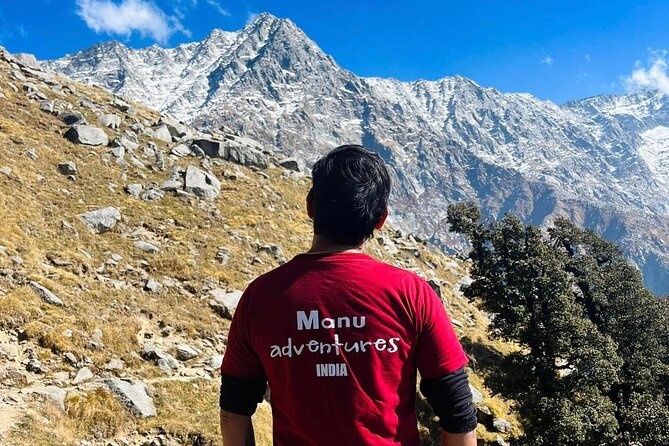
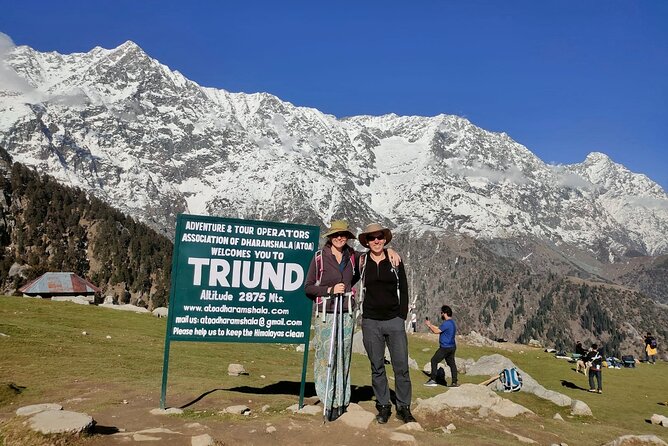
Then comes Triund Hill. This is your first big payoff day, the one that can take your breath even when you’re not being dramatic. The route is steep and rocky in places, and the reward is the first sight of the enormous peaks that dwarf you.
There’s also mention of eerie silence as you move into the higher area. That kind of quiet is part of the appeal here. It’s not just scenery; it’s a feeling. You’re away from Delhi noise, away from traffic noise, and you start to hear your own breathing in a way that makes the whole effort feel worth it.
On a nearby day in the schedule, you’ll also pass through rhododendron forests and take a break at the Magic View tea shop area at Triund Hill. The tea break isn’t just about caffeine. It’s a rhythm tool: rest, regroup, and look farther than you can from the trail.
Practical tip: steep rocky sections are where you’ll benefit most from slow steps. Don’t sprint them. Short steps are your friend. If you keep your pace steady, Triund feels like a climb instead of a battle.
Descending back to Dharamsala: shower time and Tibetan-style dinner
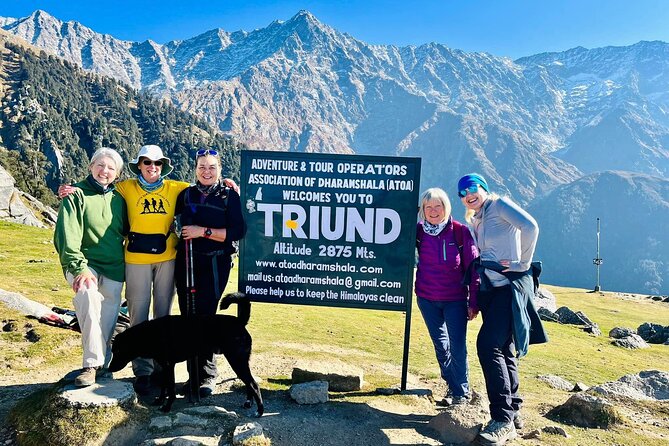
Day 8 is the turnaround: after what’s called the ultimate breakfast with a view, you start descending toward McLeod Ganj and back to Dharamsala. The schedule notes you’ll go at your own pace, which is important when your legs are tired.
Once you reach town, you get a shower and rest. That’s not a small perk. After days of trekking, a real wash can feel like a reset button.
That night, the trip finishes the day with a Tibetan-style dinner. It’s one of the ways the itinerary stays culturally grounded instead of returning to generic tourist dining. It also helps you shift gears mentally from hike mode to travel mode.
Day trip to Dharamsala: cable car, tea plantation, and the cricket stadium
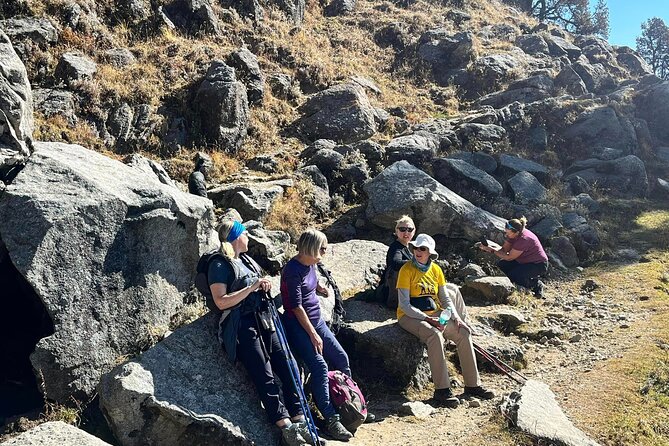
Day 9 adds variety while staying tied to the region. You take a brand-new cable car from McLeod Ganj to Dharamshala, which is a good change of pace after walking. Then you visit a tea plantation and the world-famous cricket stadium.
This is also where the itinerary becomes “India beyond the trail”. You’re still in the same area, but you’re not only thinking about hiking now. It’s a chance to see how people spend their time here, and how local life connects to wider Indian culture.
In the evening, you transfer to the railway station at Pathankot for the next leg toward Agra. That sets you up for the final icon stop.
Taj Mahal day: the icing on the cake, done with a meal and time to feel it
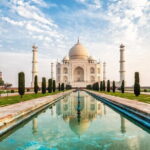
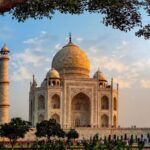
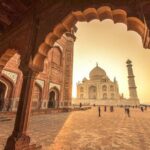
Day 10 is your Taj Mahal day. After a transfer from Agra, you get time for the visit, plus a celebration meal in the area. The Taj Mahal is one of those places where it’s easy to rush, because everyone’s excited and you want photos. The schedule here gives it a little breathing space.
There’s also a strong hint in past traveler feedback that the hotel setup has been a highlight. One review specifically praised hotels with rooftop views near the Taj Mahal area, and that kind of detail can turn a standard sightseeing day into a calmer, more memorable one.
Practical note: keep sunglasses handy and dress for heat, even outside peak summer months. The Taj Mahal’s marble can reflect strongly in daylight.
Final afternoon in Delhi: last looks, Connaught Place, and a smooth wrap
On day 11, you return to New Delhi for your last afternoon. You can fit in shopping at Connaught Place, or take a last look at preserved places. This final day is more relaxed by design, so you don’t end the trip by forcing in one more big activity.
If you want a simple close to the story, I’d spend your last hours wandering slowly rather than checking boxes. You’ll have plenty of “images” in your head from the trek, and letting Delhi unfold gently at the end feels satisfying.
Value check: what $1,463.90 covers and who it’s best for
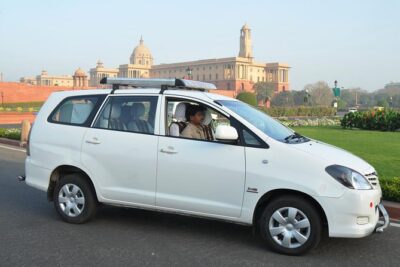
At $1,463.90 per person, you’re paying for more than transport and a hotel. You’re paying for a full package that includes train tickets, air-conditioned vehicle transfers, a lot of meals (dinners 11, breakfasts 10, lunches 5), plus the trekking logistics that most people don’t want to manage themselves.
That’s especially true on the mountain days. You’re not just hiking; you’re also camping with tents, sleeping gear, and camp food handled for you. Past traveler feedback highlighted warm, dry tents, thick mattresses, fleece-lined sleeping bags, and food cooked for you. That level of support is a major part of the value.
This trip is best for:
- People who like a real trek and don’t need daily luxury
- Travelers who want both spiritual sights and countryside time
- Those who appreciate a well-led group setup (the trip caps at 35 travelers)
If you’re the type who hates steep terrain or has a fragile walking routine, you might find this schedule demanding. The tour explicitly calls for strong physical fitness, and the Triund Hill day is described as steep and rocky.
Should you book the Dalai Lama Himalayan Trek?
I’d book it if you want a trip that balances two worlds: major India landmarks in Delhi and Agra, and then the slower, more personal side of the Himalayas around Dharamsala. The donkey-assisted camping and the way the trek is paced with rest meals make it feel like a real expedition rather than a rough adventure.
I wouldn’t book it if you want a gentle, mostly flat hike. This is a strong physical itinerary, with real climbing on Triund Hill and multi-hour walking days. Also, plan for the fact that this is non-refundable if you change your mind later.
If your goal is to see India’s spiritual edge up close, then hike until the mountains take over your attention, this one makes a lot of sense.
FAQ
How long is the Dalai Lama Himalayan Trek?
The trek is scheduled for 11 days approximately.
Where does the tour start, and when?
It starts at Indira Gandhi International Airport in New Delhi, with a 9:00am start time.
Is pickup included?
Yes. The tour notes that pickup is offered, and transfers are included for parts of the itinerary.
What’s the group size?
The maximum group size is 35 travelers.
Will there be camping during the trek?
Yes. You’ll camp next to clear, babbling springs under the night sky.
Who carries the trekking camp equipment?
Donkeys carry belongings, tents, and camp equipment between camps. You trek with day bags.
Are meals included?
Yes. The tour includes dinner (11), breakfast (10), and lunch (5).
Do you visit places beyond the Himalayas trek?
Yes. You’ll spend time in Delhi (including Akshardham Temple and the India Gate area), visit the Taj Mahal, and also explore the Dharamsala/McLeod Ganj area.
What’s the refund policy if I cancel?
The experience is non-refundable and cannot be changed for any reason; payments are not refunded if you cancel or request amendments.