REVIEW · VARANASI
Varanasi Sunrise Tour with Ganga Aarti & Free Boat Ride
Book on GetYourGuide →Operated by Lets Go Far · Bookable on GetYourGuide
Sunrise over the Ganges hits differently. This short Varanasi tour packs in Ganga Aarti at dawn and a free boat ride that gives you a calmer view of the city waking up. You’ll also visit major ghats tied to morning prayer and the cycle of life and death.
What I like most is how your local guide helps you make sense of what you’re seeing, from rituals to daily river life. The stops are timed for that early-morning stillness, plus you get a hot beverage to take the edge off the morning chill.
One thing to consider: the boat portion can feel more like a quick transfer than a long sightseeing cruise, so if you’re expecting constant close-up ghat views the whole time, your experience may vary.
Key things I’d circle before you go
- Ganga Aarti at dawn right at Dashashwamedh Ghat, when chants and fire light meet the rising sun
- A free Ganges boat ride that changes your perspective fast—river-level, not street-level
- Manikarnika Ghat with a strong emphasis on respectful viewing at a sacred cremation site
- Assi Ghat for the quieter sunrise feel, where morning prayers and yoga are common
- Harishchandra Ghat to connect the story of Varanasi’s traditions to a named historical figure
- A local guide’s context so you understand what rituals mean, not just what they look like
In This Review
- Meeting at Kashi Cafe: why early timing matters in Varanasi
- Dashashwamedh Ghat and Ganga Aarti: the dawn ritual that defines the river
- The free Ganges boat ride: calm views, but manage your expectations
- Manikarnika Ghat with respect: seeing cremation rites up close
- Assi Ghat in the morning light: prayers, calm, and space to breathe
- Harishchandra Ghat: the story behind the name
- Price and value: what $23 buys you in two hours
- What’s included, what’s not, and what you should bring
- Languages and group style: who it suits best
- Should you book this Varanasi sunrise tour?
- FAQ
- How long is the Varanasi Sunrise Tour with Ganga Aarti and a free boat ride?
- Where is the meeting point?
- What time of day does the tour run?
- Is the boat ride included?
- Which ghats are visited during the tour?
- What’s included in the price?
- What language options do you have for the guide?
- Are there any rules about behavior or alcohol?
Meeting at Kashi Cafe: why early timing matters in Varanasi
You’ll start at the entrance of Kashi Cafe, so it helps to arrive a few minutes early and avoid rushing. Dawn in Varanasi isn’t just pretty. It’s when the river activity ramps up, and ceremonies begin while the streets are still waking up.
The itinerary is only 2 hours, so timing is everything. If you show up late, you’re more likely to miss the best part of the Aarti buildup. Even if you catch the ceremony, you’ll feel less grounded, because Varanasi rituals work best when you can watch them gradually start—chants, bells, movements of lamps, people gathering.
One practical note: wear comfortable shoes. You’ll be walking around ghats, and the stone steps can be uneven. Bring water and cash, especially if you decide you want a small extra drink or snack after the tour.
Dashashwamedh Ghat and Ganga Aarti: the dawn ritual that defines the river
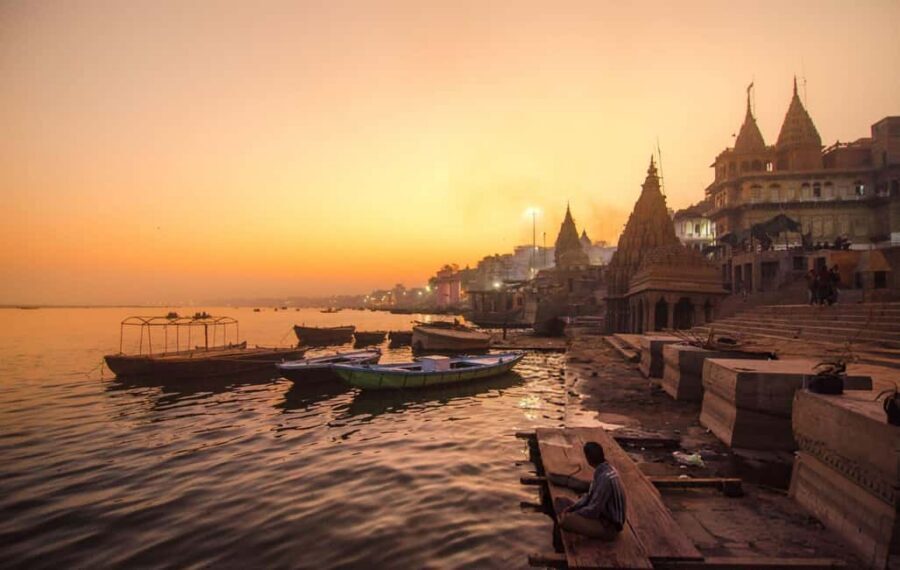
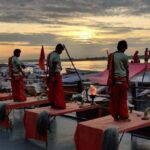
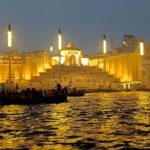
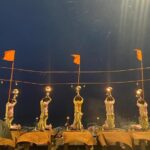
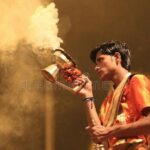
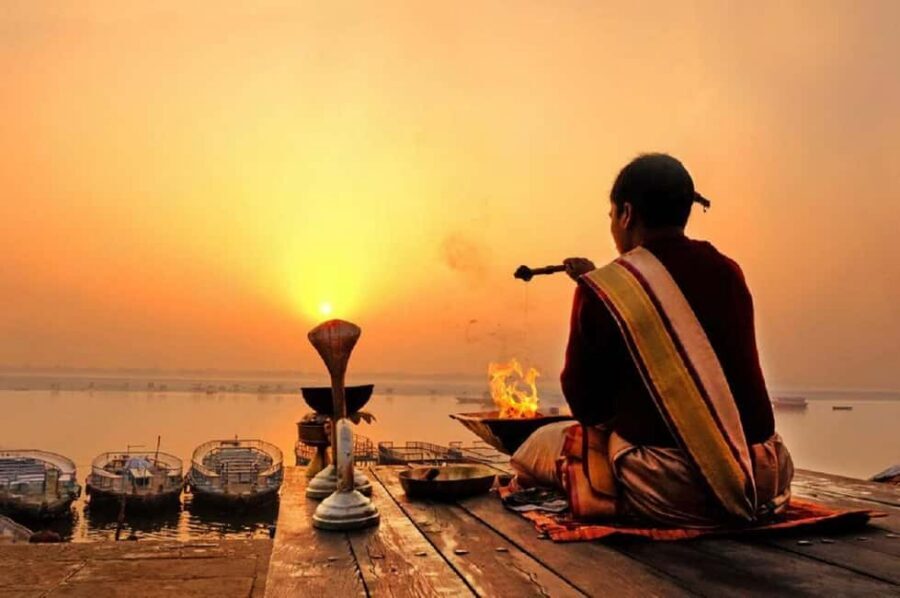
The tour begins at Dashashwamedh Ghat, one of Varanasi’s most iconic riverside spots. This is where you’ll witness the Ganga Aarti, a dawn ceremony dedicated to the Ganges.
What makes this moment special is the combination of elements:
- Fire and lamps in a dark morning frame
- Chants, bells, and priest-led rituals
- The gradual switch from night to sunrise over the water
The ceremony is included, and your guide will help translate what’s happening in simple terms. That matters, because Ganga Aarti can look like pure spectacle if you don’t know the structure. With a guide, you’re not just watching—you’re picking up the logic behind the ritual rhythm.
Also, this is an easy photo moment—without needing to stage anything. You can capture the lamps and reflections, then let the light change over the next minutes. Just be mindful of crowding and what’s allowed. The tour info flags that photography may be restricted at certain locations, so follow staff instructions if you see a sign or notice people being asked to step back.
You can also read our reviews of more boat tours in Varanasi
The free Ganges boat ride: calm views, but manage your expectations
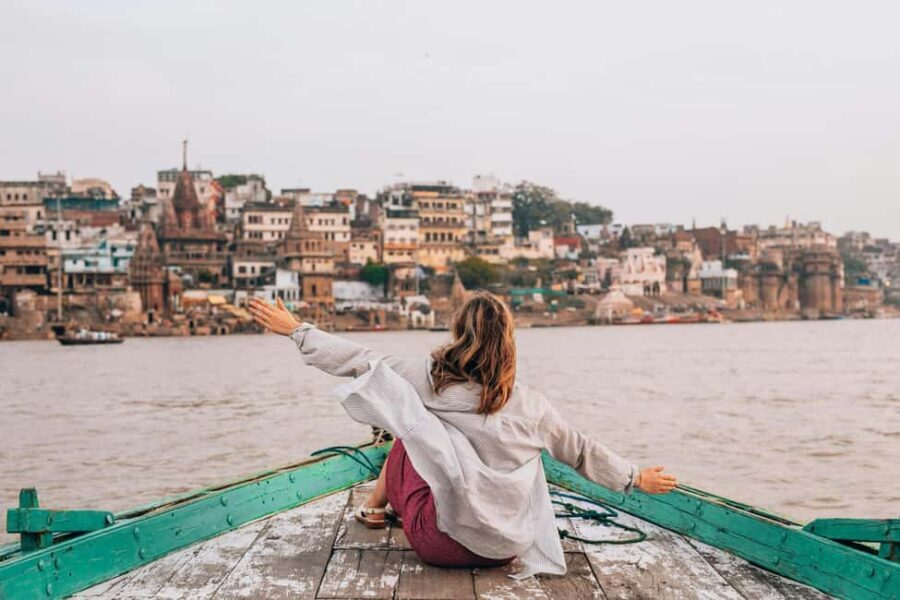
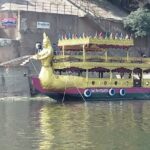
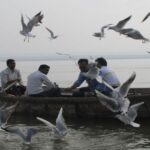
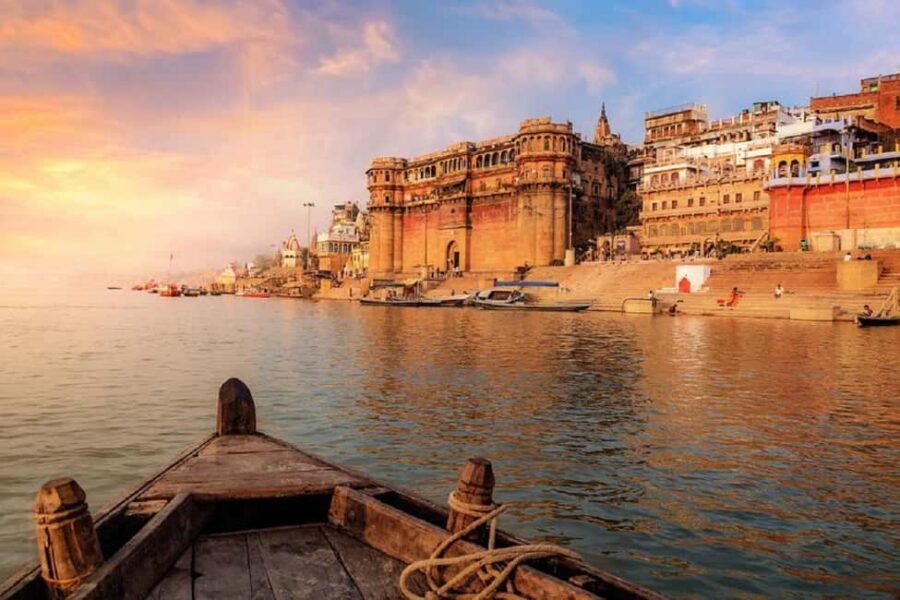
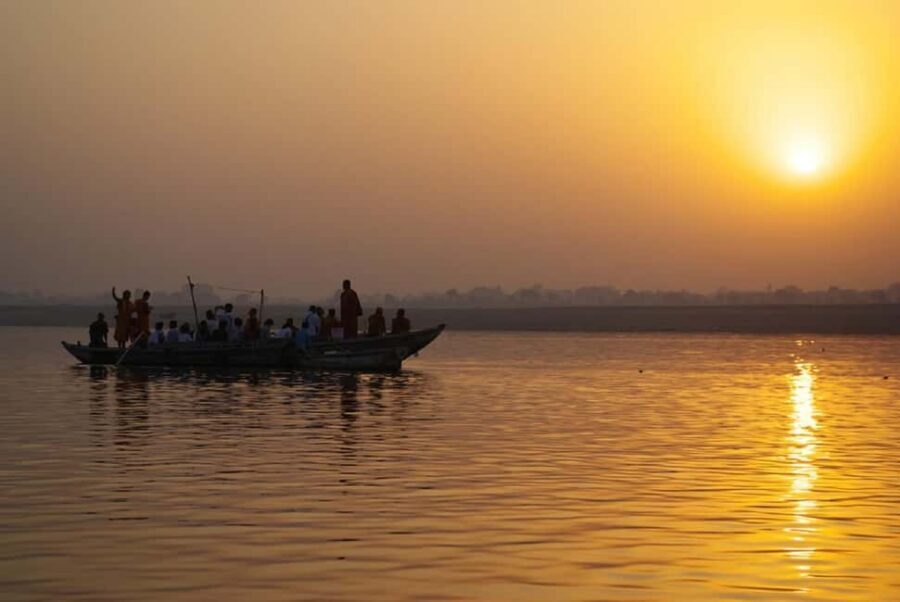
After the Aarti, you’ll hop on a free boat ride along the Ganges at sunrise. This is the kind of change of pace I personally love on short tours: you go from standing with the crowd to gliding quietly on the water.
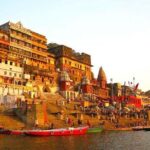
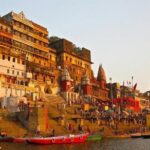
From the boat, you’ll get panoramic views of the ghats and the city waking up. On the river you can see how the ghats connect visually—how the city turns toward the water in a way streets don’t reveal.
Now, here’s the honest consideration: the boat time can feel limited, and you may not see every angle of the riverfront you hoped for. In at least one recent experience, the boat portion didn’t deliver many close, varied views and felt more like getting you to the next stop. So if your main goal is a long, slow, sightseeing-style cruise, this tour may not fully match that.
My advice: treat the boat ride as a perspective shift, not a full-day boat tour. Use it to reframe Varanasi—the river as the central stage—and you’ll likely enjoy it more.
One extra practical bonus: because the boat ride is included, you’re not adding cost or negotiating anything on your own.
Manikarnika Ghat with respect: seeing cremation rites up close
The boat ride takes you toward Manikarnika Ghat, one of India’s most significant cremation grounds. This stop is where the tour becomes emotionally serious.
The tour plans for this with a clear expectation: respectful behavior is required at cremation sites. You’re not there to treat it like a photo opportunity or a performance. You’re there to understand what Varanasi means by the cycle of life and death—and how rituals are carried out with continuity and purpose.
You can observe the unique traditions and rituals that take place here, while your guide offers context. That guidance is important because without it, the scenes can feel confusing or overly intense. With explanations, you’re more likely to understand the sequence and the cultural logic behind what you’re seeing.
Photography may also be restricted in sensitive areas, so keep your camera ready but follow rules. If someone asks you to move, step back. Don’t argue. In places like this, your job as a visitor is to behave like a guest, not an audience.
If you’re someone who prefers lighter, purely scenic experiences, this stop might feel like a lot. But if you want to see why Varanasi is more than sightseeing—if you want meaning—this is the core moment.
Assi Ghat in the morning light: prayers, calm, and space to breathe
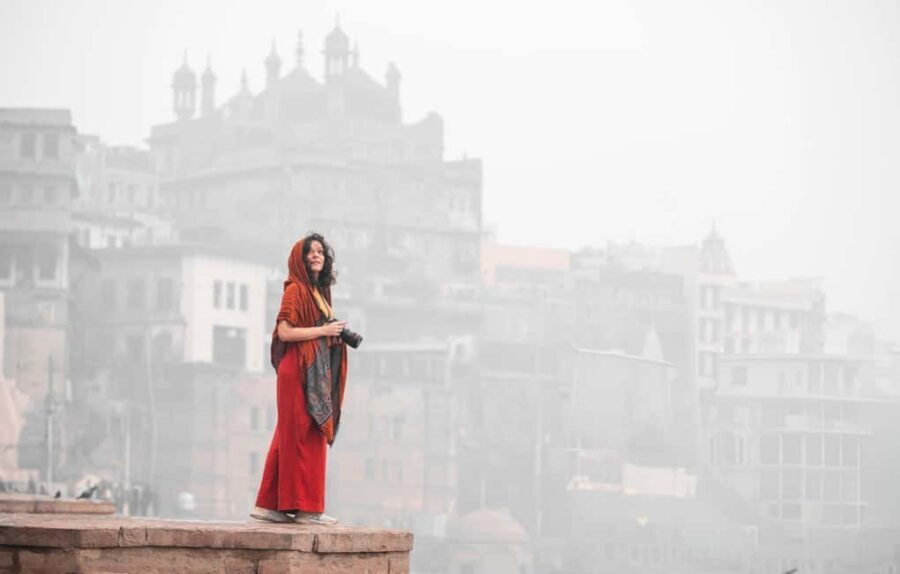
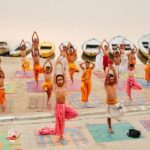
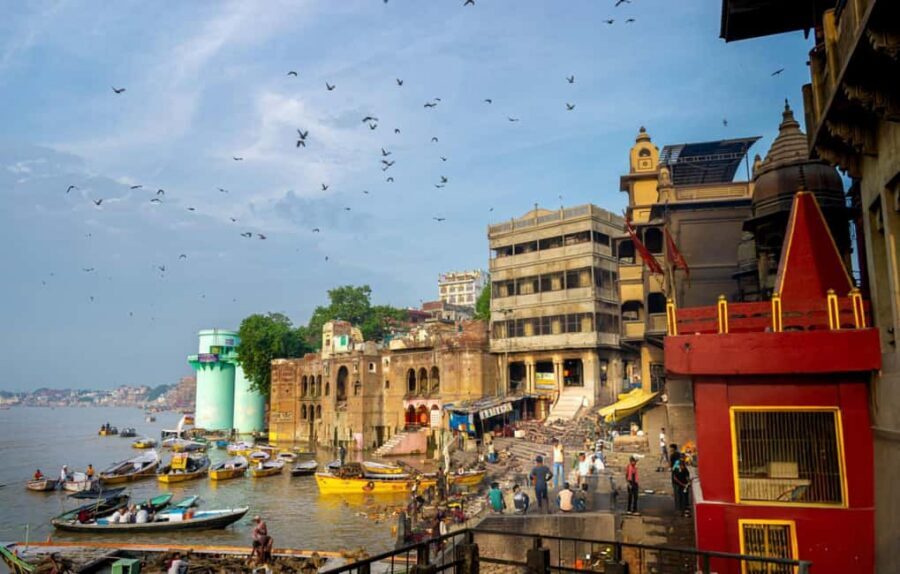
Next comes Assi Ghat, known for a more serene early-morning atmosphere. Morning prayers and rituals bring people to the river, and it’s also a popular spot for yoga and meditation at sunrise.
This is a nice contrast after Manikarnika Ghat. You go from highly ritualized cremation practices to a quieter rhythm of daily spiritual life—people preparing for the day in a way that still keeps them connected to the river.
If you want a short moment to settle your mind, Assi is where you can do it. The water is calm, the light is soft, and the energy feels more meditative. It’s also a good place to reflect on what you just learned from your guide about Varanasi traditions—because now you can see them in a gentler form.
Harishchandra Ghat: the story behind the name
Your tour ends at Harishchandra Ghat, another significant cremation site with deep cultural roots. The ghat is named after King Harishchandra, who is believed to have worked here as a keeper of the cremation grounds.
That naming detail matters because it turns the visit from a generic stop into a specific story: Varanasi isn’t just rituals happening in isolation. It’s tied to characters, legends, and roles—people who, in the tradition’s telling, helped maintain the grounds where final rites occur.
You’ll see spiritual activity blended with local life in the early morning. This end stop helps connect the dots between the ceremony you saw at dawn and the sacred work happening at the ghats.
Again, keep the same respect. If you’re sensitive to intense scenes, you might feel the emotional weight here too. But if you approach it with quiet attention, it can be one of the most meaningful parts of your day.
You can also read our reviews of more tours and experiences in Varanasi
Price and value: what $23 buys you in two hours
At $23 per person for a 2-hour experience, this tour can be strong value—mainly because of what’s included.
You’re paying for:
- Ganga Aarti observation (with guide context)
- A free boat ride on the Ganges
- Guided visits across multiple major ghats
- An included hot beverage
- A live guide in several languages (English, Hindi, Spanish, French)
In practical terms, that means you’re not arranging the ceremony, boat, and guide separately. And in Varanasi, paying for someone to connect the dots can save you time—and reduce awkward confusion, especially around sensitive areas like cremation ghats.
Is it perfect value for everyone? Not necessarily. If your top priority is a long boat sightseeing segment, you might wish the river time lasted longer. But if you want a concentrated sunrise snapshot that includes both spirituality and context, this price looks reasonable.
What’s included, what’s not, and what you should bring
The tour includes:
- A live guide in English/Spanish/French/Hindi
- One hot beverage
- Ganga Aarti ceremony
- Free boat ride on the Ganges
Not included:
- Food
- Transportation
- Personal expenses
So plan to eat separately. If you’re doing this first thing in the morning, you may want breakfast after, when you’ve got your bearings.
Bring:
- Comfortable shoes
- Camera (if allowed where you’re standing)
- Water
- Cash
And please note the rules:
- No smoking
- No intoxication
- No alcohol or drugs
These aren’t just formalities. They keep the experience respectful, especially around cremation sites.
Languages and group style: who it suits best
You can get a guide in English, Hindi, Spanish, or French, and the tour can be private or small groups.
This works well if you:
- Want a short, focused way to see key Varanasi ghats at sunrise
- Like having context so rituals make sense
- Prefer early morning energy over midday crowds
It may not be ideal if you:
- Want a long, relaxing boat cruise
- Are strongly uncomfortable with cremation-related scenes
- Need a lot of free time wandering independently (because the route is tight)
Should you book this Varanasi sunrise tour?
I’d book it if you want the essentials of Varanasi in a tight window: Ganga Aarti at dawn, a river-level perspective from the boat, and guided visits to Manikarnika, Assi, and Harishchandra with respectful framing.
Skip it (or consider a longer, different format) if you mainly want scenic boat sightseeing and long time on the water. The boat segment can be shorter than you imagine, and close views may not be constant.
If you go in with the right mindset—quiet attention, comfortable shoes, and respect for sensitive places—this 2-hour tour can be a powerful start to your day on the Ganges.
FAQ
How long is the Varanasi Sunrise Tour with Ganga Aarti and a free boat ride?
The tour lasts 2 hours.
Where is the meeting point?
You meet at the entrance of Kashi Cafe.
What time of day does the tour run?
It’s a sunrise-focused tour, starting early so you can catch Ganga Aarti at dawn.
Is the boat ride included?
Yes. The tour includes a free boat ride on the Ganges.
Which ghats are visited during the tour?
You visit Dashashwamedh Ghat for the Ganga Aarti, then Manikarnika Ghat, Assi Ghat, and finish at Harishchandra Ghat.
What’s included in the price?
The price includes a live guide (English/Spanish/French/Hindi), one hot beverage, the Ganga Aarti ceremony, and the free boat ride.
What language options do you have for the guide?
The guide is available in English, Hindi, Spanish, and French.
Are there any rules about behavior or alcohol?
Yes. Smoking and intoxication are not allowed, and alcohol and drugs are prohibited. Respectful behavior is expected at cremation sites, and photography may be restricted in certain locations.