REVIEW · VARANASI
The Ultimate 3 Days in Varanasi – How to Spend 39 Hours – For First Timers
Book on Viator →Operated by yattri · Bookable on Viator
Varanasi hits fast, then stays with you. This 3-day, private-first-timers plan strings together the big spiritual hits without making you do endless planning: Sarnath, temple time in the old city, and river moments that feel otherworldly, all paired with a scenic Ganges cruise and hotel comfort.
I especially like that it’s built around time-critical experiences (morning aarti, evening Ganga Aarti) and the schedule is guided by an English-speaking host, often described as a great guide and practical problem-solver. Another strong point is the focus on how Varanasi is lived day to day, not just photographed—ghats in the early light, temple corridors, and the Banaras crafts side with a shopping stop that’s not pushy.
One consideration: the pace can feel tight. A few people noted feeling rushed, and hotel quality didn’t land the same for everyone—so if you prefer slow wandering with long stops, ask your guide to help you adjust time on the spot.
In This Review
- Key Highlights Worth Your Time
- Why 39 Hours in Varanasi Makes Sense for First Timers
- How the Private Guide Makes or Breaks Varanasi
- Day 1: Sarnath, Sarnath Museum, and Your First Ganga Aarti
- Sarnath: Buddha’s First Sermon Area
- Sarnath Museum: Ashoka’s Lion Capital
- Ganga Aarti on the River
- Blue Lassi and Street Morning-Breakfast Energy
- What could feel awkward on Day 1?
- Day 2: Assi Ghat Sunrise, Manikarnika Cremation Ghats, and Kashi Vishwanath
- Assi Ghat Morning Aarti + Boat Ride
- Manikarnika Ghat: A Guided Reality Check
- Kashi Vishwanath Temple: Temple Corridor to Shiva’s Door
- Banaras Hindu University (BHU) City Tour Stops
- Lallapura Muslim School Road: Shopping for Banarasi Sarees
- Day 2 pacing watch-out
- Day 3: A Leisure Morning and Airport Drop-Off
- Hotel, Breakfast, and What the Inclusions Really Mean
- Price and Value: Is This Plan Worth $115.74?
- How to Prepare for Ghats, Temples, and Early Mornings
- Who This Tour Suits—and Who Might Want a Different Pace
- Should You Book This 3-Day Varanasi Plan?
- FAQ
- What’s included in the tour price?
- Do I get airport transfers?
- Is this tour private or shared?
- Which days have the boat and aarti experiences?
- What should I bring for Kashi Vishwanath Temple?
- Is there free cancellation?
Key Highlights Worth Your Time
- Ganga Aarti at the river: evening ritual time is the emotional core of this trip
- Hand-rowing boat ride: early morning on the river, plus a guided stop at Manikarnika Ghat
- Sarnath + Sarnath Museum: first-sermon Buddhism history plus the Ashoka Lion Capital displayed locally
- Kashi Vishwanath Temple visit: the temple corridor leading you to a major Shiva site
- BHU city tour stops: Bharat Mata Temple, Sankat Mochan (Hanuman temple), Manas Mandir, and BHU grounds
- Hotel with breakfast + daily mineral water: comfort built into a short, packed schedule
Why 39 Hours in Varanasi Makes Sense for First Timers
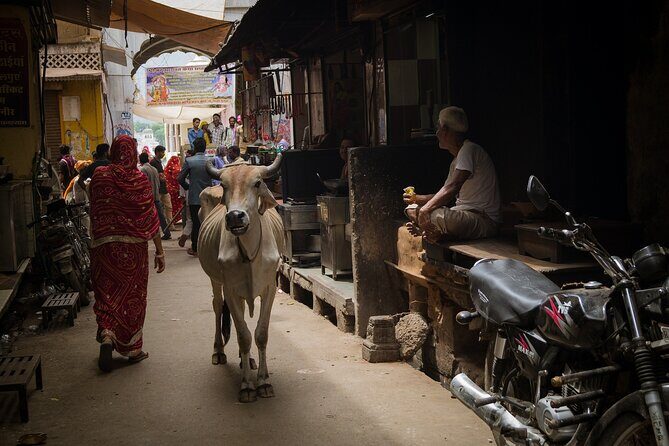
Varanasi is one of those places where you don’t just need sightseeing—you need timing. The good stuff often happens at specific hours, especially around the river. That’s why this plan is structured around morning and evening rituals, with the rest of the day filled by major sites that are easiest to enjoy with a guide and local navigation.
You’ll also notice it’s designed to reduce decision fatigue. You’re not bouncing between half a dozen independent bookings. Instead, you get private transportation, an English-speaking tour guide, and a simple rhythm: arrive, settle, do your core river experiences, then add temples and a bit of culture plus crafts.
If you like having a plan but still want room to breathe, this tour’s private nature helps. It says the tour can be customized to your preferences, which is valuable in Varanasi, where your comfort level (crowds, walking, pace) can change hour to hour.
You can also read our reviews of more tours and experiences in Varanasi


How the Private Guide Makes or Breaks Varanasi
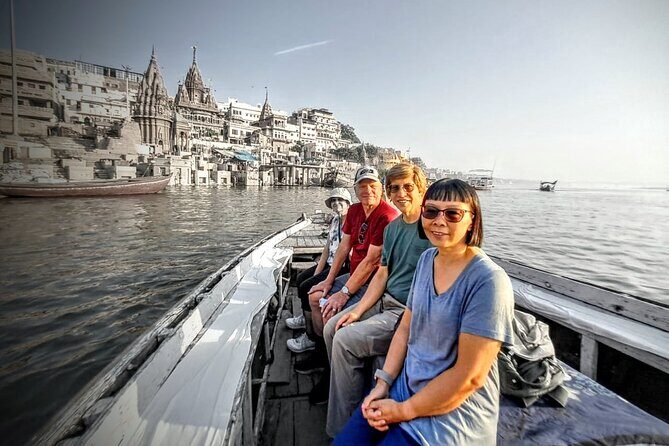
In Varanasi, a good guide is more than interpretation. It’s how you avoid wasting time, how you stay safe in crowds, and how you keep the day moving at the right pace for rituals.
This tour includes an English-speaking guide and private transportation throughout, and that matters because the city can feel like a maze when you’re trying to find ghats, temple corridors, and meeting points. In feedback, guides such as Sonny, Ricky, Arvind, and Raj come up as standout hosts—people who were on time, friendly, and willing to adjust.
Drivers also get credit in the same way you’d expect from a smooth city plan. Names like Balbu and Abhishek were praised for careful driving and punctual pickups. In practice, that means you spend more time where you came for and less time stuck waiting outside in heat or traffic.
That said, the one repeated caution is pacing. Even with a great guide, a schedule packed with multiple ghats and temples can feel rushed if you want to linger. My advice: when you feel you need more time—at a ghat overlook or inside a temple corridor—tell your guide early, not at the last minute. The earlier you flag it, the more likely your day can flex.
Day 1: Sarnath, Sarnath Museum, and Your First Ganga Aarti
Your first big day starts with the practical stuff: pickup from the airport or railway station, then direct transfer to the hotel for check-in. That first handoff is key because Varanasi doesn’t start gently. Even before sightseeing, you’re already in a city where getting bearings matters.
Sarnath: Buddha’s First Sermon Area
After a fresh-up at the hotel, you head to Sarnath, about 20 km away. This is where Buddhism began, with the story that Buddha preached his first sermon to his five apostles. You’ll spend time in the area with the guide connecting the site to that larger history, which is especially useful if you don’t know the background already.
Admission note: Sarnath entrance fees are listed as not included in the tour package. Plan for that cost so there’s no surprise.
Sarnath Museum: Ashoka’s Lion Capital
Next comes Sarnath Museum for about an hour. This stop is where you’ll see remaining monasteries and the beautifully polished Lion Capital of Ashoka displayed locally. It’s a nice contrast to temple and street visuals: more grounded, more objects, less crowd-pressure.






Ganga Aarti on the River
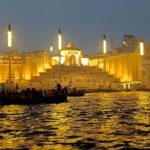
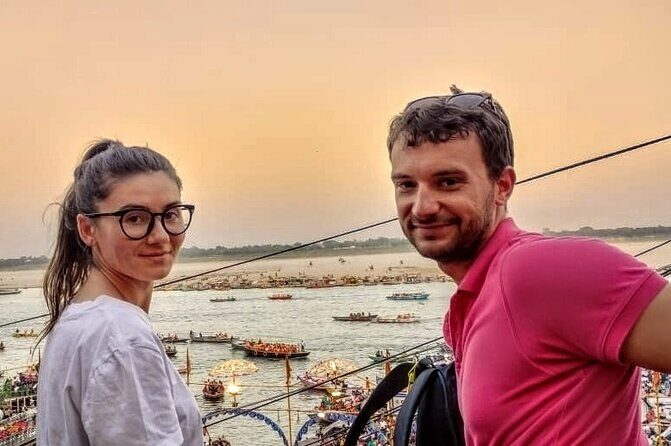
Evening is the moment most first-timers remember. You’ll head to the river to witness Ganga Aarti, described as a grand event and typically the highlight day one anchors. The tour includes admission for this segment.
One thing to know from real-world experience: there can be add-ons for better viewing. Some people mentioned paying extra for better seats for the Ganga Aarti, so if your priority is a top view, ask your guide what options exist once you arrive near the river. Waiting until the last minute can make choices more expensive or limited.
Blue Lassi and Street Morning-Breakfast Energy
After the emotional river ritual, you’ll head to the Blue Lassi Shop area and a street-food style stop for a Banarasi kachori experience, plus lassi. This isn’t a random detour. It’s how you taste normal Varanasi life: narrow lanes, quick bites, and the kind of local flavors that sit between tourism and daily routine.
What could feel awkward on Day 1?
The main tension is emotional intensity. Ganga Aarti can be overwhelming in a good way, but it’s still a lot in one day after travel and setup. If you’re sensitive to crowds or sensory input, pace yourself with water breaks and keep your expectations flexible.
Day 2: Assi Ghat Sunrise, Manikarnika Cremation Ghats, and Kashi Vishwanath
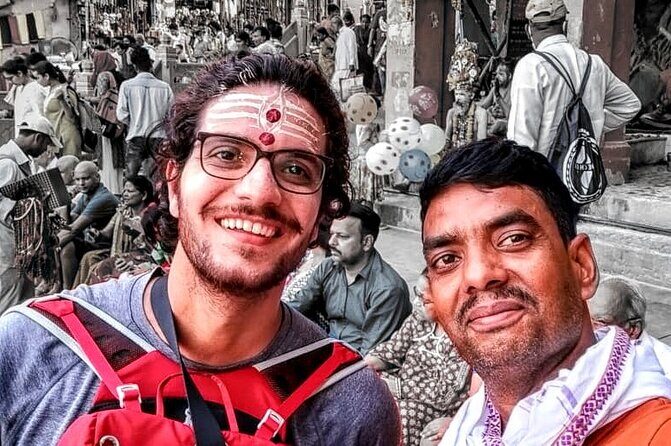
Day 2 starts early, because Varanasi has two different personalities. Morning is calmer and more ritual-focused; later it becomes busier and faster-moving.
Assi Ghat Morning Aarti + Boat Ride
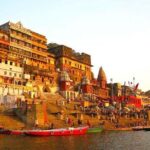
You go to Assi Ghat for morning Aarti connected with the welcoming sun god. The tour description says you may see Havana, aarti, and yoga. Then you’ll take a boat ride on the Ganges.
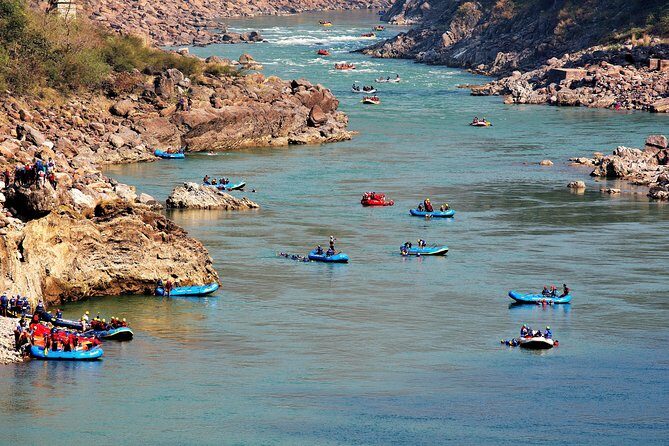
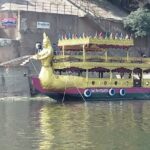
The package includes a hand rowing boat in the morning, which is one of those small details that can matter. Motorized boats tend to move quicker and feel more like sightseeing. Hand rowing often gives you a slower, quieter feeling—time to notice details on the water and along the ghats.
This portion includes admission for the morning aarti.
Manikarnika Ghat: A Guided Reality Check
The boat ride drops you at Manikarnika Ghat, and you get a guided visit and explanation about the place. Manikarnika Ghat is the site where cremation takes place, and the tour notes it’s the only place in the world where cremation takes place—take that wording as the tour’s emphasis, because it’s meant to underline how central this location is.
After that, you take a walk. This stop isn’t just history—it’s lived spirituality and life-and-death ritual in view. If you’re uncomfortable with that topic, go gently. Don’t feel pressured to stand right at the center of activity.
Kashi Vishwanath Temple: Temple Corridor to Shiva’s Door
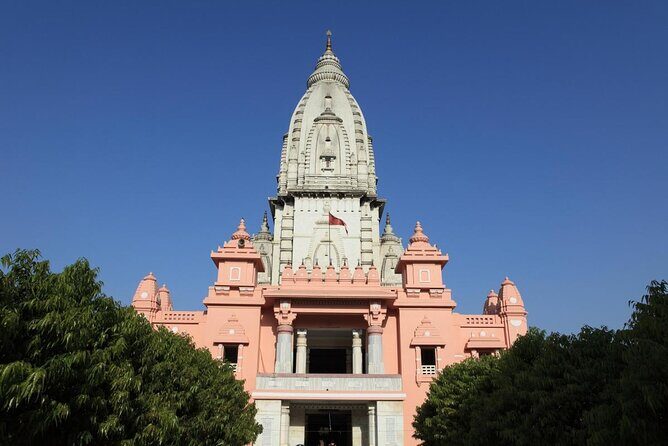
Next comes Shri Kashi Vishwanath Temple, often described as the Golden Temple. The tour includes time for walking the Kashi Vishwanath Corridor to reach the temple. A key fact included here: it was reconstructed in 1780 by Maharani Ahilyabai Holkar of Indore.
There’s also a note to carry your passport for this temple visit (the original note is cut off, but it clearly asks for passport). If you only pack a photocopy or a digital photo, that note is your cue to bring the real document.
Banaras Hindu University (BHU) City Tour Stops
After breakfast, you transition to a “city tour” with stops connected to major places around BHU grounds and nearby temples:
- Bharat Mata Temple
- Sankat Mochan (Hanuman temple)
- Manas Mandir
- Banaras Hindu University (BHU)
This part adds variety, which matters in Varanasi. Without a stop like BHU, the trip can feel like nonstop religious sites. BHU brings a different setting: educational grounds and viewpoints, plus a chance to breathe and shift gears.
Lallapura Muslim School Road: Shopping for Banarasi Sarees
Later, you go to Lallapura Muslim School Road for an area-based visit where you can shop for souvenirs and see the making of world-famous Banarasi handmade sarees. The tour description stresses there’s no forcing you to buy anything, which is a big deal in any shopping situation.
This is also a reminder that Varanasi isn’t only temples and ghats. It’s communities, crafts, and daily life. If you like practical souvenirs—things you can actually use back home—this is a good place to look.
Day 2 pacing watch-out
If you like long pauses for photos and quiet reflection, the tight schedule can feel rushed. One mixed experience included that sense of being pushed along and not having enough time at the ghats. Your best move: set your priorities at the start of Day 2 and communicate them to your guide.
Day 3: A Leisure Morning and Airport Drop-Off
Day 3 is lighter by design. After breakfast, you get a morning at leisure to explore Varanasi by yourself.
The key logistics detail: a vehicle is provided only for airport transfers. So don’t expect day three to be another full guided loop. Instead, think of it as a buffer day—time to return to a place you loved, do last-minute wandering, or simply enjoy a slower pace before flying out.
Then you check out and get dropped at Lal Bahadur Shastri International Airport.
This kind of wrap-up day can be a blessing. Varanasi can wear you down with walking, heat, and crowd density. A morning with less structure helps you finish strong without forcing one last “must-see” that you don’t have energy for.
Hotel, Breakfast, and What the Inclusions Really Mean
This tour includes accommodation in a 4/5-star hotel with breakfast (it notes bed-and-breakfast if you book with the hotel). You also get mineral water every day, plus private transportation and an English-speaking guide.
Some admissions and segments have different inclusion rules:
- Sarnath entrance fee is listed as not included.
- Ganga Aarti includes admission.
- Assi Ghat morning aarti includes admission.
- The boat ride and Manikarnika guided visit include admission as part of those stops.
- Sarnath Museum admission is listed as not included.
Now, about the hotel: most comfort value comes from consistency, and that didn’t land the same for everyone. One feedback note said the hotel was not very nice, even though the guide and driver were excellent. That tells me you should set your expectations as “better-than-budget comfort, but not guaranteed luxury.” If you’re picky about hotel style, ask for details when you book.
Price and Value: Is This Plan Worth $115.74?
At $115.74 per person for roughly 3 days, the value is mostly about what’s bundled: a private guide, private transportation, hotel with breakfast, river time, and two major aarti experiences.
You’re not just paying for sightseeing. You’re paying to have someone else handle time-critical movements in a city where the river and temples can eat your day fast. The included boat ride (hand rowed), the Ganga Aarti admission, and the morning aarti with boat timing are usually the hardest parts to coordinate solo.
Where costs can pop up are admissions (like the Sarnath entrance fee) and any optional add-ons (like better Ganga Aarti seating options mentioned in feedback). If you plan for those extras, the rest of the package looks like good value for a first-timer window.
The other advantage is the private setup. Even if it’s booked as a group at a travel platform level, the tour is described as private for your group. That typically means fewer compromises on pace and route choices than a bus tour.
How to Prepare for Ghats, Temples, and Early Mornings
This tour asks you to move. Not just walk, but switch modes: hotel → Sarnath → museum → river ritual, then back to early morning ghats, then temple corridor time, then BHU stops, then a leisure morning.
A few preparation ideas that match what this plan requires:
- Bring your passport for the Kashi Vishwanath Temple note. It’s explicitly mentioned.
- Plan for early starts on Day 2. The Assi Ghat timing means you’ll be up and out.
- Pack light but practical for walking around ghats and temple corridors.
- Have a flexible mindset about pace. If you want more time at a specific ghats moment, tell your guide early rather than later.
And a simple sanity check: Varanasi is a place where the river and crowds set the mood. If you go in expecting everything to feel calm and orderly, you’ll spend energy fighting the vibe. If you go in expecting intensity and meaning, the trip tends to land.
Who This Tour Suits—and Who Might Want a Different Pace
This plan fits best if you:
- are a first-timer who wants the big spiritual highlights with less planning stress
- like a mix of Buddhism history (Sarnath) and Hindu ritual focus (ghats and Kashi Vishwanath)
- appreciate private guiding and want help navigating logistics
- want at least one true “river moment,” not just temples on a checklist
It may be less ideal if you:
- need lots of free time to wander without a schedule
- strongly dislike being rushed between multiple sites in one day
- are very sensitive to hotel quality differences (since one feedback note wasn’t happy with the hotel)
If you’re torn, a good compromise is using the guide flexibility option early. Tell them what you want most: the best Ganga Aarti viewing, more time at a specific ghat, or extra temple corridor time.
Should You Book This 3-Day Varanasi Plan?
I’d say yes if your priority is a guided, structured introduction to Varanasi’s spiritual core: Sarnath plus museum, morning ghats with boat time, and evening Ganga Aarti. The included hotel with breakfast and airport transfers also lower the stress level when you’re arriving in a place that can feel overwhelming right away.
I’d hesitate if you’re very price-sensitive to optional add-ons, very hotel-picky, or you want long unstructured hours at the river. In that case, ask ahead about hotel specifics and how flexible the guide can be with timing, especially around ghats.
If you choose it, treat it like a focused “first taste” rather than a slow travel dream. For many first-timers, that’s exactly the sweet spot.
FAQ
What’s included in the tour price?
The tour includes private transportation, a 4/5-star hotel with breakfast (if you book with the hotel), mineral water daily, an English-speaking tour guide, a hand rowing boat ride in the morning, and breakfast (2). Some admissions are not included, such as Sarnath entrance fee.
Do I get airport transfers?
Yes. The tour includes hassle-free airport arrival and departure transfers, with pickup from the airport or railway station and drop-off at the airport on the last day.
Is this tour private or shared?
This is a private tour/activity. Only your group participates.
Which days have the boat and aarti experiences?
Ganga Aarti is on the evening of Day 1. On Day 2 you’ll do a morning aarti at Assi Ghat and then take a boat ride on the Ganges, including a stop at Manikarnika Ghat.
What should I bring for Kashi Vishwanath Temple?
The tour notes that you should carry your passport for the Kashi Vishwanath Temple visit.
Is there free cancellation?
Yes. You can cancel for a full refund up to 24 hours in advance. If you cancel within 24 hours of the start time, the amount paid isn’t refunded.