REVIEW · AGRA
Agra: Street Food Walking Tour, Spice Market, & Tuk-tuk Ride
Book on GetYourGuide →Operated by Classic Tours India · Bookable on GetYourGuide
Old Agra has a pulse. This Agra street food walking tour mixes a tuk-tuk ride with a guided wander through places most people skip, from Jama Masjid to the Mankameshwar Temple, then ends at spice and snack stops like Rawatpara and Seth Gali. I especially like how guides like Farmaan and Amir help you read the lanes, so you don’t just feel lost in a market maze. I also like the hands-on food sampling, including samosa, dhosa or chole bhature, aloo tikki, pani tikki, and sweets.
One heads-up: you are on your feet for a good chunk of the time, about 90 minutes of walking, and the late-day crowds and traffic can feel intense. If you’re the type who wants to sit still and watch, this probably won’t match your style.
In This Review
- Key picks before you go
- Why This Old Agra Street Food Tour Works So Well
- Getting There: Tuk-Tuk Pickup and the Timing That Makes Sense
- Kinari Bazaar: Jewelry, Textiles, and Your First Market Lesson
- Jama Masjid: Mughal Architecture and Mosque Etiquette
- Mankameshwar Temple: A Shiva Temple You Feel in the Streets
- Rawatpara Spice Market: Turning Scents Into Shopping Confidence
- Seth Gali Street Food: The Sampler That Can Become Dinner
- What You Pay: Value at About $14 (and What’s Missing)
- Walking, Traffic, and Comfort Tips That Actually Help
- Potential Hiccups: Art Stops and Sales Pressure
- Should You Book This Agra Street Food Walking Tour?
- FAQ
- How long is the Agra street food walking tour?
- What’s the price for the tour?
- What stops are included during the walking and sightseeing?
- Do I get hotel pickup and drop-off?
- Is there a tuk-tuk ride during the tour?
- What street food will I try?
- Are entrance tickets included for monuments?
- Are drinks included?
- What should I wear for the mosque and temple visits?
- What cancellation options are available?
Key picks before you go
- Tuk-tuk pickup and drop-off keeps you from wrestling with Agra traffic on your own
- Old Agra route adds Mughal landmarks like Jama Masjid plus a Hindu temple on the same walk
- Rawatpara spice market turns smell into shopping sense, with guided stops for tastings and chai
- Seth Gali street food sampler focuses on several local favorites, not one big restaurant meal
- Comfort-first plan: cover shoulders and knees for temple and mosque visits, bring comfy shoes
- Optional food included: sweets and snacks depend on the option you choose
Why This Old Agra Street Food Tour Works So Well
If you’re doing the Taj Mahal at some point, you’ll still need the other side of Agra. This tour is that other side: narrow lanes, local religious sites, and food that looks like it’s been feeding Agra for decades. You’re not just passing through. You’re walking with a guide who knows where to stand, when to move, and what to ignore.
I like that it’s built around small, practical experiences rather than a checklist. Yes, you get major sights like Jama Masjid and the Mankameshwar Temple. But the real value is how the route links those landmarks with everyday Agra life—markets, chai breaks, and snack stalls.
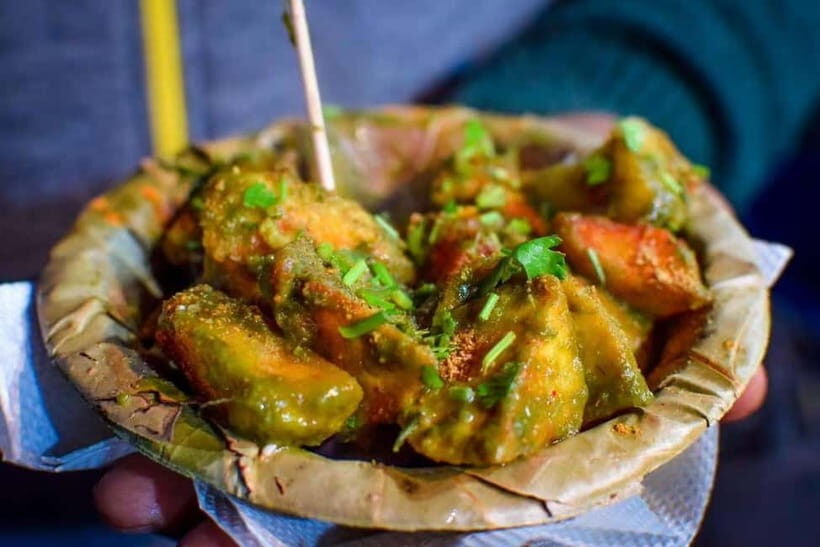
You also get a built-in strategy for street food. Instead of guessing what’s safe, what’s popular, and what you can’t miss, the guide steers you toward classic orders like samosa, aloo tikki, and pani tikki. It makes the whole “street food” part feel less risky and more fun.
You can also read our reviews of more walking tours in Agra

Getting There: Tuk-Tuk Pickup and the Timing That Makes Sense
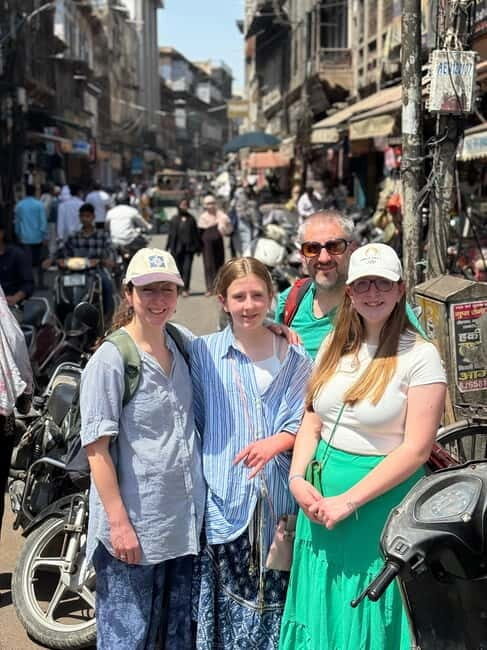
Your tour starts with pickup from your hotel or another chosen spot in Agra. Then you hop into a tuk-tuk for short transfers. The riding matters because Old Agra’s streets are not designed for easy wandering—traffic is chaotic, and lanes can be confusing.
Start times are season-based: in winter, you’re usually heading out between 2 p.m. and 4 p.m.; in summer, it’s more like 4 p.m. to 6 p.m. That’s a sweet spot. It’s late enough to see the city in motion, but early enough that you’re not stuck in full night mode while still walking.
The typical flow feels like: a bit of driving, a guided visit, then walking through lanes that turn into markets. Expect short visits and frequent direction changes. If you’ve never walked in a dense bazaar before, this kind of “guided chaos” is the whole point.
Kinari Bazaar: Jewelry, Textiles, and Your First Market Lesson
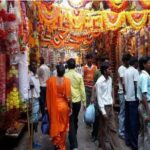
The tour visits Kinari Bazaar, one of those places where you instantly understand why shopping here is a sport. You’ll see jewelry, textiles, and handicrafts lined along narrow lanes. The guide’s job is more than pointing and translating—it’s helping you see how the market is organized so you don’t waste time or get pressured.
This is also where the senses start working. You’ll pick up the smell of Indian spices soon enough, but the market itself trains your eye first. Notice how vendors group similar items, how bargaining works in a normal way (not an aggressive way), and how quickly traffic moves through pedestrian space.
One practical tip: give yourself permission to browse without buying. Even if you plan to shop later, this first bazaar stop helps you figure out what you actually want—teas, spices, embroidery, or just a small souvenir that won’t weigh down your bags.
Jama Masjid: Mughal Architecture and Mosque Etiquette
Next comes Jama Masjid, including a photo stop and a guided visit. This is one of the biggest draws, and for good reason. You’ll see Mughal-style architecture up close and learn what to notice when you’re standing in the right place.
Also, remember the clothing rules. You’ll need clothes that cover knees and shoulders because you’re visiting both mosque and temple. It’s not just a formality—these sites still operate on local religious expectations.
From a practical standpoint, the mosque part also teaches you how to behave in active religious spaces. Your guide can help you figure out where to stand, when to move, and how to keep a respectful distance while still getting good views. It’s a good moment to slow down, take photos, and get oriented before you go back into the market lanes.
Mankameshwar Temple: A Shiva Temple You Feel in the Streets
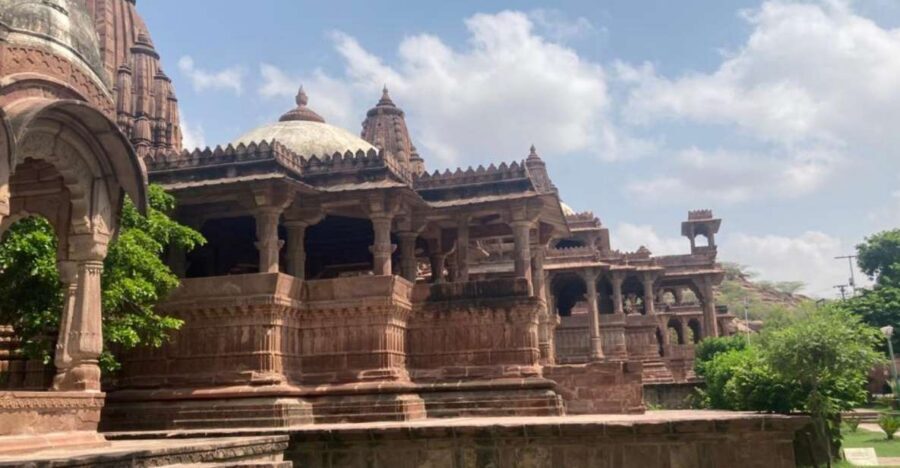
After Jama Masjid, you walk to the Shri Mankameshwar Mandir, dedicated to Lord Shiva. This stop is smaller than the headline religious sites you might already have on your Agra list, which is exactly why it feels special. It’s a lived-in place of faith rather than a “photo-only” stop.
The temple visit fits the same etiquette rules as the mosque: covered shoulders and knees, and respectful behavior. Your guide will point out what matters so you’re not just looking at stone—you’re learning how the space connects to the surrounding neighborhood.
In real terms, this stop also breaks up the intensity of markets. One minute you’re in a lane full of commerce; the next you’re in a place where locals slow down and focus. It changes the pace of the evening, and that matters when you’re walking for hours.
You can also read our reviews of more food & drink experiences in Agra




Rawatpara Spice Market: Turning Scents Into Shopping Confidence
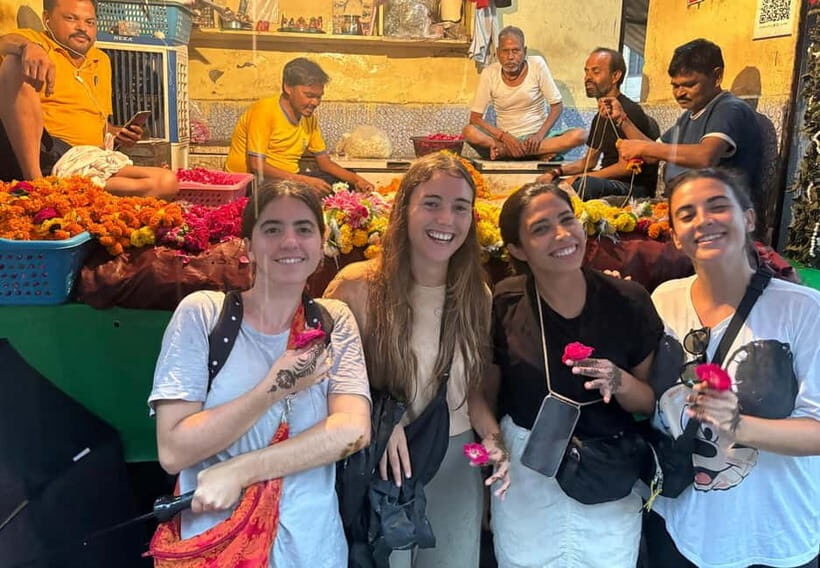
Now for the sensory part. Rawatpara is a spice market stop where the colors and aromas do half the explaining. You’ll see spice stalls close up, learn what different spices are used for, and get a chance to taste or pause for masala tea (often served in a clay pot, depending on the stop).
This is where a guide earns their keep. Without one, you might wander and still miss what people here actually buy and why. With a guide, you get context: how spices show up in local cooking, what gets used often, and what makes certain blends different.
It’s also a practical shopping zone. If you want spice mixes, teas, or small packaged items, this is the kind of stop where buying feels less random. Just go in with a plan: decide your budget, and choose one or two things you’ll actually use at home.
Seth Gali Street Food: The Sampler That Can Become Dinner
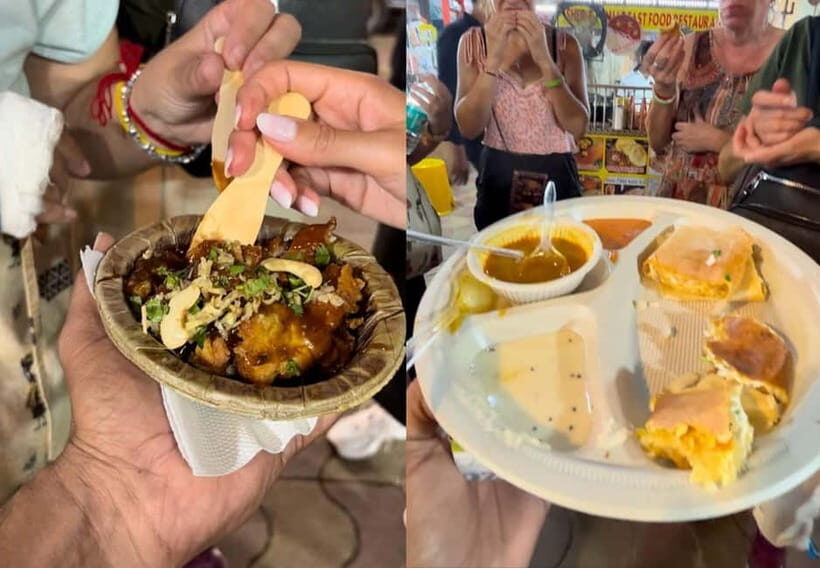
The tour’s food focus centers on Seth Gali, plus additional snack time around Rawatpara. This is where you’ll try classic Agra street foods like samosa, dhosa or chole bhature, aloo tikki, pani tikki, and sweets. You may also get chai along the way.
Call it what it is: a street-food sampler, not a full restaurant meal. Even so, several people find the snacks plentiful enough to count as dinner. The pacing is part of the design—eat small portions across multiple stops so you can compare flavors without getting overwhelmed.
Seasonal sweets show up too. In winter, you might catch something like gajar ka halwa, which only appears in cooler months. You might also try dishes such as bhalla served with curry in a side alley setting.
One helpful mindset: street food is not about perfection. It’s about experience. Expect busy stalls, fast service, and food that looks simple but tastes layered. If you’re cautious about very bold flavors, start with the milder items your guide suggests and work your way up.
What You Pay: Value at About $14 (and What’s Missing)
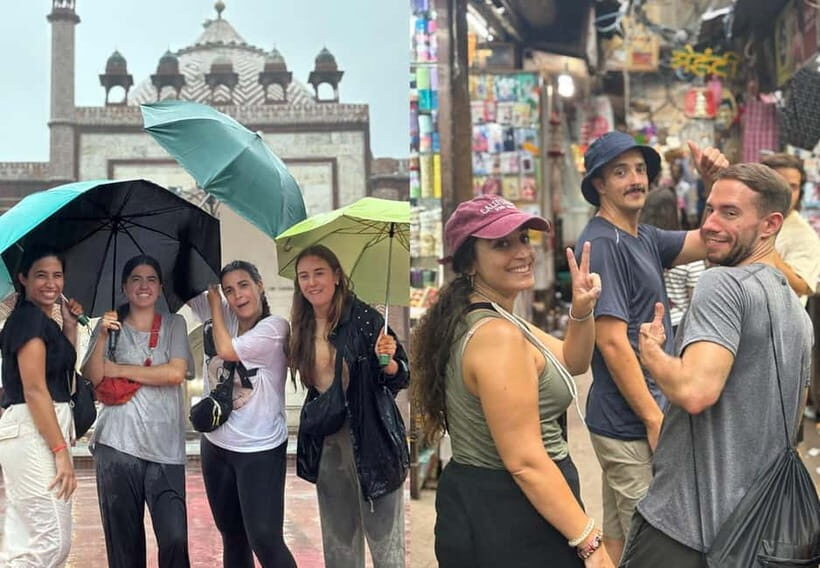
At around $14 per person, the value comes from the mix of transportation + guiding + access. This isn’t only “food for cheap.” You’re paying for hotel pickup and drop-off, a private local guide, and tuk-tuk transfers that get you into Old Agra without playing traffic roulette.
What’s not included matters for planning:
- Monument entrance tickets are not included
- Drinks are not included
- You may have the benefit of skipping the ticket line, but entrance fees themselves are still separate
Also, food inclusion can vary. Street food snacks and sweets are included only if you selected that option. If you chose the version without food included, you’ll likely be spending a bit out of pocket anyway to try the same famous dishes.
My advice: choose food-included if this is your main food plan for the evening. If you already have a restaurant reservation, you can decide whether you want snacks now or spend that money elsewhere.
Walking, Traffic, and Comfort Tips That Actually Help
This tour involves a walk that can total around 90 minutes, plus shorter transfers by tuk-tuk. The walking is not just “nice strolling.” It’s market-lane walking: uneven surfaces, crowds, and quick turns.
Bring comfortable shoes. If you’re wearing sandals you love but haven’t broken in, save them for later. Also dress for religious stops: covered knees and shoulders. Lightweight layers help because indoor/outdoor temps can shift quickly.
Safety is handled by the guide and driver. People describe feeling cared for in traffic and watched out for when navigating busy areas. Still, keep your own common sense: hold your bag close, don’t slow down in the middle of lanes, and keep your phone ready only when you’re standing still.
Not suitable for everyone either. If you’re pregnant or have a pre-existing medical condition, this route may be too much due to walking and city conditions.
Potential Hiccups: Art Stops and Sales Pressure
One thing I want you to expect: this kind of Old Agra tour often includes a craft or artisan stop. Sometimes it’s a fair chance to see how items are made. Other times, it can turn into a high-pressure sales pitch, where you feel responsible for buying before you’re ready.
Marble and rock craftsmanship came up in some experiences, and there are also mentions of visits to places that can sell hard, especially for rugs or decorative items. I’m not saying every stop is pushy. I am saying you should plan for it.
If shopping is your thing, great—go see how they work, then buy something small and meaningful. If shopping isn’t your thing, keep it simple:
- set a budget in your head before you arrive
- politely browse and don’t let anyone pressure you into urgency
- if you want to keep walking, ask your guide to help you move on
A good guide protects your time. The route should feel like a tour, not a retail trap.
Should You Book This Agra Street Food Walking Tour?
Book it if you want:
- Old Agra flavor without getting stuck alone in maze streets
- a mix of markets + major religious landmarks like Jama Masjid and Mankameshwar Temple
- a guided street-food sampler that includes recognizable favorites
Skip it or choose another option if:
- you hate walking and would rather sit most of the evening
- you want a strict, food-only plan with zero shopping detours
- you can’t manage crowded lanes and traffic conditions
If you’re pairing Agra with a Taj visit, this is the perfect contrast. One half is iconic monuments. The other half is real city life—spices in the air, chai in your hands, and the kind of street energy that doesn’t show up from a ticket office.
FAQ
How long is the Agra street food walking tour?
It runs for about 2 to 3 hours.
What’s the price for the tour?
The price is listed at $14 per person.
What stops are included during the walking and sightseeing?
You visit Jama Masjid, Shri Mankameshwar Mandir, Seth Gali, Rawatpara Road, and Kinari Bazaar.
Do I get hotel pickup and drop-off?
Yes. Pickup and drop-off are included from your hotel or another agreed location in Agra.
Is there a tuk-tuk ride during the tour?
Yes. The transfer is done by tuk-tuk.
What street food will I try?
You may sample items such as samosa, dhosa or chole bhature, aloo tikki, pani tikki, sweets, and masala tea in a clay pot.
Are entrance tickets included for monuments?
No. Monument entrance tickets are not included.
Are drinks included?
Drinks are not included.
What should I wear for the mosque and temple visits?
Wear clothes that cover your knees and shoulders.
What cancellation options are available?
Free cancellation is available up to 24 hours in advance for a full refund.