REVIEW · VARANASI
Varanasi: Full-Day Tour of Temples, Sarnath and Aarti
Book on GetYourGuide →Operated by INDIATOR · Bookable on GetYourGuide
Sunrise aarti in Varanasi wakes you up fast. What makes this full-day tour special is the way it stitches together morning aarti with temple-hopping and then lands you at Sarnath for Buddhist landmarks like Dhamekha Stupa. I especially like that you’re not rushing between random stops—you follow a clear spiritual flow, from Varanasi’s river rituals to Sarnath’s key pilgrimage sites. One real drawback to consider: the earliest timing can be inflexible, so if you’re picky about the morning ceremony running exactly on schedule, you should confirm expectations when you book.
In a country where directions can feel like a maze, the value here is the human help. This is a small-group format (up to 8) with an English-speaking guide and hotel pickup, so you can focus on what matters: what you’re seeing, what to look for, and how to time your day around the Ganges. The only catch is simple: it’s a long day (about 12 hours), and food isn’t included—so you’ll want to plan quick meals around the tight rhythm.
In This Review
- Key highlights that make this day tour work
- Sunrise aarti and the 5:00 AM start
- The Varanasi temple circuit: what you’ll actually notice
- Kashi Vishwanath Temple: the river-city’s spiritual center
- Monkey Temple: watch the behavior, not just the buildings
- Tulsi Manas Mandir: storytelling in stone and design
- Birla Temple: a change of pace and a strong architectural presence
- What Sarnath teaches (and why it’s worth the ride)
- Dhamekha Stupa: the landmark tied to Buddha’s first sermon
- The Buddhist ruins: learning the “why,” not only the “what”
- Lion Capital, museum time, and a monastery with wall paintings
- Sarnath Archaeological Museum: where the story becomes clearer
- Lion Capital of Ashoka: a symbol you’ll recognize
- A monastery with wall paintings: pay attention to how art supports faith
- The evening Ganga aarti: incense, cymbals, and a brass lamp
- Getting good viewing spots matters
- A tip for your senses
- Timing, transport, and how to survive a 12-hour day
- Price and value: is $75 fair for this much guided time?
- Who should book this Varanasi and Sarnath day tour
- Should you book it? My practical call
- FAQ
- What time is hotel pickup?
- How long is the tour?
- Is this a private tour or a group tour?
- What language is the guide?
- Which places are included in Varanasi?
- What Sarnath sights does the tour include?
- What happens during the evening portion?
- What’s included in the price?
- What’s not included?
- Should I book?
Key highlights that make this day tour work
- 5:00 AM pickup so you can catch the morning aarti as the day begins
- Kashi Vishwanath, Monkey Temple, Tulsi Manas Mandir, and Birla Temple in one efficient circuit
- Sarnath’s Dhamekha Stupa plus other major Buddhist sites and ruins
- Sarnath Archaeological Museum and the Lion Capital of Ashoka
- Evening Ganga aarti with a brass lamp, incense, chanting, lights, and cymbals
- Hotel pickup and drop-off within Varanasi city, plus mineral water included
Sunrise aarti and the 5:00 AM start
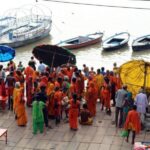
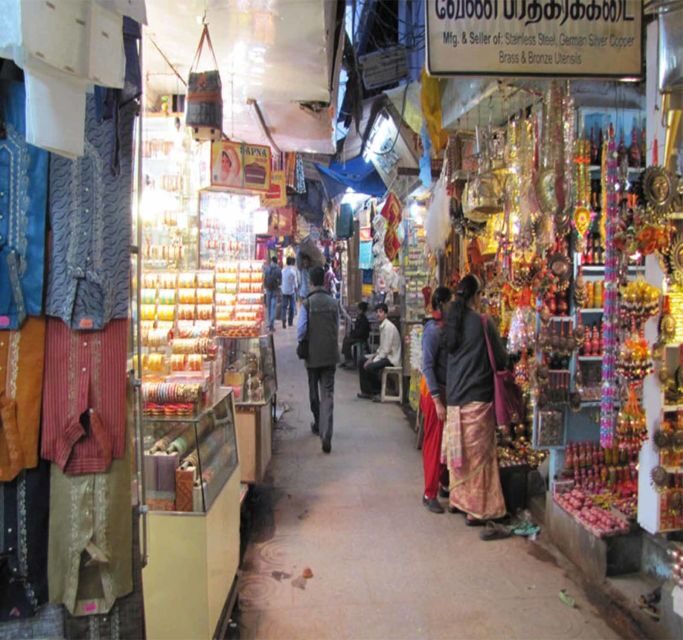
This tour starts early—pickup at 5:00 AM—because the morning aarti has a totally different feel than the evening version. In the early light, the Ganges is calmer, the crowd energy is lower, and the whole ritual seems more “first light” than “full show.” If you like atmosphere, this is the best reason to accept the early wake-up.
The most important practical point: morning rituals don’t always run exactly the way you’d expect. On some mornings, you may find that the morning segment is adjusted or handled differently. That doesn’t mean the day is ruined—it just means you should set yourself up with the right expectations. If the timing is your top priority, message the operator before you go and ask what the morning plan is for your specific date, including whether there’s any planned river time.
I also like the tour’s framing: you’re not arriving as a random spectator. With a guide, you typically get closer to how to watch respectfully—where to stand, what’s happening during the prayers, and what the priest offerings represent.
You can also read our reviews of more tours and experiences in Varanasi


The Varanasi temple circuit: what you’ll actually notice
After the early ritual, the tour shifts into a classic Varanasi temple route. The goal isn’t just to “check boxes.” Each temple has a different vibe, and the guide’s job is to help you notice the details that make them meaningful.
Kashi Vishwanath Temple: the river-city’s spiritual center
Kashi Vishwanath Temple is the anchor stop, and it’s easy to see why. You’ll likely be struck by the intensity of devotion around the site, and by how the temple fits into the city’s daily rhythm. Expect an experience that’s more about sensory focus—movement, chanting, offerings—than quiet sightseeing.
A practical tip: go slow with your eyes. Spend a minute watching how people enter, where offerings are made, and what visitors are doing. When you understand the flow, the place starts to make sense fast.
Monkey Temple: watch the behavior, not just the buildings
The Monkey Temple (as it’s commonly called on tours) adds a different layer of energy. You may notice the way the site feels alive—both because of visitors and because of the surrounding wildlife presence that gives the area its nickname. Even if you’re not there for photos, this stop helps you understand that Varanasi spirituality isn’t only inside walls. It leaks into the street, the courtyards, and the way people move.
Just keep your belongings secure and don’t do anything that attracts attention. In a place like this, it’s less about fear and more about avoiding small hassles so you can keep enjoying the moment.
Tulsi Manas Mandir: storytelling in stone and design
Tulsi Manas Mandir is famous for its ornate character, and it’s one of the stops that can quietly win you over. When you’re tired, temples can blur together. This one tends to stay clearer because it feels designed for reading—visual cues and devotional elements that suggest a narrative, not just decoration.
If your guide explains what you’re looking at, you’ll get more out of the carvings than you would alone. This is where a good English guide pays off: they translate the visual language into something you can follow in real time.





Birla Temple: a change of pace and a strong architectural presence
Birla Temple brings variety after the older, older-feeling lanes of Varanasi temples. It’s often a breather stop in the day because the setting can feel more structured and spacious. That matters on a 12-hour schedule. You’ll appreciate the chance to reset your senses, take in the overall design, and regroup before the journey to Sarnath.
What Sarnath teaches (and why it’s worth the ride)
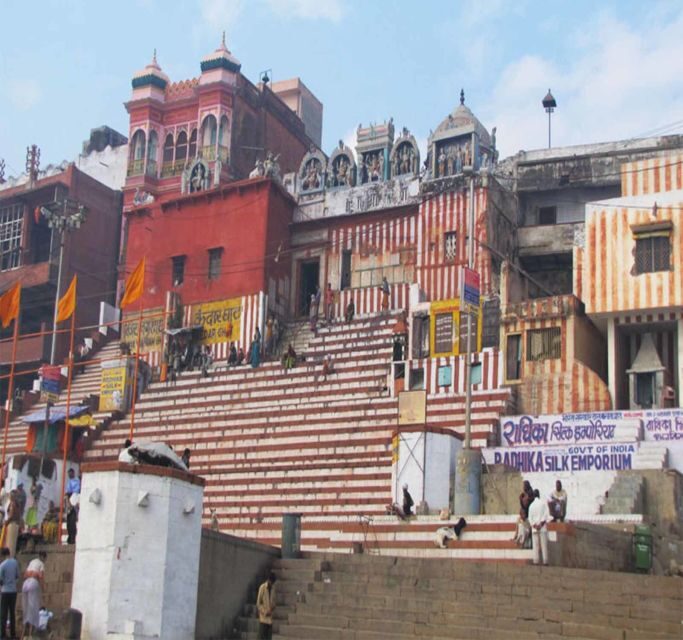
Sarnath is the spiritual pivot point of the tour. Varanasi is about the Ganges and Hindu pilgrimage energy; Sarnath is about Buddhism, pilgrimage memory, and the places tied to early teaching.
Dhamekha Stupa: the landmark tied to Buddha’s first sermon
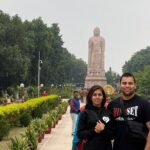
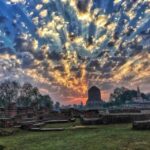
Dhamekha Stupa is the headline here, and it has a powerful reputation: it’s associated with the place where Buddha delivered his first sermon after attaining enlightenment. You’ll see why this site matters even if you don’t know the full story yet. There’s a sense of focus—this isn’t random ruins. It’s a landmark that anchors the pilgrimage map.
The best way to enjoy it is to look for stillness. Spend time letting the shape and scale land. Then let your guide connect the meaning to what you see: the way the stupa relates to the pilgrimage, and what kinds of worship or remembrance you find at sites like this.
The Buddhist ruins: learning the “why,” not only the “what”
Sarnath’s ruins can feel straightforward until your guide adds context. The real value here is understanding the logic of the pilgrimage sites: why certain structures were built, what they signaled, and how visitors historically gathered there. If your guide is good—like the kind of guide praised for being kind and helpful on past departures—you’ll come away with a clear mental map.
One more practical note: wear comfortable shoes. You’ll likely do enough walking to make temple stones feel less like “a photo stop” and more like a serious sightseeing day. The tour is built for people who can handle steps and pacing.
Lion Capital, museum time, and a monastery with wall paintings
Sarnath isn’t only outdoor monuments. It also includes curated learning stops that help you connect what you saw in the ruins to what those sites mean.
Sarnath Archaeological Museum: where the story becomes clearer
The Sarnath Archaeological Museum is a helpful reset after Dhamekha Stupa. It’s where details can come into focus—especially for visitors who want something more than silhouettes and viewpoints.
What I like about including the museum is simple: it gives your brain a place to organize information. If you’re the type who forgets names ten minutes after hearing them, museum time helps you lock in the key references.
Lion Capital of Ashoka: a symbol you’ll recognize
You’ll also see the Lion Capital of Ashoka. Even if you’ve only seen Ashoka symbols on books or posters, seeing it in context makes it feel real. This is one of those moments where you realize how far-reaching the legacy of early Indian history is.
A monastery with wall paintings: pay attention to how art supports faith
The tour also visits a monastery area with wall paintings. If you slow down here, you can see how visual art carried religious meaning when writing alone couldn’t do the job. This stop often becomes a favorite because it feels intimate: you’re closer to the human effort behind religious storytelling.
This is also a good time to ask your guide what the paintings represent. The difference between “pretty wall” and “religious message” is usually just one clear explanation.
The evening Ganga aarti: incense, cymbals, and a brass lamp
The evening aarti is where the whole day clicks together. You’ve spent the morning and early afternoon in temples and pilgrimage memory; now you’re back on the river, watching a living ritual in motion.
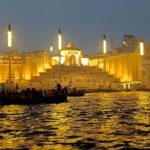
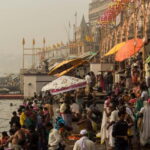
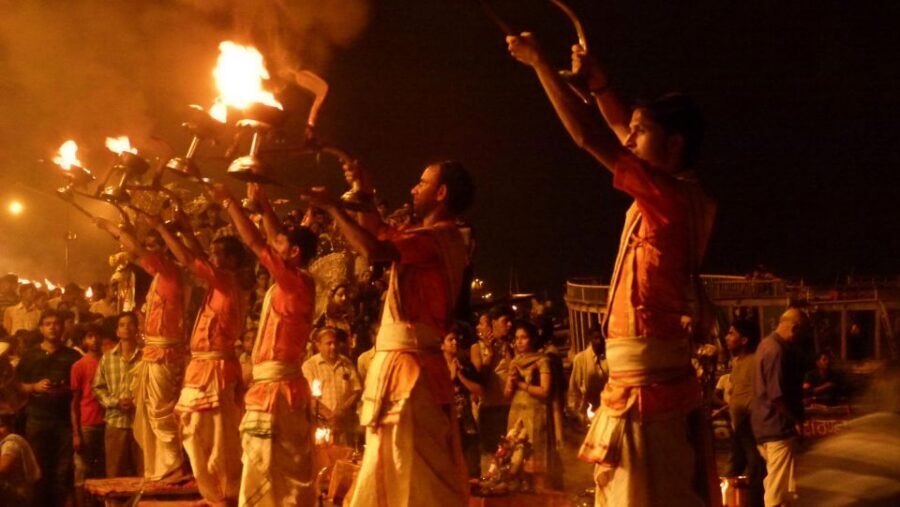
The ceremony involves a supreme priest offering prayers to the holy river with a sacred brass lamp. Expect lights, cymbals, incense, and people singing hymns and chanting. This is not silent culture. It’s active devotion.
Getting good viewing spots matters
One of the smartest things your guide can do is get you into the right position. In past experiences with this tour, guides have helped secure good seats for the evening ceremony, and that’s huge. If you’re standing in the wrong spot, you miss the rhythm of the ritual. If you’re in the right spot, the whole thing feels like one coordinated performance.
So do this: ask your guide where to stand and how to watch. Then commit to watching rather than constantly searching for a better angle.
A tip for your senses
Incense and chanting can feel intense if you’re not ready. If you get overwhelmed, step back a bit, breathe, and let the moment pass through you. You don’t need to force it. The ceremony will keep going.
Timing, transport, and how to survive a 12-hour day
This tour runs about 12 hours and includes hotel pickup and drop-off within Varanasi city. That’s convenient in a place where getting from point A to point B can become its own mini-adventure.
The “survive the day” strategy is mostly about pacing:
- Plan for a long stretch between food chances since food and drinks aren’t included.
- Use the mineral water provided, and consider buying extra if you’re the type who drinks often.
- Build in small breaks when you can. You’ll thank yourself later, especially if you’re sensitive to heat and early mornings.
It helps that the stops are grouped logically. You’re not zig-zagging across town in random transit. The day moves like a line: morning ritual → temple circuit → Sarnath → museum and monastery area → evening river ceremony.
Price and value: is $75 fair for this much guided time?
At $75 per person, the price sits in the “you’re paying for structure” category. Many temple entries in places like Varanasi can be inexpensive or free on your own, so the cost isn’t only about tickets. You’re mostly paying for an English-speaking guide, a full-day plan, and the ability to see the morning and evening aarti without scrambling.
Here’s how I’d judge value for this tour:
- If you want the whole arc—morning aarti, multiple temples, Sarnath’s key Buddhist sites, and the evening ceremony—this is often efficient compared with cobbling it together yourself.
- If you only care about one or two sights, you might feel the cost more sharply. That’s when private time and guide hours can feel like extra overhead.
The best argument for paying is timing and access. A guide helps you choose what to skip, where to focus, and how to get through the day without losing hours to confusion. And when it comes to the aarti, seating and viewing position can be the difference between a decent experience and a memorable one.
A quick note on guide names: one English-speaking guide you could encounter is Manoj, and he’s been praised for being kind and for helping guests have a great experience. That kind of guidance quality is exactly what makes a structured day tour worth it.
Who should book this Varanasi and Sarnath day tour
This is a strong match if:
- You have one day in Varanasi and you want both ceremonies plus Sarnath’s highlights.
- You like guided context—what you’re looking at, why it matters, and where to focus your attention.
- You’re comfortable with early starts and long days.
You might rethink the tour if:
- You can’t handle very early pickup times.
- You’re extremely sensitive to schedule changes around morning rituals.
- You prefer very free-form travel where you decide on the fly without a set route.
Also, consider your tolerance for crowds and ritual intensity. Morning and evening aarti both involve large, emotional spaces. That’s part of the point, but it’s worth knowing what you’re signing up for.
Should you book it? My practical call
If you want one day to feel complete—temples in Varanasi, then Sarnath’s Buddhist pilgrimage landmarks, then back to the river for evening aarti—this tour is a smart way to get it done without logistics stress. The English guide, the small-group size (up to 8), and the hotel pickup/drop-off make the day run like a plan, not a gamble.
Just do one piece of homework before you commit: confirm what morning will look like on your date. If the morning aarti timing is non-negotiable for you, ask directly how it’s handled and whether any planned river segment (like a boat ride, which has been mentioned in some versions) is part of your day. If everything checks out, you’re likely to walk away with the kind of spiritual contrast this region does best: Varanasi’s river devotion and Sarnath’s teaching legacy in a single, tightly managed day.
FAQ
What time is hotel pickup?
Pickup is at 5:00 AM from your hotel in Varanasi city.
How long is the tour?
The tour lasts 12 hours.
Is this a private tour or a group tour?
It’s described as a private full-day tour, and it also notes a small group size limited to 8 participants.
What language is the guide?
The tour includes an English-speaking tour guide.
Which places are included in Varanasi?
You’ll visit major temples including Kashi Vishwanath Temple, Monkey Temple, Tulsi Manas Mandir, and Birla Temple.
What Sarnath sights does the tour include?
You’ll see Dhamekha Stupa, the Sarnath Archaeological Museum, the Lion Capital of Ashoka, and a monastery with wall paintings.
What happens during the evening portion?
You’ll watch the evening aarti on the banks of the Ganges, with a priest using a brass lamp, plus incense, lights, cymbals, and hymns and chanting.
What’s included in the price?
Included: private full-day tour, hotel pickup and drop-off, English-speaking guide, and mineral water.
What’s not included?
Food and drinks are not included, along with personal expenses.
Should I book?
If you’re on a tight schedule and want a guided, full-day spiritual route that covers both Varanasi aarti times plus Sarnath’s key landmarks, this is a solid choice—especially because you get pickup, an English guide, and a structured plan. Just confirm the morning timing on your specific date so you’re not surprised when the day’s first ritual doesn’t run exactly as expected.