REVIEW · VARANASI
Varanasi: Day Tour with Sarnath and Boat Ride
Book on GetYourGuide →Operated by Taj Journey - TJ · Bookable on GetYourGuide
That first morning light on the river hits hard. This day tour strings together Varanasi and Sarnath into one smooth loop, with a sunrise Ganges boat ride plus the evening Ganga Aarti at Dasaswamedh Ghat. It’s a spiritual day, but run in a practical way: a guide walks you through what you’re seeing and why it matters.
I really like two things about this experience: the private air-conditioned car that handles all the transfers and the English-speaking guide who keeps the day organized and meaningful. You’ll also get standout guidance from named guides like Vikash, Anuj, Manish, and Vinit, who people specifically praise for detail and responsiveness.
One drawback to think about: it’s not for everyone—high blood pressure is listed as a no-go—and the day involves a lot of walking through crowded temple areas.
In This Review
- Key highlights you’ll actually care about
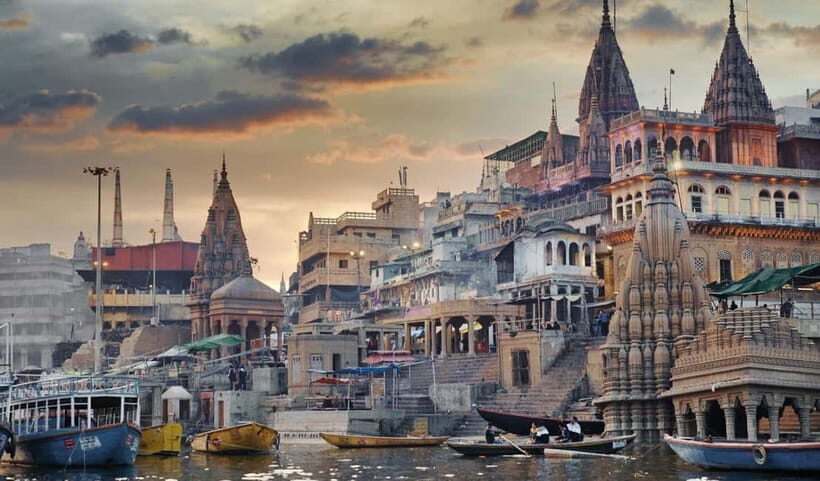
- Sunrise on the Ganges: the boat ride plus Assi and Manikarnika ghats
- Old Varanasi on foot: temples, lanes, and bazaar energy without the guesswork
- Kashi Vishwanath Temple: how to do the sacred part right
- The midday transfer to Sarnath: why this timing works
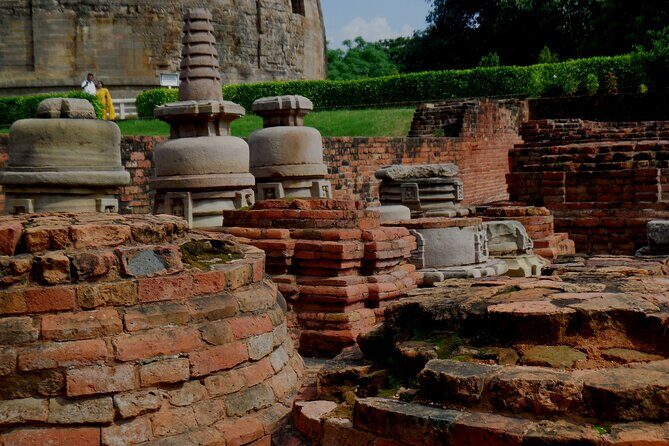
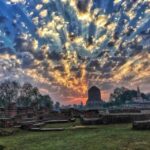
- Dhamek Stupa, Chaukhandi Stupa, and Mulagandha Kuti Vihar
- Sarnath Museum: turning the stops into something you can remember
- Banaras Hindu University, Bharat Mata Mandir, and Tulsi Manas Mandir stops
- Kicking off the night with Dasaswamedh Ghat Ganga Aarti
- Price and logistics: is $65 actually good value?
- What to bring and how to handle temple rules without stress
- Who should book this Varanasi and Sarnath day tour?
- Should you book it?
- FAQ
- What is the duration of the Varanasi day tour with Sarnath and a boat ride?
- How much does the tour cost per person?
- What does the tour include?
- Is the boat ride included?
- Does the tour include food?
- Are entry fees included?
- What languages are available for the live tour guide?
- Where can you be picked up and dropped off?
- What should I bring?
- Is alcohol allowed during the tour?
- Is the tour suitable for people with high blood pressure?
Key highlights you’ll actually care about
- Sunrise boat ride with a guide to help you read the ghats as they wake up
- Kashi Vishwanath Temple plus Old Varanasi lanes, paced as a single guided flow
- Sarnath sites close together: Dhamek Stupa, Chaukhandi Stupa, and Mulagandha Kuti Vihar
- Sarnath Museum with Buddhist art and sculptures you can connect to the stops you visited
- Dasaswamedh Ghat Ganga Aarti in the evening, after a full day of sacred sights
- All transfers in an A/C vehicle with pickup and drop-off at set locations
Sunrise on the Ganges: the boat ride plus Assi and Manikarnika ghats
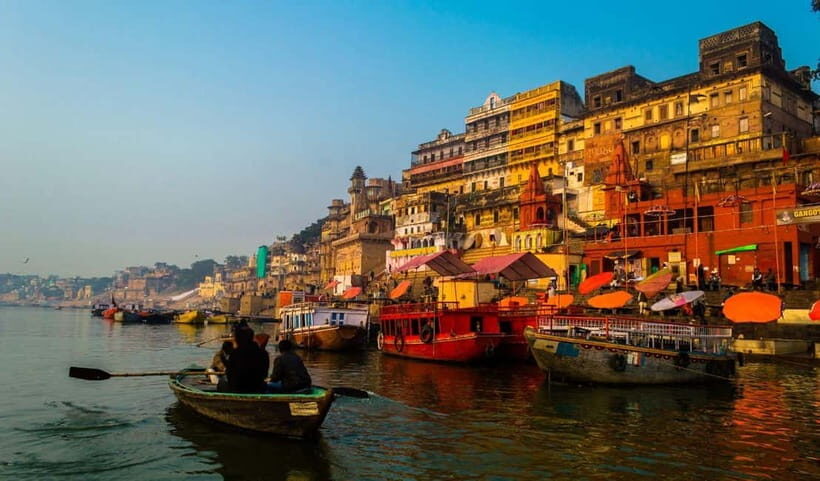
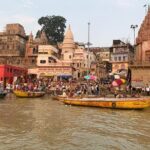
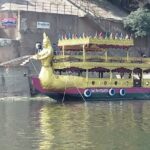
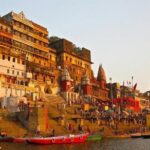
This starts before the day feels fully awake. The tour’s morning highlight is a boat cruise on the Ganges at sunrise, led with an accompanying guide so you know what you’re looking at rather than just taking photos and guessing.
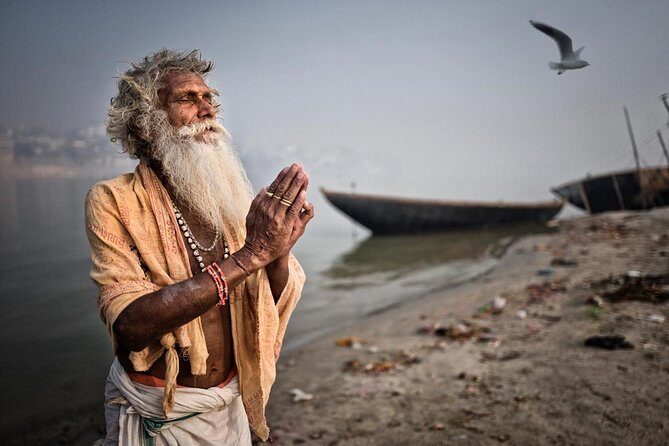
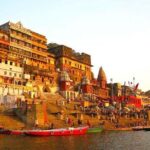
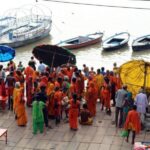
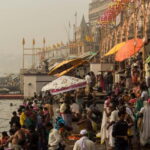
The value here is timing. Sunrise gives you softer light, less glare, and a gentler start to the ghats. You’ll see devotees working through morning rituals and priests preparing prayers—classic Varanasi moments that feel less like sightseeing and more like daily life with spiritual rules and rhythms.
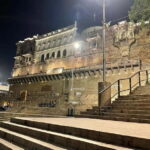
After the boat, the day keeps you close to the river with visits around Assi ghat and Manikarnika ghat. You’re not just driving past—you’re guided on the ground, so you can understand the significance of what you’re seeing. One practical note: plan to be comfortable moving through tight spaces and watching your footing near ghats and steps. It’s not hard walking, but it’s not a smooth sidewalk either.
You can also read our reviews of more boat tours in Varanasi


Old Varanasi on foot: temples, lanes, and bazaar energy without the guesswork
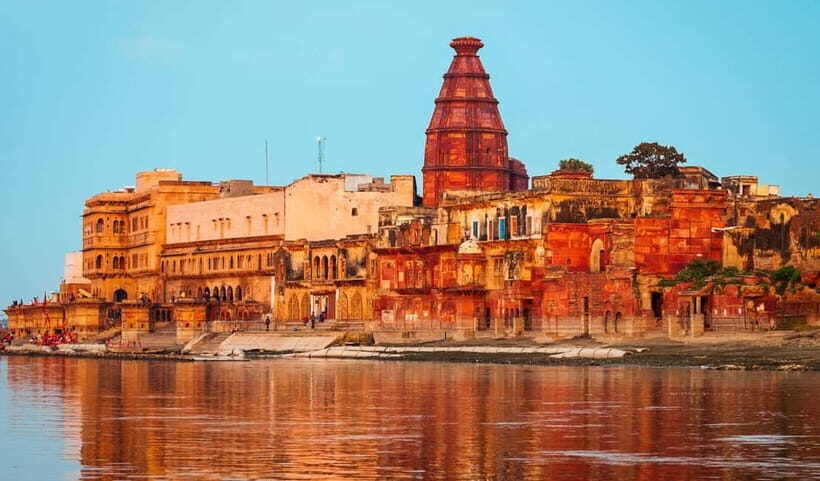
Once you’re off the boat, the tour shifts into the Old Varanasi style—narrow lanes, small shops, and constant movement. This is where the guide earns their keep. Without someone steering you through the flow, it’s easy to feel lost in the sheer number of sights.
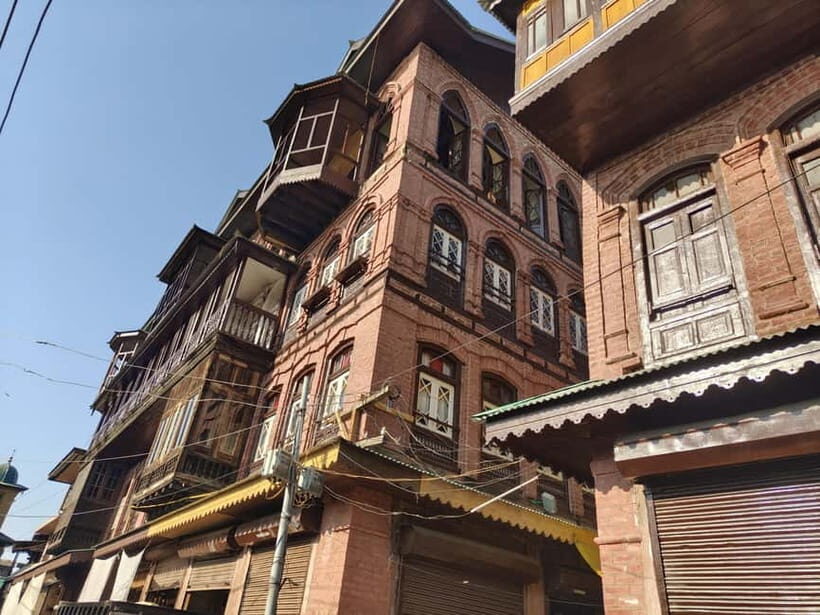
You’ll visit Old Varanasi areas with guided time that includes the market streets—spice, silk, and everyday crafts. Even if you don’t plan to buy much, these lanes help you understand that Varanasi isn’t a museum city. It’s a living working place where religion, commerce, and routine share the same streets.
The itinerary also builds in a religious anchor with temple time. That matters because Varanasi can feel like a swirl of images unless you have a framework. The tour gives you that framework, so your day doesn’t turn into random looking.
Kashi Vishwanath Temple: how to do the sacred part right
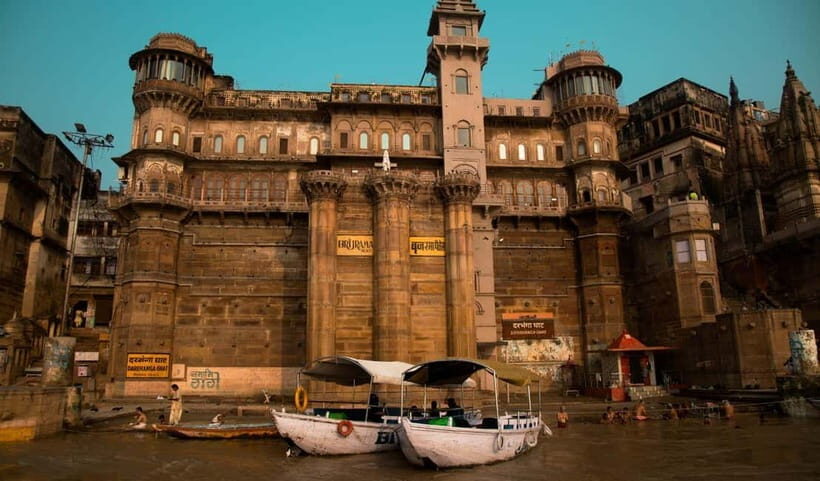
Kashi Vishwanath Temple is one of those stops you remember long after you leave the building. The tour takes you there with guided context, so you’re not just admiring architecture—you’re hearing what the temple represents and how devotees move through rituals there.
Expect a mix of visual intensity and rules. You’ll want respectful attire and a calm, patient mindset inside temple premises. The tour also flags practical etiquette: carry minimal personal belongings inside the temple, and be mindful that photography and videography restrictions may apply.
If you’re sensitive to crowds or sound, this is the part of the day that can feel demanding. It’s not unusual for temple areas to get crowded, especially around religious times. The tour doesn’t promise a quiet experience—what it does offer is a guide to help you navigate it smoothly without turning the day into stress management.
The midday transfer to Sarnath: why this timing works
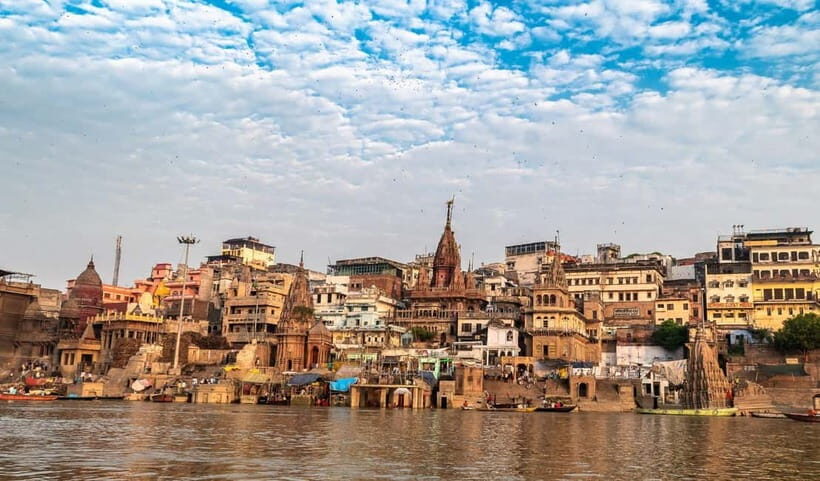
Sarnath is close enough to Varanasi for a day trip, and the schedule is built around that. After lunch at a local restaurant, you’ll head out in the air-conditioned car, which is a real quality-of-life feature in a long day.
The reason this timing feels smart: you’re not trying to rush Sarnath without a breather. You also get a shift in mood. Varanasi is intense and river-centered; Sarnath feels more focused on Buddhist landmarks and a quieter kind of reverence.
Sarnath isn’t far, but traffic and movement can still affect timing. The private vehicle helps keep the day structured, and the guide keeps you on track from site to site.
Dhamek Stupa, Chaukhandi Stupa, and Mulagandha Kuti Vihar
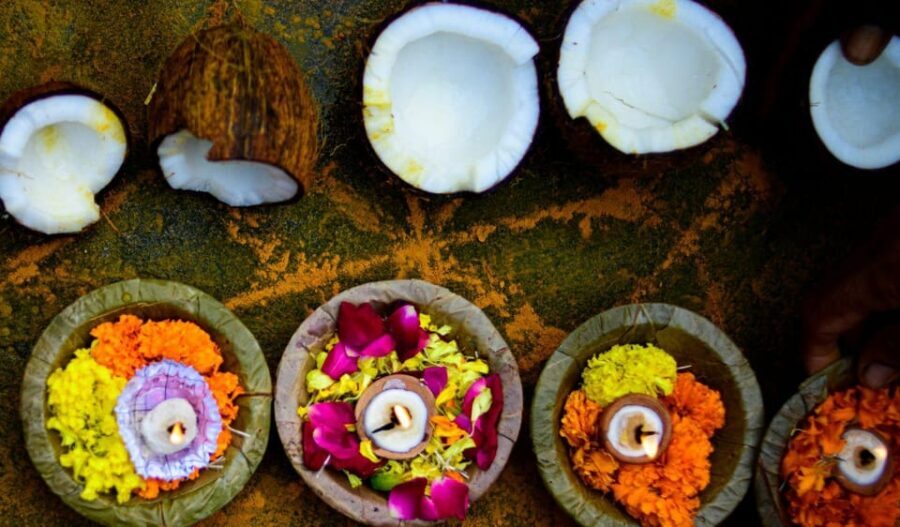
This is the core Sarnath sequence, and it’s packed tightly. You’ll visit major Buddhist sites including:
- Dhamek Stupa, tied to the story of the first teaching
- Chaukhandi Stupa, another key landmark
- Mulagandha Kuti Vihar, a focused place of devotion
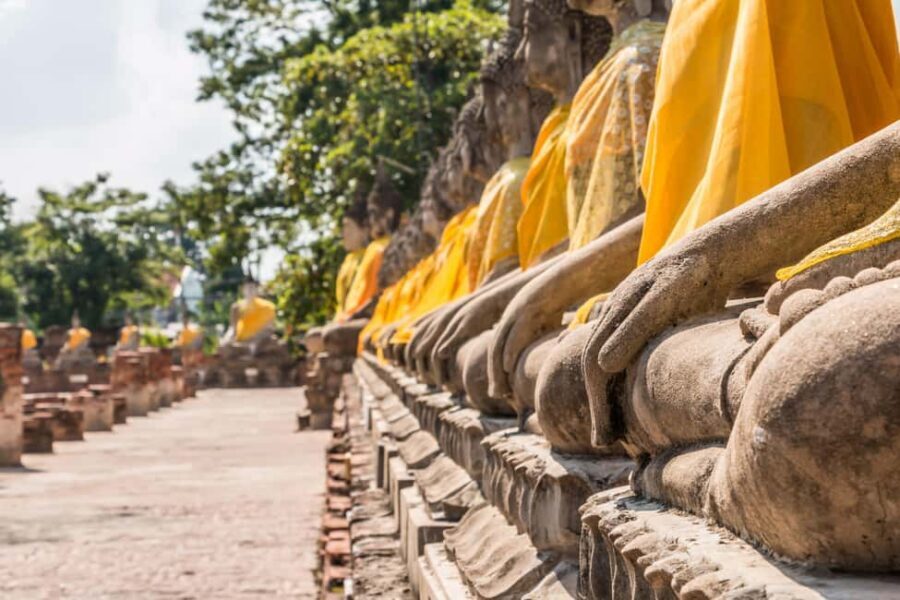
The tour is built to move between these points with guided time at each stop. That matters because these places can look similar at a glance—stupas, monuments, and temple structures—but they each connect to a different part of the Buddha’s story and the site’s tradition.
The benefit of having a guide here is simple: you can connect what you’re seeing to the meaning behind it. Without that, you might walk through and still feel like you missed the point.




Sarnath Museum: turning the stops into something you can remember
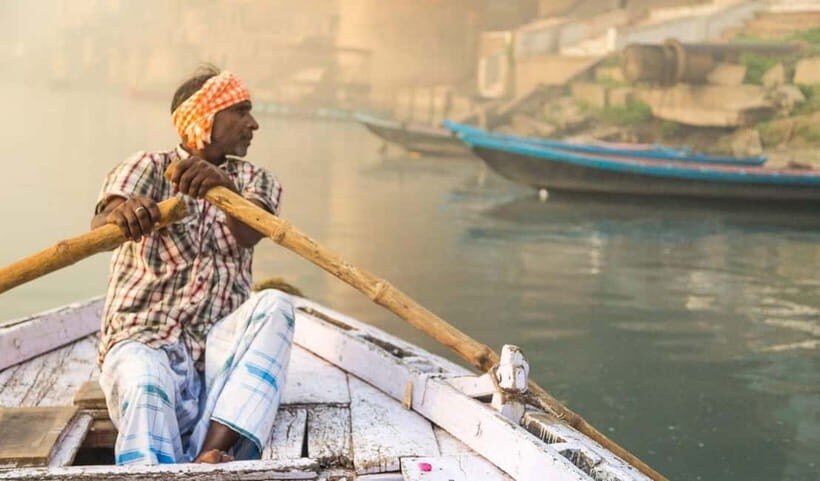
After the outdoor landmarks, you’ll visit the Sarnath Museum for Buddhist artifacts, sculptures, and related exhibits. This is where the day gains depth without adding extra travel time.
Because the museum is placed after the main sites, you can interpret what you see. You’re not going from one random location to another; you’re building understanding. If you like looking at objects and symbols, this museum stop helps make the day feel cohesive.
This is also a good place to slow down. Indoors, you can take your time reading what’s available and connecting the art to the places you walked through earlier.
Banaras Hindu University, Bharat Mata Mandir, and Tulsi Manas Mandir stops
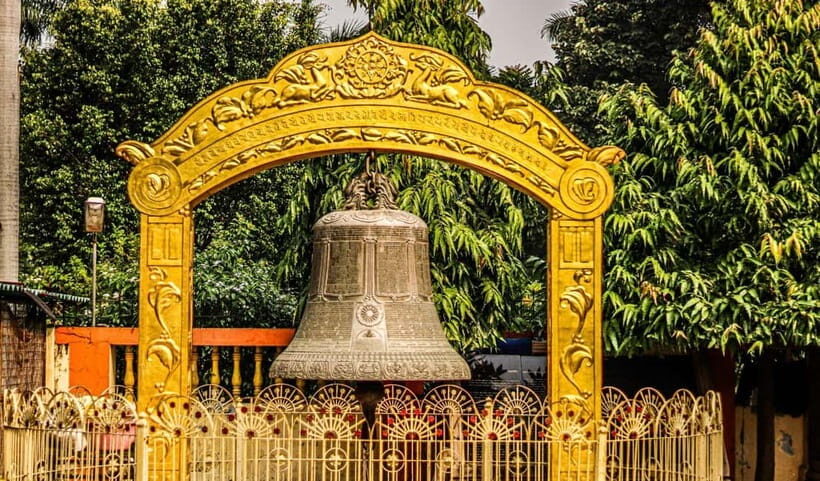
The itinerary also includes a few well-known points beyond the big-ticket religious landmarks. You’ll spend guided time at:
- Banaras Hindu University
- Bharat Mata Mandir
- Tulsi Manas Mandir
These stops can be thought of as perspective builders. They broaden the day from temple-focused sights to other parts of Varanasi’s cultural and spiritual identity. Even if you don’t consider yourself a big university visitor, it’s a chance to see a different side of the city through a local lens provided by your guide.
The same etiquette advice still applies: stay respectful, follow any on-site rules, and keep your movements steady in active public spaces.
Kicking off the night with Dasaswamedh Ghat Ganga Aarti
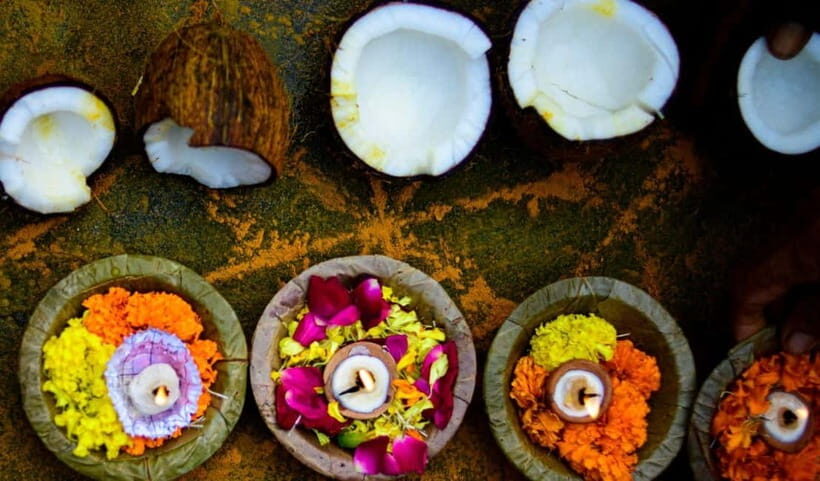
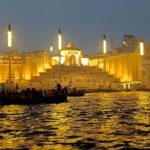
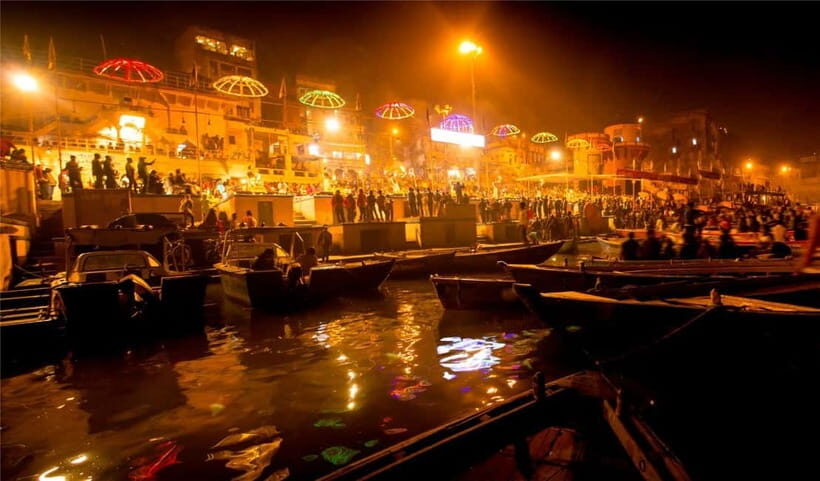
The evening payoff is the Ganga Aarti at Dasaswamedh Ghat. This is why the tour is worth considering if you want more than daytime temples and monuments.
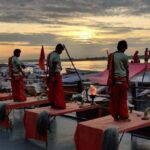
What to expect: priests performing rituals using fire and incense, with chanting and the sound of bells. It’s ceremonial and highly structured, and the guide helps you understand what’s happening so you can watch with intention rather than treating it like a show.
This part of the day is often busy, and you may want to come prepared for close viewing conditions. Keep your phone and camera ready—but also expect that some areas or angles may limit filming. The tour already warns that photography rules can exist inside temple premises, and it’s smart to treat the whole ceremony with the same respect.
When it ends, it feels like closing a loop: you started on the river at sunrise and finished with the river honored at night.
Price and logistics: is $65 actually good value?
At about $65 per person for a 10-hour day, this isn’t a cheap tour, but it also isn’t just a driver and a checklist. What you’re paying for is the combination:
- hotel pickup and drop-off
- a morning boat ride
- an English-speaking tour guide (English and Spanish are listed)
- an air-conditioned car for all sightseeing and transfers
- water bottle and parking
- guided time across Varanasi and Sarnath
The main thing not included is what can make or break your budget: entry fees and food/drinks. Lunch is included as part of the day through a local restaurant stop, but you should still expect personal spending and any admission costs to come on top depending on what you pay during visits.
Also note the practical inclusion of skip the ticket line. That can save time in places where crowds slow entry down. In a day this full, saving 20–30 minutes can be the difference between seeing everything and rushing the last stop.
If you’re traveling with someone who likes guidance, this is strong value. If you only want a driver and you speak local religious history fluently, you might question the cost. But for most visitors, the guide + boat + long route is where the money goes.
What to bring and how to handle temple rules without stress
The tour’s requirements are straightforward. Bring your passport or ID card.
For temple etiquette, keep it simple:
- wear respectful attire
- bring minimal personal belongings inside temple areas
- follow any restrictions on photography/videography
- stay calm and patient in crowded spaces
- expect cultural sensitivities around special religious occasions when crowds may swell
You’ll also be glad to know what’s not allowed: alcohol and drugs are not permitted, and the guide notes alcoholic drinks in the vehicle are prohibited.
One more practical consideration: the tour is listed as not suitable for people with high blood pressure. That’s likely tied to crowd movement and the day’s pace, so don’t treat it as optional.
Who should book this Varanasi and Sarnath day tour?
This is a good fit if you:
- want both Varanasi and Sarnath in one day without figuring out routes
- value having a guide who can explain what you’re seeing (especially for Kashi Vishwanath and the Aarti)
- like structured sightseeing with enough time at key stops
- are comfortable with a full day that mixes indoor sites and outdoor ghats
It’s less ideal if you:
- have health constraints like high blood pressure
- dislike crowded temple environments
- want a slow, unstructured tour with lots of free time
If you’re the type who likes history but also wants a spiritual experience that still feels organized, this tour hits a nice balance.
Should you book it?
I think it’s worth booking if your priority is a complete day—sunrise on the Ganges, temple time in Varanasi, major Sarnath landmarks, and the Ganga Aarti at night—without stitching together a dozen logistics pieces.
Before you book, think about two things. First, can you handle long, active days with crowded religious spaces? Second, are you okay paying for any entry fees and your own drinks beyond what’s included?
If the answer is yes, you’ll likely appreciate how the day is built: a morning river start, a mid-afternoon Sarnath shift, and a night ceremony that gives the whole trip a satisfying finish.
FAQ
What is the duration of the Varanasi day tour with Sarnath and a boat ride?
The tour lasts 10 hours.
How much does the tour cost per person?
The price is listed as $65 per person.
What does the tour include?
It includes hotel pickup and drop-off, a morning boat ride on the Ganges, an English-speaking tour guide, an air-conditioned car for sightseeing and transfers, a water bottle, and parking.
Is the boat ride included?
Yes, the morning boat cruise is included, and it is guided.
Does the tour include food?
Food and drinks are not included, but the day includes a traditional lunch at a local restaurant. You should budget for your own additional drinks.
Are entry fees included?
No. Entry fees are not included.
What languages are available for the live tour guide?
The guide is available in English and Spanish.
Where can you be picked up and dropped off?
Pickup and drop-off options include Sarnath, BSB Railway Station, Varanasi, and Cantonment Varanasi.
What should I bring?
You should bring a passport or ID card.
Is alcohol allowed during the tour?
Alcohol and drugs are not allowed, and alcoholic drinks in the vehicle are prohibited.
Is the tour suitable for people with high blood pressure?
No, it is listed as not suitable for people with high blood pressure.