REVIEW · VARANASI
Varanasi: Cycle of Life, Death, and Rebirth Guided Tour
Book on GetYourGuide →Operated by Yo Tours · Bookable on GetYourGuide
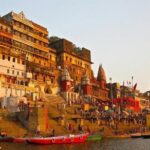
This walk in Varanasi hits hard. It’s built around the city’s spiritual rhythm—life, death, and rebirth—and you move along the riverfront ghats like the stories were meant to be heard in person. I especially loved how the tour anchors you at Dashashwamedh Ghat, one of the oldest and holiest places in Kashi.
I also like the way the guide uses storytelling, not just sightseeing. You get a local, English-and-Hindi explanation of why rituals matter in everyday life, and I found that made the whole walk feel more human and less like a checklist.
One consideration: this is an intense subject, and the river ghats can be hot and crowded. If you’re traveling in peak heat, the effective walking time can feel shorter or you may need breaks, and pregnant women are not recommended for this tour.
In This Review
- Key highlights to know before you go
- Where Varanasi’s ghats feel like a living story
- Starting at St. Thomas Church: how the meeting point helps
- Dashashwamedh Ghat: the oldest pull of the river
- Manikarnika Ghat: the holiest cremation space
- Walking other old ghats of Kashi: the power is in the in-between
- The storyteller thread: understanding rituals as daily meaning
- When your guide adds extras: university stops and Ganga Aarti
- Duration reality: 2 hours on paper, flexible on your feet
- Price and value: what $14 buys you in Varanasi
- What’s included (and why it matters)
- What’s not included: plan your food and travel day
- What to bring so you feel comfortable and respectful
- Who this tour suits best
- A quick note on shopping side stops
- Should you book this Varanasi cycle of life tour?
- FAQ
- Where is the meeting point for the tour?
- How long is the tour?
- What is the price per person?
- Does the tour include hotel pickup or drop-off?
- Is the guide available in English?
- What sites are visited during the tour?
- Is food included?
- What should I bring?
- Is the tour suitable for pregnant women?
- What are the cancellation terms?
Key highlights to know before you go
- Dashashwamedh Ghat: Start at one of Varanasi’s oldest and holiest ghats
- Manikarnika Ghat: The holiest sacred riverfront for cremation rituals
- A long chain of ghats: Walk through older, spectacular stretches of the Kashi riverfront
- A storyteller guide: English/Hindi commentary that connects rituals to daily spirituality
- Local tips: Practical recommendations so you know where to eat and what to try next
Where Varanasi’s ghats feel like a living story
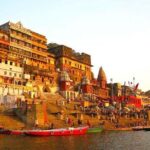
Varanasi is a city people in India have long associated with choosing death—not because it’s morbid for the sake of it, but because spirituality and ritual shape the meaning of life and the next passage. The ghats here are not just scenery. They’re where belief becomes action, and you can feel it as you walk.
That’s why this tour works. You’re not simply viewing river steps. You’re learning how Kashi frames the whole cycle—life energy on one part of the riverfront, and death rituals on another—and how both are held within the same spiritual worldview.
You can also read our reviews of more cycling tours in Varanasi

Starting at St. Thomas Church: how the meeting point helps
Your meeting point is the Entrance Gate of St. Thomas Church, Girja Ghar, Ramapura Luxa, Varanasi (Uttar Pradesh 221001). It’s a clear, fixed spot, which matters in a city where lanes can twist quickly.
From there, you’re guided into the old riverfront maze. The walk is the point, so you want to arrive early enough to settle your shoes and get comfortable with the pace—especially if it’s warm out.
Dashashwamedh Ghat: the oldest pull of the river
The tour’s first major spiritual anchor is Dashashwamedh Ghat. It’s described as the oldest and holiest ghat, and even if you don’t know the details yet, the place feels central—like the city’s spiritual “front door” to the Ganges.
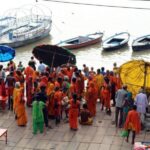
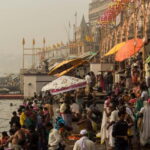
What I’d tell you to watch for here: how the riverfront activity seems organized around ritual time. You’re learning the meaning behind the sights, and that changes how you perceive what you’re seeing. Instead of “crowds and steps,” you start noticing how the ghats function as stages for devotion, washing, gathering, and ceremony.
This is also where a bilingual guide can really help you. With English and Hindi, you’re more likely to grasp the whys behind the actions, not just pick up a few names.
Manikarnika Ghat: the holiest cremation space
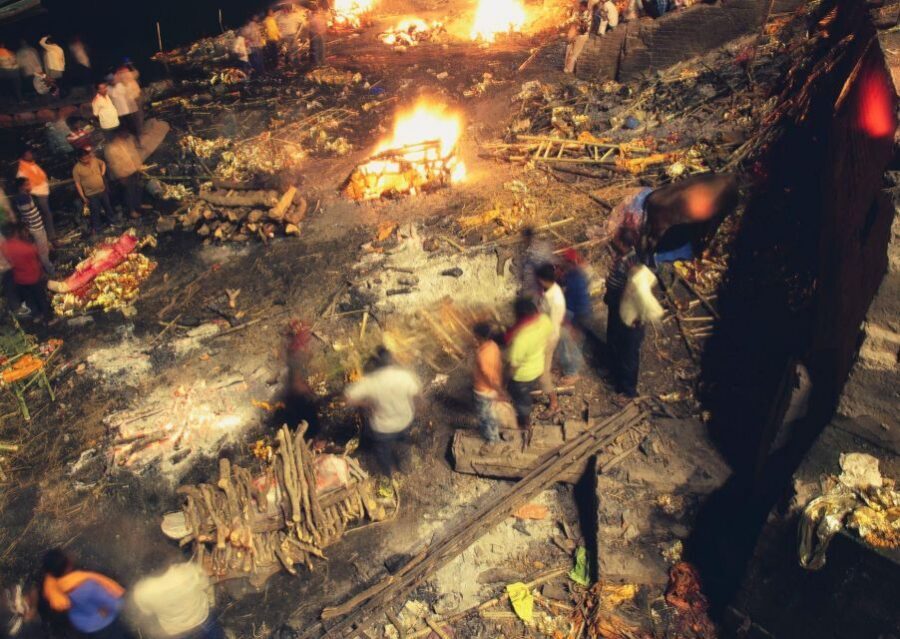
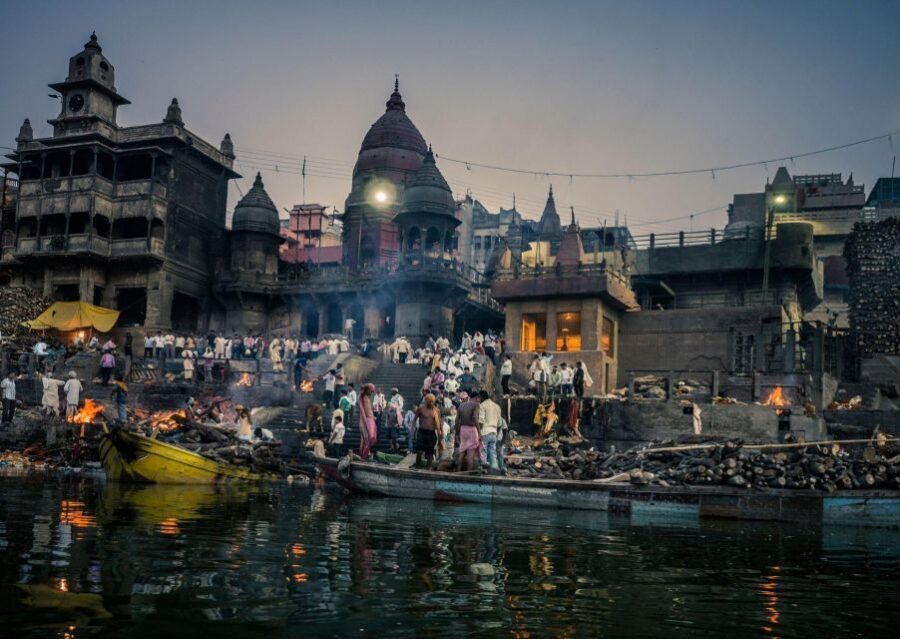
Next is Manikarnika Ghat, called the holiest among Varanasi’s sacred riverfronts. This is the part of the experience that requires emotional readiness. The tour is explicitly about the cycle of life, death, and rebirth, and here the theme becomes undeniable.
One practical thing: you’ll likely be seeing cremation activity very close to the riverfront. That’s not a vague concept—it’s the core of what makes Manikarnika so significant. If you’re sensitive to death rituals, go in prepared for a strong sensory and emotional experience.
Also plan your comfort. Wear shoes you can stand in, and keep sunglasses handy. Even if the walking portion feels manageable, the time spent observing and listening at sacred spaces can add up.
Walking other old ghats of Kashi: the power is in the in-between
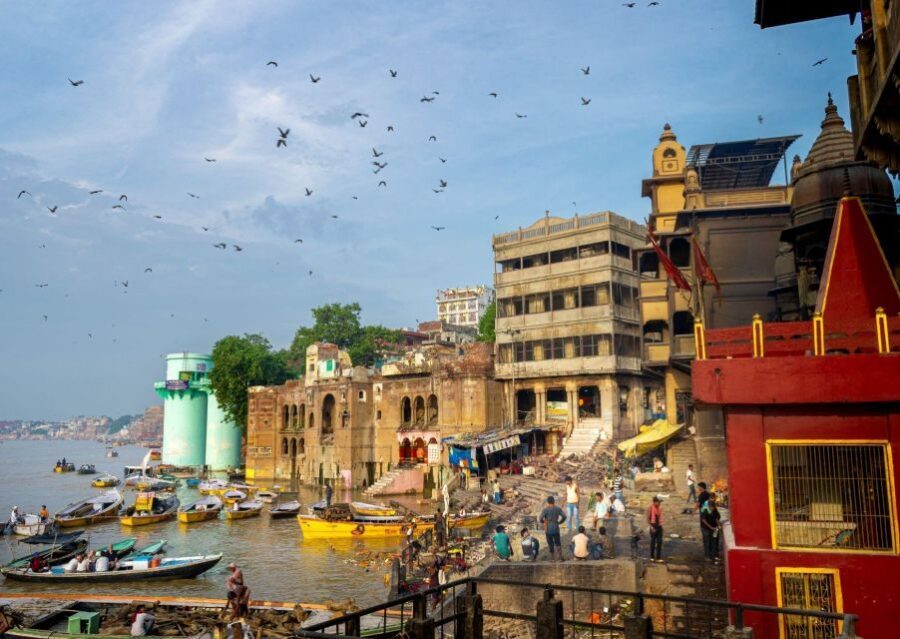
After the big anchors, you continue through other older and spectacular ghats along the Kashi riverfront. This is where the tour becomes more than two stops. It turns into a long, shifting view of what “the riverfront” really means in Varanasi.
These stretches tend to be where you catch small contrasts: narrow steps, different temple edges, changes in flow of people, and the way rituals are woven into daily life. I like this part because it gives you context. You start to understand that Varanasi’s spirituality isn’t limited to one famous photo spot. It’s distributed along the ghats like a continuous spiritual conversation.
If you’re taking this tour during hot weather, this is also where comfort matters most. One guide experience in June highlighted that staying out too long can make you feel drained, so it can be smarter to choose a later slot when the light and temperatures are kinder—when your schedule allows.
You can also read our reviews of more guided tours in Varanasi




The storyteller thread: understanding rituals as daily meaning
The tour’s heart is its storyteller/guide, who speaks English and Hindi and shares stories about ancient past traditions and how rituals fit daily life. This is the difference between a walk that feels like facts and one that feels like meaning.
A good guide will connect what you’re seeing to why people return to these places. For example, you’ll hear explanations about how Varanasi ties spirituality to daily routines—how ritual isn’t just for special occasions. The guide’s job is to help you appreciate the importance of ceremonies for blissful living, even when the setting is centered on death rituals.
In real-world terms, this means you’ll likely understand more than the site names. You’ll grasp themes like continuity, transformation, and the idea that life and death rituals belong to the same moral and spiritual order.
When your guide adds extras: university stops and Ganga Aarti
Sometimes guides shape the walk based on your interests. In one experience, the guide took time to show additional places beyond the main ghats, like a stop near a university, and even guided the group toward an evening Hindu ritual at the Ganges (Ganga Aarti).
That’s not guaranteed for every departure, but it’s a helpful heads-up. If you’re the kind of traveler who likes to ask questions and steer the conversation, you can get more out of the two hours.
Still, keep expectations realistic. You’re on a short walk, and the ghats themselves are the main event. Any extra stops should feel like added context, not a distraction.
Duration reality: 2 hours on paper, flexible on your feet
The tour is listed as 2 hours. In practice, walking through old ghats can vary depending on heat, crowds, and how long the guide pauses for explanations.
One reported experience described the walking time as closer to about an hour, especially when temperatures were intense. That doesn’t mean the tour isn’t thorough—it may mean you’re moved through the most important points faster, with time spent on explanation at key areas rather than pushing the full route for the sake of matching a clock.
My advice: plan with flexibility. If you’re sensitive to heat, try to schedule this earlier in the day only if you’re comfortable with warm conditions, or consider a later start when it’s more pleasant.
Price and value: what $14 buys you in Varanasi
At $14 per person for a 2-hour guided walking tour, this is strong value if you care about understanding the meaning behind the sites. You’re paying for three things: a focused route along the ghats, a storyteller who can explain the spiritual logic, and local tips to help you afterward.
It’s also budget-friendly compared with private guiding. And because the guide can speak both English and Hindi, you’re less likely to lose meaning in translation—one of the biggest problems with tours where you get explanations that are only half understood.
What you should confirm mentally: it’s a walking tour with no hotel pickup and no included food. That’s fine if you build the rest of your day around it. Bring water you purchase yourself, and eat before or after depending on your comfort.
What’s included (and why it matters)
Included in the tour:
- Local tips and recommendations
- A storyteller/guide who can speak English and Hindi
That might sound simple, but it’s actually the core value. In Varanasi, the “right way” to do things is less about famous monuments and more about local rhythm. A good guide helps you avoid feeling lost or thinking you need to guess what everything means.
One practical bonus: you may also receive restaurant suggestions to use right after the tour. That’s useful because food decisions near the ghats can feel overwhelming when you’re already tired from walking and absorbing big emotions.
What’s not included: plan your food and travel day
Not included:
- Hotel pickup and drop-off
- Food and drinks
So you’ll want to plan your day like this:
- Get yourself to the meeting point with enough buffer.
- Bring energy for a walking experience even if it’s only 2 hours.
- Eat afterward nearby, using the local recommendation you get from your guide.
If you don’t like the idea of hunger while you’re learning, consider having a light meal before you start. Then you can focus on the ghats without trying to time food in a maze of lanes.
What to bring so you feel comfortable and respectful
Bring:
- Comfortable shoes (non-negotiable for steps and uneven ghats)
- Hat
- Sunglasses
I’d add one self-check: choose clothing that feels practical for heat and allows you to stand and walk for the duration without fuss. This tour is about staying present while listening, so you don’t want to keep adjusting uncomfortable gear.
Also keep in mind that you’ll be dealing with solemn rituals in a sacred setting. You’ll want your focus on observation and understanding, not photo-taking or loud behavior. If you’re respectful, the whole experience becomes easier to process.
Who this tour suits best
This guided walk is best for you if:
- You want the spiritual meaning behind Varanasi, not just the most photographed spots
- You like storytelling and context
- You’re comfortable with learning about death rituals as part of a living belief system
- You appreciate a guide who can explain in English and Hindi
It’s not suitable for pregnant women, based on the tour’s guidance. Also, if you’re highly anxious around cremation rituals or sensitive to intense scenes, this may be more than you want.
A quick note on shopping side stops
In one example, a guide took a group to a silk-related stop afterward, and the experience was described as a bit like a tourist trap. That doesn’t mean every departure includes shopping, but it’s worth knowing the pattern: some guides may suggest or include optional stops near major tourist flows.
If shopping is not your thing, you can still enjoy the main ghats. Just let your guide know you want to keep the focus on the sacred riverfront and your route.
Should you book this Varanasi cycle of life tour?
If you want a Varanasi experience with meaning—Dashashwamedh first, then Manikarnika, then a walk through Kashi’s connected ghats with a storyteller—this tour is a solid choice. The bilingual guide plus the focus on rituals makes it worth the modest price.
I’d book it if you’re prepared for an emotionally serious subject and you can handle standing and walking along the riverfront. I’d skip it if death rituals feel like a deal-breaker for your comfort, or if you fall into the group the tour says is not suitable (pregnancy).
If you do book, show up early, wear real shoes, and give the guide your attention. You’ll leave with a clearer sense of how Varanasi holds life and death in the same breath.
FAQ
Where is the meeting point for the tour?
You meet at the Entrance Gate of St. Thomas Church, Girja Ghar, Ramapura Luxa, Varanasi, Uttar Pradesh 221001.
How long is the tour?
The duration is 2 hours.
What is the price per person?
The price is $14 per person.
Does the tour include hotel pickup or drop-off?
No. Hotel pickup and drop-off are not included.
Is the guide available in English?
Yes. The live tour guide speaks English and Hindi.
What sites are visited during the tour?
The tour includes stops at Dashashwamedh Ghat and Manikarnika Ghat, plus walking through other old ghats along Kashi.
Is food included?
No. Food and drinks are not included.
What should I bring?
Bring comfortable shoes, a hat, and sunglasses.
Is the tour suitable for pregnant women?
No. It is not suitable for pregnant women.
What are the cancellation terms?
You can cancel up to 24 hours in advance for a full refund.