REVIEW · VARANASI
Varanasi Boat & Tour
Book on GetYourGuide →Operated by Varanasi Boat · Bookable on GetYourGuide
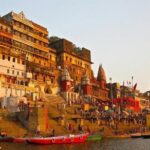
One morning in Varanasi hits differently. This 3-hour Assi Ghat boat-and-walk route connects sunrise on the Ganga with old temple streets and the city’s most important riverfront rituals. I especially love how the guide-led walk brings structure to the chaos, and I also love the calm, steady boat perspective on the ghats before you get down among the people.
Real talk: this tour is spiritual, but it’s also intense. Expect lots of walking on uneven ground, and you’ll see cremation areas along the way—plus fog or river conditions can change whether the sunrise boat runs as planned.
In This Review
- Key highlights you’ll feel right away
- Assi Ghat to Mankarnika: why this tour’s format works
- What the 3-hour plan really looks like on your feet
- The sunrise boat on the Ganga: what you gain (and what can change)
- Walking beyond the obvious: temples, stories, and narrow lanes
- Harishchandra cremation area and Mankarnika: seeing ritual with care
- The Moghul area workshops: silk and fabrics on manual looms
- Food and drinks included: tea, coffee, and a traditional breakfast
- Guide quality makes the difference (and Ravi is the example)
- Price and value: what $35 gets you for 3 hours
- Who should book this, and who should skip it
- Should you book the Varanasi Boat & Tour?
- FAQ
- Where is the meeting point?
- How long is the Varanasi Boat & Tour?
- What is the price per person?
- What languages are the live guides?
- Is this a private group tour?
- What’s included in the tour?
- What is not included?
- Does the tour allow alcohol or drugs?
- Are high-heeled shoes allowed?
- Is it possible to cancel for a refund?
Key highlights you’ll feel right away
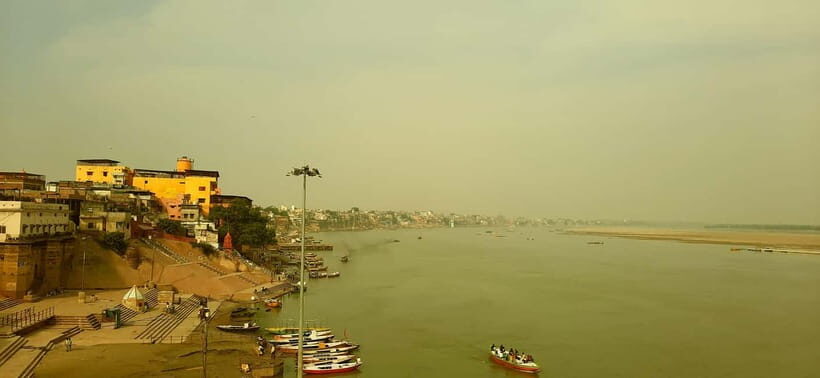
Ganga boat views timed for the morning atmosphere from Assi Ghat
Temple-and-lane walking that reaches beyond the usual sights
Cremation ghats explained with sensitivity at Harishchandra and Mankarnika areas
A stop in the Moghul area workshops where Varanasi silk/fabrics are made on manual looms
English/Japanese private guide who can adjust the route when conditions shift
Included tea/coffee and a local traditional breakfast to keep energy up
Assi Ghat to Mankarnika: why this tour’s format works
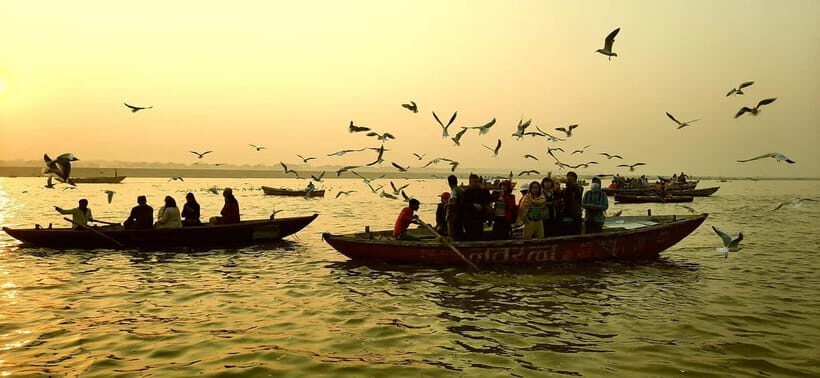
Varanasi can feel like information overload. The river is busy, the lanes twist, and the sights can look similar until someone helps you connect the dots. That’s why this boat-plus-walk format is so useful: the boat gives you the big picture, then the walking gets you close to the details and the daily rhythms.
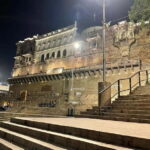
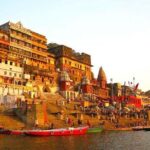
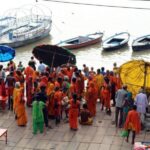
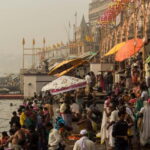
You start at Assi Ghat (meeting at Subah E Banaras Ghat). From there, you take in the ghats from the water, so you can understand how everything lines up along the Ganga. After that, the walking part drops you into the old-city maze—temples, workshops, and the cremation ghats—so you’re not just looking at Varanasi, you’re learning how it functions.
I like that the tour doesn’t treat the riverfront as a single postcard. Instead, it shows you the city’s spiritual logic: Hindu stories and key deities, why certain places matter, and how rituals play out in public.
You can also read our reviews of more boat tours in Varanasi


What the 3-hour plan really looks like on your feet
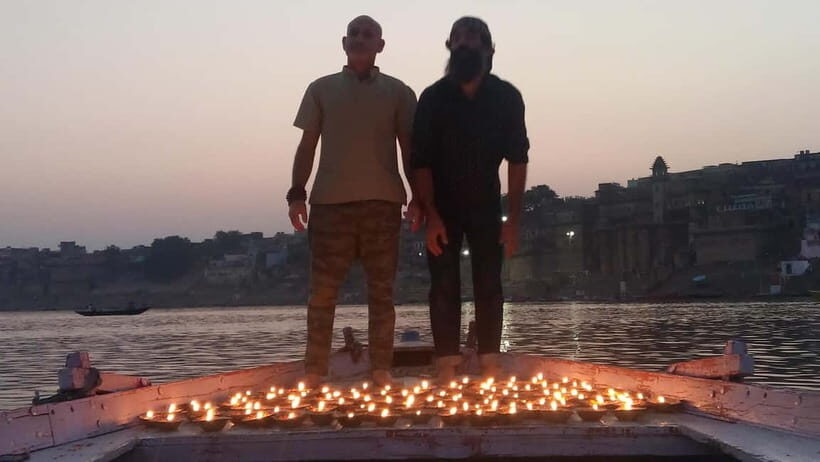
This is a compact tour, so timing matters. You’re out for about 3 hours, moving between the waterfront and the old lanes. The day starts from the Assi Ghat area, and the program is built around going from major riverfront points into the tighter streets, then back toward a finishing point near refreshments.
A typical flow goes like this:
- Begin at Assi Ghat near Subah E Banaras Ghat with your guide, who sets expectations and gives context about Varanasi and the spiritual importance of the Ganga.
- Walk through temple and old-street areas, learning why certain gods, stories, and spaces are connected. You’ll also pass places tied to everyday devotion and local religious life.
- See the cremation-ghat zones at smaller Harishchandra-area cremation grounds first, then continue walking toward the large cremation area at Mankarnika.
- Add craft and local-production stops, including the Moghul area workshops where silk and fabric work happens on manual looms.
- Finish with included refreshments (tea/coffee), and a local traditional breakfast is included as part of the experience.
Because it’s only 3 hours, you won’t feel dragged from stop to stop. You’ll feel busy—but it stays focused on the big story: Varanasi as a living religious city, not just scenery.
The sunrise boat on the Ganga: what you gain (and what can change)
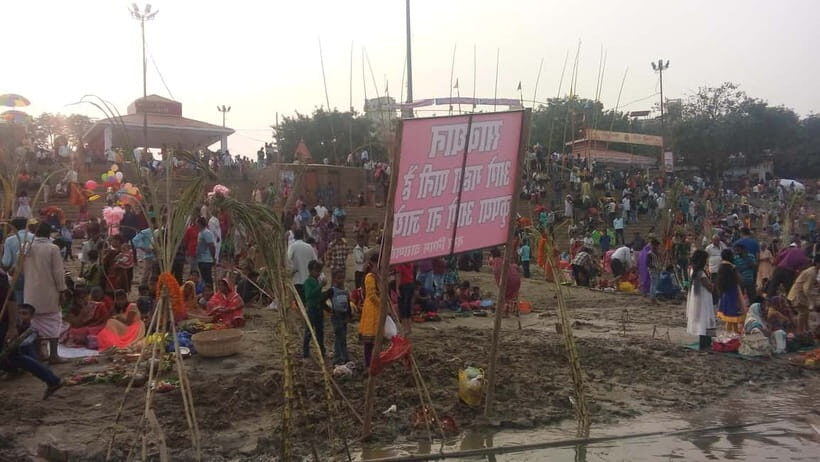
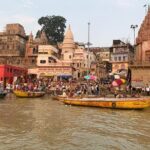
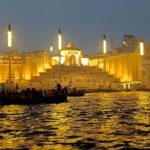
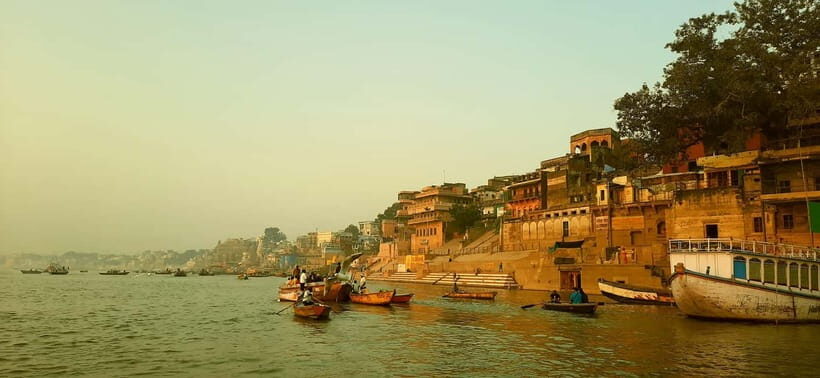
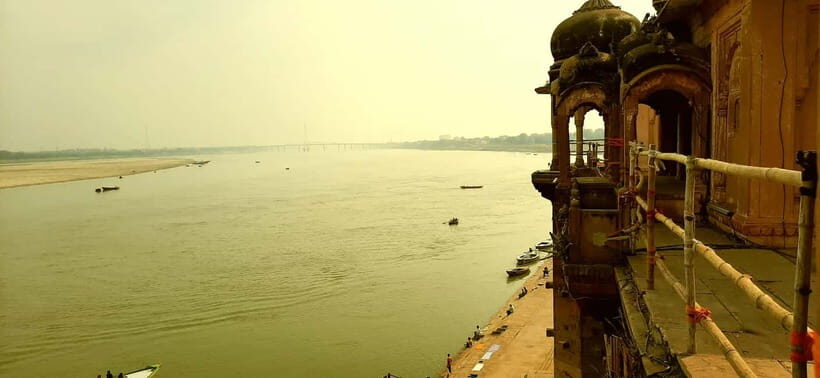
If the morning conditions cooperate, the boat ride is one of the best ways to get your bearings fast. From the water, the ghats read like a map. You can watch how pilgrims and activity cluster along the riverbank, and you understand why Varanasi’s riverfront architecture is more than background.
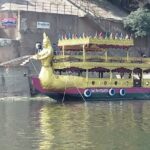
This boat element is included, and it’s often described as a larger tourist boat (some boats are two-tier). In one case, a guide even worked to accommodate preferences—like switching toward a smaller faster boat when that was the vibe you wanted. Just know that boats can vary by timing, availability, and weather.
Two practical realities to keep in mind:
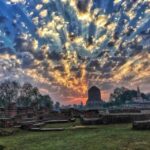
- Fog can ruin sunrise visibility. A good guide will adjust rather than force a bad view.
- High water or flooding can change boat operations. In one scenario, the boat couldn’t run and the guide shifted to a walking-based experience that still reached lesser-visited areas.
So while sunrise is the goal, you’re really booking a flexible morning plan led by a pro—not a guaranteed cinematic sunrise shot.
Walking beyond the obvious: temples, stories, and narrow lanes
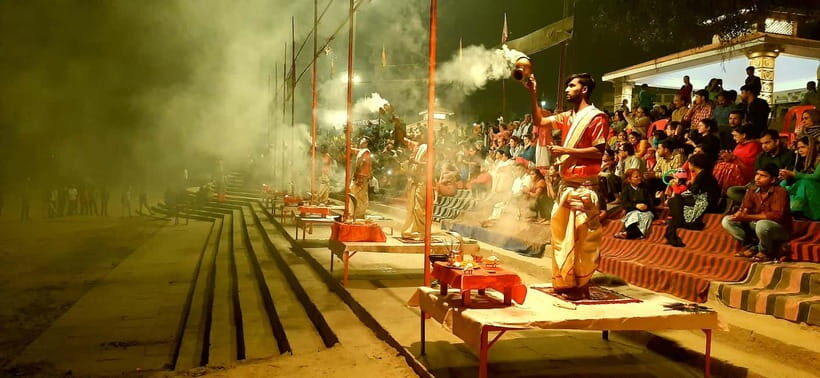
Once you step off the riverfront and into the old streets, the tour becomes more personal. This walking section isn’t just a list of buildings. Your guide explains why the city’s sacred geography matters—along with key Hindu concepts and gods such as Shiva, Durga, Ganesha, mother Ganga, Krishna, and Vishnu.
One standout stop in the walking portion is a visit to a traditional akhara (gym) associated with Tulsi Das. That’s a detail you likely won’t find if you only follow mainstream temple-route advice. It connects the city’s spirituality to discipline—physical practice tied to faith.
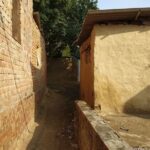
Then you’ll move through narrow streets that many casual visitors never see. These lanes can feel like you’ve entered a different Varanasi. The guide’s job here is crucial: you’re not just walking between sights, you’re learning what you’re looking at.
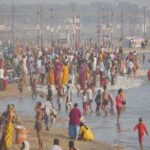
There’s also an important reminder tucked into the walking rhythm: some areas are respectful and quiet, and others are busy and everyday. Your guide helps you move through without acting like a tourist in someone’s home.
Harishchandra cremation area and Mankarnika: seeing ritual with care
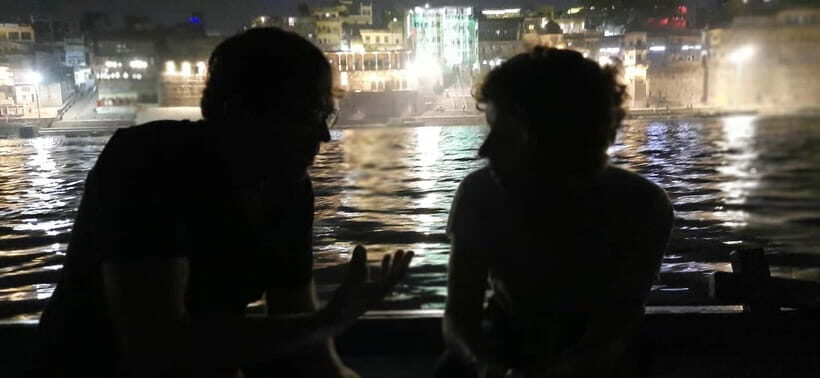
Cremation ghats are the most sensitive part of the tour, and your guide frames them with context. You won’t just be staring at the riverbank; you’ll get explanations of how Hindu cremation works and what it means in the wider spiritual picture.
You first come to a smaller cremation place called Harishchandra ghat, where the guide explains how Hindu cremation is carried out. After that, the walking continues toward Mankarnika, the larger cremation area.
A big practical note: the tour does not include photography at cremation places, and temple photo rules can be restricted too. The idea is simple—respect the people using these spaces and follow local guidance.
If you’re sensitive to death-related rituals, take that seriously. This isn’t a watered-down version. On the other hand, if you come with curiosity and a respectful mindset, having a guide who can explain what you’re seeing can make the experience far less confusing and far more humane.



The Moghul area workshops: silk and fabrics on manual looms
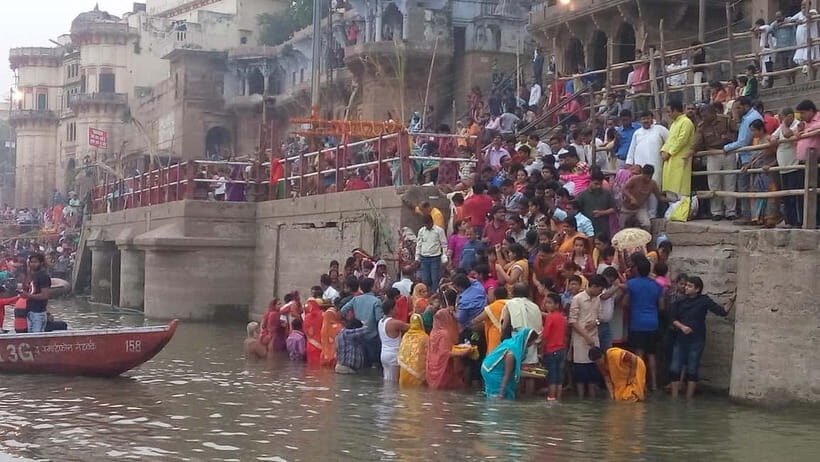
One of the reasons I like this tour is that it doesn’t only focus on ceremonies. You also get a glimpse of Varanasi as a working city.
A stop in the Moghul area brings you to workshops where Varanasi silk and fabric production happens on manual looms. Even if you don’t buy anything, it’s eye-opening to see how labor and tradition create what the city is known for.
This is also where the tour feels grounded. Boat rides and cremation ghats explain the spiritual side, but silk workshops show the everyday side—how craft supports local life and identity.
If you do want to shop, go in with calm expectations. Prices and quality vary, and you’ll make better decisions if you treat it like meeting an artisan, not like a sales sprint.
Food and drinks included: tea, coffee, and a traditional breakfast
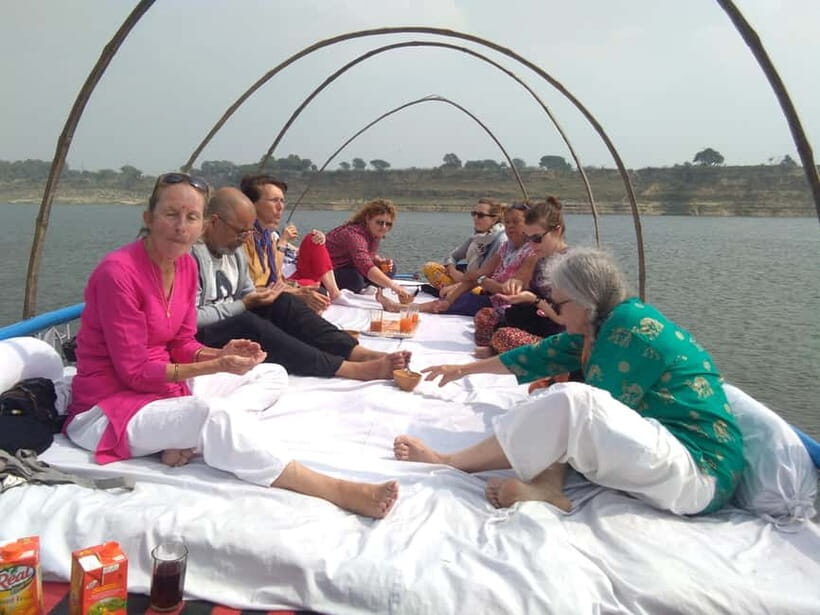
This tour includes mineral water plus tea or coffee during the experience. That matters in Varanasi because you’ll be moving in real heat and real crowds.
Also included is a local traditional breakfast. If you’re doing a morning version, breakfast usually feels like the right bookend: the mind is full, the legs are tired, and you get a simple reset before continuing your day.
One small practical tip: plan to arrive hungry-ish. The walking can’t be rushed, and you’ll appreciate having food covered.
Guide quality makes the difference (and Ravi is the example)
What turns a good tour into a great one is the guide. With this experience, you’re getting a live guide in English (and the tour listing also notes Japanese). A private group is key here; you don’t get stuck listening to someone else’s pace and questions.
In multiple cases, the guide named Ravi is praised for being kind, professional, and flexible—like meeting people early to catch ceremonies when possible, and adjusting plans if sunrise conditions aren’t favorable. That flexibility shows up in real ways:
- If fog blocks sunrise visibility, the guide can shift to a later boat time rather than pretend it’s the same.
- If river conditions prevent boat access, the guide can still deliver a valuable walk and take you into areas you wouldn’t find alone.
You’ll also notice the storytelling style: you’re not hearing random facts. You’re getting explanations that tie gods, rituals, architecture, and daily life together.
And yes, there’s a human side: one account describes a guide who brings chai, checks comfort, and helps you feel at ease. In Varanasi, that emotional comfort matters as much as the content.
Price and value: what $35 gets you for 3 hours
At $35 per person, you’re paying for more than a taxi to a couple of sites. You’re getting:
- a Ganga boat experience
- a private live guide in English/Japanese
- tea/coffee and mineral water
- a local traditional breakfast
If you were to piece this together yourself, you’d usually spend money on transport, then still need an expert to connect the sights into a coherent story. The tour saves you that time and confusion.
The best value comes if you care about understanding the spiritual logic, not just collecting photos. If that’s your goal, the price is pretty fair for what you receive.
Who should book this, and who should skip it
This is a walking-focused experience with major cultural and spiritual sites, so match it to your body and temperament.
You’ll like it if you:
- want a morning start and a boat-and-walk mix
- enjoy learning how religions and rituals work in real life
- can handle uneven walking surfaces and crowds
- feel comfortable seeing cremation areas with respectful context
You might skip it if:
- you’re using a wheelchair (not suitable)
- you’re over 70 (not suitable)
- you have hearing impairment (not suitable)
- you prefer tours with minimal exposure to death-related rituals
Also follow the practical rules: high-heeled shoes aren’t allowed, and the tour bans alcohol and drugs.
Should you book the Varanasi Boat & Tour?
I’d book it if you want Varanasi to make sense. The boat component gives you a big-picture view of how the ghats work. Then the walking section turns those views into explanations—temples, akhara traditions linked to Tulsi Das, and the cremation areas explained with care.
Choose it if your ideal day includes one part visual and one part human: river views in the morning, then close contact with the city’s spiritual realities and craft life. It’s not a casual stroll, but it is a focused, guided route through some of Varanasi’s most meaningful places.
Skip it if you’re looking for easy sightseeing only, or if you’d struggle emotionally with cremation sites even with explanation. And go in expecting that weather and river conditions can affect sunrise boating. A good guide handles that with adjustments, not with excuses.
FAQ
Where is the meeting point?
The meeting point is at Assi Ghat, at a place called Subah E Banaras Ghat.
How long is the Varanasi Boat & Tour?
The duration is 3 hours.
What is the price per person?
The price is $35 per person.
What languages are the live guides?
The live guide is available in English and Japanese.
Is this a private group tour?
Yes, it is listed as a private group.
What’s included in the tour?
Mineral water, tea/coffee, and a local traditional breakfast are included.
What is not included?
Photography at both cremation places is not included, and some temple inside photography is also not included.
Does the tour allow alcohol or drugs?
No. Alcohol and drugs are not allowed.
Are high-heeled shoes allowed?
No, high-heeled shoes are not allowed.
Is it possible to cancel for a refund?
Yes. Free cancellation is available up to 24 hours in advance for a full refund.