You’ll feel Varanasi before breakfast. This private Holi-flavored day strings together a sunrise Ganges boat ride and the night’s Dashashwamedh Aarti with Hindu and Buddhist landmarks, plus time to see how people actually live along the river. Two things I really like: you start early enough to beat the heat and crowds, and you get an English-speaking guide who can explain what you’re looking at, not just point.
One thing to consider: it’s a long day (about 10 hours) with no lunch or monument tickets included, so you’ll want to budget a bit extra and plan where you’ll eat on your own between the morning and Sarnath stops.
Key moments you’ll care about
- 6:00 am pickup and a sunrise river start that keeps the day moving
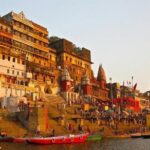
- Sunrise boat ride on the Ganges with temples and riverside life in view
- BHU and the Durga (Monkey) Temple for campus energy and ornate architecture
- Sarnath landmarks after lunch including Dhamek Stupa and Chaukhandi Stupa
- Dashashwamedh Ghat Aarti with priests, mantras, drums, bells, and cymbals
- Private, air-conditioned vehicle plus a guide who stays with you all day
In This Review
- A 6:00 am pickup and a sunrise boat ride that sets the tone
- Temples and everyday rituals along the Ganga (and why it’s not just sightseeing)
- BHU and the Durga (Monkey) Temple: a sharp left turn from the river
- Sarnath after lunch: Buddhist monuments with a calmer feel
- The grand Dashashwamedh Ghat Aarti: why the sound matters
- What the $53 price gets you—and where costs can pop up
- Private vehicle + guide support: the real comfort factor
- Practical tips so your day goes smoothly
- Should you book the Private Holi Tour of Varanasi?
- FAQ
- What time does the tour start?
- How long is the tour?
- Is this tour private?
- What’s included in the price?
- Is lunch included?
- Are monument entrance tickets included?
- Where do you get picked up from?
- What’s the main evening activity?
- What if it rains or the weather isn’t good?
- Can I cancel for a full refund?
A 6:00 am pickup and a sunrise boat ride that sets the tone
Varanasi works best when you catch it early. This tour begins with pickup from your hotel (and also from within Varanasi at the train station or airport), with an indicated start time of 6:00 am. That early kick matters because the Ganges changes fast: morning light turns the river and ghats into something you can actually take in, and the air is usually more comfortable before the city heats up.
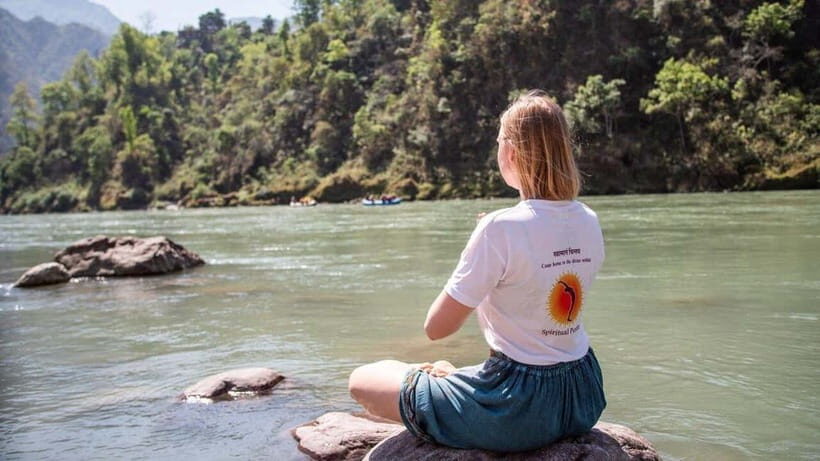
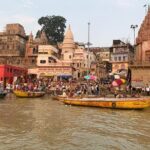
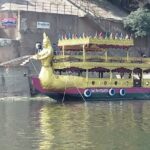
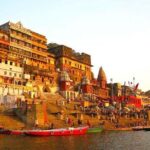
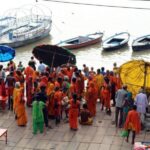
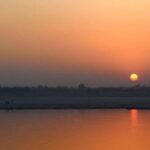
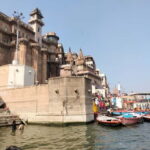
Then comes the sunrise boat ride on the Ganges. The point isn’t just photos. From the water, you get a different sense of the city’s layout—where the temples sit, how the river life flows, and how people move along the steps. You’ll also get a chance to see many of the temples lining the Ganga and get a closer view of Hinduism as it’s practiced day to day.
If you’re coming for a quick visit, this is one of the smartest ways to use your time. You’re not stuck driving across town first; you’re learning the city’s “rhythm” right away.
Temples and everyday rituals along the Ganga (and why it’s not just sightseeing)
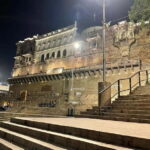
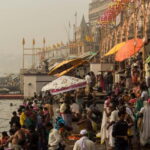
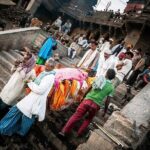
After the boat ride, the day keeps its focus on the riverfront. You’ll visit temples along the Ganges and spend time looking closely at religious spaces and the daily flow around them. Varanasi isn’t a museum city—you’re watching living traditions and routines that continue in the background while ceremonies happen at the front.
This is also where a guide earns their keep. An English-speaking guide can explain what you’re seeing, including the meaning behind temple architecture and what certain riverside spaces are used for. Even when you don’t catch every detail, you start to recognize patterns: where people gather, how devotees prepare, and how the river acts like a shared public space.
Practical note: dress respectfully. Even though this is a tour, you’ll be walking at least a bit, and you may also spend time near active religious areas. Light layers help for the morning chill and later heat, and keep an extra scarf or shawl handy if you’re sensitive about covering.
You can also read our reviews of more boat tours in Varanasi
BHU and the Durga (Monkey) Temple: a sharp left turn from the river
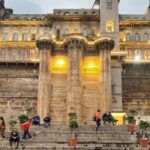
Next up is the city tour toward Banaras Hindu University (BHU). This place is known as an internationally reputed temple of learning, and it’s not a small campus. The day’s schedule is designed so you move from the river’s spiritual pull to a different kind of presence—students, daily life, and big institutional energy.
BHU (formerly Central Hindu College) was established in 1916 by Madan Mohan Malaviya, and with over 30,000 students residing on campus, it has the feel of a living city inside the city. Even if you’re not on a campus tour, you’ll get context for why Varanasi is also a center of study and debate, not only ceremony.
After that, you head to the Durga (Monkey) Temple. This stop is famous for its ornate look—built in a typical north Indian style with an ornate shikhara in segments. The temple is devoted to Durga, Parvati’s terrifying aspect (and a form of Shakti, divine female energy). The “Monkey” part of the name points to the temple’s well-known monkey activity, so expect a lively atmosphere around the site.
Possible drawback here: it can be chaotic in the way famous temple areas often are. If you don’t like crowds or you’re uneasy around animals, keep your hands close and your belongings secure. A good guide will help you move through smoothly.
Sarnath after lunch: Buddhist monuments with a calmer feel
Lunch isn’t included, but the plan clearly gives you time for it before moving on to Sarnath. This is useful: you’re not trapped waiting for a restaurant to match the schedule. You can eat nearby, then continue once you’re ready.
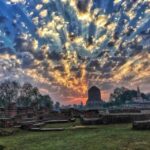
Sarnath sits about 10 kilometers northeast of Varanasi, near where the Ganges and Varuna rivers meet. It’s one of the key places tied to early Buddhism. The tour’s Sarnath portion covers several high-value sites in a single block, so you can see the story unfold without hopping between locations on your own.
Here are the stops you’ll hit, and why each one matters:
- Dhamek Stupa: a major monument associated with the Buddhist landscape of Sarnath.
- Chaukhandi Stupa: another important stupa that adds variety to the skyline of ruins and shrines.
- Sarnath Museum: set up to show archaeological findings and excavations from the Sarnath site. If you like understanding how archaeologists piece together the past, this museum stop is a good match.
- Mulagandha Kuti Vihar: a modern temple with excellent frescoes. It’s also tied to Buddhist literature and connects to the ancient Mulagandha Kuti Temple ruins.
The best part of doing these together is the pacing. You go from big stone structures to museum context and then to a more modern temple experience. It helps you stop thinking of Sarnath as a single ruin you passed once—and instead see it as an evolving site.
Also, keep expectations realistic. Some areas are part of an archaeological landscape, so wear comfortable shoes and expect uneven ground.
The grand Dashashwamedh Ghat Aarti: why the sound matters
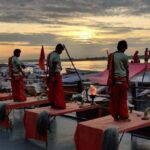
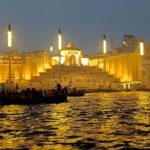
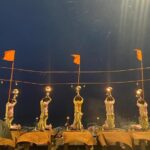
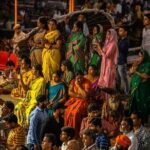
The evening highlight is one of Varanasi’s signature experiences: the grand Aarti ceremony performed by several priests on the banks of the Ganges at Dashashwamedh Ghat. This tour schedules the ceremony late enough that you’re arriving when it feels like night has started to settle in—perfect timing for a ritual that depends on atmosphere.
What I love here is the sensory detail. You’ll hear a blended sound of Sanskrit mantras, drums, bells, and cymbals. That soundtrack is the whole point. The ceremony isn’t just something to watch; it’s something to hear, and the timing makes the sound carry the way it should.
After the main ceremony, there’s also a little walking before you’re dropped back to your hotel. That short walk can help you orient yourself for the area and absorb what you just saw without rushing you into the next stop.
Small consideration: religious ceremonies can be emotionally intense, and they’re often crowded. If you’re sensitive to close-quarters spaces, tell your guide. They can usually help you position yourself better so you get a clear view without feeling pressed.
What the $53 price gets you—and where costs can pop up
At $53 per person for a private, air-conditioned, English-guided day, this is a strong value package—especially for a city where the “best parts” are spread out. You’re paying for an early start, a boat ride, a guide, and transport, plus breakfast and walking time on the ground.
Here’s what’s clearly included:
- Private air-conditioned vehicle
- English-speaking guide
- Sunrise boat ride on the Ganges
- Walking tour of Varanasi
- Breakfast
- All mentioned sightseeing places (the guided stops)
- Applicable taxes
- Pickup from within Varanasi (hotel, train station, or airport)
And here’s what’s not included:
- Lunch
- Dinner
- Alcoholic beverages
- Tips
- Monument entrance tickets
That last line is important. Some temples and Buddhist sites may have entrance fees depending on your exact access. Even if some viewing is free, don’t assume it’s all covered. Bring a little extra cash or be ready to pay for tickets for any monuments that require it.
Also: the tour is described as private (only your group participates), but “group discounts” are mentioned as a feature. In practice, that can mean the operator may sometimes offer pricing tweaks if you bundle or book in a way that groups similar parties together. Either way, it’s still private.
You can also read our reviews of more guided tours in Varanasi


Private vehicle + guide support: the real comfort factor
In Varanasi, comfort is more than air-conditioning. It’s reducing time lost to navigation, figuring out which entrances make sense, and having someone explain what you’re seeing so you don’t miss the meaning.
This tour includes a private air-conditioned vehicle all day, which helps especially during the midday gap when you’re moving from the river area to BHU and then onward to Sarnath. With a tight schedule, you don’t want to be bargaining for rides or splitting taxis at every stop.
Your guide is also the bridge between you and the local culture. You get an English-speaking guide who can interpret customs and history in real time—exactly the kind of help you want for religious sites, where a small detail can change how you understand the whole place.
And if you’re worried about being rushed, the private format generally gives you more flexibility for what you notice and how long you pause. The schedule is still structured, but it’s not a cattle-car group push.
Practical tips so your day goes smoothly
- Start with light layers: 6:00 am can feel cooler than midday, and you’ll be out for hours.
- Respect temple rules: cover shoulders and wear modest clothing. Remove sunglasses near ceremonies if you want to blend in better.
- Bring water and a snack plan: breakfast is included, but lunch isn’t. Decide where you’ll eat around the Sarnath timing.
- Money for small extras: entrance tickets and tips aren’t included, and you’ll likely want small purchases along the way.
- Be ready for crowds near ghats: the Aarti area can get packed. Stand where you can see and hear without blocking others.
- Holi note: this is called a Private Holi Tour, but the stops provided focus on Ganga rituals, Hindu temples, and Sarnath monuments. If you’re hoping for a specific Holi moment, ask the guide what the festival looks like on your date.
Should you book the Private Holi Tour of Varanasi?
Book it if:
- You want a full Varanasi day without planning five separate trips.
- You like your sightseeing with a clear “story arc” from the river to education to Buddhist landmarks to the big nighttime ritual.
- You appreciate an English-speaking guide who helps you understand what you’re seeing instead of just transporting you around.
Skip it or reconsider if:
- You hate early mornings (the 6:00 am start is real).
- You dislike crowds around ceremonial spaces like Dashashwamedh Ghat.
- You’re counting on lunch being included (it isn’t), and you’d rather have a fully meal-covered package.
If you’re visiting for a short time, this is one of the more efficient ways to taste Varanasi’s spiritual sides in a single day. The sunrise boat ride sets the mood, Sarnath adds calm and context, and the Aarti gives you the sound-and-light memory you’ll keep.
FAQ
What time does the tour start?
The tour starts at 6:00 am, with early pickup based on your location in Varanasi.
How long is the tour?
It runs for about 10 hours.
Is this tour private?
Yes. It’s described as private, meaning only your group participates.
What’s included in the price?
Included features are a private air-conditioned vehicle, an English-speaking guide, the sunrise boat ride on the Ganges, a walking tour of Varanasi, breakfast, sightseeing stops, all applicable taxes, and pickup from within Varanasi (hotel, train station, or airport).
Is lunch included?
No. Lunch is not included.
Are monument entrance tickets included?
No. Monument entrance tickets are not included.
Where do you get picked up from?
Pickup is offered from within Varanasi, including hotels, train stations, or the airport.
What’s the main evening activity?
You’ll witness the grand Aarti ceremony at Dashashwamedh Ghat on the banks of the Ganges.
What if it rains or the weather isn’t good?
The tour requires good weather. If it’s canceled due to poor weather, you’ll be offered a different date or a full refund.
Can I cancel for a full refund?
Yes. You can cancel up to 24 hours in advance for a full refund. Cancellation within 24 hours isn’t refundable.