REVIEW · VARANASI
Private Day Tour in Varanasi
Book on Viator →Operated by Praveen Pathak · Bookable on Viator
Morning in Varanasi moves fast. This private day tour strings together the big spiritual scenes in the right order, starting with a dawn boat ride and ending with the Ganga Aarti ceremony. I love having Praveen Pathak as a guide for the old-city maze, and I love how the schedule stacks iconic ghats like Dasaswamedh with major temples and a university stop without feeling random. One thing to consider: it’s an early start and there’s some walking around narrow lanes and ghats, so comfortable shoes matter.
The main drawback is timing pressure. If you arrive late, the day can feel shorter than the range you might expect, because the route is built around set ceremony times and travel between stops.
In This Review
- Key highlights to know before you go
- A Dawn Boat Ride Plus Ganga Aarti in One Day
- Private transport and a guide for Varanasi’s maze
- Stop by Stop: Dasaswamedh Ghat to the cremation ghats
- Dasaswamedh Ghat: morning rituals and sunrise energy
- Harishchandragad: cremation at the river’s edge
- Manikarnika Ghat: traditions, procession, and ceremony
- Kashi Vishwanath Temple: a central Hindu pilgrimage site
- Monkey Temple (Durga Temple): devotion in a compact stop
- Banaras Hindu University: a modern pause in an old city
- Ganga Aarti: how to make the final hour count
- Price and value: what $67 really buys you
- Timing realities: early start, fixed ceremonies, and pacing
- Who should book this tour (and who should skip it)
- Should you book this private Varanasi day tour?
- FAQ
- What time does the tour start?
- Where is the meeting point?
- How long is the tour?
- Is transportation included?
- Is the boat ride included?
- What stops are included during the day?
- Are meals included?
- Are site admission tickets included?
- How many people are in the group?
- What if the weather is bad?
Key highlights to know before you go
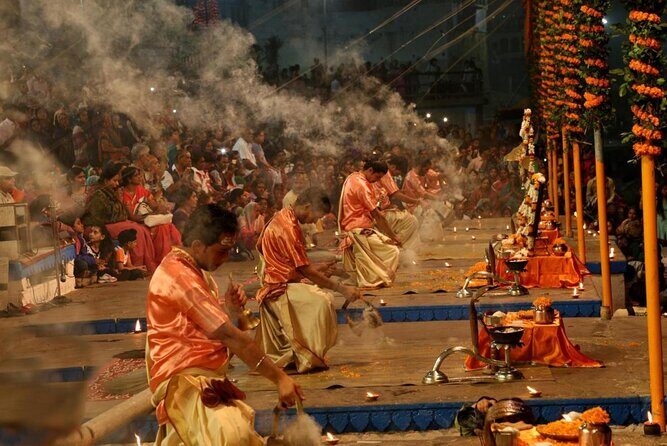
- Dawn boat + evening Ganga Aarti in one day, with both rituals covered
- Praveen Pathak guides you through ghats, temples, and the logic of Varanasi
- Iconic ghats such as Dasaswamedh, Harishchandragad, and Manikarnika
- Kashi Vishwanath Temple and the Durga/Monkey Temple stop included
- Banaras Hindu University gives you a break from the religious sights
- Small-ish group size (up to 20), even though the feel is guided and organized
A Dawn Boat Ride Plus Ganga Aarti in One Day
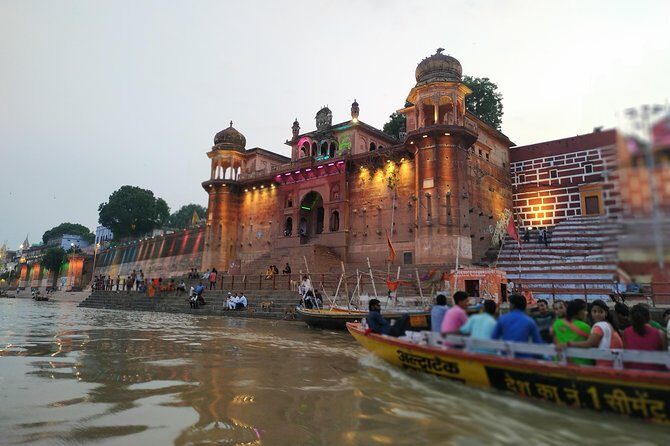
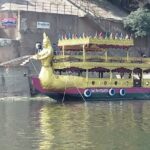
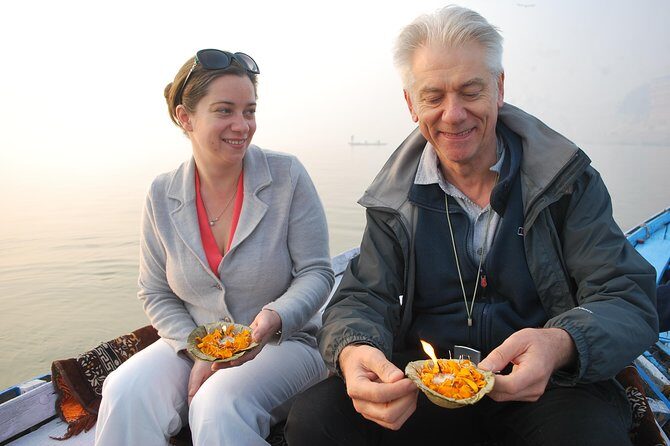
If you only have one day in Varanasi, you want the moments people actually remember. This tour is built for that. You start early with a boat ride that shows riverbank life in the morning, when pilgrims are already moving and the ghats are at their most active. Then, after temple and old-town exploring, you close with the evening worship ceremony on the Ganga—when the city’s spiritual energy really peaks.
I like that the day isn’t just “see everything.” It has a rhythm: morning river rituals, then land sights, then a ceremony that finishes the story. That order helps you understand what you’re looking at, instead of bouncing from place to place.
You can also read our reviews of more private tours in Varanasi
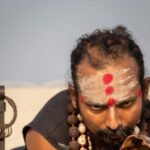
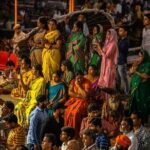
Private transport and a guide for Varanasi’s maze
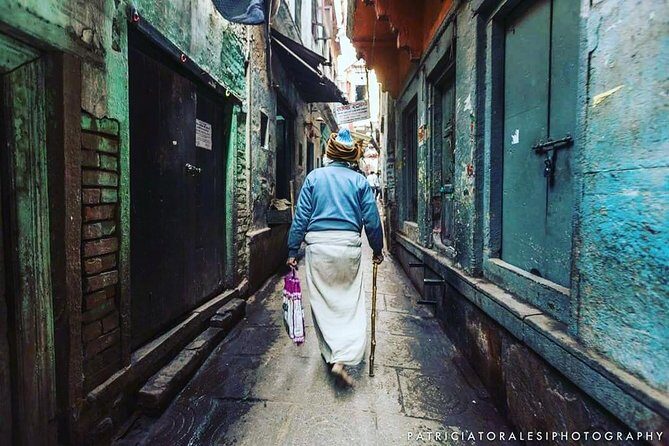
Varanasi is famous for lanes that seem designed to confuse visitors. Having a guide matters here more than it does in many cities. With Praveen Pathak, you get explanations as you move—why a ghat exists, what people are doing there, and how the old town connects. You also avoid the stress of figuring out routes at dawn, when it’s dark and crowded.
The tour includes private transportation and a guide, plus the boat ride. Still, I’ll be honest: Varanasi is partly a walking city. Even with transport, you’ll likely do some moving on foot near the ghats and through tighter areas. One review even complained the day felt more on foot than expected—so do plan on walking time and not only rely on vehicles.
Stop by Stop: Dasaswamedh Ghat to the cremation ghats
This is the heart of the experience, and it’s the part you’ll talk about afterward.
Dasaswamedh Ghat: morning rituals and sunrise energy
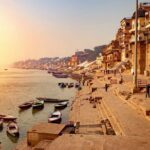
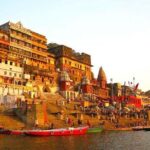
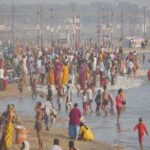
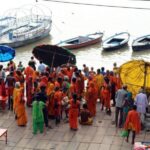
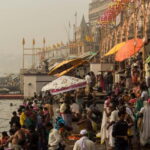
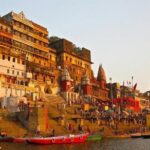
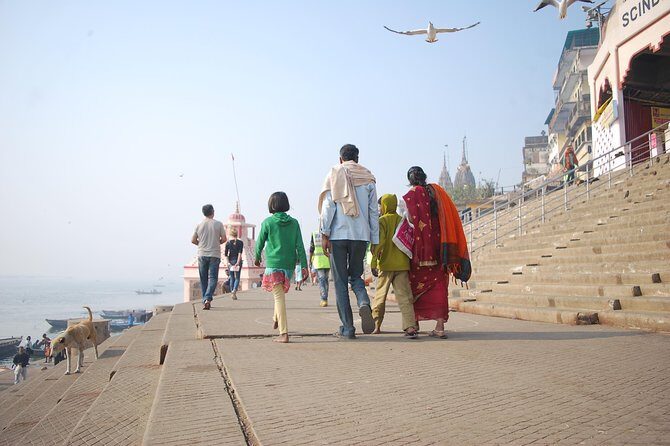
You begin at Dasaswamedh Ghat, described as one of the oldest ghats in Varanasi. This is where you’ll see pilgrims bathing and you’ll get a chance for photos during the morning light. There’s a focus on wide-angle views and a sunrise feel, which is exactly the right use of early morning time.
What to watch for: people move with purpose here—bathing, washing, and performing acts that are meaningful to them. As a visitor, you’ll get the most value if you keep your pace slow and let your guide translate what you’re seeing.
Harishchandragad: cremation at the river’s edge
Next is Harishchandragad, with an emphasis on cremation—including the burning of bodies. This is not the kind of stop you can treat like a standard sightseeing photo-op, because it’s emotionally intense and culturally specific.
I recommend going in with awareness. If you’re sensitive about death rituals, prepare yourself mentally. The tour notes keep the visit short, but it’s still a powerful sight. Having a guide helps you keep the experience respectful and less confusing.




Manikarnika Ghat: traditions, procession, and ceremony
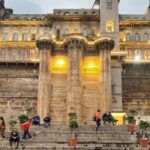
Then you move to Manikarnika Ghat, another cremation ghat, where the tour highlights the Hindu tradition of rituals and procession. Like Harishchandragad, this is a place you should approach quietly and with understanding.
The value here is not just seeing flames. It’s seeing how ceremony, belief, and daily river life connect. You may not agree with the practices, but you’ll leave with better context for why Varanasi looks the way it does.
Kashi Vishwanath Temple: a central Hindu pilgrimage site
After the ghats, the mood shifts to the temple world. Kashi Vishwanath Temple is one of the most important Hindu temples, and the stop gives you a feel for why pilgrims travel here. You’re not just passing by—you’re entering a place with strong religious momentum.
Practical note: temples can be busy and rules can change. Keep your schedule flexible and follow your guide’s lead so you don’t waste time standing in the wrong spot.
Monkey Temple (Durga Temple): devotion in a compact stop
Next is Monkey Temple (Durga Temple). The tour frames it as an important temple for Hindu pilgrims. This stop is shorter, so think of it as a side-door into another layer of devotion rather than your main target.
I like short stops like this when you’re covering a lot in one day. You get variety without dragging the pace.
Banaras Hindu University: a modern pause in an old city
After temples and ghats, the tour includes Banaras Hindu University, noted as one of the oldest universities in India. This is a good break for your brain. You’re still in Varanasi, but you’re no longer staring only at sacred ritual.
A stop like this also helps you see the city as more than just pilgrimage. Students, education, and daily routines are part of Varanasi too. Even if you only spend a short time here, it adds balance to the day.
Ganga Aarti: how to make the final hour count
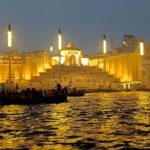
The day ends with Ganga Aarti, an evening ceremony that the tour schedules for about one hour.
This is the part where timing matters most. If you’re rushed, you’ll miss details. With a guided day, you arrive ready instead of scrambling. I also like that the tour builds up to this moment—after seeing river rituals in the morning and understanding the ghats, the evening ceremony feels less mysterious and more grounded.
What to do with your time: stand where you can see the ceremony and listen to what your guide is explaining. If you want photos, ask where to position yourself so you don’t block other people.
Price and value: what $67 really buys you
At about $67 for a 6 to 10 hour day, this tour is priced to compete with a lot of “big highlights” trips—but with more structure. You’re paying for three main things:
- A private guide (Praveen Pathak) who helps you interpret what you’re seeing
- Private transportation for moving between dispersed points
- A boat ride included in the morning
Meals aren’t included, and that’s normal for tours like this. Alcoholic beverages also aren’t included. In practice, this means you should budget for lunch or snacks on your own and plan hydration, especially because mornings in Varanasi can feel intense even before noon.
Also, the tour notes list admission for the listed stops as free. Still, one past experience mentioned entrance fees paid on the ground. I can’t predict what you’ll encounter, but I suggest a simple approach: ask your guide early which costs are truly covered and which are optional or situation-based. That keeps the day from turning into surprise spending.
Timing realities: early start, fixed ceremonies, and pacing
Start time is listed for 5:30 am, and the tour finishes back at the meeting point. In at least one case, the guide arrived earlier and the tour ran late into the afternoon. That gives you a clue about the “real” experience: it can run as a full day, not a quick hit.
Here’s how I’d plan your day around it:
- Be ready to meet promptly at the start, because the schedule is built around morning river activity and the evening ceremony.
- Wear comfortable shoes. Even with transport, you’ll be moving around ghats and temples.
- Bring a light layer for early morning, then adjust as the day warms up.
- If you’re thinking about extra boat time, clarify what’s included. One response indicated extra boating can be charged if requested.
The tour’s maximum group size is up to 20 travelers. That can affect how crowded places feel, especially at temples and ghats. A guide helps, but you still share the space with other people during major rituals.
Who should book this tour (and who should skip it)
This tour is a strong fit if:
- You’re a first-timer and want a guided route through Varanasi’s key sites without getting lost
- You want both ends of the day covered: morning river activity and evening Ganga Aarti
- You value interpretation. The ghats and temples aren’t easy to read as a visitor, and having Praveen Pathak’s guidance makes the difference
You might skip it if:
- You prefer a lighter, less intense sightseeing day. The cremation ghats are part of the core itinerary, and they aren’t casual stops.
- You dislike early mornings or long days. This is a commitment from before dawn to evening.
Should you book this private Varanasi day tour?
If you want one guided day that hits the major spiritual landmarks in the right sequence, I think this is worth serious consideration. The biggest win is the combination of a dawn boat experience, guided context through the old city, and a proper ending with Ganga Aarti. The tour also has strong satisfaction markers for guide quality—especially with Praveen Pathak—so you’re not just buying transport and tickets.
Book it if you can show up on time, walk a bit, and handle emotional scenes respectfully. Skip it if you want a calmer, optional-itinerary style day, or if cremation-ritual sites would be too difficult for you.
FAQ
What time does the tour start?
The tour starts at 5:30 am.
Where is the meeting point?
It meets at St. Thomas Church, Luxa Rd, Luxmanpura, Varanasi, Uttar Pradesh 221001, India.
How long is the tour?
The duration is approximately 6 to 10 hours.
Is transportation included?
Yes. The tour includes private transportation.
Is the boat ride included?
Yes. The tour includes a boat ride.
What stops are included during the day?
The itinerary includes Dasaswamedh Ghat, Harishchandragad, Manikarnika Ghat, Kashi Vishwanath Temple, Monkey Temple (Durga Temple), Banaras Hindu University, and Ganga Aarti.
Are meals included?
No. Lunch and dinner are not included, and meals are at your own expense.
Are site admission tickets included?
The tour information lists the stops with admission ticket free.
How many people are in the group?
The tour notes a maximum of 20 travelers.
What if the weather is bad?
The tour requires good weather. If it’s canceled due to poor weather, you’ll be offered a different date or a full refund.