Jaipur in one organized day. This private tour strings together the big hits of the city without you chasing cars, arguing with drivers, or timing buses. I especially like the hotel or airport pickup that starts the day on rails, and the private air-conditioned car that makes the long sight-to-sight distances feel manageable.
The one drawback to plan around: entrance fees for some monuments are extra, and a couple of stops are photo-only since entry is restricted at places like Jal Mahal and Hawa Mahal.
In This Review
- Key things I’d circle before you go
- Price and What You Really Pay For
- How the Full Day Tour Actually Feels (5 to 8 Hours, Not Just a List)
- Amber Fort: The Morning Anchor (and Why It’s Worth It)
- Jal Mahal and Gaitore Ki Chhatriyan: Quick Stops With Big Atmosphere
- Jal Mahal (Water Palace): Photo-Stop Timing
- Gaitore Ki Chhatriyan: Royal Cremation Ground
- Jantar Mantar: The Science Stop That Doesn’t Feel Like Homework
- City Palace: Where Jaipur’s Royal Story Gets Real
- Patrika Gate and Hawa Mahal: Icon Photos, Real Limits
- Patrika Gate: Color and Pattern at Jawahar Circle
- Hawa Mahal: The Face of Jaipur (but Entry Isn’t Part of It)
- Guide and Driver Notes: What I’d Expect, and What to Watch
- Who This Tour Fits Best
- Should You Book This Jaipur Private Full Day Tour?
Key things I’d circle before you go
- Private, door-to-door convenience with pickup and drop from your hotel or the airport
- AC comfort + bottled water so you’re not baked by midday heat
- Included entry for the heavy hitters like Amber Fort, Jantar Mantar, and City Palace
- Photo-first stops built into the route at Jal Mahal and Hawa Mahal
- Guides who can work with traffic and your pace, with examples like Raghu, Rajesh Singh, and Kapil adjusting smoothly
Price and What You Really Pay For
At about $5 per person, this tour looks almost too good to be true. The trick is what’s included versus what’s not.
What you do get as part of the package:
- A private air-conditioned car with driver
- A live guide in your preferred language
- Mineral water bottles
- Driver allowances, plus tolls and parking
- Admission tickets are included for key sights (you’ll see which ones below)
What costs extra:
- Monument entrance fees for stops where entry isn’t included
- Meals and drinks
- Tips (optional)
So the value comes from reduced hassle and transportation costs. In Jaipur, sights are spread out. Paying for your own taxis all day can eat the budget fast. Here, the ride and the guiding are the main deal, and the stops are arranged so you don’t burn hours figuring it out.
How the Full Day Tour Actually Feels (5 to 8 Hours, Not Just a List)
The day runs roughly 5 to 8 hours, starting with pickup around 8:00 AM. That morning start matters. Amber Fort in the hotter part of the day is less fun, and getting in early gives you better light for photos too.
You’ll ride in a private AC vehicle, and you’ll have a guide for the major historical stops. The route includes:
- A big morning anchor (Amber Fort)
- A lunch break built into the flow
- Several quick, strategic stops for photos and viewpoints
- One or two science-and-royalty stops that take the rest of the afternoon
A practical tip: if you hate rushing, tell your guide early. Guides like Kapil and Kumar (from examples I’ve seen) are the type who help you use the time you have and adjust to your pace.
Amber Fort: The Morning Anchor (and Why It’s Worth It)
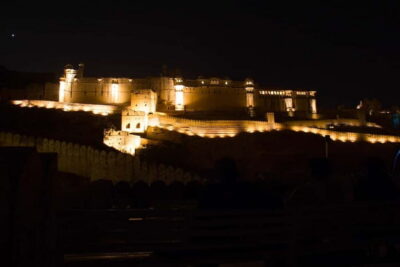
Amber Fort is the kind of place that makes Jaipur click. It’s a fort in Amer (near Jaipur), tied to the power of the region’s rulers, and the whole setting feels like you’re stepping into a different era.
On this tour, you’ll typically spend around 2 hours at the fort, and admission is included for this stop. That’s a win because entry adds cost and time when you’re doing it on your own.
What you’ll enjoy most here:
- The scale. This isn’t a quick look-and-leave site.
- The layered architecture and strong photographic angles.
- The chance to get context from a guide while you walk.
What to keep in mind:
- It’s a fort, so you’ll be walking on uneven ground.
- You may want to plan for crowds and stairs, depending on the day.
- If you’re short on time, stick close to the guide’s recommended route so you don’t drift into dead ends.
If your guide is someone like Raghu or Rajesh Singh, you may also get extra storytelling that makes the fort feel more specific than general guidebook talk. Rajesh Singh, for example, has been described as flexible when traffic got worse than expected, which helps your day stay intact.
Jal Mahal and Gaitore Ki Chhatriyan: Quick Stops With Big Atmosphere
After Amber Fort and a lunch break, the tour makes time for two places that are more about mood and views than long ticket lines.
Jal Mahal (Water Palace): Photo-Stop Timing
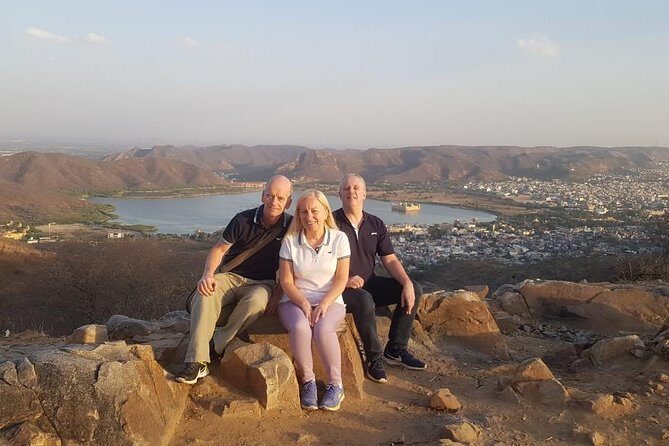
Jal Mahal is often called the Water Palace. On this tour, entry is not allowed, so you’ll mainly be stopping to take pictures. That sounds limiting, but it’s actually efficient.
Why this works:
- You get the signature view without losing hours.
- Your time stays focused on the monuments where entry is part of the plan.
If you’re a photo person, tell your guide what you like to shoot (wide skyline vs. tighter compositions). Some guides will aim for better angles based on lighting and crowd flow.
Gaitore Ki Chhatriyan: Royal Cremation Ground
Next comes Gaitore Ki Chhatriyan, the royal cremation ground for the Kachwaha Rajput rulers. It’s known for carved cenotaphs (chhatris) made with marble and sandstone, blending Rajput and Mughal styles.
This stop is short (about 20 minutes) and entry is free, which makes it a great palette cleanser after the larger, heavier fort visit.
One thing I like about this type of stop: you learn something different from the big-ticket monuments. It adds variety to the day, so the tour doesn’t feel like a repeat of the same style of place.
Jantar Mantar: The Science Stop That Doesn’t Feel Like Homework
Jantar Mantar in Jaipur is a collection of nineteen architectural astronomical instruments, created by the Rajput king Sawai Jai Singh II and completed in 1734. This is one of those places where a guide can change your experience fast.
On this tour, you’ll spend about 1 hour, and admission is included for Jantar Mantar.
What’s fun here:
- It’s practical science made visible in stone.
- Even if you’re not into astronomy, the instruments give you something concrete to understand while you walk.
What you might not love:
- If you prefer pure sightseeing without explanations, the educational side can feel like it slows the pace.
- The value is in the talk, so go with the guide and ask questions.
City Palace: Where Jaipur’s Royal Story Gets Real
City Palace is another major stop (about 1 hour), and admission is included here too. It matters because it connects the city’s identity to the rulers who shaped it.
The palace complex was established at the time Jaipur was founded. Maharaja Sawai Jai Singh II moved his court to Jaipur from Amber in 1727, and City Palace sits at the center of that story.
What I love about City Palace on a guided day:
- You get the timeline in plain language while you’re standing in the spaces.
- It’s easier to connect the dots between Amber Fort and Jaipur’s later power center.
A quick reality check:
- City Palace is more about complex spaces than a single photo moment. If you rush, you’ll miss the shape of the place.
Patrika Gate and Hawa Mahal: Icon Photos, Real Limits
The late-day portion focuses on two landmarks where the main goal is views and photos, not long interior time.
Patrika Gate: Color and Pattern at Jawahar Circle
You’ll stop at Patrika Gate, located at Jawahar Circle. This is known for its hand-painted murals showing Rajasthan’s culture, heritage, and history.
The stop is about 20 minutes, and entry is free. Since it’s mostly exterior, it’s a good moment to cool off a bit and reset your camera.
Hawa Mahal: The Face of Jaipur (but Entry Isn’t Part of It)
Then comes Hawa Mahal, the Palace of Wind, made of red and pink sandstone. You’ll get about 30 minutes here for photos, but entrance isn’t allowed, so plan for pictures from the outside.
This is one of those famous sights where a guide helps you understand what you’re looking at. The façade has a specific purpose related to how the palace worked historically, and that context makes the photos feel more meaningful.
If you’re trying to get the classic shots:
- Tell your guide you want the best angles before you start walking away.
- Bring patience. People stop here for a reason, so there can be traffic of photo-hunters.
Guide and Driver Notes: What I’d Expect, and What to Watch
This tour lives or dies on people. The good news is: the examples for this day are strong.
Some names linked to excellent experiences:
- Raghu: friendly, knowledgeable, and accommodating, praised for going beyond the basics
- Rajesh Singh: flexible when traffic was bad, and helpful about what you want to see
- Kapil: enthusiastic, good for explanations, and often helpful with photos
- Kumar: speaks Spanish and English well (from an example), and manages a tight schedule
- Kamlesh: punctual and professional, and described as helpful for questions
- Arbab: praised for professionalism and clear communication
- Monish Ali: praised for strong narration and communication
- Arvind and driver Vinod: described as safe, easygoing, and able to handle what the group wanted
In real terms, this means you can expect:
- A guide who can explain what you’re seeing
- A driver who keeps the car moving through city traffic and parking constraints
- Time management that helps you fit major sites into one day
One thing to watch: shopping stops. At least one guide pairing has been described as bringing the group to places to buy jewelry or block-printed items. That doesn’t mean it will happen every time, but it can. If shopping isn’t on your agenda, say so at pickup. Good guides work with your priorities.
And tipping: tips are optional. If you’re unsure what to do, decide what feels right for you before the day ends. On the financial side, this matters because one experience described a very tense moment when the guide was upset about tips. I don’t think you should accept pressure as part of a tour, and you should feel comfortable making your own call.
Who This Tour Fits Best
This is a great fit if:
- You want a private day with no extra planning
- You’re visiting Jaipur for the first time and want the big “how did people live and rule here” picture
- You care about comfort in an AC vehicle, especially in the heat
- You don’t want to juggle ticket lines and transport all day
It’s less ideal if:
- You hate guided explanations and want totally self-paced wandering
- You want long, slow time inside every building (this is more of a highlight-and-context route)
- You refuse any shopping-related stop, even briefly (tell the guide upfront)
If you’re pairing this with other Jaipur plans, this tour is a clean base day: it covers the iconic landmarks and major historical sites without needing a map study.
Should You Book This Jaipur Private Full Day Tour?
Yes, I’d book it if your goal is an efficient, comfortable orientation to Jaipur’s top sights. The included private AC car, hotel or airport pickup, and admission tickets for big stops like Amber Fort, Jantar Mantar, and City Palace make the value hard to beat.
Before you go, do two simple things:
- Budget separately for meals and any entrance fees not included.
- Tell your guide your preferences for photos versus shopping, so the day matches how you like to travel.
If you want a first-day Jaipur plan that feels organized without feeling rigid, this is a smart way to see the city in one go.