REVIEW · VARANASI
Marigold Boat trip to feel Kashi
Book on GetYourGuide →Operated by marigold boat tour · Bookable on GetYourGuide
Fog makes Varanasi feel mythic.
This 2-hour sunrise boat trip on the Ganges is made for seeing the city from the water, when the river is still and the ghats look less like a photo set and more like daily life. I love that you get a guided pass of the main ghats you’ve heard of, including big-name riverfront spots and even the cremation ghats, while the guide ties it all back to Varanasi’s culture and history. I also like the human pace—small-boat feel, not a noisy big-tour operation—so you can actually follow what’s being explained. One thing to consider: mornings can be weather-dependent, and visibility may be reduced if you get fog, though the operator handled it and still went out.
The experience centers on ritual and ceremony you may notice from the river, and on the calm of sunrise as the city wakes up. The English live guide (in the reviews, the guide is often Sonu) keeps things clear and doesn’t rush, which matters when the subject is spiritual and emotionally heavy at times, especially near cremation ghats. If you’re expecting a casual sightseeing loop with zero intensity, this may feel like more than a postcard ride.
In This Review
- Key things I’d zero in on
- Seeing Varanasi from the river at sunrise
- What you’ll see: from Dashashwmedh to Manikarnika and Harishchandra
- Sonu’s English explanations: clear, calm, and not rushed
- The boat experience: peaceful rowing, not the big tourist-boat feel
- Rituals, ceremony, and the emotional weight of the riverfront
- Sunrise reality: fog, timing, and how to prepare your morning
- Price check: what $19 gets you (and why it may be good value)
- Who this tour suits best (and who should think twice)
- Should you book Marigold Boat Trip to Feel Kashi?
- FAQ
- How long is the Marigold boat trip?
- Is the tour guide available in English?
- Which ghats will we see during the cruise?
- Do you witness sunrise on this tour?
- Is there a possibility the tour runs in fog?
- Is this trip on a small boat or a large tourist boat?
- What if I need to cancel?
- Can I reserve now and pay later?
Key things I’d zero in on
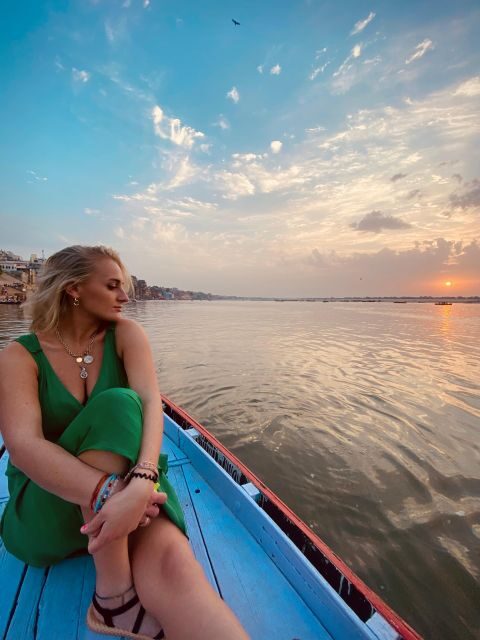
- Sunrise on the Ganges: early morning views and a quieter mood than daytime crowds
- Main ghats coverage: including famous stops like Dashashwmedh, Munshi, Darbhanga, plus others
- Cremation ghats included: Manikarnika and Harishchandra are part of the route
- Live English guide: with Q&A and a slower, thoughtful pace (Sonu is specifically praised)
- Small-boat vibe: not the big tourist-boat feel, with a calmer atmosphere
Seeing Varanasi from the river at sunrise
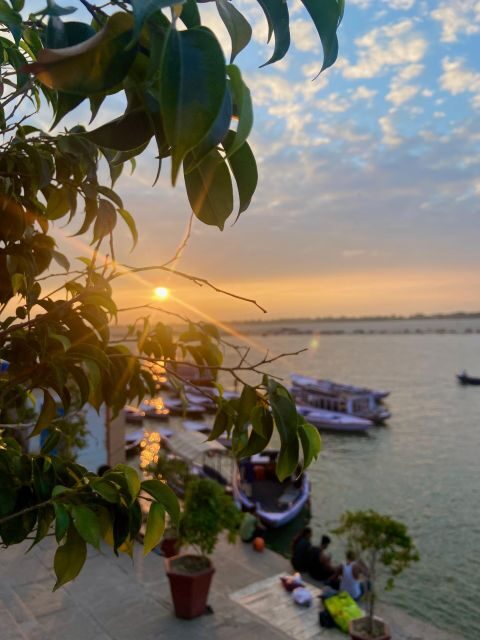
This is a Varanasi morning tour built around one simple idea: the Ganges changes the city. From the water, you don’t just see names on a map—you see how the riverfront shapes everything around it. That’s why the sunrise piece matters. The light hits differently in early hours, and the mood is softer. It also helps you understand why Varanasi has such a reputation as a cultural capital—because the rituals and daily rhythms sit right at the water’s edge.
I like that the trip is specifically framed as a “feel” experience, not just a checklist. The boat ride is short—about 2 hours—but it’s structured to cover a lot of riverfront ground while still giving context. You’re not stuck with silence and sightseeing stress. You’re there to learn while you watch.
One detail I think you’ll care about: the route isn’t limited to the most photogenic parts. You’ll also pass by the more solemn areas connected to funeral ceremonies, since the tour includes cremation ghats. That shift can be emotional, but it’s also part of what makes this boat trip feel honest instead of curated.
You can also read our reviews of more boat tours in Varanasi


What you’ll see: from Dashashwmedh to Manikarnika and Harishchandra
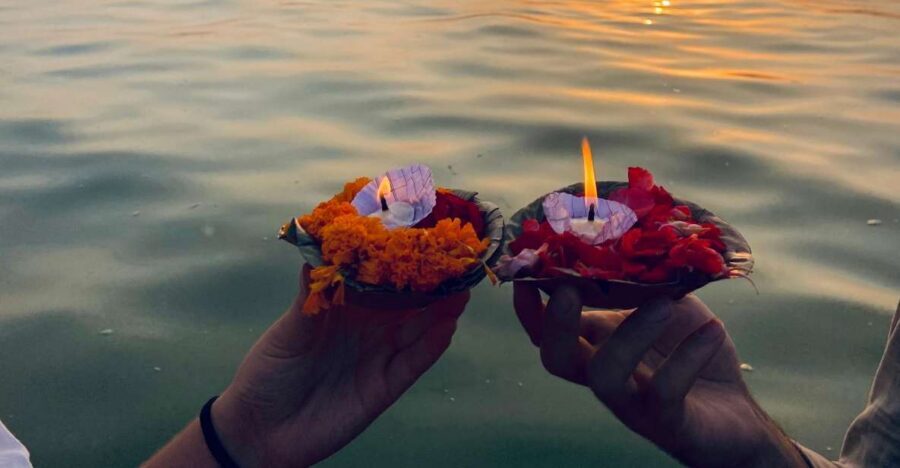
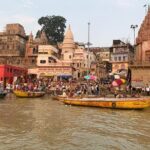
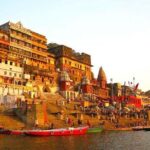
The big promise here is all main ghat of Varanasi, seen from the river. You’ll pass famous ghats such as Dashashwmedh Ghat, Munshi Ghat, and Darbhanga Ghat, plus additional major riverfront areas. The boat view is useful because many of these places are hard to connect in one clean walking loop. From the water, you get a continuous sense of the city’s layout—one reason the 2-hour time window works.
Here’s what I’d expect in terms of the “types” of scenes you’ll encounter:
1) Ritual and ceremony zones
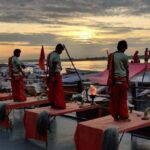
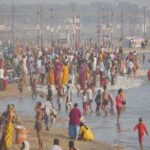
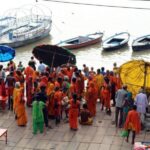
One highlight is that you witness ritual and ceremony along the riverbanks. That means the boat ride is more than architecture and scenery. You’ll be close enough to see that people gather, and that the riverfront is used in very intentional ways. The guide’s job is to help you understand what you’re looking at—so you don’t just see movement, you understand the meaning behind it.
2) The famous cremation ghats
The tour includes cremation ghats, specifically Manikarnika Ghat and Harishchandra Ghat. This is the part of the experience that may feel heavy if you’re sensitive. It’s also the part that can make the trip feel real—because Varanasi isn’t only about celebration. It’s about how people face life’s end, too. If you’re worried about emotions, come with a bit of self-awareness: you can watch respectfully, but you may need a moment to process.
3) Beautiful palaces and riverside architecture
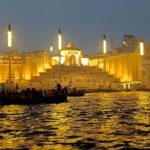
The highlights also mention beautiful palaces along the river side. Even if you’re not an architecture nerd, a palace view from the water hits differently than from street level. You get scale, spacing, and a clearer sense of how the riverfront looks like a corridor of history.
Practical note: the tour covers a lot of ground on the water, so you’ll want to keep your eyes on the guide’s cues. The best moments often happen right when you’re transitioning between places.
Sonu’s English explanations: clear, calm, and not rushed
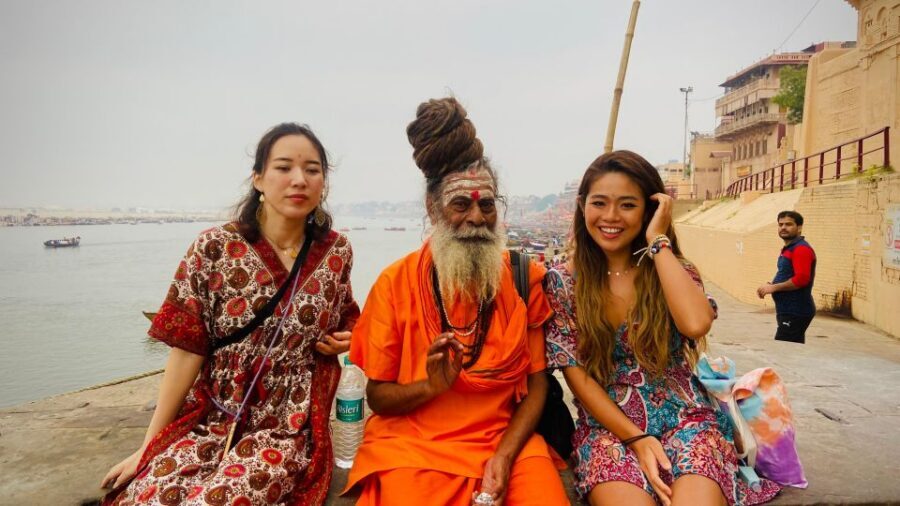
A strong guide can turn a boat ride into understanding. In the reviews, Sonu shows up again and again as the key to the experience. I’d pay attention to three guide traits that seem to matter most for this kind of tour:
1) He keeps it understandable
Multiple guests praised how clear and well explained the morning is. For you, that means you’re less likely to get overwhelmed. When you’re seeing intense rituals and learning about cultural traditions, a guide who explains with structure helps you stay grounded.
2) He allows questions and doesn’t rush
In one account, the pace is described as unhurried, which is important. If you’re the type who likes to process information while looking, this fits. It also helps when a topic is spiritual and not just historical facts.
3) He handles conditions and keeps the experience going
One reviewer specifically mentions a foggy morning and that Sonu still managed the boat trip in a rowing boat. That matters because sunrise tours can fall apart in bad weather. Here, the operator appears to work with what the river gives, rather than canceling at the first problem.
Even better, there’s evidence of flexibility. One review says the guide was accommodating when the initial scheduled date didn’t work, helping the guest reschedule. You don’t always think about this until you need it, so it’s a nice sign of how the experience is run in practice.
The boat experience: peaceful rowing, not the big tourist-boat feel
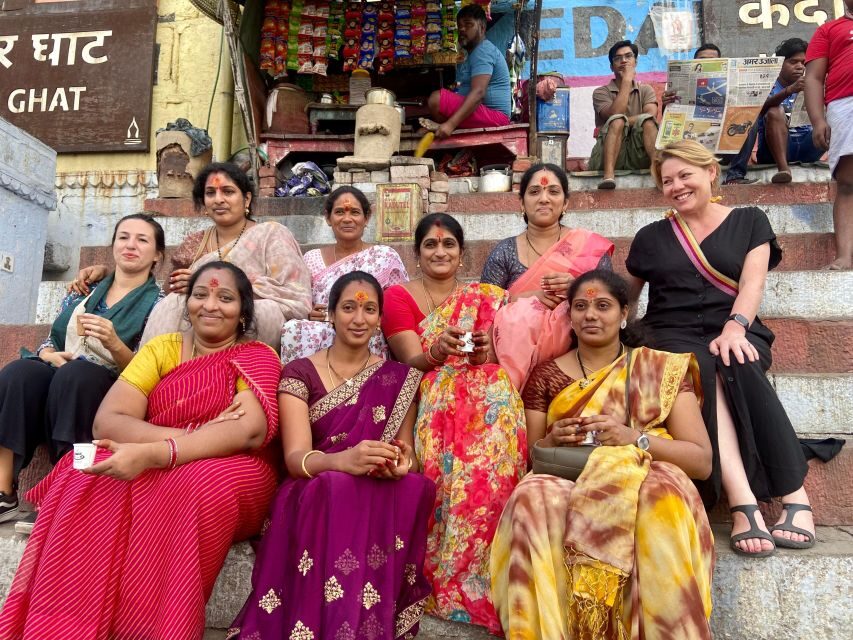
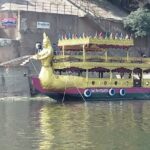
One of the standout details is the vibe of the boat ride. Reviews mention that this isn’t the kind of experience you’d associate with large tourist boats. That difference is huge in Varanasi, where the riverfront can already feel intense. A smaller, calmer setup gives you two wins:
- You hear the guide better.
- You can actually watch what’s happening without getting swept along in a loud group flow.
If you’re worried you’ll be stuck shoulder-to-shoulder, this seems designed to avoid that. And the fog story matters again here: Sonu apparently managed the rowing boat even when conditions were tricky. That suggests the tour prioritizes craft and control, not just getting people on and off a departure schedule.
The trade-off is simple: when the boat ride is smaller and the focus is more intimate, the experience may feel more “you’re right here” instead of “sit back and ignore it.” If you like closeness to the moment, you’ll probably love that.
Rituals, ceremony, and the emotional weight of the riverfront
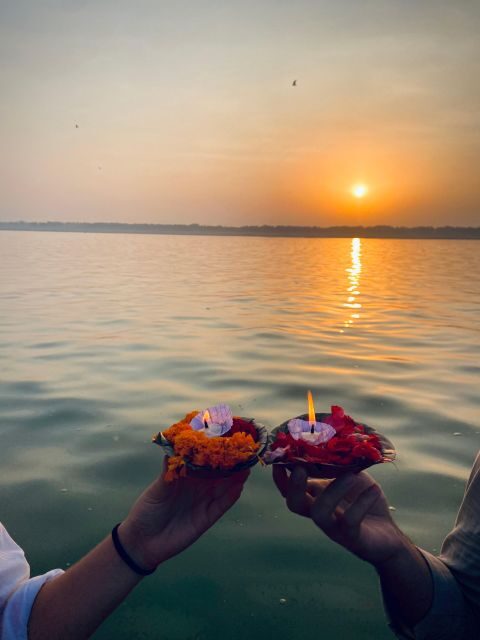
This tour calls out ritual and ceremony as a highlight, and it also includes cremation ghats. Put those together and you get an experience that’s not only visual. It’s reflective.
What I think you’ll take away is a clearer sense that Varanasi’s culture isn’t something you watch from a distance. It’s something practiced. When you see rituals from the river while a guide explains the cultural context, the city starts to make sense in a more human way than a museum script.
That said, cremation ghats are part of the route. Manikarnika and Harishchandra are specifically mentioned, and you should treat those sections as potentially intense. If you’re traveling with someone sensitive to heavy scenes, set expectations ahead of time. A calm, respectful approach helps, and a guide who doesn’t rush makes it easier for you to step back mentally when needed.



Sunrise reality: fog, timing, and how to prepare your morning
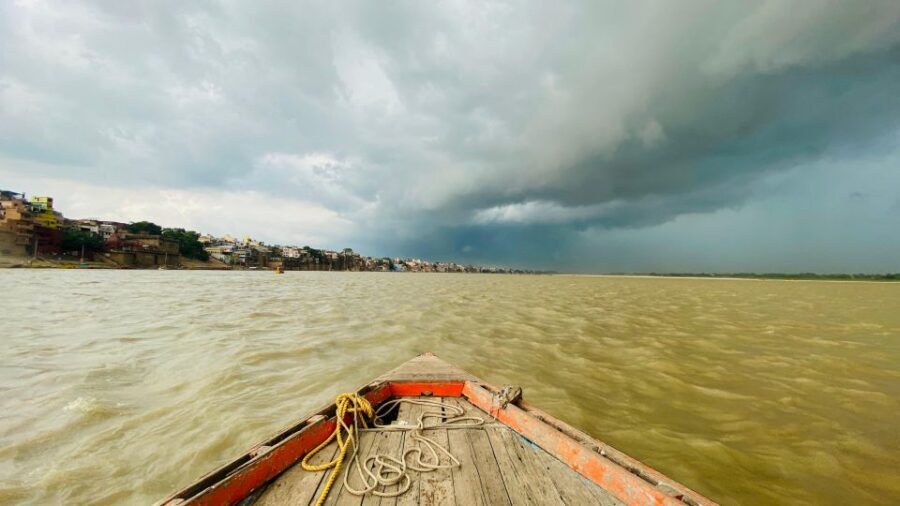
This trip is built for sunrise views, so you’ll want to plan like a sunrise traveler, not a late-morning traveler. The experience is listed as duration 2 hours, so the time window is tight enough that you’ll feel the early start.
Fog can be part of the story. One guest described a very foggy morning, but the guide still made it happen and even made the atmosphere special. That’s a key point for you: even if the sunrise isn’t “clear and dramatic,” the mood can still land. Fog can soften the riverfront and turn the whole morning into something quieter and more dreamlike.
So what should you do? Keep your expectations flexible:
- If visibility is lower, you may focus more on atmosphere and guide explanation than on sharp skyline views.
- Dress in layers, because early mornings often feel cooler than you expect, especially near water.
Also, bring a camera if you want one. Just remember: the best photos often come after you’ve spent a few minutes watching first.
Price check: what $19 gets you (and why it may be good value)
At about $19 per person for a 2-hour English-guided river cruise, this is positioned as value-focused. The price makes sense when you look at what’s included: a boat ride for sunrise, passing major ghats, and a full explanation of Varanasi’s culture and history. In other words, you’re paying for access plus context—not just transportation.
Where this price becomes especially attractive is the balance between scope and time. Many short tours either skim the riverfront or limit you to a few stops. Here, you get a coverage feel across major ghats, including notable ones you’d want to see even if you were exploring on your own.
The other value point is the guide quality. Reviews highlight Sonu’s strong English and his ability to guide the experience at a pace that lets you ask questions and process what you’re seeing. For a subject like Varanasi—where rituals and cultural details can be easy to misunderstand—that kind of guidance is worth more than the base fare.
Who this tour suits best (and who should think twice)
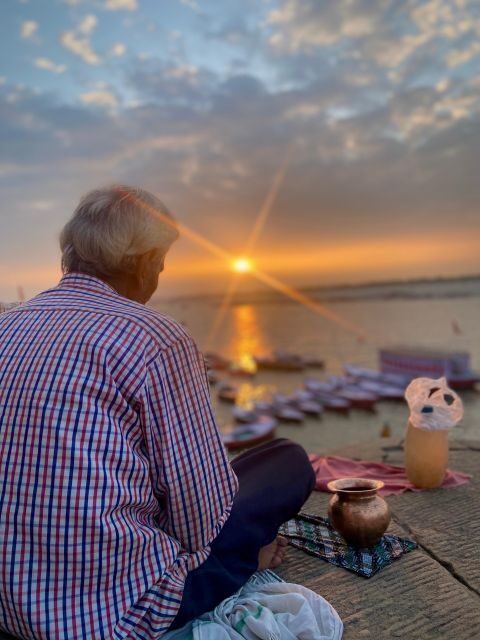
This boat trip is a strong fit if you:
- want a morning sunrise experience on the Ganges
- enjoy cultural context, not just sightseeing
- prefer a calmer boat atmosphere instead of a big tourist-boat crowd
- like asking questions and learning at a steady pace
- want to see both major ritual areas and cremation ghats from the river perspective
It might be less ideal if you:
- are very uncomfortable with scenes tied to cremation and funeral rites
- hate any early-morning plan
- want a purely light, casual outing with no emotional intensity
Should you book Marigold Boat Trip to Feel Kashi?
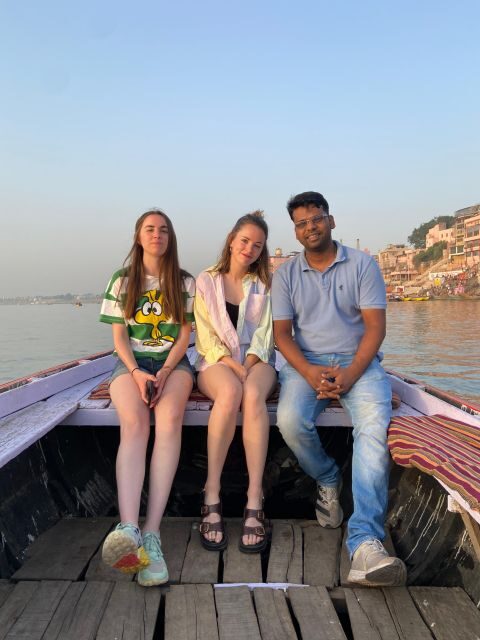
I’d book it if you want Varanasi to feel like a living place rather than a checklist. The short 2-hour format makes it realistic, and the combination of sunrise, major ghats, and a thoughtful English guide gives you more than “boat views.” The fact that the guide (often Sonu) handled fog and stayed accommodating when plans changed is also a good sign for how this is run day-to-day.
If you know you’re sensitive to heavy subject matter, go in with that awareness. You can still choose a respectful viewing mindset, but don’t pretend the experience will be emotionally neutral.
FAQ
How long is the Marigold boat trip?
The trip lasts about 2 hours.
Is the tour guide available in English?
Yes, the live tour guide provides the experience in English.
Which ghats will we see during the cruise?
You’ll see major ghats including Dashashwmedh Ghat, Munshi Ghat, Darbhanga Ghat, and also cremation ghats such as Manikarnika and Harishchandra.
Do you witness sunrise on this tour?
Yes. The tour is designed to show sunrise on the river.
Is there a possibility the tour runs in fog?
The tour has been carried out even on a very foggy morning, according to a verified booking experience.
Is this trip on a small boat or a large tourist boat?
Reviews suggest it is not like a large tourist boat, and guests describe a quieter, calmer boat feel.
What if I need to cancel?
You can cancel up to 24 hours in advance for a full refund.
Can I reserve now and pay later?
Yes. The experience offers a reserve now & pay later option, so you can book your spot without paying immediately.