REVIEW · AGRA
Old Agra City Short Cultural Walk
Book on Viator →Operated by Walks By Arif · Bookable on Viator
Agra changes fast when you leave the main sights. This old-city evening walk shows the parts of town few people plan to visit, led by a local guide who connects street life to worship and trade. I love how practical it feels—questions are welcome, and you get a real sense of everyday Agra—plus the spice-market stop gives you smells, colors, and shopping streets you can actually picture. A possible drawback: it’s a working neighborhood route with moderate walking, so wear comfortable shoes and be ready for crowded alleys.
I also like that the route mixes big landmarks with everyday places in a short time. You’ll start at the Agra Fort Railway Station, then visit a Hindu temple and the Jama Masjid, before spending time in the market streets where daily commerce happens. You won’t spend your evening standing in lines waiting for tickets, since the temple and mosque stops are free-entry in the tour flow.
If you prefer a quiet, controlled experience with minimal local contact, this may feel too “real” for you. But if you want Agra where religion, shopping, and local routines sit right next to each other, this walk is a smart way to spend two hours.
In This Review
- Key highlights worth your time
- Why This Short Old-City Walk Works in Agra
- Meet at Bijli Ghar and Expect a Real Neighborhood Start
- Stop at Agra Fort Railway Station: British-Era Architecture Meets Daily Life
- Shri Mankameshwar Mandir: Lord Shiva and Local Devotion
- Jama Masjid: Mughal Architecture and the Story Behind the Mosque
- Spice Market Streets: What You’ll Actually See People Buy
- The Guide Factor: Why Arif’s Style Makes This Worth It
- Walking Time, Weather, and What to Wear
- Price and Value: Is $50 Fair for Two Hours?
- Who This Tour Suits Best
- Should You Book This Old Agra City Walk?
- FAQ
- How long is the Old Agra City Short Cultural Walk?
- Where does the tour start and end?
- What’s included in the price?
- Do I need to buy tickets for the stops?
- What should I wear?
- Is this tour affected by weather?
Key highlights worth your time
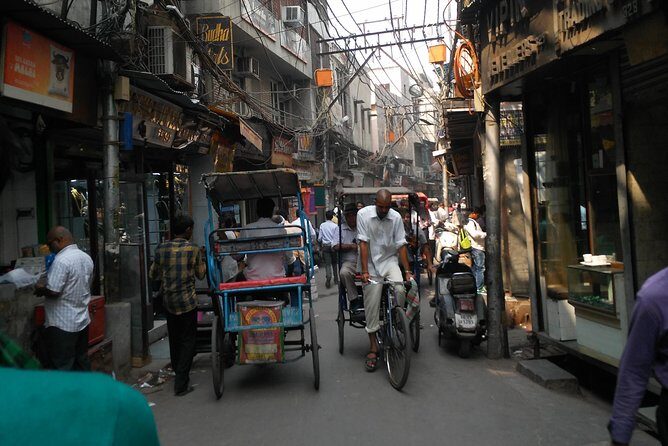
- Old-city streets with a story guide who explains what you’re actually seeing
- Religious sites in Hindu and Islamic tradition, with context for everyday life
- Agra Fort Railway Station and the British-era angle on how rail connects common people
- Spice-market street time, with shops for spices, sweets, cosmetics, and clothes
- Private tour for your group with bottled water included
Why This Short Old-City Walk Works in Agra
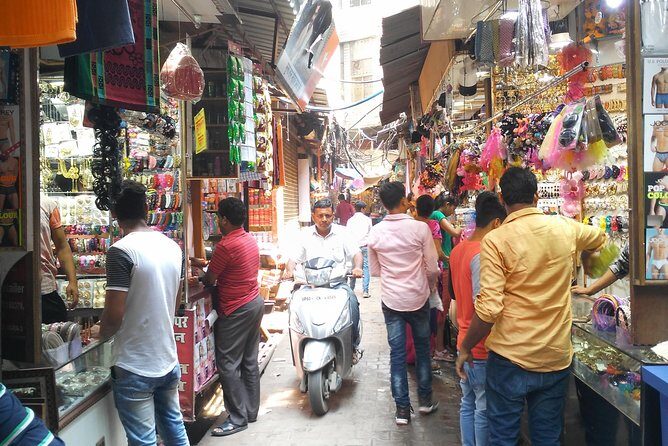
Agra is famous for monuments, but you don’t go home thinking about sidewalks and shopfronts unless you plan for it. This walk does that for you. It’s built for an evening pace: you see multiple places close together, you hear how locals think about them, and you watch the city function while you’re there.
What makes it work is the mix of types of stops. You get a British colonial landmark at the rail station, then you step into worship spaces—Hindu and Muslim—then you finish in market streets where buying and selling are part of the scenery. That sequence matters because it turns Agra from a checklist into a place with rhythm.
I especially like that it’s not just sightseeing. The guide is a professional storyteller, and the focus is on how people live and why these spaces matter. In the reviews, you can feel that emphasis on ordinary life—how a market street looks when you’re walking through it, not just photographing it from outside.
You can also read our reviews of more walking tours in Agra

Meet at Bijli Ghar and Expect a Real Neighborhood Start
The meeting point is Bijli Ghar, near Agra Fort Crossing, Pipal Mandi, Mantola, Agra, Uttar Pradesh 282002, India. The tour ends back at the meeting point, so you don’t have to figure out how to get home while you’re still in the middle of the old city.
A couple of practical points make your evening easier:
- You’ll get a mobile ticket, so keep your phone handy.
- It’s near public transportation, which helps if you’re arriving from the Taj area or Agra Fort area.
- It’s a private tour/activity, meaning it’s only your group. That tends to make questions feel more natural and the pace more human.
One more helpful detail: the guide communication is tight. In reviews, people noted clear meeting directions shared ahead of time—think WhatsApp-style guidance. That’s not just convenience; it reduces that stressful first ten minutes when you’re in dense alleys and street crossings.
Stop at Agra Fort Railway Station: British-Era Architecture Meets Daily Life
You start at Agra Fort Railway Station, where you’ll notice the English-style architecture and get a sense of how railways shaped daily life for common people. It’s a short stop—about ten minutes—but it sets the tone.
Why this first stop is smart: railways are how cities move. In India, trains aren’t just transport; they’re part of the social map. If you’re only seeing Mughal monuments, you miss the modern engine that keeps people connected. Starting here gives you a bridge from what you came to see (Agra’s famous era) to what you’re actually seeing (Agra operating right now).
Also, admission is free for this stop in the tour flow. That matters because it keeps the experience focused on guidance and interpretation rather than ticket logistics.
What to watch for: notice the mix of architecture and the way people flow around the station. Even if you’re not a train person, this is one of the best ways to understand why the old city looks the way it does—built around movement, not just buildings.
Shri Mankameshwar Mandir: Lord Shiva and Local Devotion
After the station, you’ll visit Shri Mankameshwar Mandir, dedicated to Lord Shiva. This temple is described as one of the oldest in Agra, and the guide helps you understand the lives of Hindu devotees you’ll see while you’re there.
The stop is brief (around ten minutes), but the value is in what you hear. Instead of generic temple photos, you get explanations tied to daily worship: what devotees are doing, what the space means to them, and how faith shows up in routine.
A key practical note: the tour includes a mosque and a temple, so dress rules apply. Plan to wear clothes that cover your knees and shoulders. If you forget, you might feel rushed trying to adjust—so just bring something light that covers those areas.
Potential drawback: these are active religious spaces. That means you’ll need to be respectful with your photos and movement. Keep your voice down, follow your guide, and let the moment be what it is.
Jama Masjid: Mughal Architecture and the Story Behind the Mosque
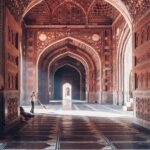
Jama Masjid is one of the grand mosques in Agra, and you’ll get time to take in the Mughal-style architecture. Like the other worship stop, it’s about ten minutes, but it’s not just a look-and-leave. Your guide explains Islamic life in Agra and ties the building to the community using it.
One detail you’ll likely hear (it shows up in the guide’s storytelling): the story linked to how Jama Masjid was built, including the connection to a daughter of a sultan. Whether you remember the full lineage or not, the point is to show that this isn’t random architecture—it’s part of how power, faith, and city growth intersect.
Dress code matters even more here, because you’re entering a place of worship. Cover knees and shoulders, and move carefully. Your guide will set the tone, and you’ll get a better experience by acting like you belong in the space, not like you’re passing through a photo set.
Admission is free for this stop in the tour flow, so again, you’re paying for interpretation and access to the right context—not paying for entry fees at each turn.
You can also read our reviews of more city tours in Agra





Spice Market Streets: What You’ll Actually See People Buy
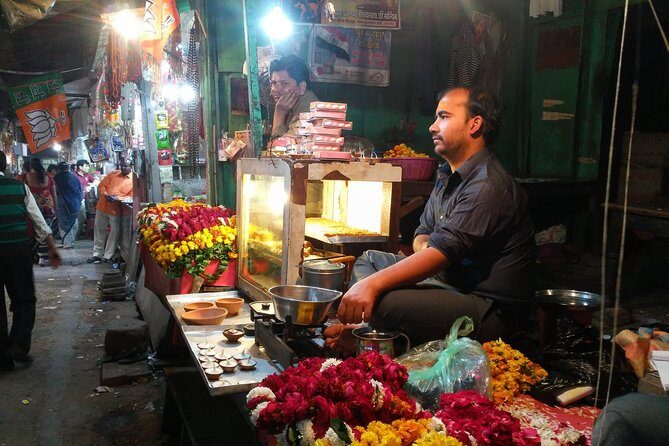
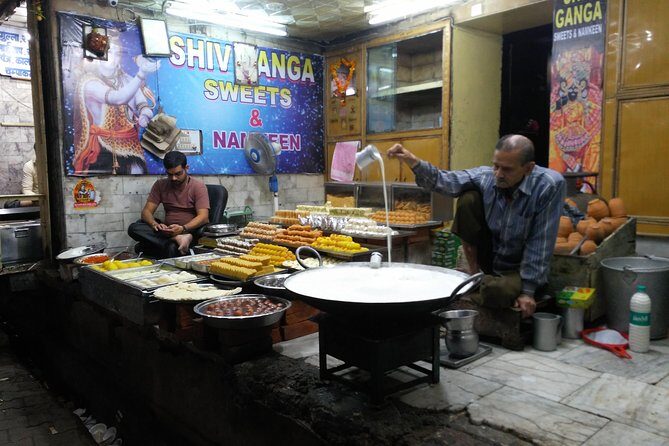
This is where the walk becomes more than temples. You stop by a spice market and nearby shops where the guide explains the story of these places and what you’re seeing. Expect spices, ladies’ cosmetics, sweets, and clothes—plus the side-street feel of a working neighborhood.
You’ll also get more than one layer of shopping culture. In the reviews, people specifically mentioned a women’s market section as part of what they saw. That’s the kind of detail that helps you understand Agra as a living city: different lanes, different needs, different customers, all happening at once.
Here’s what to do to get the most out of this stop:
- Don’t rush past shop signs. Let your guide point out what each shop sells and why it exists in this location.
- Use your senses. Smell the spices. Look at colors and packaging. It turns the tour into a memory hook.
- Ask questions. The guide can explain the practical side of trade—how shops relate to local habits—so you leave with understanding, not just photos.
A possible drawback: markets can be loud and crowded, especially in narrow lanes. If you don’t like tight spaces, keep your body calm and let your guide manage the route.
No food is included, so if you want sweets, tea, or street snacks, you’ll need to buy them on your own. That’s actually a plus for some people because you can choose what fits your diet and budget.
The Guide Factor: Why Arif’s Style Makes This Worth It
Walks by Arif is the operator, and Arif is the guide many people specifically mention. The biggest praise pattern is simple: he’s professional, humorous, and answers questions with details that actually help you look differently at what’s in front of you.
In other words, you’re not just walking with someone who recites facts. You’re walking with someone who can connect:
- a British-era rail station to how the city works,
- a Hindu temple to the rhythm of devotion,
- a mosque to everyday Islamic life in Agra,
- and market streets to real buying and selling.
That storytelling approach is the main value you’re paying for. Since entry is free for each stop and bottled water is included, you’re effectively paying for time with a guide who knows where to take you and how to make it make sense.
Also, group discounts are available. If you’re traveling with friends or family, this can make the $50 price feel even more reasonable because you’re sharing the guided experience.
Walking Time, Weather, and What to Wear
The walk is about two hours. It’s described as involving a moderate amount of walking, so plan for a bit of pacing through alleys and between stops. You’ll likely feel it if you’re not used to walking on uneven sidewalks or crowded pathways, but the tour is short enough that it doesn’t turn into an all-day slog.
Bottled water is included. That’s a small thing, but it matters in Agra, especially in the evening when you’re outside for the full two hours.
Weather matters. It’s subject to favorable conditions, and if it’s canceled due to poor weather, you’ll be offered an alternative date or a full refund. You can think of this as an outdoor experience you should treat like a plan, not a guarantee.
Dress code is not optional here. Cover knees and shoulders for the mosque and temple stops. Bring light layers and wear comfortable shoes you can walk in for two hours without thinking about it.
Price and Value: Is $50 Fair for Two Hours?
$50 per person for a roughly two-hour private cultural walk isn’t cheap, but it also isn’t random. Here’s why the value can hold up:
- What you get: a professional storyteller/guide plus bottled water.
- What you don’t pay for on-site: admission is free for the rail station stop and the worship stops in the tour flow.
- What you’re really buying: local context and time in parts of old Agra that don’t usually make it into the standard sightseeing loop.
If you’re already paying for a driver, guides, or separate tours for temples and markets, bundling it into one short evening outing often makes sense. You also avoid the trap of trying to navigate the old city on your own without knowing what to look for. In dense neighborhoods, the difference between seeing and understanding is mostly the person holding the map in their head.
Where the price might feel less worth it: if you hate walking through crowded streets or you strongly prefer monuments over everyday life. This tour is about the city as lived-in space, not just famous architecture.
Who This Tour Suits Best
This is a strong match if:
- You want Agra beyond the main monument circuit.
- You like religious and market experiences when they come with context.
- You’re traveling with a small group that can ask questions and set a comfortable pace.
- You appreciate guides who explain both architecture and daily routines.
You might skip it if you:
- Want a fully relaxing evening with minimal walking.
- Dislike crowded alleys and don’t enjoy sensory environments like spice markets.
- Are unable to follow the dress code for temple and mosque visits.
Should You Book This Old Agra City Walk?
I’d book it if your goal is to understand how old Agra actually lives. The rail station start, the two worship stops, and the spice-market streets create a nice loop of contrasts—faith, trade, architecture, and daily routine—without taking over your whole day.
You’ll get best results by going in with curiosity. Bring questions. Plan for a bit of walking. Wear the right clothes so you’re not thinking about logistics at the mosque or temple. And if you’re lucky enough to get Arif as your guide, you’re likely to leave with that rare thing: not just memories, but explanations you can still repeat later.
FAQ
How long is the Old Agra City Short Cultural Walk?
It lasts about 2 hours.
Where does the tour start and end?
It starts at Bijli Ghar near Agra Fort Crossing, Pipal Mandi, Mantola, Agra, Uttar Pradesh, and ends back at the same meeting point.
What’s included in the price?
The tour includes a professional story teller/guide and bottled water.
Do I need to buy tickets for the stops?
Admission tickets are listed as free for the stops included in the tour.
What should I wear?
You need to wear clothes that cover your knees and shoulders because the tour includes visits to a mosque and a temple.
Is this tour affected by weather?
Yes. It’s subject to favorable weather conditions. If it’s canceled due to poor weather, you’ll be offered an alternative date or a full refund.