REVIEW · VARANASI
Varanasi in a Day Ancient Temples Sarnath and Ghats
Book on Viator →Operated by BEST VARANASI TOUR · Bookable on Viator
The river sets the tone. I love how this plan strings together a sunrise Ganges boat ride and the Ganga Aarti so the day feels spiritual without getting lost in the chaos. It also hits major sights with a real guide on hand, so you know what you’re looking at and why it matters.
The trade-off is the schedule: you’re up around 5:00 am and you’ll be moving for about 10 to 12 hours, so it’s not a lazy sightseeing day. If you’re not into early mornings or long commutes in a car, consider other options.
If you want a guide who talks with clarity (not a sales pitch), this tour tends to land well. Guides such as Vishaw, Pablo, and Sumit are noted for careful explanations, and the driver is often credited with keeping things smooth enough that you feel safe as traffic and crowds do their thing.
In This Review
- Key things I’d circle before you go
- Sunrise on the Ganges: boat route, timing, and what to watch
- Kashi’s temple circuit: Kashi Vishwanath and the spiritual map of Varanasi
- BHU stop and breakfast: a needed break from intense sightseeing
- Sarnath: Buddha’s first sermon sites, in a tight and meaningful loop
- Ashoka Pillar and Dhamek Stupa: why these stops matter
- Ganga Aarti from the ghats: the evening that makes the day feel complete
- Transportation, group size, and why private pickup helps here
- Price and value: is $90.55 fair for this kind of day?
- Who this tour suits best (and who should skip it)
- Should you book this Varanasi in a Day tour?
- FAQ
- What time does pickup happen?
- Is the morning boat ride included?
- How long is the full tour?
- Which temple area is included in the tour?
- Is Kashi Vishwanath temple entry included?
- Do I get to visit Banaras Hindu University?
- What sights do you see in Sarnath?
- Is Sarnath admission included?
- Is Ganga Aarti included?
- Are tips included in the price?
Key things I’d circle before you go
- Sunrise boat ride from Dashaswamedh Ghat to Harishchandra Ghat for a calmer start
- Kashi temple focus with a guided route that includes Kashi Vishwanath plus other major stops
- Sarnath in one run: Dhamek Stupa, Ashoka Pillar, and time for the Buddha-era sites
- Evening Ganga Aarti with a dedicated viewing experience at the river’s edge
- Government-approved guide and private, air-conditioned transportation for just your group
Sunrise on the Ganges: boat route, timing, and what to watch
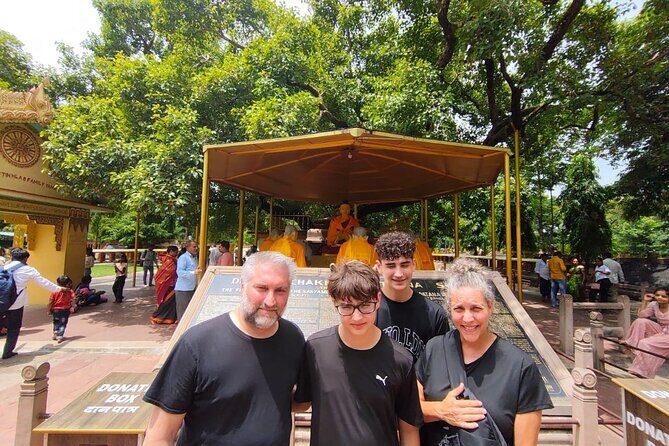
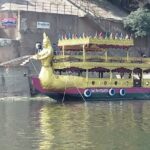
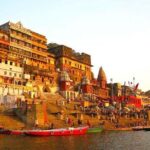
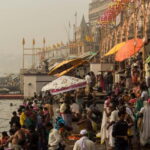
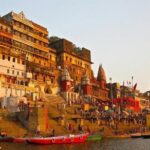
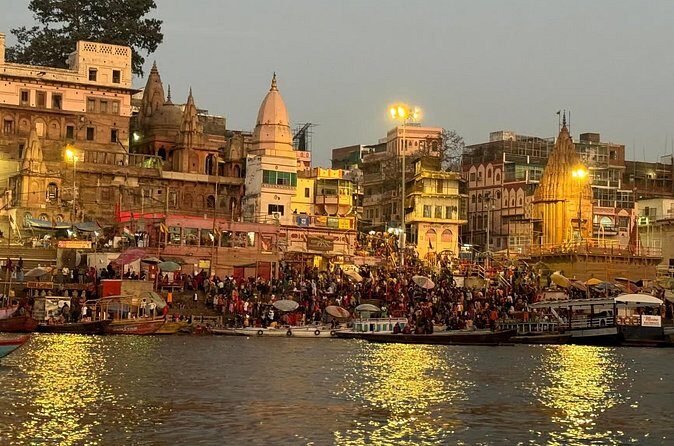
This day is built around the Ganges when the city is still waking up. You’ll get picked up at about 5:00 am, then head out for a sunrise boat ride. The route runs from Dashaswamedh Ghat toward Harishchandra Ghat, which is a nice touch because you’re seeing the big-name waterfronts without having to fight for position on land.
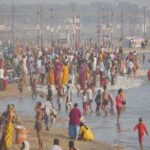
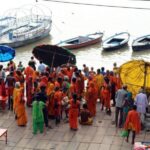
On the water, the mood changes fast. You’ll see people offering water to the Sun God and devotees taking a holy dip. Even if you’re not there for religious rituals, you’ll still feel the atmosphere—because everyone seems to be doing something meaningful, not just sightseeing.
What to do to get the most out of it
- Bring something warm: mornings can feel cool even if the afternoon is hot.
- Have your phone ready, but watch your step on the boat and keep your belongings secure.
- Don’t worry if you can’t see every detail on shore; the point is the flow of the river and the rhythm of the ghats.
One practical drawback: the boat ride depends on weather conditions. If conditions aren’t good, the morning experience may shift. It’s rare, but it’s the kind of thing worth knowing so you don’t plan your day based on perfect conditions.
You can also read our reviews of more tours and experiences in Varanasi.



Kashi’s temple circuit: Kashi Vishwanath and the spiritual map of Varanasi
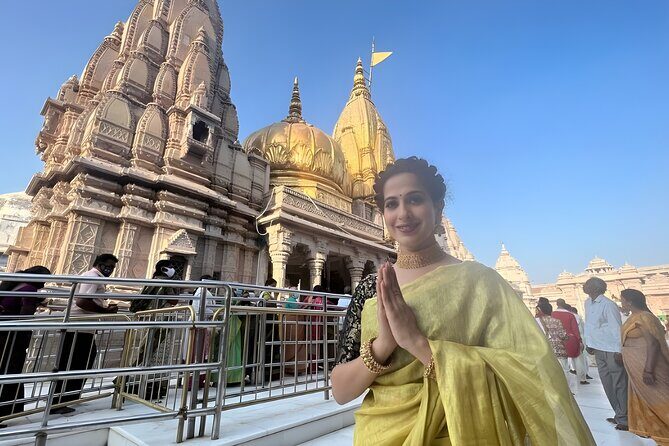
After breakfast, you move into the temple portion of the day. The heart of it is the Kashi Vishwanath Temple, one of the most famous Shiva temples in India and a major reason people come to Varanasi. Here, the guide really matters. Inside a complex, it’s easy to miss what’s significant and what’s just a photo stop—so having someone explain the symbolism helps you slow down and look better.
The tour route also includes other big spiritual stops in the broader Kashi area: Bharat Mata, Sankat Mochan, and Manas Mandir, plus time at Banaras Hindu University (BHU). That’s a smart combination. Temples give you the religious side of the city; BHU gives you the human, academic side—an “old city meets modern institution” contrast you don’t get on purely religious itineraries.
About Kashi Vishwanath entry fees
Kashi Vishwanath temple admission isn’t listed as included, and donations may come up at the site. That means you should expect to pay your own entry and handle any donation expectations respectfully if you choose to participate. The key is to budget mentally so it doesn’t feel like a surprise mid-day.
Why I like this part of the tour
The guide-led route keeps your time efficient. Instead of you trying to stitch together temples and traffic on your own, you get a coherent path through Kashi. You also get context for what you’re seeing, which turns the whole thing from scenery into understanding.
BHU stop and breakfast: a needed break from intense sightseeing
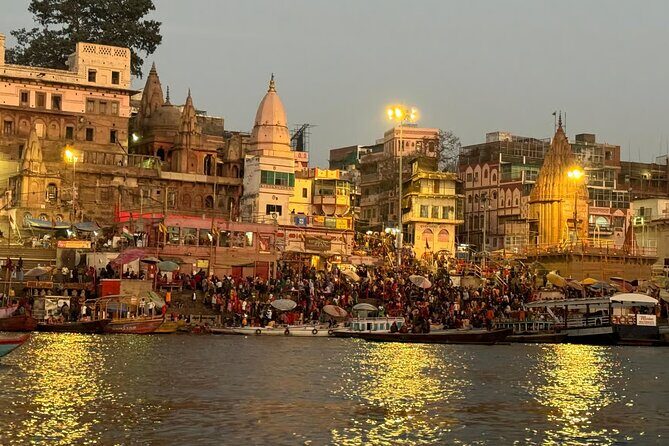
This day isn’t just temples and stone. There’s also a breakfast break before you head toward BHU at around 10:00 am. BHU was established in 1916, and the campus is described as the largest university campus in Asia. Even if you don’t go deep on architecture, it’s a relief to shift from sacred steps to a more campus-like pace.
Breakfast note (don’t plan on it being fully covered)
The itinerary points to breakfast as your own expense, while the tour add-ons say a meal is included only if you choose the meal option. So if you’re budgeting, assume you’ll pay for at least part of your food unless your booking explicitly includes the meal. This is one area where checking your selected option saves you stress.
What you gain from the BHU timing
Starting at sunrise, then jumping to temples, then moving to a campus gives your body a chance to reset. You’re still sightseeing, but your eyes get a break from dense crowds and tight temple lanes.
Sarnath: Buddha’s first sermon sites, in a tight and meaningful loop
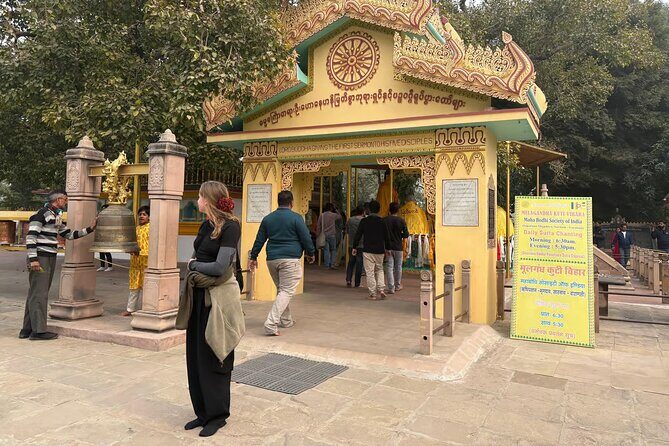
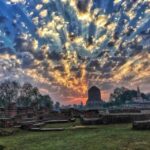
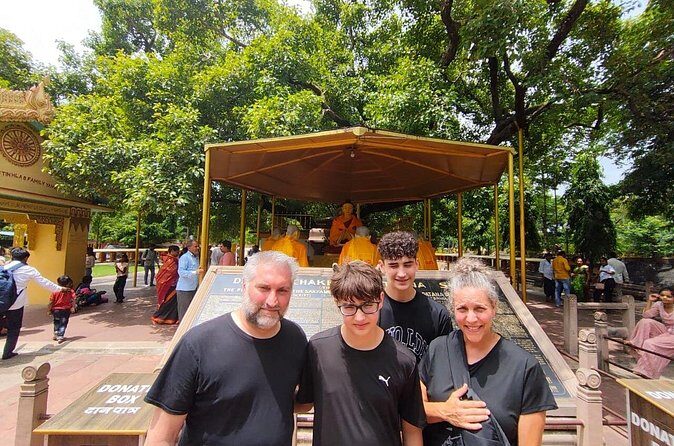
Midday, you head to Sarnath, about 10 kilometers northeast of Varanasi. Sarnath is where Buddha delivered his first sermon to his disciples, so the place has a built-in emotional gravity. The tour time is around 1 hour, which is enough to see the core highlights, but not enough to get lost in every corner.
Key sights include:
- Dhamek Stupa, tied to the spot of the first sermon
- The Ashoka Pillar, an important Mauryan-era monument (erected by Ashoka between about 268 and 232 BC)
- The archaeological museum
- The Chaukhandi Stupa (mentioned as one of the attractions at Sarnath)
You’ll feel the shift in pacing here. Varanasi can be intense in its sound and movement; Sarnath tends to feel more contemplative. It’s the kind of stop where you can take a breath and look slowly, even if the schedule stays full.
What might be a drawback
With only about an hour, you’ll want to focus on the main monuments and accept that you’re not doing everything at a museum-reading level. If you love museums and want extra time, you might find the Sarnath segment a bit short. If you prefer “see the essentials with context,” you’ll probably enjoy it.
Ashoka Pillar and Dhamek Stupa: why these stops matter
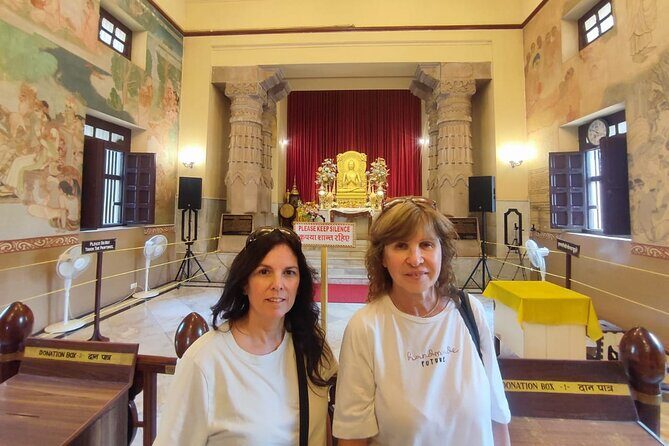
Two of the biggest wow-moments here are the Dhamek Stupa and the Ashoka Pillar.
Dhamek Stupa anchors the Buddhist story at Sarnath. Even if you’re not deep into doctrine, you can tell it’s a focal point—because the site is treated as a reference point for one of Buddhism’s turning moments.
The Ashoka Pillar adds a different layer: it brings in the older political and historical framework, showing how Mauryan power influenced monuments across the subcontinent. It’s a reminder that the world you’re walking through has layers—spiritual, political, and cultural—stacked over centuries.
A good guide helps you connect those layers without turning it into a lecture. If your guide is the kind who explains and then gives you time to look, you’ll get more out of these moments.



Ganga Aarti from the ghats: the evening that makes the day feel complete
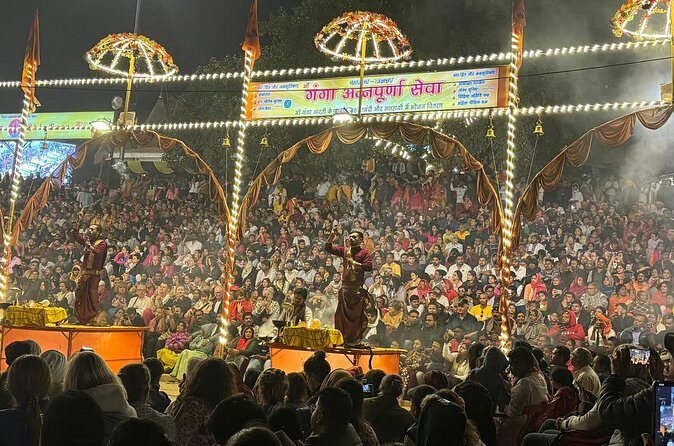
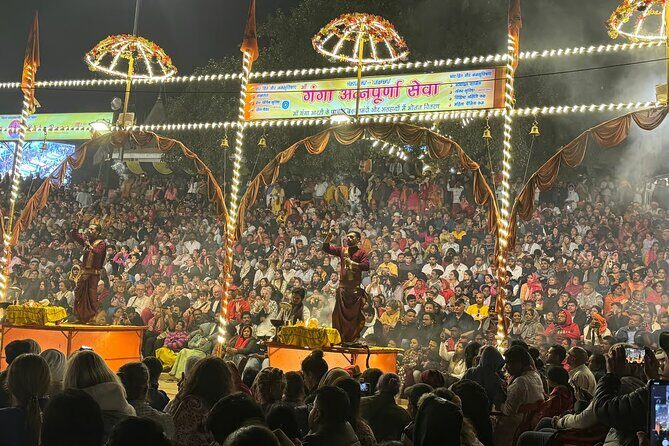
Late day, you get back to the river for Ganga Aarti. This is the part many people remember because it shifts the day from sightseeing into something more ceremonial and shared.
You’ll be taken to the Ganges for the ceremony and get a focused viewing experience. The information also mentions a boat ride option for the ceremony and that you may watch from a higher or different viewing area depending on how the option is set.
What I’d watch for in your planning:
- Be ready for crowds and close quarters near the ghats.
- Keep your expectations realistic. Aarti is part performance, part ritual, and part local life. The best viewing often comes from staying flexible and following your guide’s direction.
Why this evening works with the rest of the itinerary
Starting with sunrise on the river makes the evening Aarti feel like a “full circle.” You’re not just seeing one dramatic moment; you’re seeing how the ghats change from early morning routine to nightfall ritual.
Transportation, group size, and why private pickup helps here
This tour includes hotel pickup and drop-off and uses private air-conditioned transportation. That matters in Varanasi because traffic, distance, and crowd timing can eat up your energy fast. Having a driver who knows the flow of the day means you spend more time at sights and less time stuck in random delays.
It’s also described as a private tour/activity, meaning it’s just your group. That typically makes a difference for the guide experience. You can ask questions without waiting for a chain of people to catch up, and you’re not competing with another group’s pace.
Also included are mineral water and a guided experience. Monument entry fees are included only if your booking option selects them, so for Kashi Vishwanath in particular, plan for the likely extra cost.
Price and value: is $90.55 fair for this kind of day?
At $90.55 per person, you’re paying for a full-day package: pickup/drop-off, a government-approved guide, an air-conditioned vehicle, and several included sights plus a morning boat ride (weather permitting).
Here’s how I’d judge the value:
- If your booking includes monument entry fees and any meal option, the price can feel quite reasonable because you avoid a lot of separate tickets and “who pays for what” confusion.
- If the only clearly covered items you care about are the boat ride and Sarnath entrances, you might still feel it’s good value, because you’re saving time and getting local guidance in a city where finding your way efficiently is part of the battle.
- The biggest potential cost variable is Kashi Vishwanath, where temple entry is not included and donations may come into play.
My advice: before you confirm, check whether your selected option includes the meal and monument entry fees. When those are included, this day becomes a smoother, better-value “greatest hits” route.
Who this tour suits best (and who should skip it)
This experience fits you if:
- You want a one-day hit list of Varanasi’s spiritual highlights: Ganges ghats, Kashi temples, and Sarnath
- You like guided context more than wandering with no plan
- You’re okay with a long day and starting early
You might want to skip or adjust your plan if:
- You hate early mornings and don’t want to commit to a 10 to 12 hour schedule
- You want a slow, unstructured religious journey where you can linger for long stretches without a timetable
Overall, this works best for people who want meaning and efficiency in the same day, without trying to figure out everything alone.
Should you book this Varanasi in a Day tour?
I’d book it if you want a guided, structured introduction to Varanasi with the key experiences that define the city: sunrise on the Ganges, a Kashi temple route with context, the major sites of Sarnath, and Ganga Aarti at the end of the day.
I’d think twice if you’re sensitive to early starts, tight time windows, or you prefer to visit temples at your own pace without a car schedule. If you do book, wear comfortable shoes, carry a light layer for early morning, and budget for Kashi Vishwanath entry/donations.
FAQ
What time does pickup happen?
Pickup is listed for around 5:00 am, so the day starts very early.
Is the morning boat ride included?
Yes, a morning boat ride on the Ganges is included, but it’s subject to weather conditions.
How long is the full tour?
It runs about 10 to 12 hours.
Which temple area is included in the tour?
The tour includes the Kashi Vishwanath Temple and also covers additional religious stops in the Kashi area, plus Bharat Mata, Sankat Mochan, and Manas Mandir.
Is Kashi Vishwanath temple entry included?
No. Kashi Vishwanath admission ticket is not included, and donations are also noted as not included.
Do I get to visit Banaras Hindu University?
Yes. You have a stop at BHU, and it’s listed as free admission.
What sights do you see in Sarnath?
You’ll see Dhamek Stupa, the Ashoka Pillar, and other key Sarnath attractions such as the Chaukhandi Stupa and the archaeological museum.
Is Sarnath admission included?
Yes. Sarnath and its highlighted sights are listed as admission ticket included for the Sarnath stop and key monuments.
Is Ganga Aarti included?
Yes. The tour includes Ganga Aarti, and there’s also mention of a boat ride option for the ceremony depending on what you select.
Are tips included in the price?
No. Tips for your driver and guide are not included.