REVIEW · VARANASI
Tour of the Villages of Varanasi (Guided Sightseeing Tour by Car)
Book on Viator →Operated by Yo Tours · Bookable on Viator
Village life hits different here. This private car day around Varanasi is built around real rural routines—silk weaving, farming work, home cooking basics, and time in local schools—so you get a grounded feel for how people live beyond the riverfront. I especially like the hands-on-looking moments, like watching everyday tasks and having time to ask questions, not just snapping photos and rushing on.
I also like that the guide brings context that connects village life to the city—trade, agriculture, religion, and the long story behind what you’re seeing. One possible drawback: this kind of tour depends heavily on your guide and day flow. On paper you should expect a full schedule and multiple stops, so if you want the most information, you’ll want to be clear about timing and keep an eye on how much explanation you’re getting.
In This Review
- Key highlights to know before you go
- Why this Varanasi village day beats the usual city checklist
- Varanasi District setup, then Saray Mohana for silk craft
- Kapildhara: farm routines, home cooking basics, and schoolyard time
- Chiraigaon household visit: the day-to-day story in one place
- Rameshwar by the Varuna: cattle, agriculture, Sanskrit school, and ashrams
- Price and logistics for an 8-hour private car day
- Making village visits respectful (and more interesting)
- Who should book this Varanasi village tour
- Should you book the Tour of the Villages of Varanasi?
- FAQ
- How long is the tour?
- What stops are included in the day?
- Is pickup from your hotel included?
- Is a guide included, and can they speak English and Hindi?
- What meals and drinks are included?
- Is bottled water included?
- Are snacks included?
- Is this a private tour?
- What ticket do I receive?
- What if the weather is bad?
Key highlights to know before you go
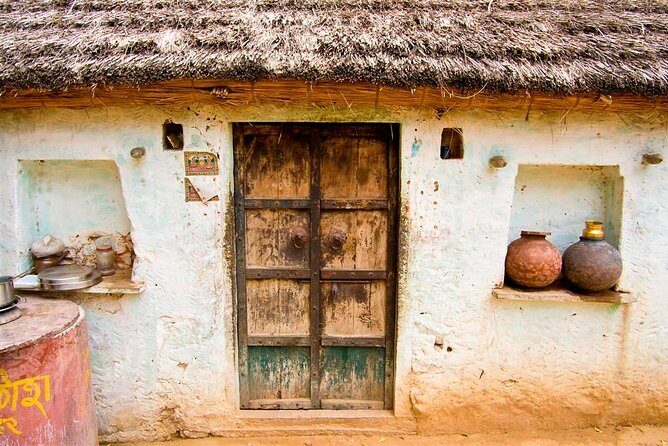
- Village work, explained in plain English/Hindi by a guide who’s there for questions, not just transport
- Saray Mohana silk weaving: a chance to see how Banarasi sarees get their reputation
- Kapildhara farm life + cooking basics plus meeting kids at a local school
- Chiraigaon household visit focused on daily livelihood and local voices
- Rameshwar by the Varuna River with cattle/agriculture, plus a Sanskrit school and ashrams
Why this Varanasi village day beats the usual city checklist
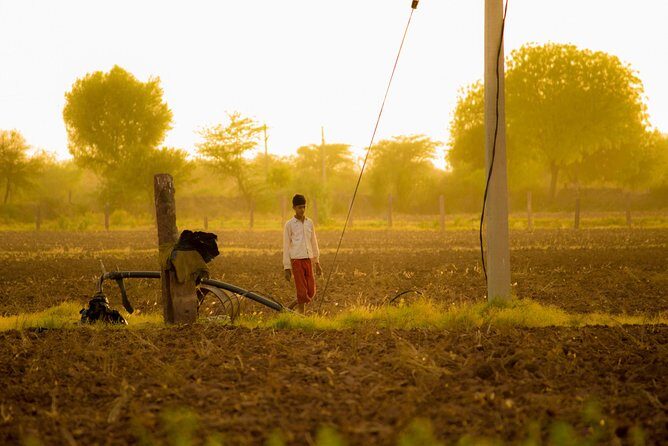
Varanasi is famous for temples and ghats, but the day can feel one-note if you only stay in the historic core. This tour takes you out into the surrounding villages where life moves to farming seasons and craft routines. That shift is the whole point: you’ll spend the day close to how people earn money, how families structure their day, and what traditions still matter.
I like that the plan is built around livelihoods. Instead of treating villages as scenic stops, it focuses on what people do: ploughing, sowing, cattle grazing, dairy farming, school life, and basic home cooking. And because you’re traveling by air-conditioned vehicle, you can actually focus on conversations and details instead of suffering through the commute.
Do note the tradeoff: you’re not getting a museum-style deep lecture in one place. You’re moving from community to community, which means you’ll get snapshots that add up to a stronger picture—but you may wish you had a longer visit at whichever place you like most.
You can also read our reviews of more guided tours in Varanasi



Varanasi District setup, then Saray Mohana for silk craft
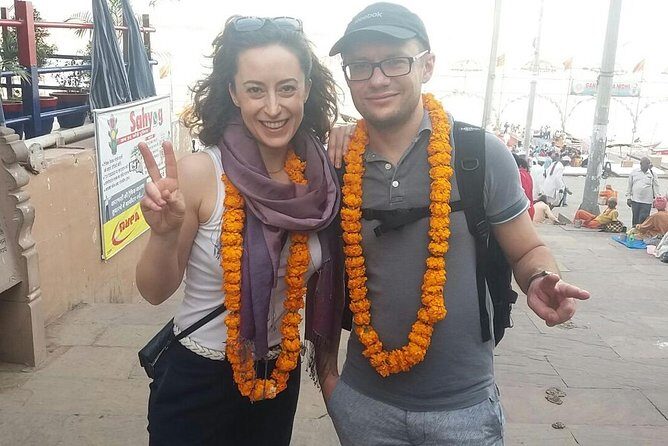
The day starts with time in the Varanasi District. Expect this to function like a grounding start: you get context and orientation so later stops make more sense. It’s only about an hour, so if you’re hoping for a big introduction, treat this as the fast start, not the whole story.
Then comes Saray Mohana, known for silk weaving and the work of the weavers. This is where the craft theme becomes real. You’re there for the process and the people behind it, including the distinct designs associated with Banarasi sarees. If textiles are your thing—or if you want a break from agriculture-heavy days—this stop is a good balance.
What to watch for here: because weaving is visual and hands-on in nature, your best experience comes when you ask smart questions. If you’re shy, at least listen for what the guide emphasizes—how the designs differ, what makes the sarees special, and why the craft has lasted.
Practical note: you may want light layers. Even in a village setting, mornings and afternoons can vary, and you’ll be moving between vehicle and indoor/outdoor areas.
Kapildhara: farm routines, home cooking basics, and schoolyard time
Kapildhara is one of the most straightforward “see daily life” stops. You’ll experience the rhythms of agriculture work—ploughing, sowing seeds, cattle grazing, and dairy farming. It’s not just a look; the structure is designed so you learn the basics of these routines and what they mean for the people living there.
Then the day shifts into two very human moments. First, you get local cooking basics. This is the kind of lesson that helps you understand why certain foods show up again and again in the region. Second, you visit a local school and spend time with rural kids.
That combination is the value: agriculture explains how families produce and prepare daily life, and the school visit shows how the next generation is growing up inside that same rhythm. It can feel emotionally meaningful without becoming overly sentimental—just real.
A realistic consideration: school time often works best when you keep expectations simple. Bring patience. Don’t treat it like a performance or a “quick interaction.” Follow the guide’s lead, ask before photos, and focus on being respectful and curious.
Chiraigaon household visit: the day-to-day story in one place
In Chiraigaon, you’ll visit the house of someone named Chiraigu and meet local residents. This is a more personal stop than a craft workshop or farm observation. The goal is to understand livelihood through conversation—what a day looks like, what people do for work, and how routine connects to family life.
This is also where your guide’s skill matters most. A strong guide can translate daily life into clear, grounded explanations. If your guide talks in a way that’s easy to follow, you’ll feel the village “click” as more than scenery.
The drawback here is also the nature of the format: because it’s a house visit, you may get less of a broad panorama than you would at a larger public stop. It’s not a problem, but it’s worth knowing. This is about one community’s way of living, not a whole-region overview.
If you want to make the most of this segment, prepare one or two simple questions in advance:
- What does a typical workday look like?
- How do family roles split across farming and home tasks?
Keep it respectful, and you’ll likely get better answers.
Rameshwar by the Varuna: cattle, agriculture, Sanskrit school, and ashrams
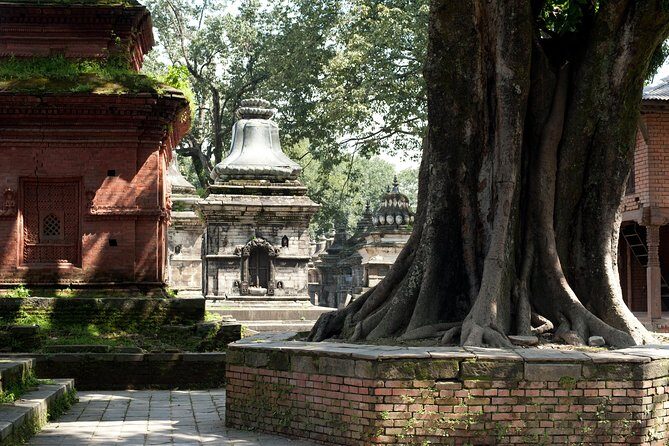
Rameshwar adds a spiritual-and-rural layer. You’re on the bank of the River Varuna, on the sacred path connected with Varanasi. The stop is focused on cattle and an agricultural farm, plus visits to a Sanskrit school and ashrams.
This is a longer segment—about two hours—so you should be ready for a bit more variation. You may move from farm life (where you can observe cattle and agricultural work) to educational or spiritual spaces. If you’re trying to understand how beliefs, learning, and everyday labor can sit side by side in the same community, this is one of the best places on the day.
What I like about this stop is the structure. You don’t only see farmland; you also see schooling and ashrams. That helps you connect the dots between religion as something people study and practice, not just something you view from outside.
A consideration: ashrams and school spaces usually call for quieter behavior. Dress and actions should match a learning and spiritual environment. If you’re not sure, watch what the guide does and follow it.
Also, bring mental stamina. Between village roads and moving through multiple community spaces, this is the part where you’ll appreciate any small breaks offered (like stepping into the vehicle at the right moment).



Price and logistics for an 8-hour private car day
This tour costs $128.01 per group for up to 3 people, for about 8 hours. That pricing structure is why it can be good value. If you have a group of three, you’re essentially splitting guide time and vehicle costs. In practical terms, it works out to roughly $43 per person when you fill the group.
What makes it feel fair is what’s included:
- an English & Hindi guide/storyteller
- air-conditioned vehicle
- coffee and/or tea
- lunch
- all fees and taxes
- and guided conversation connecting the dots between industry, trade, agriculture, and religion
What’s not included is important too: bottled water and snacks. Even with lunch provided, plan to buy water or pack a small snack if you tend to get hungry between stops.
Two other logistical details matter for comfort:
- You get hotel pickup.
- You’ll use a mobile ticket.
And one scheduling point: the tour is often booked about 34 days in advance, so if your dates are fixed, don’t wait until the last moment.
Making village visits respectful (and more interesting)
When a tour is built around real daily life, your attitude becomes part of the experience. I’d treat this day like a meeting with people, not a checklist of sights.
Here’s how I’d handle it:
- Ask questions instead of only looking. The guide’s job is to translate village life into understandable points—work with that.
- Keep phone use to a minimum when you’re in conversations or school spaces.
- Before taking photos around homes or kids, wait for the guide’s cue.
Also, dress for movement. Even though there’s an air-conditioned car, you’ll be outside at least part of the time. Light layers, comfy shoes, and modest coverage go a long way in places where people are living, learning, and working.
If you’re worried about hydration, plan ahead. Since bottled water is not included, you’ll want something on hand during the day, especially during long stretches between village stops.
Who should book this Varanasi village tour
This tour is a strong fit if you want more than riverfront photos. You’ll like it if you enjoy:
- agriculture and farm work themes
- craft culture like silk weaving
- conversations with people about daily life
- school visits that show how kids grow up in rural settings
- a day structured around multiple communities rather than one long stop
It may feel less ideal if you’re the kind of traveler who needs a tight, predictable schedule down to the minute and wants zero variation. Village days can be flexible because communities are living places. The best approach is to communicate early and stay flexible once you’re there.
One more thought: the guide matters a lot. One of the standout names tied to a great day is Manish, and the positive experience described a smooth morning-to-afternoon flow, plenty of village context, and time to talk with local farmers and families.
Should you book the Tour of the Villages of Varanasi?
If you want a day that connects Varanasi to the lives that feed and shape it, I think this is worth your attention. The strongest reason to book is the blend: craft (Saray Mohana), farm and cooking (Kapildhara), household conversation (Chiraigaon), and Varuna-area rural-spiritual life (Rameshwar). Few short tours manage that mix without feeling like separate random stops.
I’d book if you:
- can handle a car ride and a full schedule
- like practical, everyday learning more than monument hunting
- appreciate a guide who explains what you’re seeing
Skip or hesitate if you:
- need a museum-like guarantee that every minute will match a strict template
- are very sensitive to guide engagement levels
- forget to plan for water since it’s not included
If you go in with curiosity—and you treat the day like a conversation with rural life rather than a drive-by—this tour can give you a much more grounded view of Varanasi than the usual sights.
FAQ
How long is the tour?
It runs for about 8 hours.
What stops are included in the day?
You’ll visit Varanasi District, then Saray Mohana, Kapildhara, Chiraigaon, and Rameshwar.
Is pickup from your hotel included?
Yes, pickup is offered.
Is a guide included, and can they speak English and Hindi?
Yes. The tour includes a trained guide/storyteller who speaks English & Hindi.
What meals and drinks are included?
Coffee and/or tea are included, and lunch is included.
Is bottled water included?
No. Bottled water is not included.
Are snacks included?
No. Snacks are not included.
Is this a private tour?
Yes. It’s private, and only your group participates.
What ticket do I receive?
You get a mobile ticket.
What if the weather is bad?
The experience requires good weather. If it’s canceled due to poor weather, you’ll be offered a different date or a full refund.