REVIEW · VARANASI
Sarnath Tour- Where Buddhism Originated
Book on GetYourGuide →Operated by Shwetank Rao Tripathi · Bookable on GetYourGuide
Sarnath makes Buddhism’s origin feel tangible. This tour focuses on the places tied to the Buddha’s first sermon and the early story of how those teachings spread from here. Since Sarnath sits about 15 kilometers from the Varanasi city center, it also feels like a calmer change of pace, not just another stop on a jammed itinerary.
I especially like how the live English guide connects each monument to what happened there, instead of leaving you to piece together symbols on your own. I also like the practical side: AC car transport and monument entry tickets are included, so you spend less time negotiating logistics and more time looking carefully.
One consideration: food and drinks aren’t included, so plan for water (and maybe a simple snack) before you go, especially if you get hungry during the 4-hour window.
In This Review
- Key Highlights That Make This Tour Worth It
- Why Sarnath Feels Different From Varanasi
- Getting There From Hotel Ganges Grand Godowlia (and Staying Sane)
- Dhamekh Stupa: The Monument Closest to the Buddha’s First Sermon
- Dharmarajika Stupa: Relics After the Buddha’s Death
- Mulgandh Kuti Vihar: Where Meditation Takes Center Stage
- The Sarnath Museum Built in 1910: Statues That Explain What You’re Seeing
- Ruins, Monasteries, and Temples: How to Read the Site Like a Pro
- How the 4-Hour Timing Works (and Why It’s a Good Fit)
- Price and Value: Is $40 Reasonable for This Sarnath Tour?
- The Human Factor: What the Best Guides Do Here
- Should You Book the Sarnath Tour or Keep It DIY?
- FAQ
- FAQ
- Where is the meeting point for the Sarnath tour?
- How long is the tour?
- Is the tour guide available in English?
- What is included in the price?
- Is food or drinks included?
- What are the main places you visit in Sarnath?
- How far is Sarnath from central Varanasi?
- How much does the tour cost, and can I cancel?
Key Highlights That Make This Tour Worth It
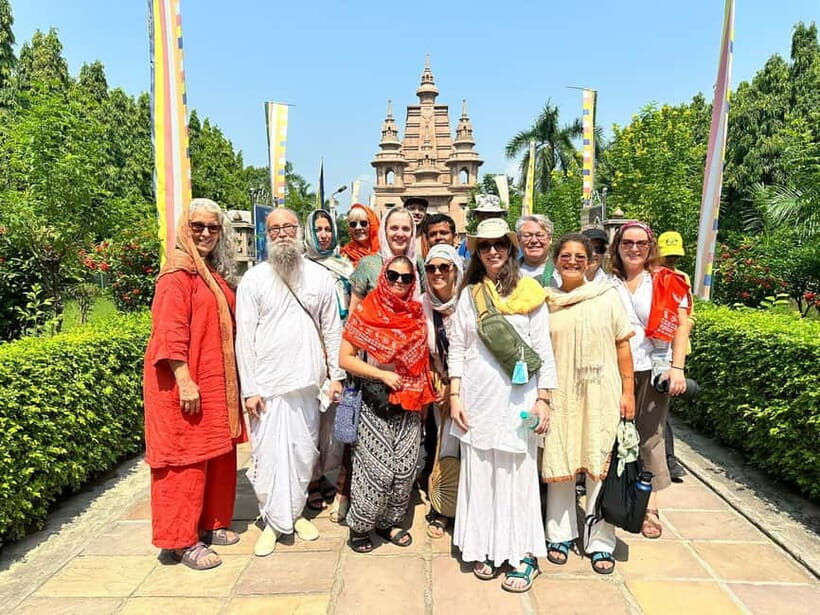
- Dhamekh Stupa tied to the Buddha’s first teachings (and associated with King Ashoka)
- Dharmarajika Stupa and the relic story after the Buddha’s death
- Mulgandh Kuti Vihar as a Gupta-period meditation site
- 1910 British-built museum with multiple types of statues
- English-speaking guide who keeps the visit respectful and easy to follow
- Entry tickets and an AC car included, reducing hassle
Why Sarnath Feels Different From Varanasi
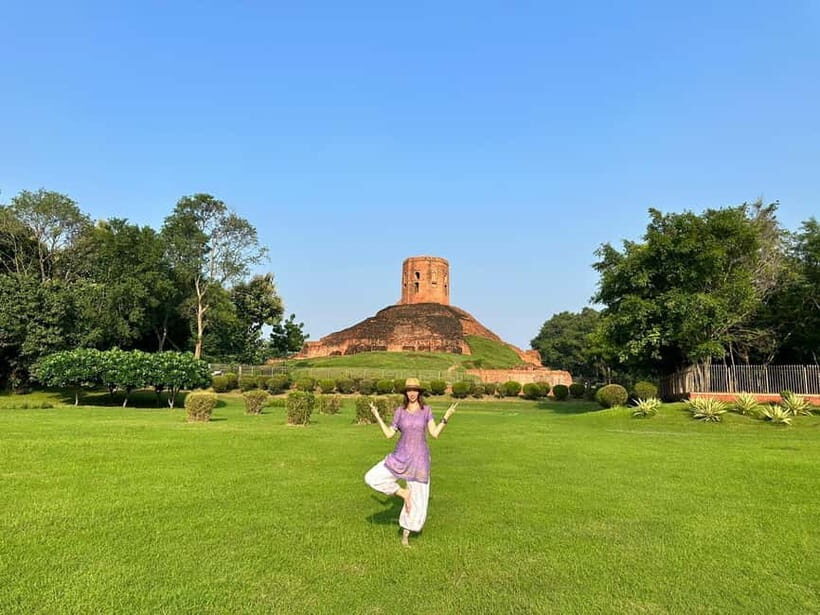
Varanasi can run at full volume. Sarnath, by contrast, gives you that rare thing on a trip: a mental exhale.
You’re heading to Uttar Pradesh, roughly 15 kilometers from the city center, and that distance matters. Even a short ride changes the rhythm of the day. Once you arrive, you’re not just looking at buildings—you’re walking through a site that’s remembered for the start of something world-changing. The emphasis here is not on random sightseeing. It’s on key points in the early Buddhist story, presented in a logical flow.
I find that timing and focus make the difference. A 4-hour half-day is short enough that you won’t feel dragged, but long enough to actually slow down at the most important monuments and understand what you’re seeing.
You can also read our reviews of more tours and experiences in Varanasi.



Getting There From Hotel Ganges Grand Godowlia (and Staying Sane)
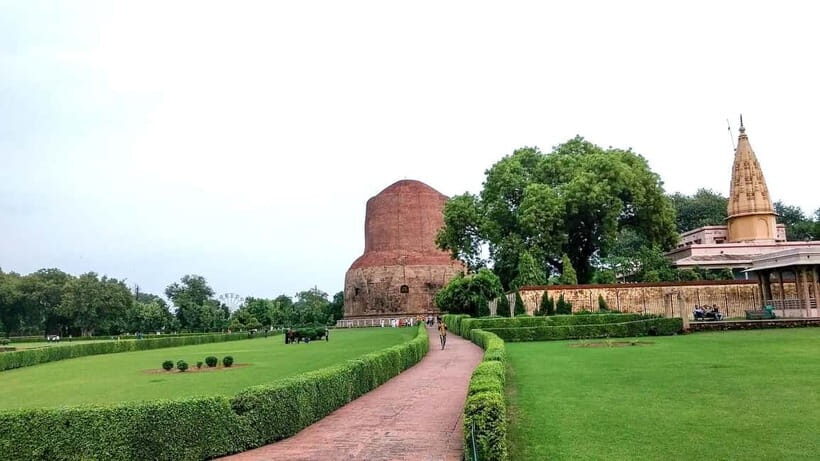
The tour starts with a clear meeting plan: meet your guide outside Hotel ganges Grand Godowlia. From there, you’ll have an AC car for the transfer and the day’s monument entries are handled as part of the experience.
I like this setup because it reduces the usual friction of independent travel in India: figuring out where to go first, how to enter each site, and how to keep your group together. The reviews also point to guides taking care of the entry details, so you’re not stuck standing around while someone searches for the right desk, gate, or ticket counter.
Your guide connects with you on WhatsApp using the number you provide when booking. That’s a small thing, but it helps if you’re trying to coordinate quickly in a city where plans can shift.
Dhamekh Stupa: The Monument Closest to the Buddha’s First Sermon
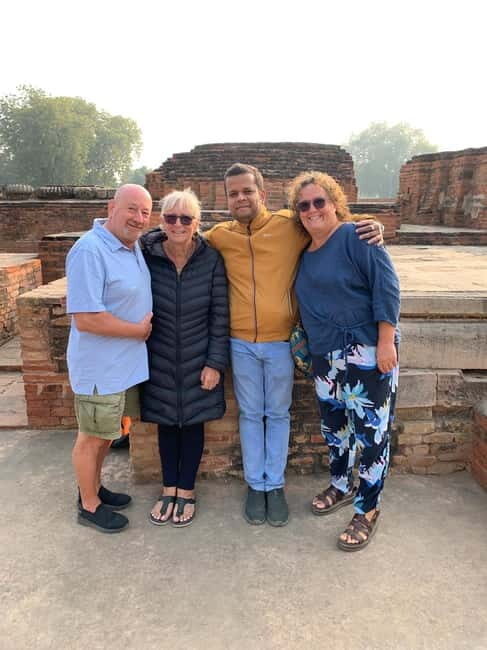
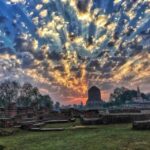
Dhamekh Stupa (often spelled Dhamakeh in tour descriptions) is the stop that anchors the whole visit. This is the site associated with where the Buddha taught about the Dhamma, and the stupa is described as having been built by King Ashoka.
When you look at a site like this, you want more than a photo. You want context for the shape, the age, and the meaning. That’s where a guide earns their fee. With the right explanations, Dhamekh becomes more than a landmark. It turns into a timeline marker: an era when royal patronage helped preserve and broadcast the teachings.
A useful tip for your visit: give yourself a moment to just look. These monuments can feel similar until someone points out what makes each one distinct. At Dhamekh, understanding the Ashoka connection helps you connect the physical structure to the larger story of Buddhism taking root and spreading.
Dharmarajika Stupa: Relics After the Buddha’s Death
Next comes Dharmarajika Stupa. Here, the emphasis is on the relic story—this stupa is described as a place where relics of the Buddha were brought after his death.
Relics can be a tough topic without guidance, because people see “old objects” and miss why the belief system attached so much importance to them. A good guide helps you understand that relic veneration wasn’t just about honoring the past. It also helped communities keep a living link to the Buddha’s presence, especially as Buddhism traveled beyond its birthplace.
The stupa also sits inside a broader landscape of monuments, including ruined older structures from thousands of years back. Even if you don’t memorize every name, you’ll start noticing how layered the site is. That layering is part of the emotional power of Sarnath: you’re not looking at one moment in time—you’re watching centuries overlap.
Mulgandh Kuti Vihar: Where Meditation Takes Center Stage
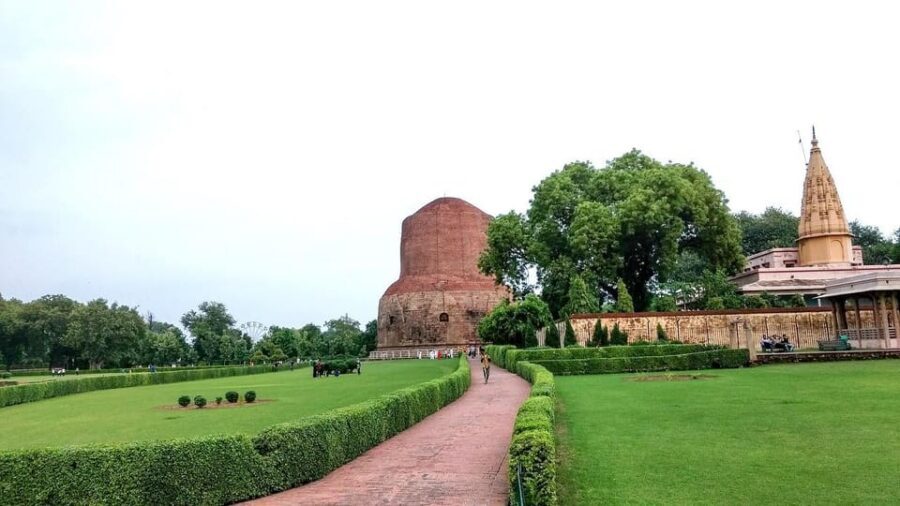
Mulgandh Kuti Vihar is another highlight, and it shifts the mood from sermons and relics to practice.
This site is described as a Gupta period example, representing the place where the Buddha used to meditate. That’s a helpful distinction: Buddhism isn’t only teachings and stories. It’s also practice, discipline, and quiet work inside your mind.
If you’re coming from the noise of Varanasi, this stop can feel like a reset button. The value here is in contrast. Where stupa stops connect you to historical memory, Mulgandh Kuti Vihar connects you to the idea that the Buddha’s story wasn’t only about public preaching. It was also about inner development.
I also like how this stop balances the visit. In a few hours you get multiple angles on early Buddhism: teaching, remembrance through relics, and meditation practice. If you came hoping for something meaningful beyond temple walls, this one often delivers.



The Sarnath Museum Built in 1910: Statues That Explain What You’re Seeing
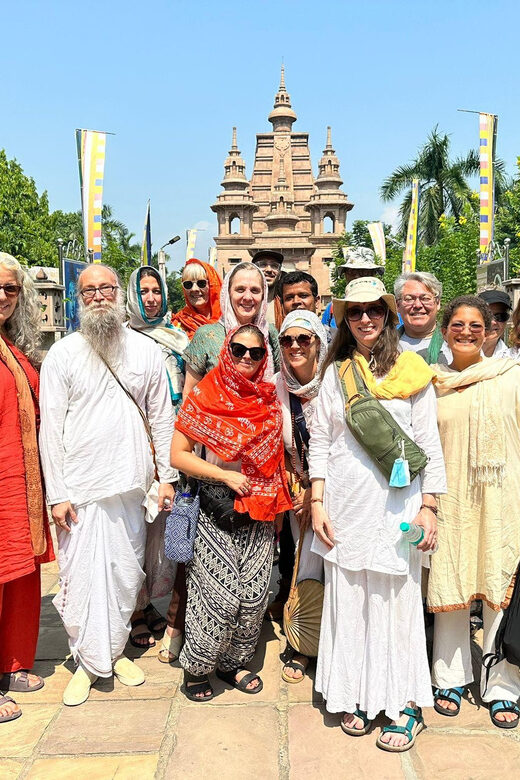
After the monument-focused stops, you’ll visit a museum built in 1910 by the British. It includes several different types of statues.
Museums can either feel like a detour or a shortcut to understanding. Here, it’s more of a bridge. If you’re staring at ancient stone forms and wondering how they relate to different traditions or periods, the museum helps you make sense of the visual language.
I recommend giving yourself enough time to look slowly at the statues rather than rushing through. The tour is only 4 hours, so you’ll want your pace to be intentional. Even reading labels isn’t the point; the point is recognizing how many ways Buddhist art expresses devotion and teaching through form.
This museum stop also adds value for first-timers. If you’ve never visited Sarnath before, seeing the monuments and then seeing related statues in a museum helps you build a mental map quickly.
Ruins, Monasteries, and Temples: How to Read the Site Like a Pro
Sarnath isn’t only three major stops. The area has several monuments, including stupas, monasteries (and other structures), temples, and museum spaces. It also includes some ruined monuments dating back thousands of years.
That can be overwhelming if you’re trying to do it solo. With a guide, you can “read” the site in a more organized way: first understand the story tied to the main stupa locations, then expand outward to understand how the sacred landscape developed over time.
A practical way to enjoy this: let the guide set the order, but keep your own attention flexible. If a monument looks especially old or especially meaningful, pause longer. Sarnath works best when you’re not treating it like a checklist.
The respectful tone matters too. One of the strongest notes from the experience is that the guide reminds you to be respectful to the place. That small guidance can change how you behave—less distracted, more present.
How the 4-Hour Timing Works (and Why It’s a Good Fit)
This is a half-day tour: 4 hours total. That’s long enough to see the key sites in Sarnath, but short enough that you can still keep your day flexible in Varanasi.
A key detail that makes it feel manageable is the transport and entry tickets being included. You’re not juggling ticket lines while trying to keep pace with a group. The structure is designed so the time goes toward the actual monuments and the museum.
Who this fits best:
- First-time visitors to Varanasi who want one meaningful Buddhist origin day
- People who like clear explanations tied to specific locations
- Travelers who want a short break from city chaos, without losing the cultural depth
If you’re the kind of traveler who loves slow, unscripted wandering for an entire afternoon, you might find 4 hours a little tight. But if you want the highlights with context, it’s an efficient sweet spot.
Price and Value: Is $40 Reasonable for This Sarnath Tour?
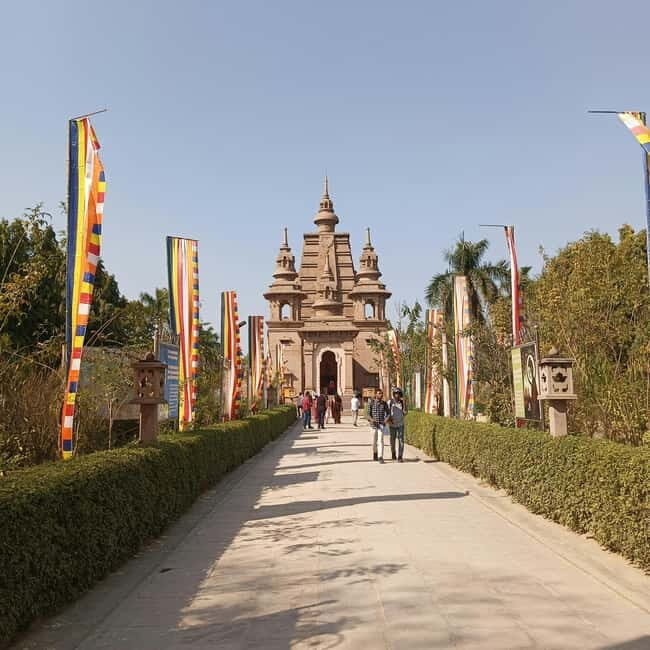
The price is $40 per person, and the value comes from what you’re not paying for in time and hassle.
Here’s the basic math in plain terms:
- You get an AC car included
- You get entry tickets included
- You get a live English guide for the full 4 hours
For many travelers, that combination is worth it, especially in a place where navigating entrances and understanding what matters can eat up your energy. The guide’s role is not just translating words. It’s connecting Dhamekh, Dharmarajika, and Mulgandh Kuti Vihar to the bigger early Buddhist story—plus helping you move through the site smoothly.
And since no food and drinks are included, you’ll want to budget a little extra for water or a snack. Still, compared to paying separately for transport plus tickets plus a guide, the all-in approach can feel fair.
The Human Factor: What the Best Guides Do Here
A lot of tours list famous sites. This one also benefits from a strong guide style.
In the feedback you’ll find consistent themes: the guide is passionate about guiding, gives detailed explanations, handles entry details smoothly, and answers questions. There’s also a note that the guide is respectful toward the place and reminds you to act respectfully too.
That matters because Sarnath isn’t just a photo stop. If you know what each stupa and vihar represents, the whole area clicks into place faster. And when the guide gives you space to enjoy the monuments at your own pace, the half-day feels less rushed and more satisfying.
One more practical detail from the experience: you may get dropped at a spot you prefer for continuing your visits in the area. It’s not something you should count on blindly, but it’s a useful sign that the guides try to work with your day, not just the tour route.
Should You Book the Sarnath Tour or Keep It DIY?
Book this tour if you want:
- A structured, English-guided visit focused on the origins of Buddhism
- Included entry tickets and AC transport, so you don’t burn time on logistics
- A short, meaningful day trip that pairs monuments with a museum
Consider DIY instead if:
- You’re confident navigating the site on your own and don’t need context
- You want a longer, more wandering style of visit than 4 hours
- You’re okay managing transport, ticketing, and interpretation without a guide
My bottom line: for most visitors to Varanasi, this is a smart use of a half-day. You get the key places tied to the Buddha’s teaching story, and you do it in a calm, efficient way that actually leaves you understanding the site instead of just moving through it.
FAQ
FAQ
Where is the meeting point for the Sarnath tour?
You meet your guide outside Hotel ganges Grand Godowlia.
How long is the tour?
The tour lasts 4 hours.
Is the tour guide available in English?
Yes, the live tour guide is English.
What is included in the price?
Included: an air-conditioned car and entry tickets in the monument sites.
Is food or drinks included?
No. Food and drinks are not included.
What are the main places you visit in Sarnath?
You’ll see Dhamekh Stupa, Dharmarajika Stupa, Mulgandh Kuti Vihar, plus additional monuments such as monasteries/temples and the museum.
How far is Sarnath from central Varanasi?
Sarnath is about 15 kilometers from the city center.
How much does the tour cost, and can I cancel?
The price is $40 per person. Free cancellation is available up to 24 hours in advance for a full refund, and you can reserve now and pay later.