REVIEW · VARANASI
Same day Ayodhya tour from Varanasi
Book on Viator →Operated by Tour Varanasi · Bookable on Viator
One early morning, two holy cities. This same-day Ayodhya trip from Varanasi is built for travelers who don’t want to add a hotel night. You get a guided temple circuit with admission tickets, plus time to see major pilgrimage stops along Ayodhya’s riverfront.
What I like most is how the day mixes big, well-known sites with calmer ghat moments. You’ll also have chances for a guided Ganges sunrise experience in the way this trip is described, including rituals and explanations that help the places make sense instead of feeling like quick photo stops.
The only real consideration is the pace. A very early pickup and a long day mean you need to plan for fatigue, and meals aren’t included.
In This Review
- Key things to know before you go
- A 5 AM start that makes sense for a same-day Ayodhya plan
- Ram Janmabhoomi Temple: the main event with real guided context
- Hanuman Garhi: views plus devotion from a hilltop
- Kanak Bhavan Temple: architecture and myth you can actually follow
- Guptar Ghat and Ram Ki Paidi: the Sarayu-side moments that keep you human
- Guptar Ghat
- Ram Ki Paidi (plus nearby temples)
- The Ganges sunrise component: why it often becomes the favorite part
- Cremation and rituals: go in with the right mindset
- Old lanes and the northern bazaars
- Kachauri food time: a smart way to handle meals on a packed schedule
- Guide quality and small comfort details that actually matter
- Price and logistics: is $170 good value for this full day?
- Who should book this Ayodhya-from-Varanasi tour?
- Final call: should you book?
- FAQ
- What time is hotel pickup in Varanasi?
- How long does the tour take?
- Is transportation included?
- Are admission tickets included?
- Is there a guide included?
- Are meals included?
- What about dress code for the boat ride and walking tour?
- Is it a private tour?
- Can I cancel for a refund?
Key things to know before you go
- 05:00 hotel pickup and a private AC car keep the day organized from the start
- Ram Janmabhoomi Temple plus multiple Ayodhya stops means you’re not just doing one landmark
- Sarayu-side ghats at Guptar Ghat and Ram Ki Paidi slow the day down at the right time
- Guidance from a govt-approved art historian helps you understand what you’re seeing
- Sunrise-focused Ganges time is a standout when schedules allow in this package style
- Temples and walking rules matter, so skip high heels for the boat and on-foot parts
A 5 AM start that makes sense for a same-day Ayodhya plan
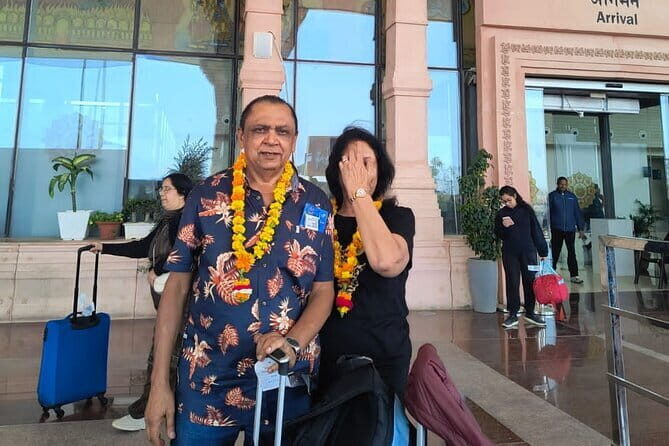
This tour is designed around an early departure from Varanasi, with pickup from your hotel around 05:00. That timing isn’t there for drama. It’s there so you can drive to Ayodhya, cover several major sites, and still make it back to Varanasi on the same day.
If you’re staying in Varanasi for 3–4 nights or more, this can be a smart add-on. You get a change of scenery beyond Kashi without losing a night to travel. The flip side is simple: you’ll be awake earlier than you probably want to be, especially if you’re the type who likes a slow breakfast and a late start.
The good news is that you’re not doing this in a crowded bus system. The tour includes a private medium air-conditioned car for pickup and drop-off, plus bottled water. For a long day like this, that comfort detail really matters.
You can also read our reviews of more tours and experiences in Varanasi.



Ram Janmabhoomi Temple: the main event with real guided context

The first big stop is Shree Ramjanmbhumi Temple (Ram Janmabhoomi) in Ayodhya. The visit time listed is about 4 hours, and admission is included.
For first-time visitors, this kind of multi-hour block is a big deal. Temples in India are not just a single photo moment. You need time for entry procedures, moving through crowded areas, and understanding why people are doing what they’re doing. Having a professional art historian guide (govt approved) helps translate the symbolism and architecture so you don’t feel like you’re walking past history without getting the story.
One practical note: even with a guide, you’ll still need patience. Expect lines at busy times and crowds around the main temple complex. If you’re sensitive to standing long periods, plan your energy accordingly.
Hanuman Garhi: views plus devotion from a hilltop

Next up is Hanuman Garhi Mandir, with about 1 hour on the schedule and admission included. The temple sits on higher ground, which means you’re not just seeing the structure. You’re getting a broader Ayodhya view from the hilltop area.
This stop works well as a change of pace after Ram Janmabhoomi. It tends to feel more devotional and less like a checkpoint. Also, because Hanuman is worshipped here as the main deity, the focus of the experience shifts from the epic story setting of Rama to a very strong, grounded local tradition of Hanuman devotion.
If you’re traveling with anyone who likes scenery, the hilltop angles are a nice bonus.
Kanak Bhavan Temple: architecture and myth you can actually follow

After Hanuman Garhi, the tour continues to Kanak Bhavan Temple, also listed for about 1 hour with admission included. This temple is dedicated to Lord Rama and Sita, and the site is known for intricate architecture and vibrant paintings.
The reason I consider this a key stop is that it gives you a different sensory experience from the larger complex areas. Where the main Ram Janmabhoomi visit can be about scale and atmosphere, Kanak Bhavan often feels more intimate in its detail. A good guide helps you see how the imagery and ornamentation connect to the stories people come to honor.
If you enjoy slower observation—reading what a place is trying to show—you’ll appreciate this segment.
Guptar Ghat and Ram Ki Paidi: the Sarayu-side moments that keep you human
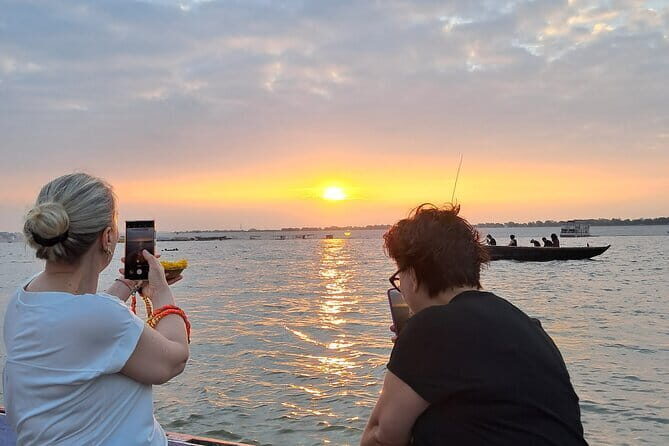
After lunch, the itinerary moves to riverfront stops on the Sarayu River.



Guptar Ghat
Guptar Ghat is about 1 hour, admission included. The tone here is described as serene, and that’s a relief in a day that starts with intense highlights. Standing near the water gives you a pause button. You can take in the scale of Ayodhya’s riverside culture without rushing through more temple corridors.
Ram Ki Paidi (plus nearby temples)
Then you walk through Ram Ki Paidi for about 1 hour. The schedule also mentions visits to notable nearby temples such as Kale Ram or Nageshwar Nath Temple.
Ghats in North India are where daily life and sacred tradition blend. Even if you’re not an expert in the local practices, the riverfront setting makes it easier to understand why pilgrimage is tied to water. You’re not just visiting buildings; you’re visiting a way of seeing the world.
Potential drawback: this is still a walking-and-standing day. Wear comfortable footwear and plan for sun exposure, even if mornings start cooler. No high heels is also recommended for the parts that include walking and boat time.
The Ganges sunrise component: why it often becomes the favorite part

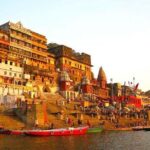
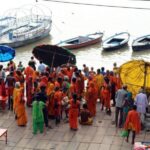
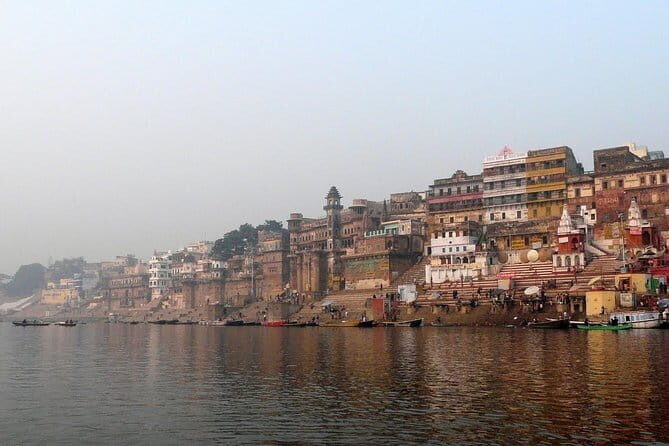
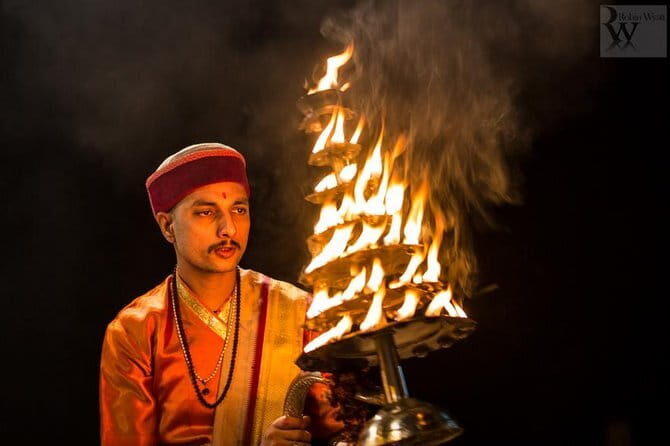
The trip’s overall description highlights a dawn rowboat experience on the Ganges and a guided walk through old lanes afterward. It also notes witnessing daily Hindu rituals and seeing cremation sites with an explanation of the logic behind the burning of dead bodies.
If you’re wondering whether this is worth it, here’s the practical angle: sunrise on the Ganges changes the mood fast. The river looks different at first light, the boat ride feels calmer, and the explanations from a guide help you understand what you’re seeing rather than just reacting to it.
One of the most praised points in the feedback is the guidance quality. In at least one recent experience, Mr Sunil Sahani and his team of boatmen were described as helpful and informative. That kind of local storytelling tends to be the difference between a generic boat ride and a meaningful cultural hour.
Cremation and rituals: go in with the right mindset
This is the part where you should mentally prepare. Seeing cremation ghats can feel heavy. The tour description specifically mentions understanding the logic behind the practice. That framing matters because it turns a shocking sight into something you can approach with context and respect.
If you’re not comfortable with death-related rituals, skip the cremation portion if your operator offers alternatives on the day. You can still enjoy the boat ride and the dawn atmosphere.
Old lanes and the northern bazaars
After the boat segment, the trip description says you’ll walk into thousands-years-old streets and explore northern bazaars, then head to the famous food street known for kachauri.
That’s a strong setup for people who want more than temples. Varanasi is also a place you experience through small street details: how people move, how food vendors work, and how neighborhoods feel at street level.
Kachauri food time: a smart way to handle meals on a packed schedule
Meals are not included in this tour, which is worth knowing upfront. That means you’ll need to plan your own eating breaks around the itinerary timing.
The tour description points to a food street famous for kachauri. Here’s how to enjoy this without derailing the day:
- Keep a flexible mindset: street food time may be short, so don’t expect a sit-down restaurant-style meal.
- Carry basics if you can: water is included, but you might want a small snack buffer for early mornings.
- If you’re sensitive to spicy food, start with one portion and see how you feel.
Also, if you go heavy on street snacks, you may end up skipping a proper lunch later. The schedule does say lunch happens before the Guptar Ghat stop, but the tour doesn’t say lunch is provided. So treat the food street as a highlight, not a full meal replacement plan unless you’re sure your stomach can handle it.
Guide quality and small comfort details that actually matter
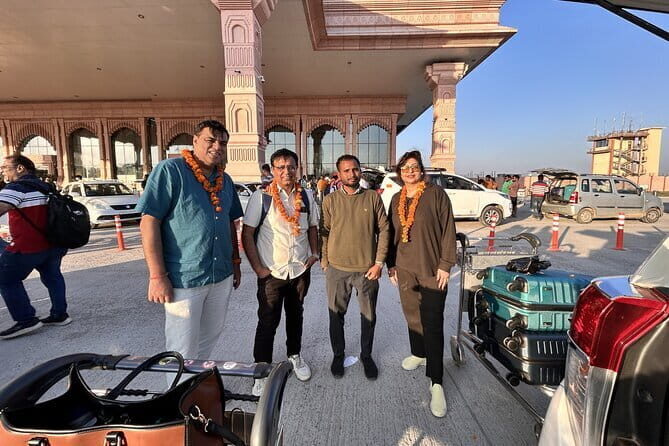
This experience includes a govt-approved professional art historian guide and bottled water. You’ll also have a mobile ticket and the advantage of a private tour where only your group participates.
Those are not fancy perks. They affect your day directly:
- A good guide helps you ask better questions without feeling lost.
- A mobile ticket reduces the friction of entry moments.
- A private group layout means you’re not stuck waiting for other travelers to decide where to stand.
The feedback also hints at strong communication. One person described a private guide as having excellent English. In a day packed with temples and explanations, that language quality helps you understand quickly and move on calmly.
If you’re worried about getting stuck behind a loud group or losing time to slow decision-making, this private setup usually helps you stay on track.
Price and logistics: is $170 good value for this full day?
At $170 per person, this is priced like a serious guided day trip rather than a basic transfer service. And when you look at what’s included, the value becomes clearer.
Included items you should factor into value:
- Private AC car for hotel pickup and drop-off
- Bottled water
- GST
- Professional art historian guide
- Admission tickets included for the listed Ayodhya temple stops
Not included (so budget it):
- Meals
- Gratuities (optional)
- Anything not listed in the itinerary
When a day includes several major sites and a guide who explains context, the per-person cost starts to feel fair, especially if you’re visiting from a place where religious-heritage guidance isn’t cheap. The private car also lowers the stress factor of moving around.
One more value angle: group discounts are mentioned, so if you’re traveling with friends or family, your final cost can feel even better.
Who should book this Ayodhya-from-Varanasi tour?
This tour is a great fit if you:
- Want a same-day spiritual and cultural change without adding a hotel night
- Like guided explanations that connect stories to what you see
- Enjoy early mornings when the payoff is sunrise atmosphere and less crowded viewing
- Prefer private comfort over public transportation for a long day
It may not be the best fit if you:
- Need lots of downtime. The day is long (about 10 to 12 hours)
- Have difficulty with walking and standing. The route includes multiple temple visits and ghats, plus walking segments
- Hate heavy cultural sights. The description includes cremation-related viewing with explanation.
Also, if you’re traveling with high-heel shoes as your default, swap them out. The tour guidance explicitly asks you not to wear high heels during the boat ride and walking tour.
Final call: should you book?
I’d book this if you want one efficient day that hits Ayodhya’s main pilgrimage anchors and still keeps time for reflective riverfront moments. The best reasons to choose it are the combination of admission-included temple time and guided interpretation from a govt-approved art historian.
I’d hesitate only if your schedule is too tight for a very early morning, or if you’re uncomfortable with death-related rituals being part of the experience.
If you’re the type who already knows you’ll enjoy dawn light on the Ganges and temples in the morning calm, this is the kind of day trip that can leave you with more than just photos.
FAQ
What time is hotel pickup in Varanasi?
Pickup is offered from your hotel in Varanasi at around 05:00.
How long does the tour take?
The duration is listed as approximately 10 to 12 hours.
Is transportation included?
Yes. The tour includes a private medium air-conditioned car for hotel pick-up and drop-off.
Are admission tickets included?
Admission tickets are included for the listed stops in Ayodhya, including Ram Janambhoomi Temple, Hanuman Garhi, Kanak Bhavan Temple, Guptar Ghat, and Ram Ki Paidi.
Is there a guide included?
Yes. You get a professional art historian guide (govt approved).
Are meals included?
No. Meals are not included.
What about dress code for the boat ride and walking tour?
The guidance is not to wear high heels shoes during the boat ride and walking tour.
Is it a private tour?
Yes. It’s described as a private tour/activity, meaning only your group will participate.
Can I cancel for a refund?
You can cancel for a full refund if you cancel up to 24 hours in advance of the experience start time.