REVIEW · JAIPUR
Jhalana Leopard Safari Jaipur – Sunrise & Sunset Jeep Safari
Book on GetYourGuide →Operated by Safarirajasthan · Bookable on GetYourGuide
Leopards near Jaipur feel unreal. This sunrise or sunset Jhalana & Amagarh safari takes you into leopard country minutes from the Pink City, riding in an open jeep while a naturalist guide tracks movement patterns.
What I love most is the way the guide turns wildlife into something you can actually follow—reading signs and adjusting your route as chances change. The second big win is the calmer setup: limited jeeps per slot, so you’re not stuck in a loud crowd, and you also get a wider wildlife mix like striped hyenas, desert foxes, blue bulls, and 150+ bird species.
One thing to keep in mind: leopard sightings can be brief, and timing matters. Double-check any WhatsApp-style meeting updates, because the start time and meet point can shift, and a rushed approach can cost you the best window.
In This Review
- Key highlights that make this safari worth it
- Why Jhalana works so well close to Jaipur
- Sunrise vs sunset: choosing the best time to spot movement
- The 3-hour flow: what happens from Jhalana to back again
- Stop 1: Starting at Jhalana Leopard Safari Park
- Stop 2: Wildlife viewing time
- Stop 3: Off-road adventure through dry forest roads
- Stop 4: Sightseeing and final viewing before heading back
- Wildlife you might see: what’s most realistic
- The jeep, comfort, and who should (and shouldn’t) go
- Photo tips that match the way you’ll actually ride
- Price and value: is $49 a good deal for this area?
- What’s included, what’s not, and what to pack
- Languages, meeting style, and how to avoid hiccups
- Should you book this Jhalana sunrise or sunset jeep safari?
- FAQ
- FAQ
- Where does the safari start?
- How much does the Jhalana Leopard Safari cost?
- How long is the safari?
- Can I choose a sunrise or sunset safari?
- What is included in the ticket?
- What is not included?
- What languages are available for the guide?
- How far is it from Jaipur city centre?
- What should I bring and what are the rules?
Key highlights that make this safari worth it
- Sunrise or sunset options for different light and animal activity
- Government-licensed naturalist guide focused on leopard tracking
- Limited jeeps per slot for a more patient, less crowded feel
- Jhalana + Amagarh 4×4 route with off-road rocky hills and dry forest roads
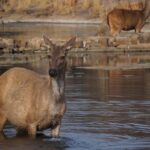
- Wildlife variety beyond cats: striped hyenas, desert foxes, blue bulls, and 150+ birds
Why Jhalana works so well close to Jaipur
Jhalana has a rare trick up its sleeve: it’s close to the city, but it still feels like you’ve left the crowds behind. You’re only about 20 minutes from Jaipur city centre, which means a safari morning or evening doesn’t eat your whole day.
The reserve also has a lot going on for wildlife. You’re looking at a habitat where there are said to be 35+ leopards, plus striped hyenas, desert foxes, and blue bulls. Even when you don’t get the perfect cat moment, you’re likely to stay entertained by other sightings and constant bird activity.
The jeep setup matters, too. This is an open 4×4 jeep, not a bus with windows and a distant view. When you’re hunting for movement, being able to scan quickly and react in real time is a big advantage.
You can also read our reviews of more evening experiences in Jaipur
Sunrise vs sunset: choosing the best time to spot movement
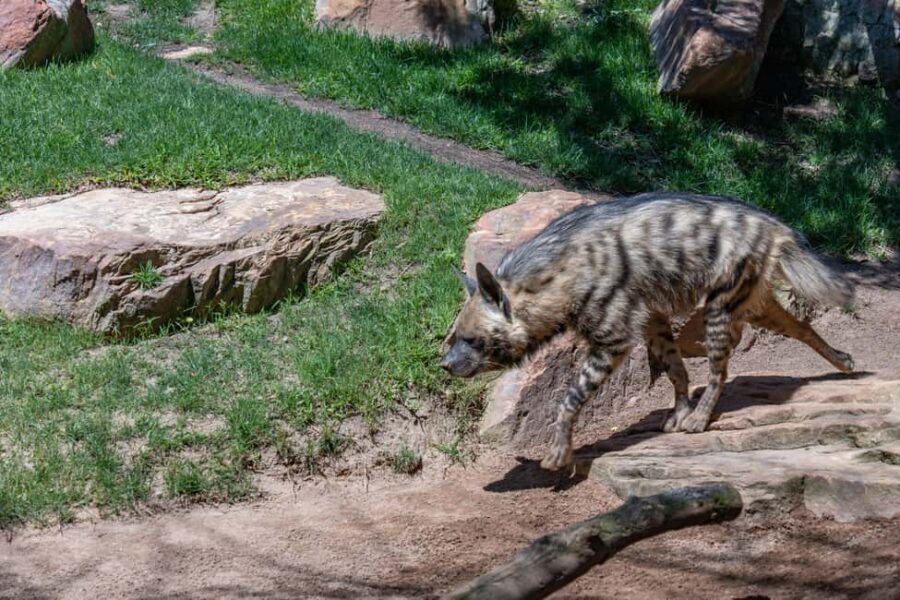
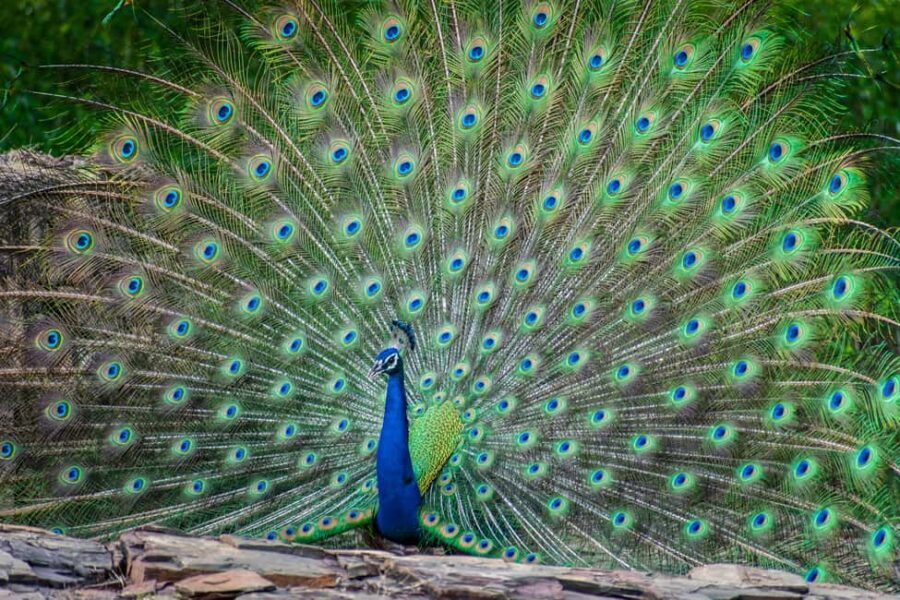
If you can pick, I’d think of sunrise and sunset as two different styles of hunting. Sunrise tends to bring more “waking up” energy in the forest, and it’s the time when you might catch calls from peacocks and see animals on the move. The light is also gentler, which helps if you like photos but want less harsh glare.
Sunset flips the vibe. The golden light turns everything more dramatic, and it can make sightings feel cinematic—especially when the cats or blue bulls step into the last rays. If your priority is photography mood and contrast, sunset is often the better bet.
Either way, you’re riding in a dry-forest setting where animals may be quiet and still. That means the best results come from patience and scanning, not just hoping. Pick the time that matches your energy level: sunrise means an early start, while sunset means you’re dealing with fading light.
The 3-hour flow: what happens from Jhalana to back again
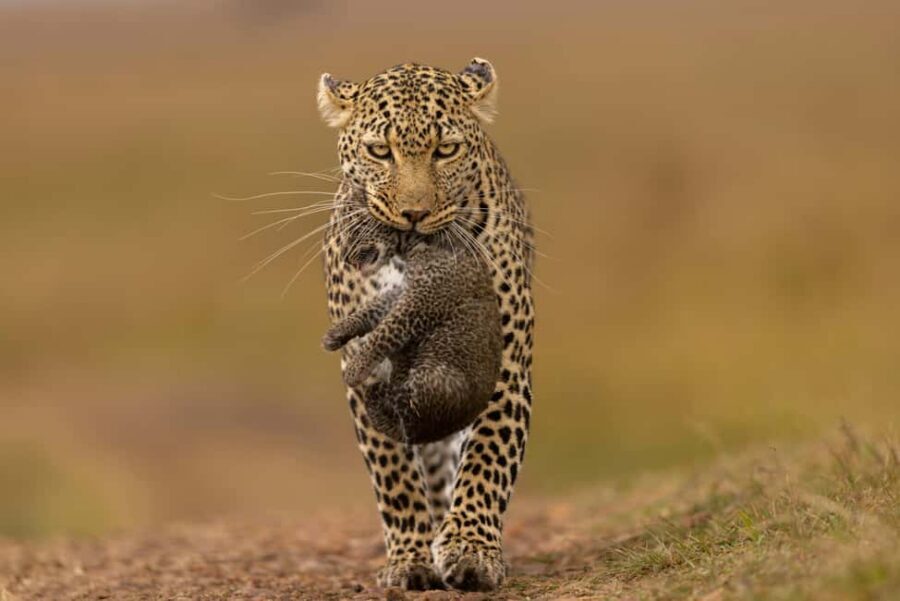
This is a 3-hour experience that includes time for check-in and getting set before you start riding. Once you’re at Jhalana Leopard Safari Park, expect a short on-the-ground start: getting oriented, hearing the plan, and then moving out as the guide gauges the conditions.
Stop 1: Starting at Jhalana Leopard Safari Park
Right away, you’re in the right environment to begin wildlife watching. You’re not waiting forever in a parking lot. The goal is to get you positioned for the first chances while your eyes are fresh and the animals are more likely to be active.
Stop 2: Wildlife viewing time
This is where the safari earns its name. The guide keeps scanning for signs—movement, silhouettes, and anything that hints at what might be nearby. When a leopard has been active but then goes still, the whole jeep becomes a slow-motion search team.
Here’s what you should mentally prepare for: you might cover areas in a few quick shifts if the guide hears or spots something promising. If you’re impatient, you’ll feel it. If you can enjoy the hunt—birds, tracks, distant movement—you’ll have a better time even before any big cat appears.
You can also read our reviews of more tours and experiences in Jaipur
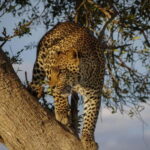
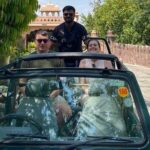
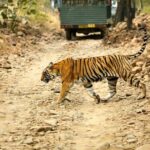

Stop 3: Off-road adventure through dry forest roads
This is the ride portion where the “4×4” actually matters. You’ll be traveling through rocky hills and dry forests, so the jeep feels more like an expedition than a smooth countryside drive. This can be fun—wind in your face, more direct spotting from the sides of the vehicle, and quick repositioning when the guide wants to change direction.
It also means bumps. If you’re sensitive to rough rides or have back issues, you’ll want to plan accordingly (and honestly, this kind of safari is not listed as suitable for people with back problems or mobility impairments).
Stop 4: Sightseeing and final viewing before heading back
As your safari window tightens, the guide typically keeps you where the odds are best. That might mean lingering for a possible sighting or moving when conditions change. By the time you’re returning, your “last chance” feeling kicks in—eyes sharp, camera ready, and everyone scanning the treeline.
Finally, you arrive back at Jhalana Leopard Safari Park to end the loop. The whole experience is built around staying active during animal-heavy times rather than taking long breaks.
Wildlife you might see: what’s most realistic
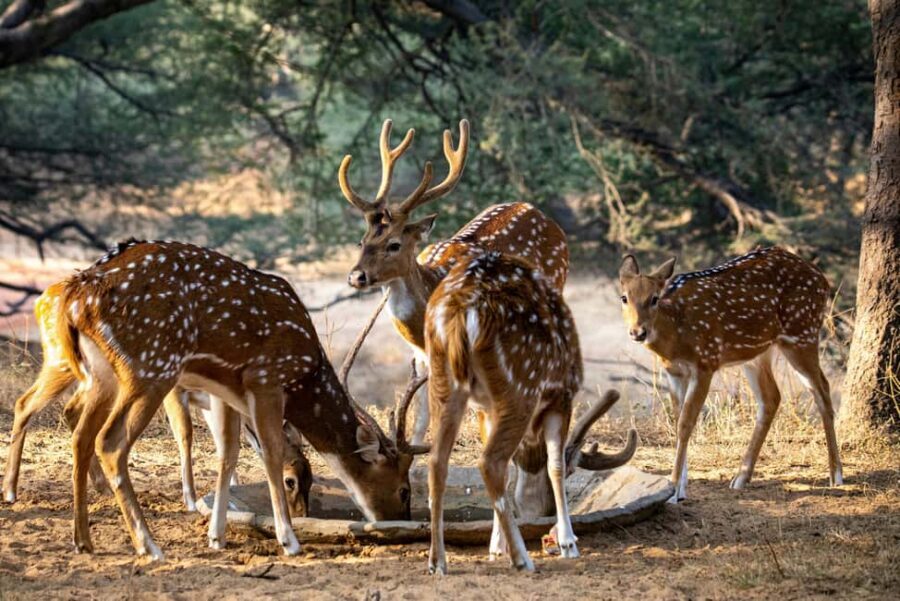
Let’s talk about what this safari is actually built for: leopard tracking. The whole route is guided by the naturalist’s reading of leopard movement patterns, and that’s what separates a real safari from a simple drive.
Here’s the wildlife mix you can realistically expect to be looking for:
- Leopards: the big target, with sightings that can be quick and require attention
- Striped hyenas: often easier to hear or spot indirectly than you’d think
- Desert foxes: you’ll likely need the guide’s scanning skill and your quick eyes
- Blue bulls: watch for them moving quietly between dry patches
- Birdlife (150+ species): even without a leopard, bird-watching can keep you busy
A practical note: leopard sightings aren’t guaranteed, and they can be brief. That’s not a sales pitch problem—it’s how wildlife works. If you go expecting a long, uninterrupted view, you might feel disappointed. If you go ready for the possibility of a quick, thrilling sighting and then instant repositioning, you’ll enjoy the hunt more.
The jeep, comfort, and who should (and shouldn’t) go
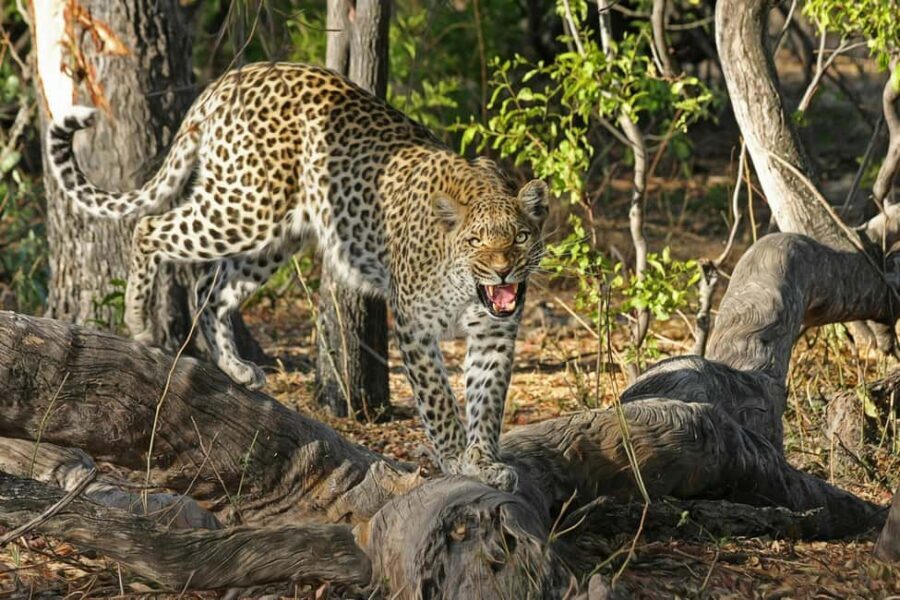
This is an open 4×4 jeep experience, and it’s intentionally active. You’ll be dealing with dust, uneven ground, and some jostling from off-road travel. If you like nature and don’t mind a rougher ride, you’ll find it more exciting than “comfortable.”
It’s also clearly not for everyone. The activity is listed as not suitable for pregnant women, people with back problems, or those with mobility impairments. If any of those apply to you, I’d choose a different style of safari that’s gentler and easier to manage.
What you can do to make it easier:
- Wear something breathable and closed-toe (dust happens)
- Bring water and plan for the fact that you may not get long breaks
- Keep your camera strap secure, because the jeep moves and you won’t want to fumble
Photo tips that match the way you’ll actually ride
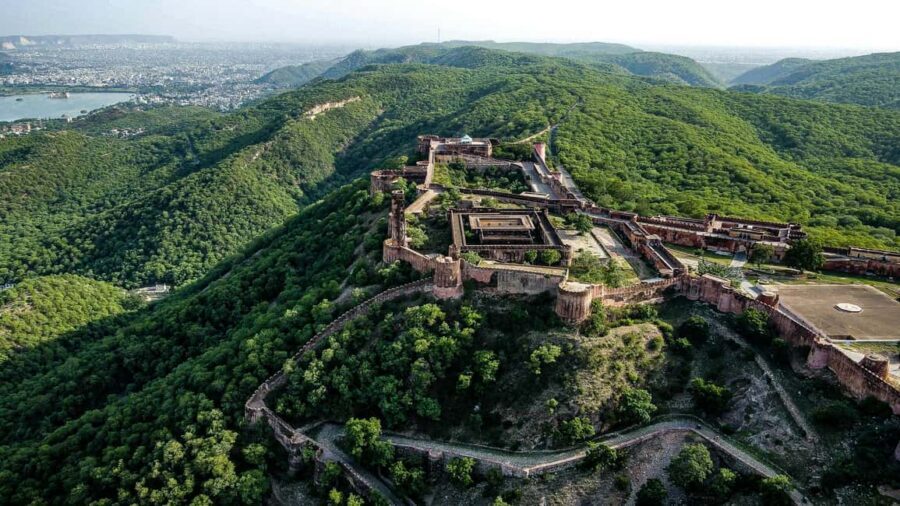
You’ll be photographing in moving conditions: a jeep, dry terrain, changing light, and animals that may only show briefly. So photo success comes from setup more than luck.
Bring:
- A camera
- Binoculars if you have them
- Sunscreen and water
- Insect repellent
Then do two things that help immediately:
1) Keep your lens ready rather than stowing everything between stops. Quick moments happen.
2) For sunrise/sunset, watch your exposure. The light can be strong near the horizon, and silhouettes can look dramatic even when details are harder to catch.
Also, follow the park rules: don’t feed animals and don’t touch plants. If you get close, keep it observational, not hands-on.
Price and value: is $49 a good deal for this area?
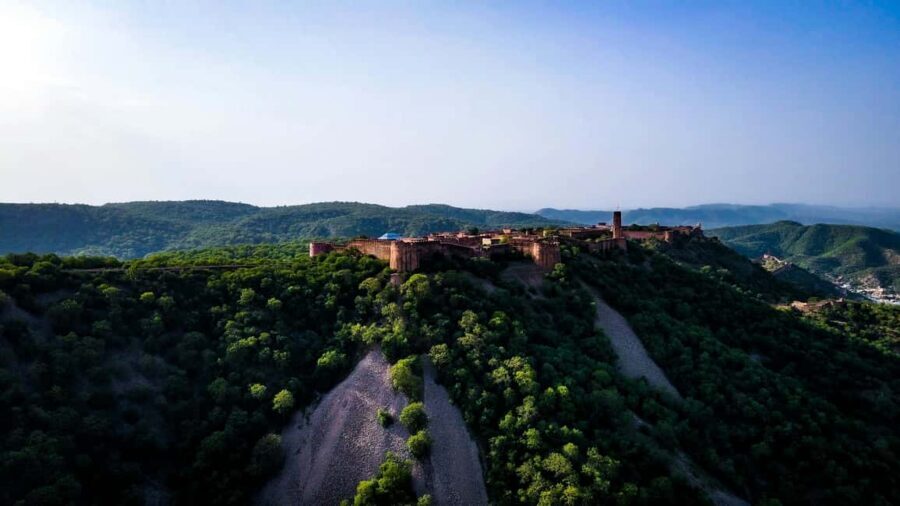
At around $49 per person for a 3-hour safari, this can be solid value—if you care about tracking and wildlife chances rather than just checking a box. The price isn’t just for sitting in a jeep. You’re paying for:
- An open 4×4 jeep
- A local naturalist guide
- Leopard tracking and wildlife spotting
- Off-road adventure time
Where value depends on you: your odds are tied to animal behavior that day and to how carefully the guide positions the jeep. If you get the moment, $49 can feel like a bargain. If the leopard is quiet or sightings are short, it won’t feel like a guaranteed jackpot.
There are also costs you should plan for. Hotel pickup and drop-off aren’t included, and food and drinks aren’t included either. So the real value is the ticket price plus your commute and whatever you bring for water/snacks.
What’s included, what’s not, and what to pack
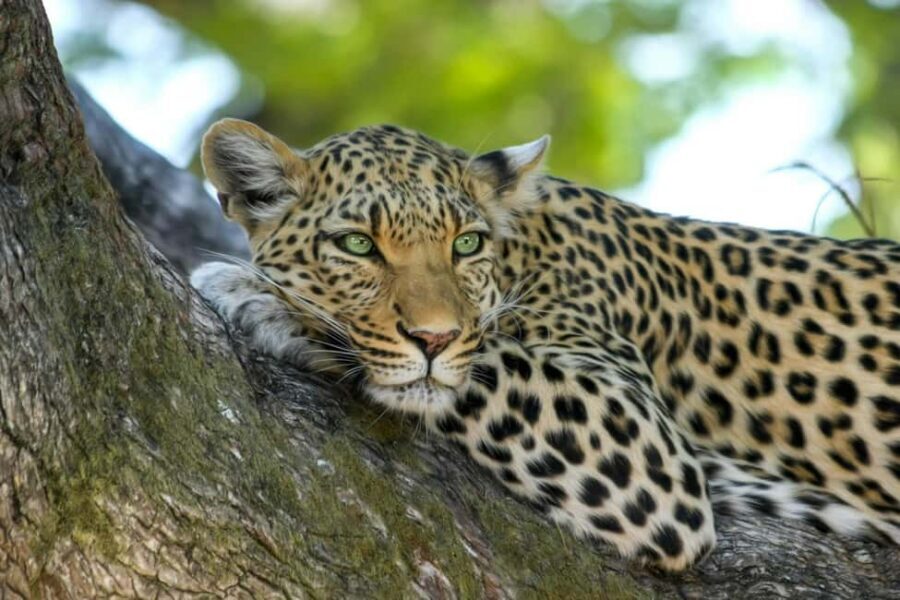
You’re included for the core safari:
- Open 4×4 jeep safari
- Local naturalist guide
- Leopard tracking
- Wildlife spotting
- Offroading adventure
You’re not included for comfort and logistics:
- Hotel pickup and drop-off
- Food and drinks
- Personal expenses
So pack like you’re going for a real outdoor session. The basics listed are:
- Camera
- Sunscreen
- Water
- Insect repellent
- Binoculars
And please follow the rules: no littering, no feeding animals, no touching plants. If you want a cleaner, more respectful reserve experience, these are the non-negotiables.
Languages, meeting style, and how to avoid hiccups
This safari offers guides in multiple languages: English, German, Russian, French, Spanish, Italian, Hebrew, and Hindi. If you’re traveling with language needs, this flexibility is a real plus.
One more practical point: schedules can be arranged by slot, and start times aren’t always treated like a clockwork stamp. You might also receive last-minute meeting point updates (for example, through a message). My advice is simple: keep an eye on the info you’re sent close to departure, save the coordinates if you receive them, and be ready to arrive with a little extra cushion—especially for sunrise.
Should you book this Jhalana sunrise or sunset jeep safari?
Book it if you want a wildlife-focused experience near Jaipur, and you’re excited by the idea of tracking rather than just driving. The combination of naturalist leopard tracking, limited jeeps per slot, and the chance to see multiple species (not only cats) makes it a strong option for a half-day adventure.
Skip or rethink it if you expect guaranteed, long leopard viewing every time, or if you need a gentle, easy ride. This is active off-road time, and the activity is not listed as suitable for certain mobility and pregnancy needs.
If you match the profile—nature-minded, camera-ready, and okay with wildlife spontaneity—this is the kind of safari that can feel like you’re right inside the story of the forest.
FAQ
FAQ
Where does the safari start?
The safari starts at Jhalana Leopard Safari Park.
How much does the Jhalana Leopard Safari cost?
The price is $49 per person.
How long is the safari?
The duration is about 3 hours.
Can I choose a sunrise or sunset safari?
Yes, you can choose either a sunrise or sunset jeep safari.
What is included in the ticket?
Included are an open 4×4 jeep safari, a local naturalist guide, leopard tracking, wildlife spotting, and an offroading adventure.
What is not included?
Hotel pickup and drop-off, food and drinks, and personal expenses are not included.
What languages are available for the guide?
English, German, Russian, French, Spanish, Italian, Hebrew, and Hindi.
How far is it from Jaipur city centre?
It’s about 20 minutes from Jaipur city centre.
What should I bring and what are the rules?
Bring a camera, sunscreen, water, insect repellent, and binoculars. You must not litter, feed animals, or touch plants.