REVIEW · SAWAI MADHOPUR
Ranthambore: Guided Safari Tour by Canter or Jeep
Book on GetYourGuide →Operated by RANTHAMBORE CANTER SAFARI BOOKING · Bookable on GetYourGuide
Ranthambore is built for big sightings. This guided safari tour gives you a focused 3-hour window into Ranthambore National Park, where guides help you scan for predators and the smaller action happening all around. If you care about wildlife and want the logistics handled, this kind of guided ride-from-Sawai-Madhopur style outing is a practical way to spend time in Rajasthan.
I like two things most: the chance at Royal Bengal tigers plus other standout mammals, and the built-in guidance (English or Hindi) that helps you read what you’re seeing. One consideration: the experience depends on safari timing and on-the-day conditions, and there have been reports of missed guides or last-minute cancellations, so it’s smart to stay flexible and confirm the pickup close to departure.
In This Review
- Key highlights at a glance
- Why a short Ranthambore safari works so well
- Getting started: Ranthambore Circle and the visitor center routine
- On a canter or jeep: what the guide helps you do
- Wildlife targets that match Ranthambore’s strengths
- Big cats: tigers and leopards
- Deer and boar: the action you can often see sooner
- Crocodiles and water-side surprises
- Birds: 270+ species means there’s usually something moving
- The terrain and habitat: how lakes and dry forests affect your view
- What to bring (and what rules keep the day safe)
- Price and value: what the safari charge actually covers
- Who this safari is best for
- The animal-luck reality and the planning risk
- Should you book this Ranthambore canter or jeep safari?
- FAQ
- How long is the guided safari tour?
- What wildlife can I expect to see in Ranthambore?
- Does this tour include a guide and park entry?
- What vehicle options are available?
- What should I bring and what is not allowed?
- Can I cancel for a full refund?
Key highlights at a glance
- Canter or jeep-style safari: choose the vehicle option that fits your comfort and plan
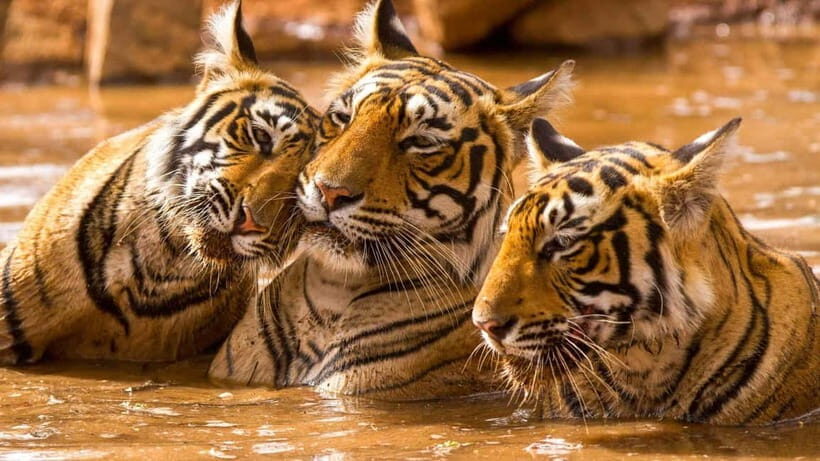
- Real tiger country: Ranthambore is known for a significant population of Royal Bengal tigers
- More than big cats: keep an eye out for leopards, spotted deer, sambar, and wild boar
- Birding bonus: the park supports 270+ species of birds, so there’s often motion even when cats stay hidden
- Guide + boarding pass included: you don’t have to figure out park access while you’re there
Why a short Ranthambore safari works so well
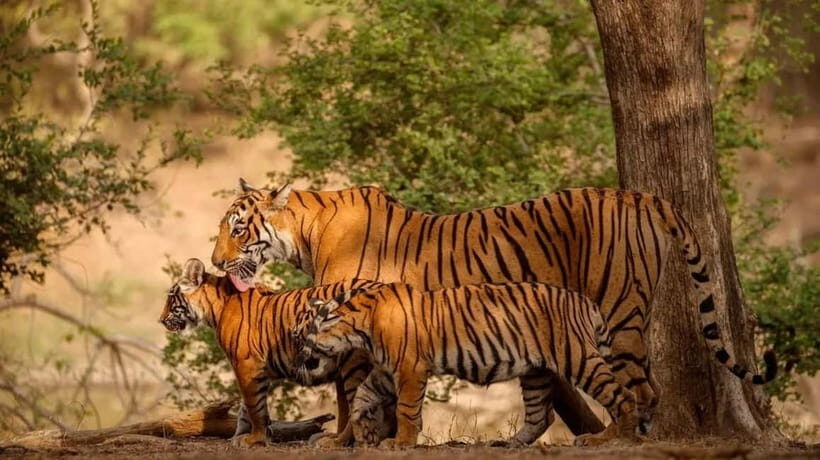
Ranthambore National Park rewards patience, not long hours. That’s why a 3-hour guided safari setup can make sense, especially if you’re moving around Rajasthan and don’t want your whole day eaten by planning. You still get the core experience: a guided run into the park with time spent in wildlife viewing areas, plus support from a guide who can help you focus.
The park’s reputation is not just marketing. Ranthambore sits in the Sawai Madhopur district and spans about 392 square kilometers. It’s surrounded by the Aravalli and Vindhya mountain ranges, and the habitat mix includes dry deciduous forests, rocky terrain, and lakes. That combination matters because animals don’t use one space only. Even if the tiger you’re hoping for doesn’t appear, you’re likely to see other wildlife activity—and the guide can help you notice it.
Also, a good guide turns spotting from luck into a skill. The tour includes a live tour guide (English and Hindi), plus a driver, so you’re not relying on guesswork. You’ll be looking for movement and tracks, not trying to translate the whole park on your own.
You can also read our reviews of more guided tours in Sawai Madhopur
Getting started: Ranthambore Circle and the visitor center routine
Your morning usually begins around Ranthambore Circle, then you head to the visitor center for orientation before you move into the main safari experience. This matters because the visitor center time gives you a mental map of what you’re about to scan for, and it sets expectations about how to behave once you’re inside the park.
From there, you’ll spend time in wildlife viewing with a guide’s direction. The tour format also includes a guided component plus time that can be self-guided around the visitor center area. That split is useful: you get the benefit of an expert’s pointers, then you can look at what you find interesting without feeling rushed.
One small reality check: Ranthambore is not a zoo with guaranteed animals on schedule. So the visitor-center phase is your chance to ask simple questions like what the guide expects today, where you’re likely to find water-related wildlife, and what to watch for during the ride.
On a canter or jeep: what the guide helps you do
The safari itself is guided, and you’ll ride in a canter or jeep-style vehicle depending on the option you book. A canter is specifically mentioned as a comfortable way to do the safari with a guide. You’ll also have a driver handling the road while the guide focuses on spotting.
Here’s what that changes for you as a visitor:
- You can keep your eyes up and forward instead of constantly checking your surroundings for where you’re allowed to go.
- The guide can help you recognize the signals that wildlife is present—calls, silhouettes, and movement patterns.
- You can move with the group and follow instructions without losing time.
Wildlife encounters often happen fast and then go quiet. If you’re watching with no guidance, you might miss the moment an animal appears because you didn’t know what to look for. With a guide, you’re more likely to catch the whole sequence: the first hint of something unusual, the confirmation through sight, and the pause that follows.
Wildlife targets that match Ranthambore’s strengths
Let’s talk about the main things you came for. This tour’s wildlife focus is clear, and it matches what Ranthambore is known for.
Big cats: tigers and leopards
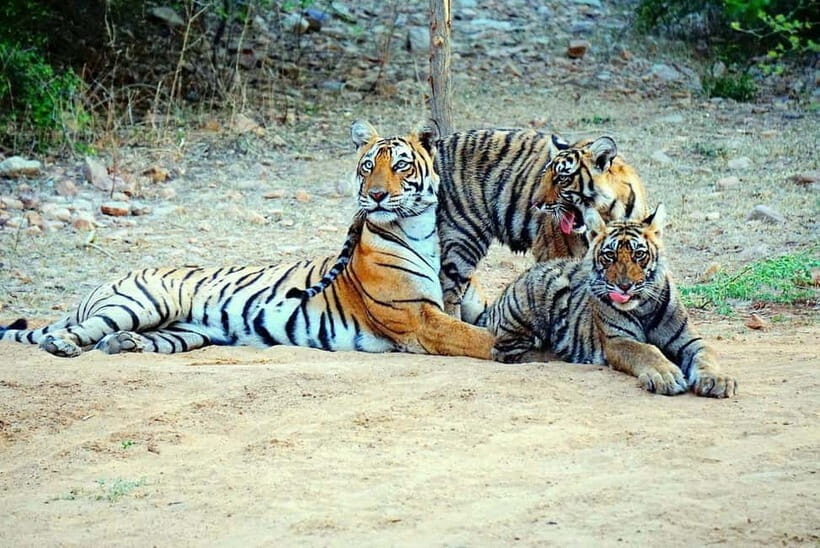
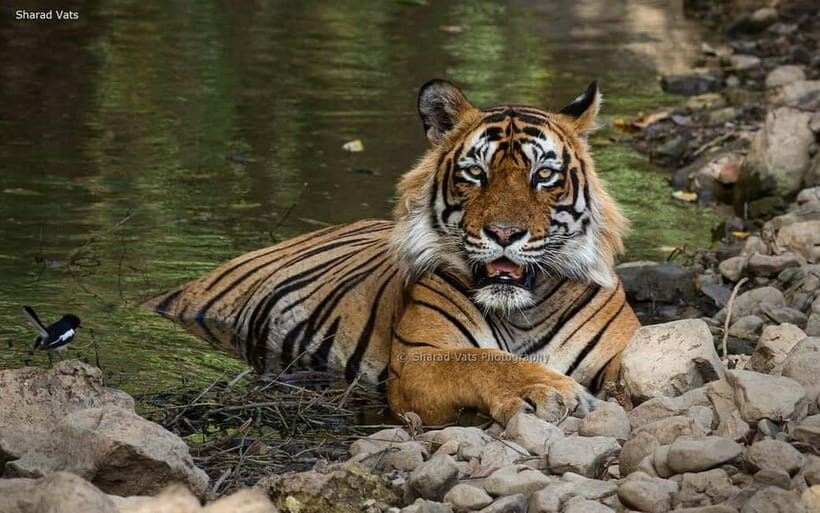
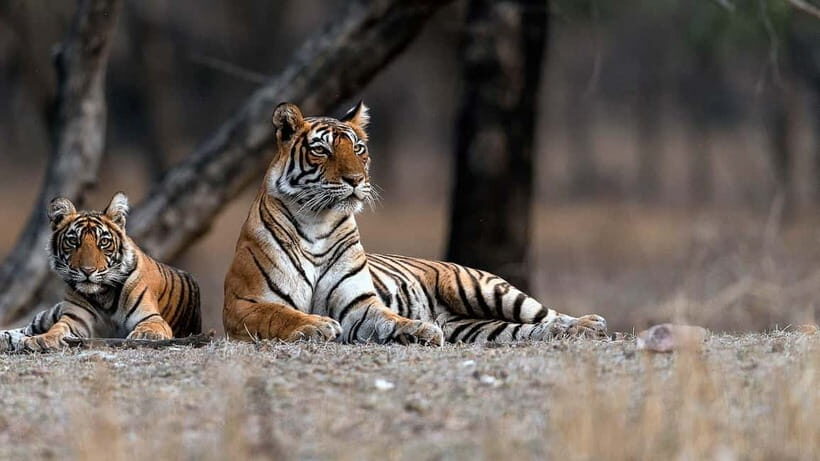
Royal Bengal tigers are the headline. The park is celebrated for its significant tiger population, and your guided ride is built around spotting opportunities. You’ll also keep an eye out for leopards, which are also part of the park’s species list.
A practical note: tiger sightings can be dramatic, but they’re not the only win. If you see signs—like repeated tracks near water or an area where the guide keeps scanning—that’s still useful information. It means the guide is doing active searching, not just driving through.
You can also read our reviews of more tours and experiences in Sawai Madhopur




Deer and boar: the action you can often see sooner
Smaller-to-mid-sized wildlife can show up more reliably than the largest predators. This tour highlights spotted deer, sambar, and wild boar. If you’re lucky, you may see them moving along edges of habitat or pausing where visibility is good.
This matters because those animals draw attention from predators. Even when a tiger is out of frame, you might catch the “why” behind wildlife behavior.
Crocodiles and water-side surprises
Crocodiles are specifically mentioned, and Ranthambore includes lakes as part of its natural setup. If you’re the type who likes wildlife photography, water-adjacent moments can be some of the most rewarding because you often get predictable lines of sight—especially when animals come for a drink or rest near the edge.
Birds: 270+ species means there’s usually something moving
Birding isn’t a side quest here. The park is home to over 270 species of birds, so even a slow predator day can still deliver color, sound, and constant motion. The guide can help you notice what’s worth focusing on, rather than treating every bird as the same blur.
The terrain and habitat: how lakes and dry forests affect your view
Ranthambore’s dry deciduous forests, rocky terrain, and lakes shape where animals go and when they feel safe. Dry forests often mean more open sightlines than deep jungle, while rocky areas can create strong “watch points” where animals pause and scan.
Lakes add another layer. Water is a magnet, especially when the park’s drier conditions influence how animals move. That’s why the guide’s scanning strategy is so important. They’re not just searching randomly—they’re trying to place you where animals are likely to appear.
And because the park sits between the Aravalli and Vindhya mountain ranges, the overall scenery helps you stay oriented. You’ll feel like you’re inside a real system—habitat feeding behavior, behavior drawing predators, and predators creating the excitement you’re hoping to see.
What to bring (and what rules keep the day safe)
You’ll be outdoors for the safari portion, likely under strong Rajasthan sun. Pack like your comfort depends on it, because it does.
Bring:
- Comfortable shoes (you’ll want grip and support)
- A hat
- Camera
- Sunscreen
- Water
- Insect repellent
Wear neutral-colored clothing if you can. The idea is to blend in with the environment so you don’t add noise or visual distraction.
Know what you’re not allowed to do:
- No smoking
- No flash photography
Those rules are more than formalities. Flash can disrupt wildlife, and smoking is just a hard no in a conservation setting.
Also, keep noise levels down. The guide will likely reinforce this, and you should take it seriously. Noise matters because it changes animal behavior immediately—wildlife is already cautious, and your job is to help keep the environment quiet.
Price and value: what the safari charge actually covers
The pricing in Ranthambore can feel confusing until you understand what’s included. The tour description lists specific safari charges and clarifies that certain costs are bundled for you.
Here are the figures provided for safari options:
- Gypsy Safari: 3200 INR per person (Indian) / 5500 INR per person (Foreigner)
- Gypsy Tatkal Safari: 35500 INR (Indian) / 54500 INR (Foreigner)
- Canter Safari: 2850 INR per person (Indian) / 4550 INR (Foreigner)
The tour also states what’s included with the experience:
- Boarding pass
- Guide fee
- On-road hotel pickup and drop
- Guided safari
- Driver
So when you compare this to a basic DIY day, the value is mostly time and hassle. You’re paying for a vehicle ride tied to park entry, plus someone who can help you see more during the ride. That’s hard to replicate if you’re trying to handle pickup timing, access, and on-the-day guidance by yourself.
One more detail: you might see a low headline rate like $10 per person, but the practical safari charge amounts for canter/gypsy vary by nationality and option. What you want to do is treat the listed safari charges as the real anchor for cost, then check whether the bundle includes guide fee, boarding pass, and pickup/drop—which it does here.
Who this safari is best for
This tour is a good fit if you:
- Want a guided way to see Ranthambore wildlife in a short, structured time window
- Prefer English or Hindi interpretation from a live guide
- Plan to be outdoors and can follow rules about noise and photography
It’s especially suitable for nature lovers and wildlife photographers who want the chance at tigers, plus the backup of leopards, deer, boar, crocodiles, and lots of birds.
It’s not suitable for:
- Children under 5 years
- Pregnant women
- People with back problems
- People with heart problems
If any of those categories apply to you, it’s worth choosing a different style of experience that’s easier on your body. Safari rides can be physically demanding.
The animal-luck reality and the planning risk
Let’s be honest about what can affect your day. Ranthambore safaris are about positioning and timing, not control. Wildlife can stay hidden. Heat and animal activity patterns can change throughout the day. And no matter how good your guide is, the park still reserves the right to keep its stars off camera.
On top of that, there’s a service risk you should keep in mind. There have been reports of issues like the safari not going ahead or a guide not showing up. I can’t sugarcoat that. If you do book, I strongly suggest you:
- Confirm pickup details the day of
- Have a backup plan for timing (especially if you’re also chaining other activities that day)
- Keep your expectations flexible and focus on the process of scanning and learning
If you’re the kind of traveler who can roll with small hiccups, you’ll still likely enjoy the experience because the park itself is doing most of the heavy lifting.
Should you book this Ranthambore canter or jeep safari?
I’d book if you want a guided, time-efficient wildlife outing with park access support, pickup/drop, a live guide in English or Hindi, and the chance to see tigers plus a wide cast of other animals and 270+ bird species. For many visitors, that mix is the sweet spot between effort and reward.
I’d hesitate only if you absolutely need this to run at a specific time with zero disruption. Since there are reports of cancellations or missed guides, it helps to be flexible and not schedule anything critical immediately afterward.
If you’re going in the best season—October through April for optimal wildlife viewing—this is a strong way to spend a few hours. You’ll come away not just with photos, but with a better sense of how Ranthambore works: dry forests, water, and a whole food chain that plays out in real time.
FAQ
How long is the guided safari tour?
The duration is listed as 3 hours.
What wildlife can I expect to see in Ranthambore?
You can look out for Royal Bengal tigers, leopards, spotted deer, sambar, wild boar, crocodiles, and over 270 species of birds.
Does this tour include a guide and park entry?
Yes. The tour includes a guided safari, a boarding pass, and guide fee, plus a driver.
What vehicle options are available?
You can choose a canter safari or a gypsy safari (jeep-style options are referenced through gypsy/jeep safari wording in the pricing).
What should I bring and what is not allowed?
Bring comfortable shoes, a hat, camera, sunscreen, water, and insect repellent. Smoking is not allowed, and flash photography is not allowed.
Can I cancel for a full refund?
Free cancellation is available up to 24 hours in advance for a full refund.