REVIEW · SAWAI MADHOPUR
Ranthambore National Park
Book on Viator →Operated by The Ranthambore Tiger · Bookable on Viator
Ranthambore puts you in tiger territory. This short safari is the heart of your day: a 3-hour shared safari inside Ranthambore National Park, led by a guide who knows what to scan for and where to look. I also like the pickup and drop-off setup, which means you spend less time figuring out logistics and more time watching the forest.
Here’s the catch: the park can feel quiet if luck is off. Tiger sightings depend on your zone and timing, so go in expecting wild animals and birds too, not only one dramatic moment.
In This Review
- Key highlights to know before you go
- Why Ranthambore’s tiger safari works so well in a half-day
- The kind of day you’re actually booking
- Price and value: what $34.96 buys you (and what it doesn’t)
- Shared safari means lower cost, not lower experience
- The 3.5-hour rhythm: from Ranthambore City Heart to your return
- Inside the park: how zones and vehicle types shape your odds
- Jeep vs canter: what changes on the ground
- “We saw a tiger right away” vs “quiet forest” days
- The wildlife side: more than tigers, and that’s a good thing
- Why birds matter more than you think
- Guide quality: the real multiplier on safari day
- Punctual, organized, and flexible
- What I’d do to reduce stress
- Weather reality: rain closures happen, so plan with margins
- My practical tip for timing
- Who this safari tour is best for
- Common pain points to keep in mind (so you’re not surprised)
- Shared vehicle conditions
- Zone-to-zone differences
- The tiger is the prize, not the promise
- Should you book this Ranthambore safari?
- FAQ
- How long is the Ranthambore safari experience?
- Do they pick me up and drop me off?
- Where is the meeting point?
- Is entry to the park included?
- What about bottled water?
- Is this safari in a shared vehicle?
Key highlights to know before you go

- Shared safari, about 3 hours: long enough to change your odds, not so long that you melt in the heat.
- Hotel pickup and return: you get a straightforward start at Ranthambore City Heart and end back there.
- Jeep or canter rides: you might ride in a Gypsy Jeep or a Canter Truck, depending on availability.
- Zone rules matter: on Tuesdays, zones 1–5 are closed and only zones 6–10 operate.
- A real focus on spotting: guides can be the difference between “we saw trees” and “we saw movement,” with Shoeb Bhai named as especially helpful.
Why Ranthambore’s tiger safari works so well in a half-day
Ranthambore National Park is famous for Royal Bengal tigers, but the smarter way to think about it is this: you’re visiting a living system where tigers are a top story, not the only story. The safari is built around slow, patient looking—driven by what’s happening on the ground, not by a checklist.
What makes this experience attractive is the tight time window. At roughly 3 hours 30 minutes total, you can fit it into a simple Sawai Madhopur itinerary without losing your whole day. That matters here because Ranthambore runs on timed entry and planned routes.
Also, you’re not wandering alone. You’re on a shared safari vehicle with a guide, and that guide is there to help you read the signs: tracks, scent-signal areas, movement patterns, and bird activity that often hints at what else might be nearby.
You can also read our reviews of more tours and experiences in Sawai Madhopur.


The kind of day you’re actually booking
You might get a tiger early. You might get crocodiles, sloth bear sightings, deer, and plenty of birds. You might also do a lot of scanning while the forest stays calm. That’s not a failure—tigers are wild, and the best safaris usually feel like waiting for the forest to decide to show you something.
Price and value: what $34.96 buys you (and what it doesn’t)

The price is $34.96 per person, and what’s included is genuinely useful for keeping costs predictable. You get pickup & drop-off from specific locations, a guide, entry fee, and all fees and taxes. That’s the big value piece—many “cheap” tours hide the park entry and local charges until you’re already committed.
What’s not included is just one thing called out clearly: bottled water. That’s easy to handle. Bring your own water if you can, or buy it close to where you board. In Rajasthan, “no big deal” quickly turns into “why did I forget water?” once you’re on the vehicle and the sun starts doing its thing.
Shared safari means lower cost, not lower experience
Because it’s a shared safari, you’re not paying for a private vehicle. In exchange, you’re part of a group and you follow the same timing and route decisions made by the safari operations. If you want maximum control (your own pace, your own vehicle, fewer people), you’ll need a different style of tour. But for most people, shared is the sweet spot: affordable and still very focused.
The 3.5-hour rhythm: from Ranthambore City Heart to your return

Your day starts at Ranthambore City Heart (Ranthambhor Rd, Saptar, Sawai Madhopur, Rajasthan 322001). The tour includes pickup from specific locations, so you’re not left hunting for the right departure spot on arrival day.
From there, the experience centers on getting you into Ranthambore National Park for a safari that lasts about 3 hours. That time matters because wildlife doesn’t show up on demand. A shorter ride often forces you to “guess” and move on too quickly. Here, you’ve got enough hours to watch patterns shift: where birds start calling, where other animals move through, and when the vehicle gets that sudden stillness because something is near.
After the safari, the activity ends back at the meeting point. It’s one of those simple setups that keeps the whole day stress-light. When your return is built in, you can plan dinner and train or bus connections with a clearer mind.




Inside the park: how zones and vehicle types shape your odds

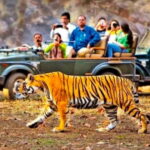
Ranthambore is organized into operational zones, and where you go can strongly affect your experience. One key detail you should understand: on Tuesdays, zones 1–5 are closed, and only zones 6–10 operate. If your schedule falls on a Tuesday, don’t assume you’ll be in your favorite zone. Your safari is timed around what the park allows.
Jeep vs canter: what changes on the ground
This safari experience can use either Gypsy Jeep Safari or Canter Truck Safari, depending on the operation day and what’s available. Here’s how to think about the difference:
- A Jeep often feels more flexible and “close-up.” You may get better sightlines depending on the group layout.
- A Canter Truck is usually more spacious for the group, but it can feel less intimate. You still see wildlife, just with a different viewing rhythm.
Either way, you’re seated in a moving vehicle that’s designed for safari conditions. Your guide’s job is to keep the search method steady: scan, pause, reposition when it makes sense, and avoid wasting time when nothing’s moving.
“We saw a tiger right away” vs “quiet forest” days
Some people get lucky fast. Others get a slower build. Both outcomes can still be good. If you get a fast tiger sighting, it’s pure adrenaline. If you don’t, focus on everything else that shows up: birds, crocodiles, deer, and other mammals like sloth bear when conditions and luck line up.
The wildlife side: more than tigers, and that’s a good thing

Ranthambore’s reputation for tigers is real, but the best approach for your expectations is: plan to enjoy wildlife even if the tiger stays out of sight.
You might see a mix like:
- Indian sloth bear
- Crocodiles
- Sambar deer and other animals
- Many bird species, often making noise before anything bigger moves
One review experience stood out for how birds and other animals filled the day when the park felt quiet, while the safari ride itself stayed enjoyable. That tells you something important: the park isn’t just “wait for the tiger.” It’s a place where animals react to each other and to water, cover, and human absence. Even when tiger sightings don’t happen, a focused guide can keep you tuned in.
Why birds matter more than you think
Bird activity can be an early signal. When small birds change behavior—suddenly calling, mobbing, or shifting position—it often means something is nearby, even if you don’t see it immediately. It’s one of the ways the guide’s skills help: you’re not just watching, you’re interpreting.
Guide quality: the real multiplier on safari day
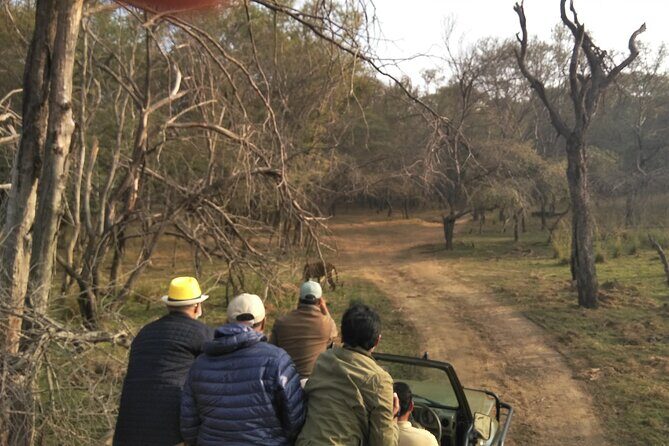
This is where your experience can quietly leap from fine to memorable. A strong guide helps you get more from the same route and same time window.
I’m glad the experience description emphasizes a guide, and the feedback includes names like Shoeb Bhai for being especially helpful and knowledgeable. In a tiger safari, knowledge isn’t trivia. It’s practical: where to look first, when to pause, and how to respond when the vehicle driver stops for something real.
Punctual, organized, and flexible
There’s also a clear theme around operators handling real-world constraints. One person described the operator going above and beyond to accommodate a tight schedule, including arranging a car and driver to manage luggage and get them directly to a train station after the safari. That kind of flexibility can be a big deal if you’re doing a multi-stop India route and not just staying in one town.
What I’d do to reduce stress
Because safari days rely on timing, I’d contact the operator after booking to confirm:
- your pickup timing,
- which vehicle you’ll be on (if known),
- and what you should bring (especially water).
That simple step can save you from morning chaos.
Weather reality: rain closures happen, so plan with margins

Ranthambore is weather-dependent. Heavy rain can shut access and change the safari plans. If your trip has no flexibility, this is the part of the game you can’t ignore.
The experience notes that it requires good weather. If it’s canceled due to poor weather, you’re offered a different date or a full refund. Also, confirmation comes at the time of booking, which helps you feel anchored—but the park can still be closed if conditions demand it.
My practical tip for timing
If you can, schedule this safari on a day when you have at least one backup option—another morning you can shift to, or an itinerary day where you can absorb a change. Ranthambore can be worth the wait, but it’s not worth ruining your entire travel route over.
Who this safari tour is best for

This works especially well if you:
- want a half-day safari rather than a full-day commitment,
- prefer value pricing with entry fees and taxes handled,
- like guided spotting more than self-driving,
- and you’re okay with the idea that tiger sightings are not guaranteed.
It’s also a good choice if you’re staying in or near Sawai Madhopur / Ranthambore and want a simple pickup from a central meeting area.
If you’re a hardcore “I only care about tigers” traveler, you might feel impatient on quiet days. Still, the park’s system is what it is: you’re selecting a method and a time slot, not controlling outcomes.
Common pain points to keep in mind (so you’re not surprised)
Not every safari experience is perfect, and it’s smart to know the realistic friction points.
Shared vehicle conditions
Because this is shared, vehicle comfort can vary. One account called out vehicle conditions as disappointing on a specific zone. That doesn’t mean every ride will be like that, but it’s a reminder to bring a small expectation-adjustment: you’re on safari transportation, not a city taxi.
Zone-to-zone differences
Zone operations can change by day, and tiger density varies by area. If you’re on a Tuesday, zones 1–5 are closed, so you’re limited to zones 6–10. Your odds may feel different depending on zone and timing, even with the same guide effort.
The tiger is the prize, not the promise
Sometimes you spot a tiger quickly. Sometimes you don’t. When you don’t, it’s easy to feel like the day was shortchanged. I’d counter that by deciding ahead of time you’ll enjoy the full wildlife show. If your day includes crocodiles, sloth bear, deer, and a lot of bird life, you still got what Ranthambore is good at.
Should you book this Ranthambore safari?
I’d book it if you want an efficient, guided tiger-focused safari that doesn’t nickel-and-dime you on entry fees. The $34.96 price feels fair because the essentials are included: guide, park entry, and pickup/drop-off. And the total time is realistic for most India itineraries.
I’d think twice if:
- you’re traveling with zero flexibility for weather cancellations,
- you hate shared group formats,
- or you’re the kind of visitor who gets upset when a wildlife day isn’t instantly cinematic.
If you can travel with a little patience—and you’re ready to enjoy the whole wildlife picture beyond just tigers—this is a strong way to spend a morning or half-day in Ranthambore.
FAQ
How long is the Ranthambore safari experience?
It’s about 3 hours 30 minutes total, with an approximately 3-hour shared safari inside Ranthambore National Park.
Do they pick me up and drop me off?
Yes. Pickup and drop-off are included from specific locations, and the activity ends back at the meeting point.
Where is the meeting point?
The start is Ranthambore City Heart on Ranthambhor Rd, Saptar, Sawai Madhopur, Rajasthan 322001, India.
Is entry to the park included?
Yes. Entry fees and all fees and taxes are included.
What about bottled water?
Bottled water is not included.
Is this safari in a shared vehicle?
Yes. You’ll be on a shared safari, and the ride may be a Gypsy Jeep or a Canter Truck depending on the setup for the day.