REVIEW · SAWAI MADHOPUR
Ranthambore National Park: Safari Ticket with Pickup Option
Book on GetYourGuide →Operated by Safarirajasthan · Bookable on GetYourGuide
Tiger luck meets practical planning. This Ranthambore safari is a tight 4-hour window to scan the jungle for Royal Bengal Tigers and other animals, inside forest-approved zones. I really like that you get an expert naturalist guide plus a government-approved vehicle, not just a ticket. I also like the “less hassle” side: pickup from many hotels, meeting your guide near the action, and skipping the ticket line. The main drawback to consider is that tiger sightings aren’t guaranteed, and your safari zone is assigned by the Forest Department with no switching.
You’ll choose a jeep (6 seats) or a canter (20 seats) depending on availability and your comfort level. The timing is built around early-day viewing, with the drive and safari structured for sunrise hours, so you’re not wasting time once you reach the park. You’ll also get multi-language guidance (including English), and many small details matter here: quiet behavior, no flash photography, and coming prepared for a long bumpy ride.
In This Review
- Key things to know before you go
- Ranthambore in 4 hours: what your safari day really feels like
- Pickup and park entry: smooth start, fewer hassles
- Jeep vs canter safari: which vehicle matches your style?
- Inside the park: how the guide helps you spot tigers and more
- The wildlife you can realistically hope to see
- Ranthambore zones and why you cannot switch them
- Photography rules and what to bring for the ride
- Duration, pacing, and what the itinerary means day-to-day
- Price and value for $54: what you are paying for
- Who should book this safari, and who should skip it
- Should you book this Ranthambore safari ticket with pickup?
- FAQ
- How long is the Ranthambore safari?
- What is the price per person?
- Can I choose between a jeep and a canter?
- Does the tour include pickup from my hotel?
- Where do I meet the guide if I don’t select pickup?
- Are safari zones chosen by me?
- Do I need photo ID for entry?
- Is a camera permit included?
- What animals can this safari help you spot?
- What clothing and items should I bring?
Key things to know before you go
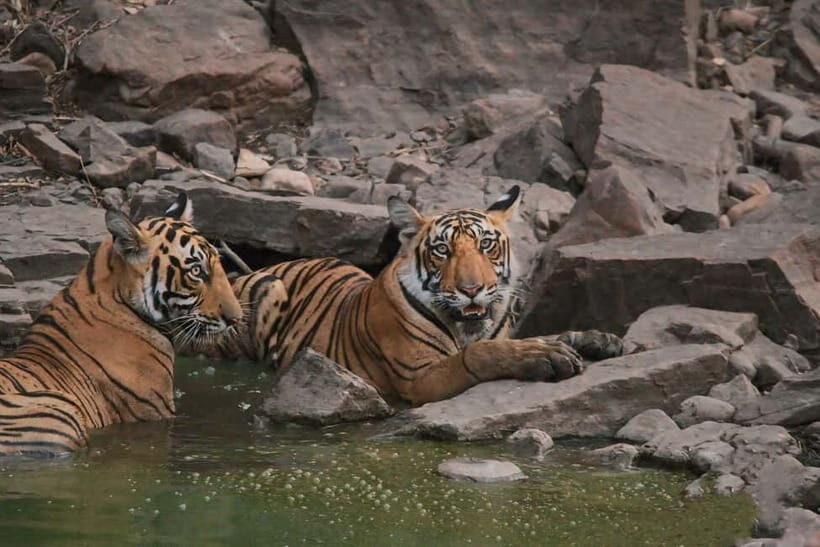
- Tigers aren’t promised, but sightings are real: people often report leopards, sloth bears, and big cats when the habitat is active.
- Your zone is fixed: the Forest Department assigns it, so book early if you have your heart set on a specific area.
- Jeep is tighter; canter is easier: a jeep can feel snug for 3 adults across the back, while a canter spreads you out more.
- Guide quality matters for spotting birds and tracks: named guides like Bharti and Aman show up in strong feedback for wildlife knowledge.
- Bring sun gear and patience: hat, sunglasses, water, and comfortable shoes make the difference in early hours.
- Photo rules are strict for a reason: DSLR access is covered, but flash photography is not allowed.
Ranthambore in 4 hours: what your safari day really feels like
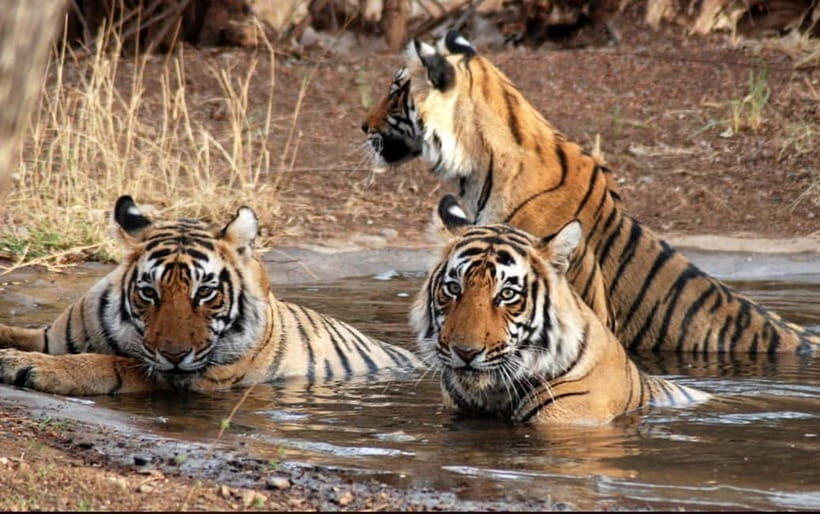
Ranthambore is one of those places where the schedule affects the wildlife. A 4-hour safari window means you’ll feel the day is “all action, little waiting,” but it also means you need to show up ready—sunrise hours get you into the habitat while animals are more active.
This tour is built for movement: a scenic drive into the park area, then off-road travel while your guide scans and points out signs. Think of it as a guided wildlife hunt where the goal is spotting first, then learning what you’re looking at.
You can also read our reviews of more tours and experiences in Sawai Madhopur
Pickup and park entry: smooth start, fewer hassles
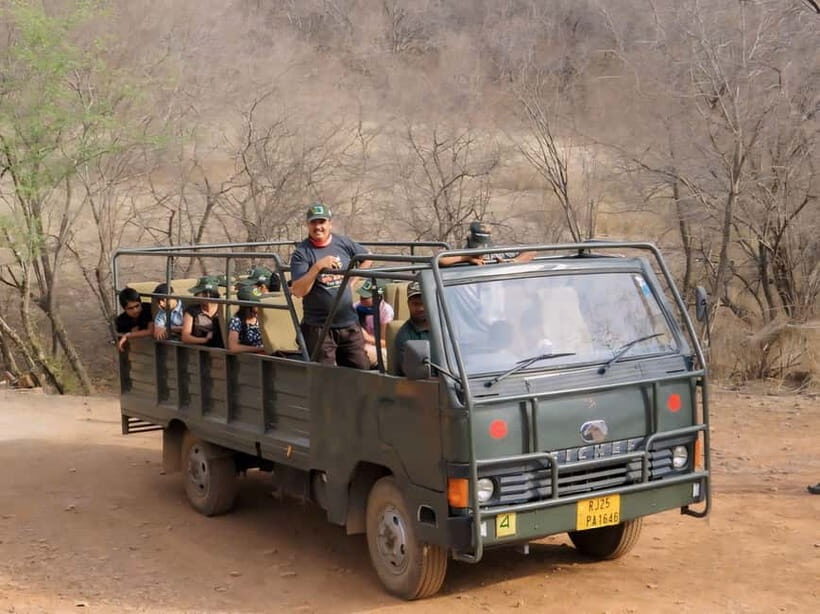
Starting points are spread across Sawai Madhopur and Ranthambore, including major hotels and resorts along the main road. If your hotel is inside narrower lanes or off-road areas, pickup happens from the nearest accessible spot on the main road—so plan to walk a little if needed.
Meeting your guide at the Ranthambore National Park entrance is the backup plan when pickup isn’t selected. Either way, the big win is official entry handling: you’re set up to move through without getting stuck in the ticket-line crush.
If you like things to run on time (and who doesn’t), you’ll probably appreciate the pre-trip communication noted in strong feedback, including WhatsApp-style coordination.
Jeep vs canter safari: which vehicle matches your style?
Your choice here affects comfort, viewing, and how “close” the experience feels.
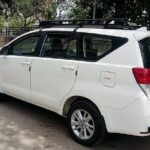
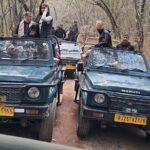
A jeep safari is the more intimate option with 6 seats. The trade-off is space. One visitor noted a jeep can be a tight squeeze with 3 adults across the back, even when the seats are comfy—so if you’re tall or traveling with bulky gear, you may want to think twice.
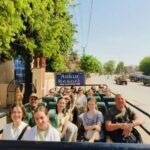
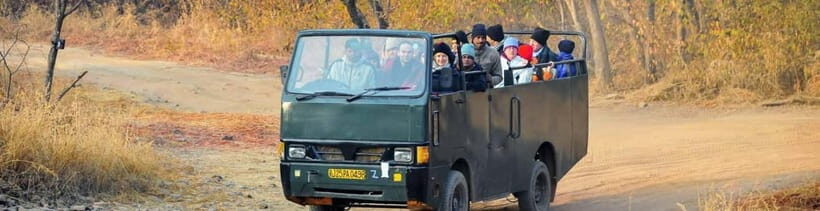
A canter safari is the bigger 20-seater ride. With more people and more seats, it can feel more relaxed, especially for longer stretches of bumpy road. One report described canter comfort and added sightseeing value from the scenery you see while moving through the park area.
Both are government-approved for forest zones, and both are designed for the “stop and scan” style of wildlife watching. In practice, I’d choose jeep if you love a tighter group and direct guide attention. I’d choose canter if you want easier comfort and a less cramped ride.
Inside the park: how the guide helps you spot tigers and more
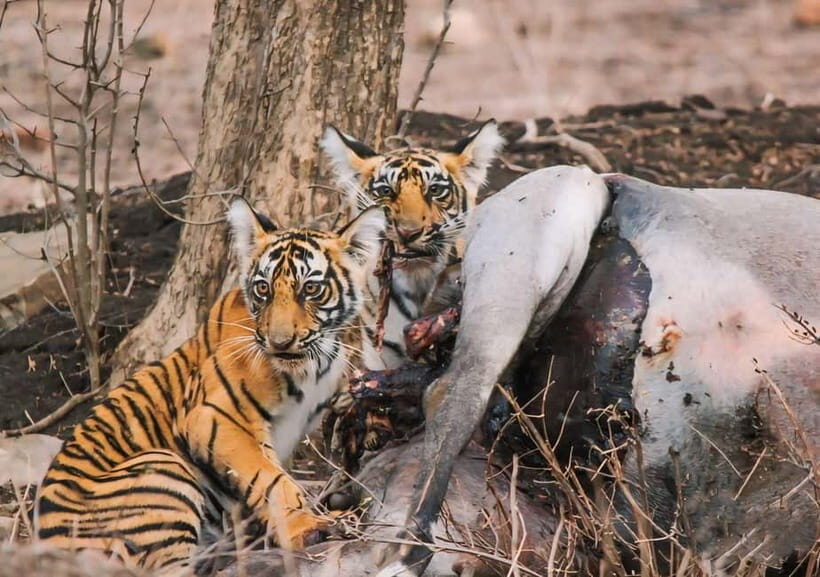
A big difference between a decent safari and a great one is what happens after you park. This experience includes an expert naturalist guide, and that guidance shows up most when the action is subtle—track marks, bird behavior, and the way animals react to movement.
Some feedback singled out guides for bird-spotting effort. One person mentioned the guide made sure to point out birds and explain species, which is exactly the kind of detail that turns a few quick sightings into real understanding.
The guides you may hear about include Bharti and Aman, both praised for being attentive and knowledgeable. That matters because Ranthambore can be huge and visually busy. A good guide helps you focus on the right lines of sight, not just chase whatever is moving.
Also, follow the rules closely. Flash photography is not allowed, and you’ll want to keep noise down. It sounds basic, but in wildlife viewing it’s the difference between a calm moment and a disrupted one.
The wildlife you can realistically hope to see
Let’s be honest: tigers are the headline, but Ranthambore is about the full ecosystem. Your safari is timed for wildlife activity, and the areas can produce a mix of large mammals and birds.
Here are animals that are specifically part of what you can hope for on this safari:
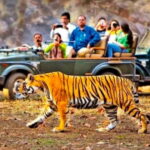
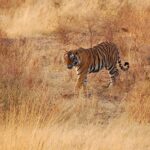
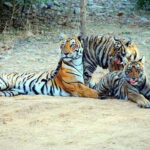
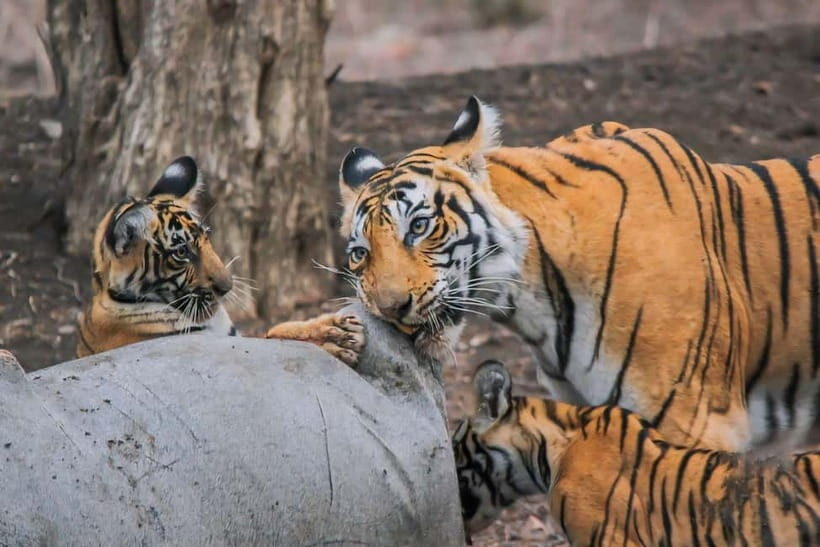
- Royal Bengal Tiger (often the main target; some reports include multiple tigers)
- Leopard (one highlight involved a leopard sighting lasting about 15 minutes)
- Sloth bear (reported on early runs, including a tiger + sloth bear combo for one zone)
- Sambar deer (frequently seen as part of the food web)
- Crocodiles (mentioned in sightings, depending on where you travel)
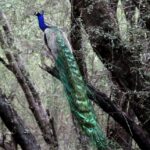
- Birds (including peacocks and eagles in at least one account)
What I like about this tour is that it doesn’t lock you into tiger tunnel-vision. Even when a tiger doesn’t show up, you can still have a meaningful wildlife session: deer movement, bird calls, and occasional predators make the ride feel alive.
One useful reality check from the outcomes: some people see tigers quickly, while others walk away without one after a safari. So if your goal is tiger certainty, you may need to manage expectations. If your goal is a high-quality wildlife experience with strong odds of variety, you’re in the right place.
You can also read our reviews of more tours and experiences in Sawai Madhopur


Ranthambore zones and why you cannot switch them
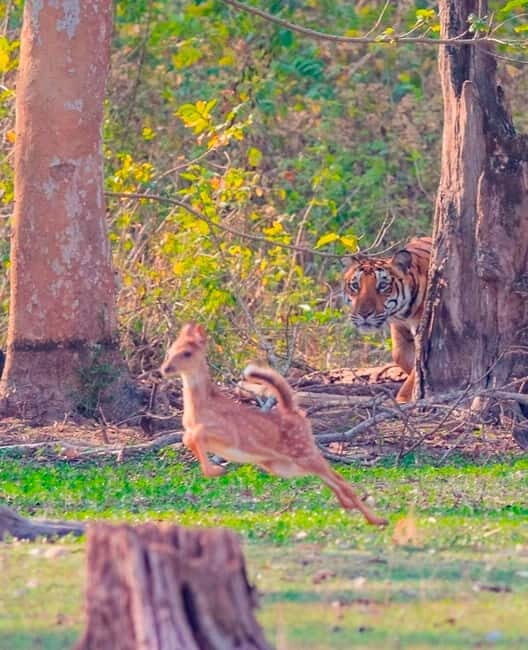
This is crucial. Safari zones are assigned by the Forest Department, and the assignment can’t be changed once you’re booked. That means your results depend partly on where your slot lands, and partly on conditions that day.
In other words, you can’t game the system once you arrive. This is also why advance booking is strongly recommended: slots fill up quickly, and you want the best chance at the zone you hope for.
You might also hear about differences between zones in how the day runs. For example, one report mentioned toilet stops along the way in zone 6. That doesn’t mean every zone will match, but it hints that logistics can vary by route and area.
Photography rules and what to bring for the ride
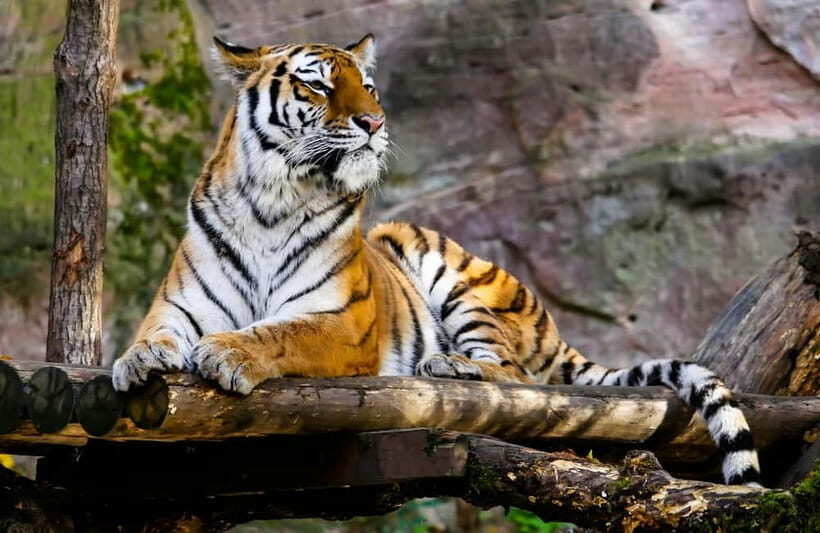
The safari includes a DSLR camera permit, which is a big deal if you plan to use a larger camera setup. Video camera fees are not included, and flash photography isn’t allowed—so plan to shoot with natural light and keep settings ready.
What to bring is pretty straightforward and practical:
- Comfortable shoes (you’ll want grip for uneven entry areas)
- Sunglasses and a hat (sunrise plus open views add up)
- Water (there’s no mention of meals during the safari block)
- Your camera (and keep your movements low and controlled)
Also remember the behavior rules: no smoking, no littering, no feeding animals, and no making noise. These restrictions protect both animals and your viewing chances.
If you’re serious about photos, I’d also suggest using a lanyard or secure strap. You’ll be bouncing in an off-road vehicle, and the last thing you want is gear swinging while you’re trying to frame a quick sighting.
Duration, pacing, and what the itinerary means day-to-day
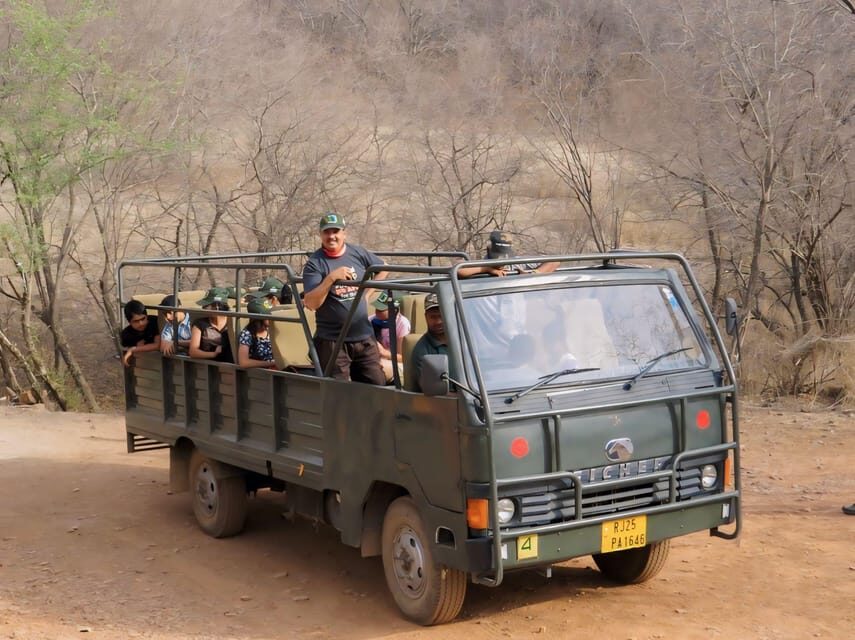
This is a short tour by design: 4 hours from pickup timing to drop-off. You’ll typically have a structured flow—starting with pickup (if selected), then getting into the park area, then the safari window.
Inside the park area, expect a mix of:
- break time
- sightseeing views from the route
- the off-road safari drive
- sunrise timing
That combination is important. You’re not only sitting for wildlife. You’re also moving through the park while your guide works the geography—positioning the vehicle for better viewing angles and helping you read what you’re seeing.
After the safari, drop-off returns you to the same general set of hotel options. Some guests described smooth pickup and drop-off and good communication prior to the trip, which matters a lot when your day is tight.
Price and value for $54: what you are paying for
At about $54 per person, this ticket can feel like a bargain or a fair deal depending on what’s included.
Here’s the value math you can trust from the offer:
- Official entry ticket for Ranthambore National Park
- Forest permits and fees
- A government-approved safari vehicle (jeep or canter)
- Expert naturalist guide during the safari
- Pickup and drop-off if you select it
- DSLR camera permit
What’s not included:
- Meals and beverages
- Camera fees for video camera
- Travel insurance
To me, the smartest part is the “all the paperwork” side. In parks like this, official access and permits are the gatekeepers. If you pay less but end up buying separate components, you can lose time or end up paying extra onsite. Here, your $54 covers the core items that make the safari possible.
If you’re traveling with friends, that value can feel even better because the safari experience scales well—especially if you’re okay doing sunrise viewing and spending a few hours in the vehicle.
Who should book this safari, and who should skip it
This experience is a strong fit if you:
- want an organized, guided wildlife outing
- care about having a naturalist’s help spotting animals and birds
- are comfortable with early hours and a bumpy ride
It may not be a good match if you have:
- pregnancy
- back problems
- wheelchair needs
Those limits are listed clearly, and I’d take them seriously. A jeep or canter ride can be physically demanding, with off-road movement and time in fixed positions.
A safari is also best for people who can handle the rule-set: silence, no flash, and staying within the vehicle boundaries. If you’re traveling for a calm scenic stroll, this isn’t that kind of tour.
Should you book this Ranthambore safari ticket with pickup?
I’d book it if you want a well-run, official safari package with a guide who actively helps with spotting, plus optional hotel pickup to save time. The best sign here is the repeated mention of strong guide effort—whether it’s tigers, leopards, sloth bears, or bird species explanations.
I’d think twice if tiger certainty is your only goal. You can absolutely have a fantastic wildlife day without a tiger, and some people do report that outcome, but sightings aren’t guaranteed. Your odds improve when you book ahead, pick the vehicle type that fits your comfort, and follow the quiet, respectful viewing rules.
If you’re the type who plans, shows up prepared, and enjoys learning as much as spotting, this is a solid choice for a short Ranthambore visit.
FAQ
How long is the Ranthambore safari?
The safari duration is listed as 4 hours.
What is the price per person?
The price is listed as $54 per person.
Can I choose between a jeep and a canter?
Yes, you can choose between a jeep (6-seater) and a canter (20-seater), subject to vehicle availability.
Does the tour include pickup from my hotel?
Pickup is included if you select it, with pickup arranged from the nearest accessible point on the main road for hotels in narrow lanes.
Where do I meet the guide if I don’t select pickup?
You’ll meet your guide at the Ranthambore National Park entrance.
Are safari zones chosen by me?
No. Safari zones are assigned by the Forest Department and cannot be changed.
Do I need photo ID for entry?
Yes, you need a valid photo ID for entry verification.
Is a camera permit included?
A DSLR camera permit is included. Video camera fees are not included.
What animals can this safari help you spot?
The experience is described as a chance to spot Royal Bengal Tigers, leopards, sloth bears, and a variety of birds, along with other wildlife like sambar deer and crocodiles.
What clothing and items should I bring?
Bring comfortable shoes, sunglasses, a hat, your camera, and water.