REVIEW · SAWAI MADHOPUR
Ranthambore: National Park Guided Jeep or canter Safari
Book on GetYourGuide →Operated by Parikshit Tour and travels · Bookable on GetYourGuide
A safari here feels like part wildlife hunt, part nature lesson. You’ll ride a guided canter safari inside Ranthambore National Park in Rajasthan, with the chance to spot Bengal tigers plus other stars like leopards and sloth bears. I also like that the experience is guided, so you’re not just staring out a window—you’re learning what you’re seeing and why this place matters for conservation.
Two other strong points: park entry and safari transport are included, which keeps the deal simple, and the pickup-and-drop setup means you’re not trying to figure out local logistics. One thing to keep in mind: departure times can shift, and the guide experience can vary by day, so go in with flexible expectations and don’t count on a perfectly on-time schedule.
In This Review
- Quick take: best reasons to go
- Ranthambore National Park canter safaris: what you’re really paying for
- From pickup to the park gate: how the day typically starts
- Inside Ranthambore: what you can spot on a canter ride
- The role of the guide: why their spotting skill changes everything
- Timing and safari zones: the odds game you should understand
- The fort ruins layer: Ranthambore is history, not just wildlife
- Canter safari logistics: what the vehicle experience feels like
- Price and value: is $49 a fair deal?
- What to bring (so you don’t suffer for the photos)
- Who should book this safari, and who should skip it
- Should you book this Ranthambore canter safari?
- FAQ
- What’s the location of this safari?
- How much does the safari cost?
- What wildlife can I hope to see?
- Is the safari guided?
- What’s included in the price?
- What’s not included?
- Where do I meet the group?
- What should I bring?
- Are there any rules during the safari?
- Who is this safari not suitable for?
Quick take: best reasons to go
- Guided spotting helps you recognize wildlife, tracks, and key areas you might otherwise miss
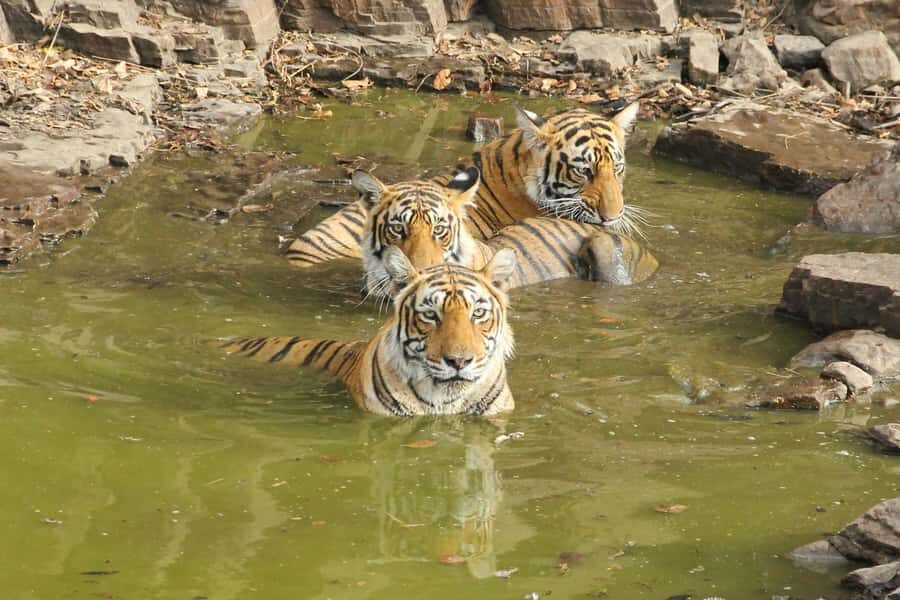
- Bengal tiger chances are the big draw, with leopards and sloth bears also on the radar
- Open safari vehicle time puts you close to the action for birds, deer, and more
- Convenient pickup and return keeps the day from getting messy
- Ranthambore Fort ruins nearby add a history layer to the nature focus
Ranthambore National Park canter safaris: what you’re really paying for
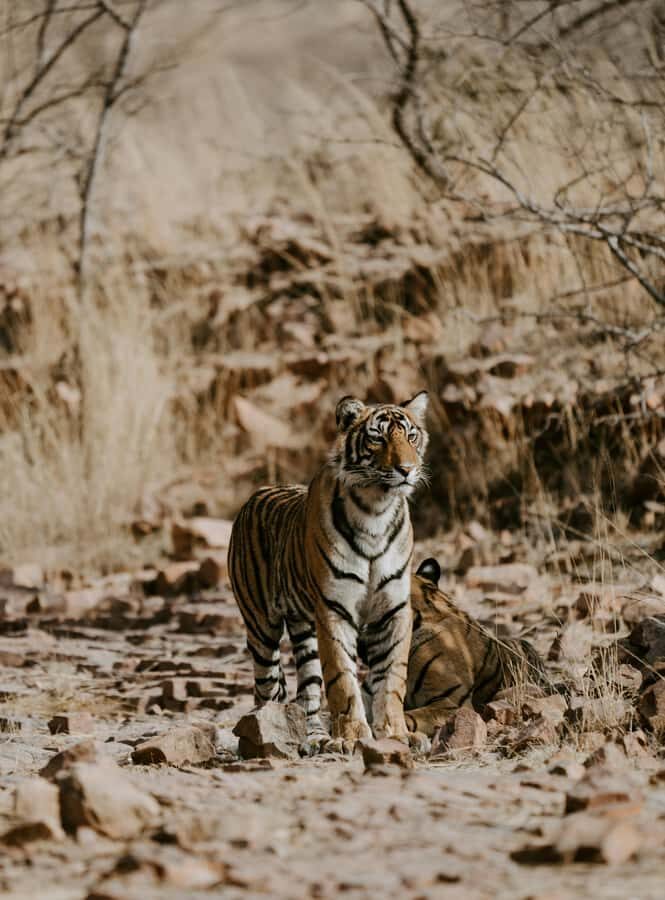
Ranthambore National Park sits in the Sawai Madhopur district of Rajasthan, and it’s famous for one reason: Bengal tigers. But the park isn’t just about one animal. When conditions are right, you can also encounter leopards, sloth bears, deer species, and plenty of birds that are easier to spot than the cats (and often more frequent).
In a canter safari, you’re moving with the rhythm of the park—covering ground in a shared vehicle while your guide helps you read the landscape. That guide component matters because the most exciting sightings usually come with a lot of quiet build-up: you might be tracking signs, scanning for movement, and positioning your view. If you go expecting only guaranteed tigers, you’ll get frustrated. If you go ready to look closely, the experience becomes its own reward.
Also, this tour includes entry fees and transportation in a safari vehicle, so you’re paying for the experience itself, not a pile of add-ons. At $49 per person, that’s a price point that can feel realistic in this area—especially when your basic access and vehicle time are already covered.
You can also read our reviews of more guided tours in Sawai Madhopur

From pickup to the park gate: how the day typically starts
Your day starts at a meeting point in Ranthambore. You should plan to arrive about 10 minutes before your scheduled time, because that buffer helps everything run smoother once the group gathers.
One practical note from real-world experiences: timing isn’t always crisp. There have been cases where the safari didn’t start at the booked time, with long waits before the canter arrived. Translation for you: don’t schedule a tight second activity right after pickup. Build in slack.
Once you’re in the vehicle, you’ll head into the park with a guide. You’ll be there for wildlife spotting and the guided explanation of what you’re seeing. This is not a walking tour with a lot of stops. It’s a drive-and-scan experience, and your best move is to prepare for sun, heat, and long stretches of watching.
Inside Ranthambore: what you can spot on a canter ride
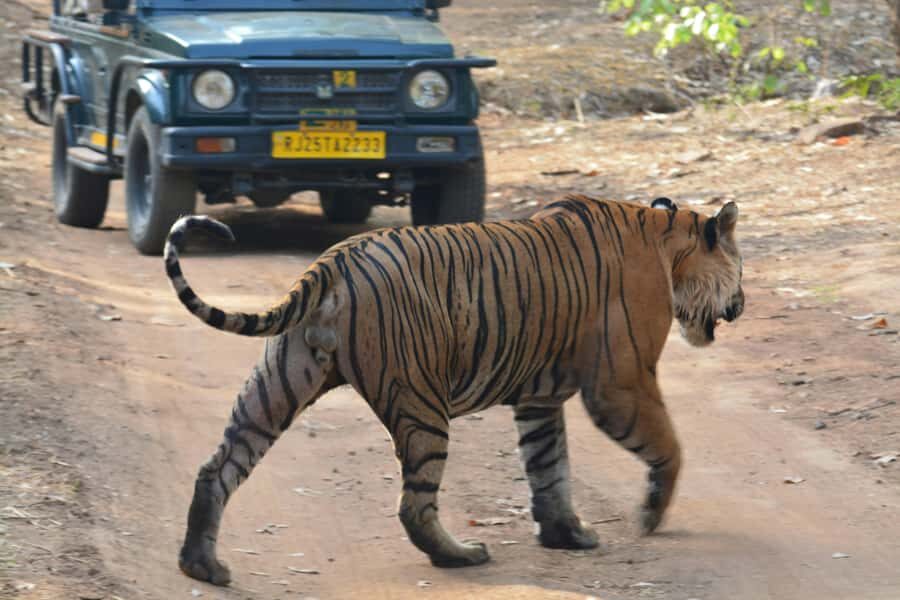
Ranthambore is a wildlife reserve with a big tiger population, and that’s why people come. But it’s also a multi-species ecosystem, and that’s what makes the safari feel alive.
Here’s what you should have on your mental checklist during the drive:
- Bengal tigers (the main event)
- Leopards
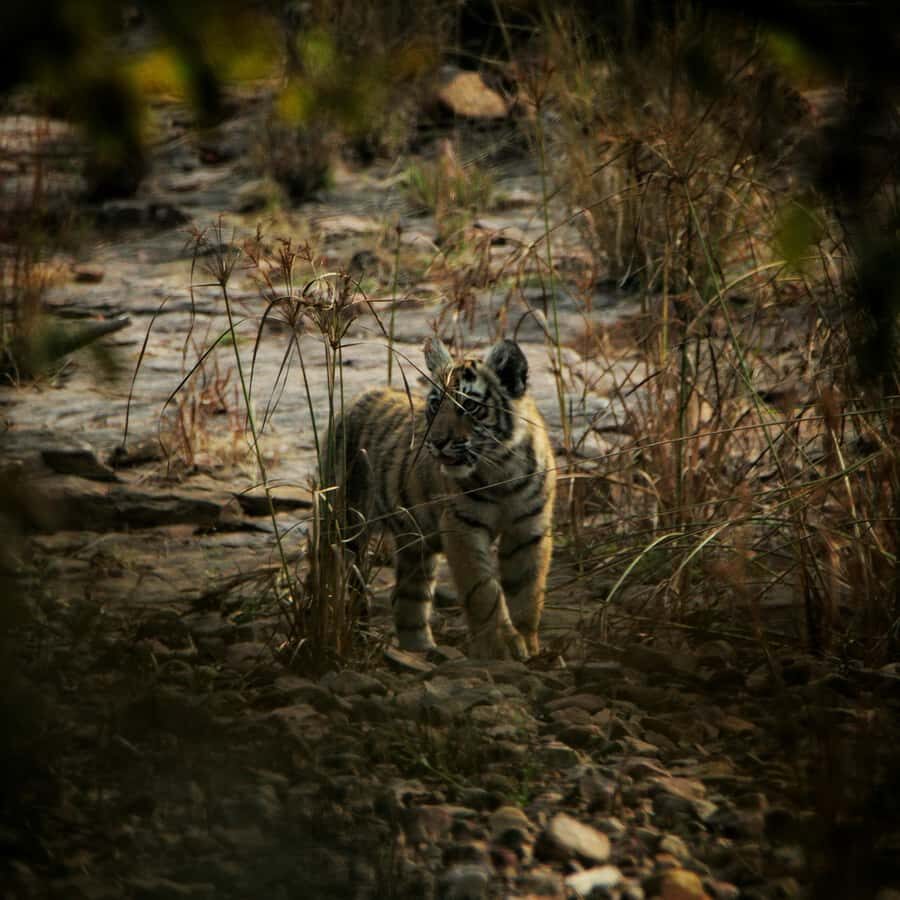
- Sloth bears
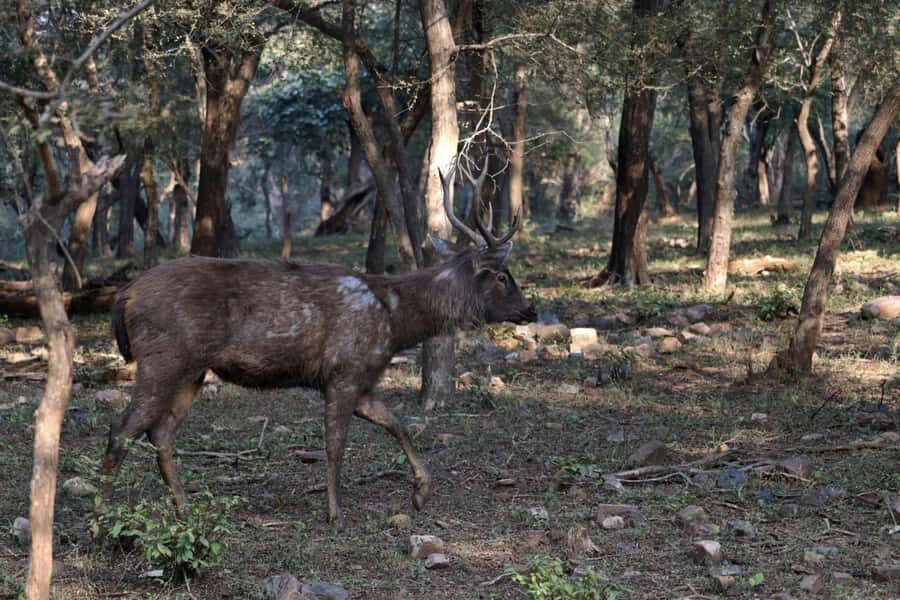
- Deer species and other common ground wildlife
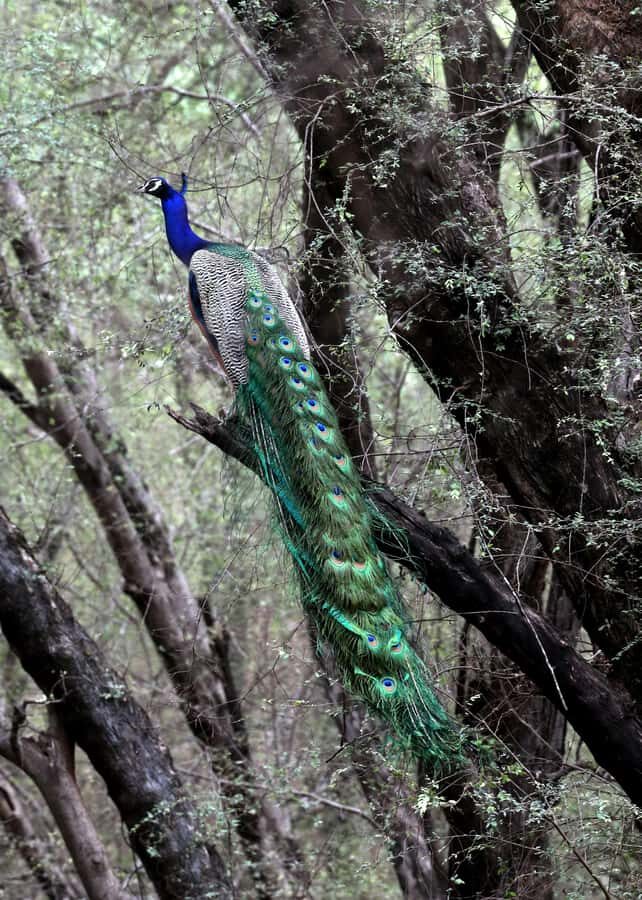
- Birds and smaller animals you’ll notice once your guide points them out
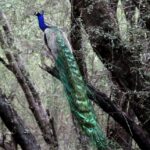
You may see wildlife at different distances. Some days will be mostly birds and deer with one dramatic moment. Other days can feel busier. In at least one described safari session, the group saw a wide spread of animals—birds, deer, monkeys, crocodiles—and ended with multiple tiger sightings. That’s not guaranteed, but it shows what’s possible when the timing and guidance line up.
Also: Ranthambore isn’t flat and featureless. The park’s greenery and open spaces create lots of sightlines for the guide to work with, and that helps when a tiger is moving through cover. Your job is simple: keep looking, and adjust quickly when the guide calls attention to something.
The role of the guide: why their spotting skill changes everything
A canter safari lives or dies by one thing: whether your guide can translate the landscape into animal behavior.
This tour is designed with a guided approach, and the idea is that you’ll learn:
- what kinds of habitats you’re passing
- why certain spots are productive for sightings
- how to interpret wildlife movement and signs
- the background of Ranthambore as an important reserve
That said, guidance quality can vary. Some people get clear explanations and constant pointing out of birds and animals. Other days may feel more like passive scanning. I can’t control that part for you, but I can give you a smart workaround: come with curiosity. If you’re unsure what you’re seeing, ask your guide to point out what they’re watching for—especially birds and deer. You’ll get more out of the ride, even if the first few minutes feel quiet.
For photography, remember the rules: no flash photography and no smoking. If you’re using a phone, brightness and focus matter—use daylight-friendly settings so you don’t waste time fiddling when the cat finally appears.
Timing and safari zones: the odds game you should understand
Wildlife viewing is a timing puzzle. The park runs on seasons, light, and animal movement patterns, and your best chance for action usually comes from early morning departures. That’s why the tour design encourages you to be ready for mornings—it increases your odds of seeing animals when they’re more active.
Still, don’t treat it like a guaranteed slot machine. Even with tiger territory, there’s always the chance of a quieter session. If you’re trying to get maximum value, here’s what you can do:
- show up early at your pickup point
- bring binoculars so you’re not constantly squinting
- stay patient when the group waits or the safari starts later than expected
Also, safari areas can differ by zone, and that can change how interesting the ride feels. One person noted they wondered if a zone was closed and that the session felt less interesting as a result. Translation: if you care deeply about getting the most active area, ask your guide or operator what area you’ll be driving that day and adjust your expectations if plans shift.
You can also read our reviews of more tours and experiences in Sawai Madhopur




The fort ruins layer: Ranthambore is history, not just wildlife
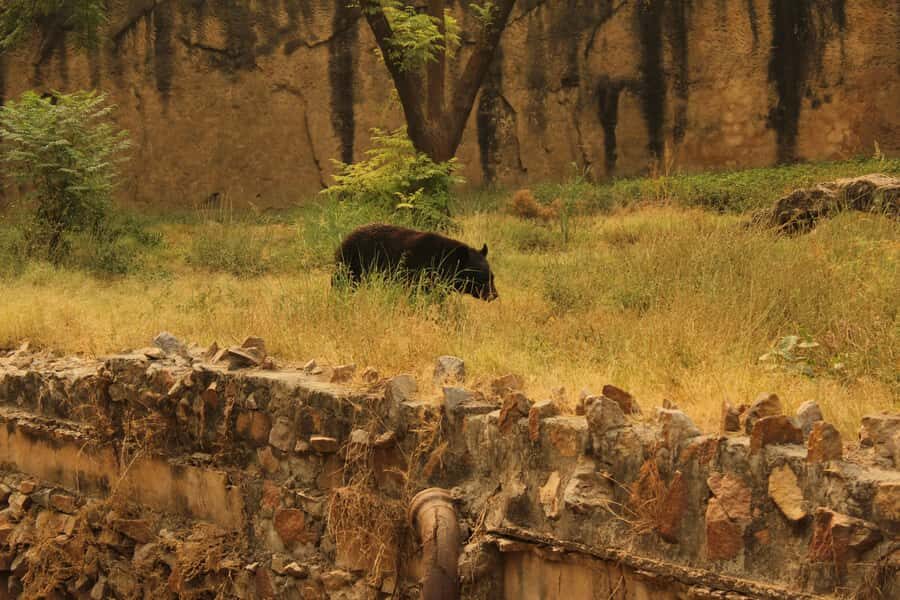
Ranthambore has a historic side too, and it adds meaning to the “wilderness” vibe. The park includes the historic Ranthambore Fort, and you’ll find pictorial ruins dotted through the landscape.
Why does this matter to you? Because it helps your brain connect what you’re seeing with place. A tiger sighting is exciting, but a guided explanation of the fort ruins and the park’s role as a reserve makes the whole afternoon feel more grounded. It’s one more reason the tour isn’t just a vehicle ride. You’re learning what you’re standing inside.
If you love mixing animals with atmosphere—forts, ruins, and the feeling that you’re in a real living landscape—this is a nice bonus.
Canter safari logistics: what the vehicle experience feels like
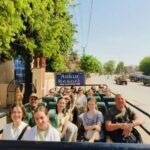
Your tour includes transportation in a safari vehicle, and a canter safari setup is typically open, so you’re up and looking. In one described experience, the ride took place in an open 20-seater bus style vehicle, where people scanned for birds, deer, crocodiles, monkeys, and tigers.
You should plan for:
- lots of sitting and scanning
- heat exposure (even with shade in parts of the vehicle)
- sound bouncing around in a group setting
- sudden moments of excitement where you want your camera ready
That’s why the “bring” list is practical, not decorative.
Price and value: is $49 a fair deal?
At $49 per person, this can feel like strong value if you want the essentials covered: guided safari time, entry fees, and safari vehicle transport.
Here’s the tradeoff to consider. This isn’t sold as a private, guaranteed-tiger experience. You’re in a shared safari vehicle and wildlife is wildlife—sometimes the highlight is the tiger, sometimes it’s a long stretch of birds and deer with one surprise. Your guide’s explanation can also shape how satisfying the ride feels.
So is it worth it? If you’re the kind of person who enjoys the chase—watching, learning, scanning, and being happy with more than one kind of wildlife—this price is easy to justify. If you need constant action every minute, or you’re traveling with someone who gets restless fast, you might want to consider whether a different format would better match expectations.
Also: meals and beverages aren’t included, so factor that into your total day budget. You’ll want water—safaris are long, and the sun is real.
What to bring (so you don’t suffer for the photos)
This safari is outdoors, often early, and it can get hot fast. Pack like a realist.
Bring:
- Comfortable shoes (you may walk briefly before or after the drive)
- Hat
- Camera
- Sunscreen
- Water
- Binoculars (worth it for spotting wildlife at distance)
Keep in mind the rules:
- No flash photography
- No smoking
One small tip that saves frustration: use your binoculars on birds and deer first. That trains your eyes for the kinds of motion you’ll later need to catch in the grass or between trees when you’re hoping for a tiger moment.
Who should book this safari, and who should skip it
This canter safari is a great fit if you:
- want a guided wildlife outing in Ranthambore National Park
- care about tigers but also enjoy birds, deer, and the ecosystem
- are okay with shared group transport
- can handle an early start and long stretches of looking
It’s listed as not suitable for:
- children under 5
- pregnant women
- people with heart problems
- wheelchair users
If any of those apply to you, it’s better to choose an alternative format that matches your needs.
Language is English, which is useful if you want the guide’s explanations to land clearly.
Should you book this Ranthambore canter safari?
If you want a guided way into one of India’s best-known tiger reserves, this is a solid choice. The big wins are the included entry fees, the canter safari transport, and the guided help that makes wildlife spotting more than just luck.
I’d book it if you go with the right mindset: early mornings, patience, binoculars, and curiosity. Be ready for possible delays, because safaris don’t always run to the minute. And if the guide’s explanations matter a lot to you, arrive ready to ask questions right away—so you get your money’s worth in the learning side, not only the animal side.
FAQ
What’s the location of this safari?
It takes place in Ranthambore National Park in Rajasthan, India.
How much does the safari cost?
The price is listed as $49 per person.
What wildlife can I hope to see?
The safari focuses on spotting Bengal tigers, as well as leopards, sloth bears, deer species, and birds.
Is the safari guided?
Yes. The experience includes a guided safari tour.
What’s included in the price?
Included are the guided safari tour, entry fees to Ranthambore National Park, safari vehicle transportation, and the canter safari cost.
What’s not included?
Meals and beverages, plus personal expenses, are not included.
Where do I meet the group?
You meet at a meeting point in Ranthambore. You should arrive about 10 minutes before the scheduled time.
What should I bring?
Bring comfortable shoes, a hat, sunscreen, water, a camera, and binoculars for wildlife spotting.
Are there any rules during the safari?
Yes. Smoking isn’t allowed, and flash photography isn’t allowed.
Who is this safari not suitable for?
It’s not suitable for children under 5, pregnant women, people with heart problems, or wheelchair users.