REVIEW · NEW DELHI
Old Delhi Heritage Walk with Rickshaw Ride
Book on Viator →Operated by Private Driver In India · Bookable on Viator
Old Delhi moves fast, and this tour helps. I love the private guide who explains what you’re seeing, and the bicycle rickshaw ride that keeps you moving through tight, crowded lanes without burning out. One thing to consider: the area is busy and loud, so you’ll want patience and comfortable footwear even though each stop is kept fairly short.
This experience is built around flexibility. You can pick a morning or afternoon start, and you get round-trip help by pickup plus a private air-conditioned vehicle.
You’ll work your way through major landmarks and everyday life: Jama Masjid, wedding-market shopping in Kinari Bazaar, parathas in Paranthe Wali Gali, the wholesale buzz of Chandni Chowk, the Sikh heritage of Gurudwara Sis Ganj Sahib, and the spice air of Khari Baoli. If you’re the type who likes context (not just photos), you’ll get a lot from the stories the guide shares.
In This Review
- Key highlights worth your attention
- Old Delhi Heritage Walk with Rickshaw Ride: what you’re really buying
- The pickup and meeting point that set the tone
- Jama Masjid: architecture first, then city views
- Kinari Bazar: the wedding market you can actually browse
- Paranthe Wali Gali: a quick, iconic food stop
- Chandni Chowk: wholesale energy from the sidewalk
- Gurudwara Sis Ganj Sahib: adding a second lens to the day
- Old Delhi by bicycle rickshaw: comfort and control in tight streets
- Khari Baoli: spice market smells that guide the route
- Finishing Old Delhi with stories and a look at havelis
- Price and value: is $24.60 actually fair?
- Timing in the real world: morning vs afternoon
- Who this tour fits best (and who should consider alternatives)
- A real tailoring moment: when the guide goes beyond the script
- Should you book this Old Delhi Heritage Walk?
- FAQ
- How long is the Old Delhi Heritage Walk with Rickshaw Ride?
- Where does the tour start and end?
- Is pickup included?
- What’s included besides the guide?
- What sights are included in the route?
- Are meals included?
- Does the tour depend on weather?
Key highlights worth your attention

- A private local guide in control of the pace so you’re not stuck reading plaques in a crowd
- Bicycle rickshaw time in Old Delhi for easier navigation through congested streets
- Old-school market stops that feel like daily life: wedding supplies, paratha alley, wholesale bazaars
- Khari Baoli spice market where the aromas hit before you even see the stalls
- Chance for a panorama at Jama Masjid if you choose to climb the minarets on-site
- Real tailoring examples from the guide like helping with a birthday cake request
Old Delhi Heritage Walk with Rickshaw Ride: what you’re really buying

On paper, this is a 3 to 4 hour heritage walk with a bicycle rickshaw ride. In practice, you’re buying something more useful: help getting your bearings in one of the world’s busiest historic city areas, without turning it into a stressful sprint.
Old Delhi can feel like sensory overload. That’s exactly why having a private guide matters. Your guide can point you toward the parts that match what you care about—shopping for wedding items, grabbing a quick bite, spotting religious landmarks, or simply learning what you’re looking at as the city changes from Mughal-era layouts to modern neighborhoods.
And the rickshaw ride isn’t just a fun photo moment. It’s a practical tool. When the streets tighten up, you’ll appreciate having a way to move that still keeps you close to the action.
You can also read our reviews of more walking tours in New Delhi



The pickup and meeting point that set the tone

The day starts and ends at Sunehri Masjid on Nishad Raj Marg near Lal Qila (Old Delhi). That’s an easy anchor point once you’re there, and it also keeps the route efficient since you’re already near key sights.
Pickup is offered from your hotel/airport or another Delhi location. You’ll travel by private air-conditioned vehicle, with fuel, parking, tolls, and taxes handled. That matters because time in Delhi traffic can be the difference between enjoying the sights and feeling rushed.
If you hate wasting the first hour of a trip doing logistics, this setup is a win. You get picked up, you get to the meeting point, and you focus on the walking and the sights.
Jama Masjid: architecture first, then city views
Your first major stop is Jama Masjid, described as one of India’s largest mosques. The highlight isn’t just scale. It’s the way the mosque’s architecture creates order in a city that often feels chaotic.
You have about 30 minutes here, and admission is listed as free. You also have the option to climb a minaret for a panoramic view of the city. That’s a big deal because the view gives you a mental map. After that, the rest of Old Delhi makes more sense—markets, lanes, and the density you’re walking through.
A practical consideration: religious sites can come with specific visitor expectations. The best approach is simple—follow the guidance of your guide and any on-site directions.
Kinari Bazar: the wedding market you can actually browse
After Jama Masjid, the route moves to Kinari Bazar, known for wedding-related items. This is one of those places where the street-level details can be more interesting than the official monuments.
Expect a stroll through shops and stalls selling bridal wear, jewelry, and accessories. Even if you’re not buying, you’ll see craftsmanship and materials up close. If you like cultural shopping (and not just souvenir trinkets), Kinari Bazar is a smart stop.
One drawback is that market energy can make it hard to linger. You’ll get a focused about 30 minutes. That’s long enough to understand what’s here, but not long enough to browse every shop. The guide helps you prioritize so you don’t end up spinning in circles.
Paranthe Wali Gali: a quick, iconic food stop
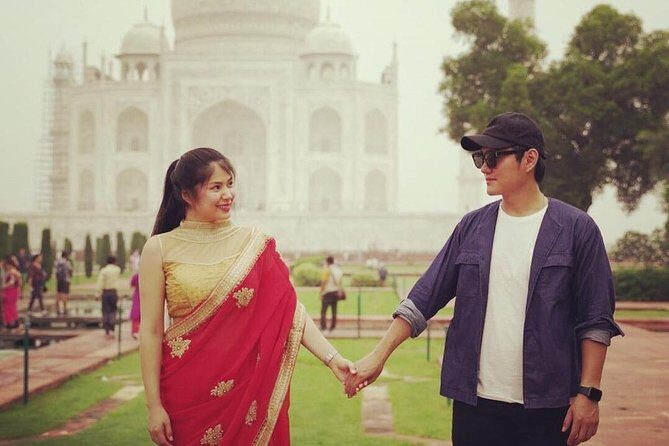
Next up is Gali Paranthe Wali, short and focused, with time built in to try traditional Indian parathas. Think of this as your fuel stop and your taste of local comfort food.
Your time here is about 15 minutes. That sounds short, but it’s probably perfect in Old Delhi conditions. You don’t want your “food stop” to become your “food decision marathon.”
Meals aren’t included in the tour, so you should plan on buying food here (and budget a little extra if you’re hungry). The good news: the stop is designed to be quick and practical, not a long meal detour.
You can also read our reviews of more historical tours in New Delhi





Chandni Chowk: wholesale energy from the sidewalk
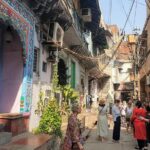
Then you hit Chandni Chowk, described as a busy wholesale hub. This part of Old Delhi is where the city’s daily business shows up in a way tourists can feel instantly.
You’re given about 30 minutes here, with an included ride element later in the day. Even before you get on the rickshaw, you’ll notice the rhythm: shoppers, traders, and fast decisions about what to buy and where to go next.
This is also the area where you can get the most value from having a guide. Your guide can explain what you’re seeing and help you understand how these markets work, rather than treating the street as a random maze.
Gurudwara Sis Ganj Sahib: adding a second lens to the day
A shorter stop follows at Gurudwara Sis Ganj Sahib, a significant Sikh temple in the Chandni Chowk area. This stop adds variety to the day’s religious landscape and helps you see Old Delhi as a neighborhood shaped by multiple communities over time.
You’ll have about 15 minutes here, and admission is listed as free. This isn’t the kind of stop where you need long explanations to enjoy the atmosphere. Still, the guide’s context can help you appreciate why the temple matters to people who live around it.
As with any active religious site, keep expectations flexible. You’ll want to follow on-the-ground rules and your guide’s direction for respectful visiting.
Old Delhi by bicycle rickshaw: comfort and control in tight streets
Now comes one of the most practical parts: the Old Delhi rickshaw ride. This is set at about 30 minutes, with admission listed as free.
The point is simple. Walking in Old Delhi’s crowded lanes can be tiring and slow. A bicycle rickshaw lets you cover more distance with less stress, while still keeping you close to the sights.
What I like about this structure is that it doesn’t replace walking entirely. You still experience the markets on foot, then you use the rickshaw when crowds and congestion would otherwise drain your energy. That pacing makes the whole tour feel doable, even if you’re not used to dense city walking.
Khari Baoli: spice market smells that guide the route
Your next stop is Khari Baoli, described as one of Asia’s largest wholesale spice markets. This is where the tour becomes sensory in a different way.
The air is filled with aromas like cardamom, cinnamon, and chili, along with other spices. You’ll likely notice that the guide can help you interpret what you’re seeing and why these spices are so central to Indian cooking and commerce.
You’ll get about 30 minutes here. That’s enough time to understand the scale and to enjoy the atmosphere without feeling pressured to buy. Since this is a wholesale area, the shops can feel intense—another good reason to have a guide so you don’t feel lost.
Finishing Old Delhi with stories and a look at havelis
The last stretch is a guided wrap-up in Old Delhi, where your local guide shares stories connecting the area’s Mughal and colonial past with life in the neighborhood today.
This is the kind of ending that makes the earlier stops “click.” Architecture, markets, and religious sites stop being separate attractions and start feeling like parts of one living city.
You may also visit traditional havelis (old mansions), depending on the tour flow. Havelis can add a different layer of visual detail—courtyards, facades, and the way older residences reflect the city’s social history.
Price and value: is $24.60 actually fair?
At $24.60 per person, the value here comes from how much is included. You’re getting:
- Pickup offered from your Delhi location
- A private air-conditioned vehicle
- A professional local tour guide
- Fuel, parking, tolls, and taxes
- The bicycle rickshaw ride
On a trip like this, transportation and a guide are usually where costs add up fast. Here, those pieces are bundled, which keeps the experience from turning into a patchwork of separate paid add-ons.
The main extra costs you’ll likely handle are straightforward: meals and personal expenses. If you plan for a snack and paratha purchase, the budget stays predictable.
Also, the tour is private, meaning it’s your group only. Private doesn’t automatically mean fancy; it means you don’t share your route control with strangers, and your guide can respond to your pace.
Timing in the real world: morning vs afternoon
You can choose a range of morning and afternoon start times. That flexibility matters because Old Delhi can feel different depending on light, crowd density, and heat.
Morning starts often feel easier for walking comfort, especially if you’re sensitive to sun and crowds. Afternoon starts can work if you want a slower wake-up, but you’ll want to plan your pace and hydration.
This is also a tour that requires good weather. If it’s canceled due to poor weather, you’ll be offered a different date or a full refund.
Who this tour fits best (and who should consider alternatives)
This works best if you want a structured Old Delhi intro that still feels personal.
It’s a great match for:
- First-timers to New Delhi who want context plus movement
- People who like markets but don’t want to get stuck navigating crowds alone
- Families who need a route that balances walking with a comfortable rickshaw segment
It may feel less ideal if you prefer a long, slow museum-style pace. This route is efficient by design—stops are typically 15 to 30 minutes, so it’s more about coverage and orientation than deep, hour-long wandering.
A real tailoring moment: when the guide goes beyond the script
One detail from a past experience really stuck with me: the guide—Sourabh—was described as genuine and helpful, and he even arranged a birthday cake request so a daughter could celebrate during the tour.
That’s not the same as a typical generic guiding style. It shows the tour can be flexible in the right way. If you have a small need—timing a snack break, making a request that fits within the tour—this setup is more likely to handle it than a rigid, bus-style itinerary.
Should you book this Old Delhi Heritage Walk?
I’d book it if you want an Old Delhi orientation that’s practical, not overwhelming. The rickshaw ride helps you handle congestion, the private guide gives meaning to the sights, and the route touches the everyday threads—wedding-market shopping, paratha alley, wholesale bazaars, and spice air at Khari Baoli.
Skip it (or consider a different style of tour) if you want long free time in each market or you don’t enjoy crowded streets. Old Delhi isn’t quiet, even with a plan.
If you’re traveling with a limited amount of time in Delhi and you want the day to feel organized, this is good value for what you get: guide + vehicle + rickshaw, wrapped around the city’s most intense historic neighborhood.
FAQ
How long is the Old Delhi Heritage Walk with Rickshaw Ride?
It runs about 3 to 4 hours.
Where does the tour start and end?
It starts at Sunehri Masjid on Nishad Raj Marg, Lal Qila, Old Delhi, New Delhi, Delhi 110006 and ends back at the meeting point.
Is pickup included?
Yes. Pickup is offered from your hotel/airport or another desired location in Delhi.
What’s included besides the guide?
You get a private air-conditioned vehicle, fuel/parking/taxes covered, and an Old Delhi bicycle rickshaw ride.
What sights are included in the route?
The experience includes Jama Masjid, Kinari Bazar, Gali Paranthe Wali, Chandni Chowk, Gurudwara Sis Ganj Sahib, an Old Delhi rickshaw ride, Khari Baoli, and a guided finish in Old Delhi.
Are meals included?
No. Meals are not included, and you’ll cover personal food purchases on your own.
Does the tour depend on weather?
Yes. It requires good weather. If it’s canceled due to poor weather, you’ll be offered a different date or a full refund.