REVIEW · RISHIKESH
Private Walking Tour in Rishikesh
Book on Viator →Operated by India Easy Trip Pvt Ltd · Bookable on Viator
Rishikesh is best walked slowly. This private, 4-hour walk lines up several top spiritual stops with enough time to actually look around. You’ll move from ashrams to the suspension bridge area, then end up near Parmath Niketan for the evening Ganga Aarti energy. I like the way the route stays flexible, so you can pause for photos, questions, or just people-watching along the river. I also like that the guide can explain what you’re seeing in plain terms, like why each ashram matters and how the rituals connect to everyday Hindu belief.
One thing to keep in mind: you’ll be walking in a busy, sometimes crowded riverfront zone, and the tour is not recommended if you have serious back, heart, or other major medical conditions, or if you’re pregnant. And yes, Rishikesh is strict about covering up—no shorts or sleeveless tops, knees and shoulders must be covered.
In This Review
- Key highlights worth circling
- Walking Rishikesh without getting swamped by it
- The route: from Sivananda Ashram to the Parmarth Niketan Aarti zone
- Stop 1: Sivananda Ashram (about 15 minutes)
- Stop 2: Ram Jhula (about 5 minutes)
- Stop 3: Gita Bhawan (about 15 minutes, admission included)
- Stop 4: Swarg Ashram (about 10 minutes, admission included)
- Stop 5: Parmarth Niketan Ashram (about 1 hour)
- Why this timing can beat a rushed sightseeing day
- What you’ll learn (and what you’ll notice) at ashrams
- Price and value: is $18 a fair deal for this afternoon?
- Who should book this walking tour (and who should skip it)
- Practical tips before you go: dress code, comfort, and crowd reality
- Cover up before you arrive
- Wear shoes for uneven ground and riverfront crowds
- Expect weather and dress accordingly
- Bring patience for timing
- Should you book this private walking tour of Rishikesh?
- FAQ
- How long is the private walking tour in Rishikesh?
- What time does the tour start?
- Where does the tour meet, and where does it end?
- What’s included in the price?
- Is this a private tour?
- What should I wear?
Key highlights worth circling
- Private pace for your group: it’s only your group, and you can linger if a stop feels important.
- Ashram stops with practical context: Sivananda Ashram, Gita Bhawan, Swarg Ashram, and Parmarth Niketan each get real explanation.
- Ram Jhula connection: you’ll pass the suspension bridge area that links parts of Rishikesh and frames views over the river.
- Ganga Aarti timing at the end: you’re positioned at Parmarth Niketan where the evening ceremony runs daily.
- Guides who know shortcuts: from street routing to cultural background, guides like Sunny and Raj are praised for keeping things clear and moving.
- Value for money: for $18 per person, you get a professional guide plus bottled water and GST.
Walking Rishikesh without getting swamped by it
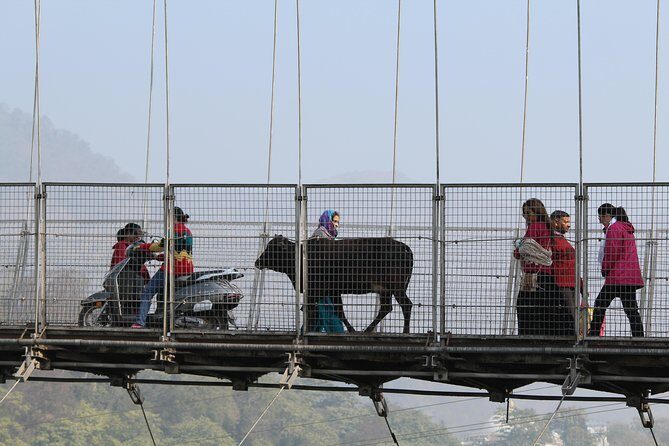
Rishikesh can feel like a lot at once. Temples, chants, incense, scooters, river steps, and signboards in multiple languages. The town is small, but it’s easy to lose your bearings and wander in circles—especially if you’re trying to catch specific sights like ashrams and the riverside ceremony.
This tour works because it’s built for orientation. You’re not just ticking boxes. You’re following a simple route where each stop helps you understand the next one. The guide’s job is to connect the dots: how the ashram life shapes what you see, why the bridge area matters, and what the daily evening Aarti is doing spiritually and socially.
The private format also helps. If you want to slow down at one place, you can. If the crowd density changes in real time, you can adjust. That’s a big difference from group tours that keep you in a strict line and a strict timeline.
You can also read our reviews of more walking tours in Rishikesh


The route: from Sivananda Ashram to the Parmarth Niketan Aarti zone
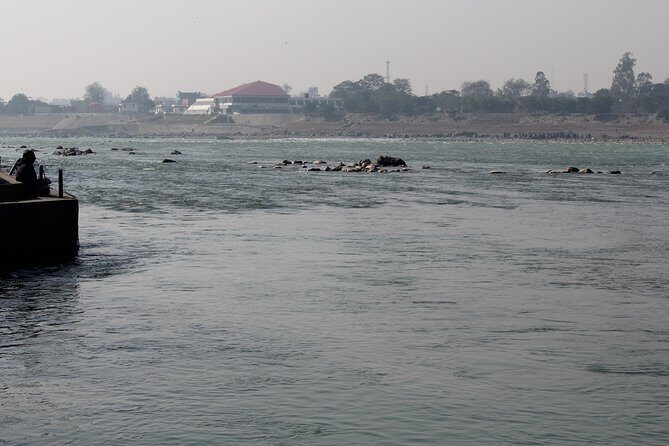
This is a 2:00 pm start, and the total time is about 4 hours (though “about” here is real—crowds can add minutes, and time is flexible).
Stop 1: Sivananda Ashram (about 15 minutes)
You begin at Sivananda Ashram, a famous ashram in Rishikesh. Expect a quick intro to how ashram life is organized and what visitors typically notice. The entry ticket here is free, so the focus stays on what you’re seeing rather than paywalls or schedule juggling.
What makes this stop useful is that it gives you a baseline. Without that context, later ashrams can start to feel like similar buildings with different signs. With the guide’s explanation, you’re more likely to spot the “why” behind each place.
Stop 2: Ram Jhula (about 5 minutes)
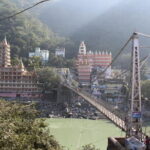
Next up is Ram Jhula, a suspension bridge area about 2 km down from Lakshman Jhula. The bridge connects the Swarg Ashram area to Muni Ki Reti. It’s a short stop, but it’s visually important. You’ll use it as a framing point for the river and for the spiritual “gravity” of the area—because Rishikesh’s riverfront rituals aren’t happening in isolation. They’re connected to the geography.
The bridge area can be busy, so treat this like a quick reset: look, orient, and then move on.
Stop 3: Gita Bhawan (about 15 minutes, admission included)
Gita Bhawan is a major ashram that’s especially well known among domestic visitors. It’s large, with hundreds of rooms, and that scale is part of what makes it stand out. Your guide should help you understand how a place like this functions for spiritual study and daily life, not just worship as an event you drop into.
Here, the admission ticket is included, which saves you time and removes one more “what’s the rule?” moment. In practice, that means you spend more energy actually learning and less energy figuring out logistics.
You can also read our reviews of more private tours in Rishikesh


Stop 4: Swarg Ashram (about 10 minutes, admission included)
Then you head to Swarg Ashram, described as one of the oldest ashrams in the Ram Jhula area. That “old” matters. Older ashrams often show up in stories people tell about the city—how Rishikesh developed its spiritual identity over time.
Admission is included here too, so you can keep your focus on significance rather than paperwork.
One practical note: even if your time at each stop is capped by the tour plan, it doesn’t mean you can’t linger. The tour is designed so you can spend as much time as you’d like in each location, within reason.
Stop 5: Parmarth Niketan Ashram (about 1 hour)
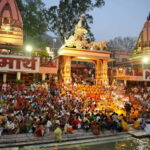
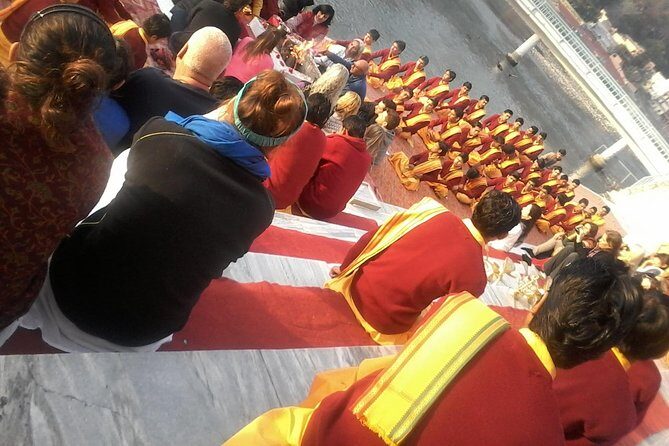
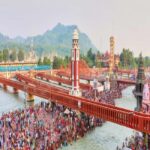
The final stop is Parmarth Niketan Ashram—one of the most famous today. This is where you’re positioned for the evening Ganga Aarti, which is organized daily.
The entry ticket is free. You’re given about an hour here as part of the walking tour, and that timing is the big payoff. Aarti isn’t just something you watch from a distance. It’s ritual, sound, synchronized movement, devotion, and community all at once. With a good guide, you’re more likely to understand what you’re seeing while you’re seeing it.
Some visitors also talk about getting a strong view of the ceremony and even close moments connected to the flame ritual. I wouldn’t assume you’ll experience that exact proximity every time, but the overall point is clear: this is the stop that turns your afternoon walk into something more memorable than temple sightseeing.
Why this timing can beat a rushed sightseeing day
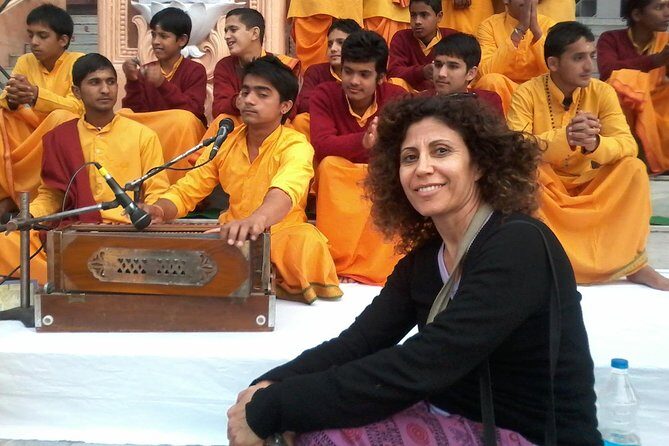
Most people arrive in Rishikesh with a short time window and a long “must-see” list. Then they end up sprinting between points, missing the meaning because they don’t have time to ask questions.
Starting at 2:00 pm is smart. It gives you daylight for the ashram and bridge zone, then it naturally leads you into the evening ceremony environment. That matters because Aarti is best understood when you’re not freezing or tired. It’s also easier to observe how the riverfront crowd flows, where you can stand, and how the sound builds as the ceremony starts.
One small but important detail: there’s flexibility in visiting times. If traffic or crowds slow things down, extra time can be spent in markets or on more detailed explanations. And if you want to catch Aarti at a later time rather than immediately, you might be able to extend the experience. Some guides, like Raj, have been able to stay longer than planned so families could make it work with their schedule.
That kind of responsiveness is what makes a private walking tour feel like it’s tailored to you, not just to a timetable.
What you’ll learn (and what you’ll notice) at ashrams
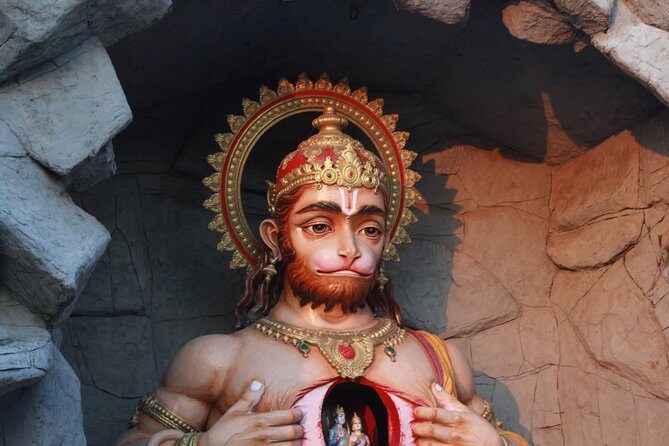
You’re going to see more than architecture. Rishikesh ashrams aren’t just buildings; they’re living systems. The guide’s value is explaining what that looks like on the ground.
Here’s what you should pay attention to as you walk:
- How visitors are expected to dress and behave. The tour’s dress rule is strict for a reason: you’re entering spaces tied to devotion and discipline. Cover knees and shoulders.
- Why each ashram has a different “feel.” Sivananda Ashram can feel like a spiritual introduction. Gita Bhawan is big and organized. Swarg Ashram brings a sense of age and continuity. Parmarth Niketan feels like a major current feeding the daily Aarti.
- How the bridge and riverfront tie the whole area together. Ram Jhula gives you the visual link between parts of town and reminds you that the river isn’t background—it’s central.
- How the Aarti works beyond the dramatic moment. Even if you only catch part of it, you’ll see rhythm and repetition. That’s the point: daily devotion isn’t one performance; it’s a routine.
If you like learning through stories—how Hindu faith shows up in the layout of places, the meaning of rituals, and what people actually do each day—you’ll likely get a lot from this tour.
And based on guide feedback, you’re in good hands. Sunny is described as passionate and fun, with broad knowledge. Alpesh is praised for knowing street shortcuts and explaining culture plus even political and religious history. Raj is praised for being patient, knowledgeable, and accommodating with longer timing when needed.
Price and value: is $18 a fair deal for this afternoon?
At $18 per person for about 4 hours, this is one of those prices that’s less about “cheap” and more about “good structure.” You’re not paying separately for hotel pickup (not included anyway), and you’re not paying separately for everything inside the key stops. Admission is included for Gita Bhawan and Swarg Ashram, while the other stops listed as free help keep the overall cost fair.
You also get:
- A professional guide
- Bottled water
- GST
So what are you really buying? Direction and context. In a place like Rishikesh, it’s easy to spend time wandering without understanding. This tour bundles a guided route, cultural explanations, and a strong ending with the Aarti setting.
One more value angle: the private format. If you’re traveling as a small group, “private” often costs far more elsewhere. Here, the price is positioned as accessible, and group discounts are mentioned as available.
If you’re the type who likes to see highlights but also wants the “why,” this is a good match.
Who should book this walking tour (and who should skip it)
This works well for:
- First-time visitors who want to get oriented fast without feeling rushed
- People who prefer walking and short, purposeful stops over bus rides
- Travelers who want to understand Hindu spiritual life, not just pose near temples
- Families, as long as the pace and walking time work for everyone
It may not be the best choice if:
- You’re pregnant or dealing with serious back pain, heart complaints, or other major medical conditions
- Your group can’t follow a modesty dress code (no shorts or sleeveless tops; shoulders and knees covered)
- You’re expecting a fully relaxed, zero-effort stroll. This is a walking tour in a lively, sometimes crowded area.
If you’re deciding based on comfort, plan for movement. Wear shoes you can stand in, not just shoes you can walk one block in.
Practical tips before you go: dress code, comfort, and crowd reality
A few things will make your afternoon smoother.
Cover up before you arrive
Rishikesh spaces linked to worship often come with clear expectations. For this tour:
- No shorts
- No sleeveless tops
- Knees and shoulders must be covered for both men and women
If you forget this, you may lose time at the door.
Wear shoes for uneven ground and riverfront crowds
Even if each stop is short, the total walking adds up over about four hours. You’ll likely stand in place near the ceremony area later, too. Bring comfortable footwear and plan to move around crowds.
Expect weather and dress accordingly
The tour operates in all weather conditions. That doesn’t mean you should treat rain or heat casually. Dress for what you’ll face in Rishikesh that day.
Bring patience for timing
Crowds can affect visit length. The tour is flexible, but it’s still a shared physical reality: people gather. Markets and explanations can expand if the route slows.
Should you book this private walking tour of Rishikesh?
If your goal is to understand Rishikesh, not just photograph it, I’d book this. The route is practical, the stops are meaningful, and the ending at Parmarth Niketan sets you up for the daily Ganga Aarti atmosphere. For the price, you’re getting real guidance plus included admission at key points.
Skip it if mobility or medical conditions make walking risky, or if your group can’t meet the modesty dress rules. Also, if you want a long, purely downtime experience with no crowd navigation, you may find the riverfront energy a bit intense for your taste.
FAQ
How long is the private walking tour in Rishikesh?
It runs for about 4 hours.
What time does the tour start?
The start time is 2:00 pm.
Where does the tour meet, and where does it end?
It starts at Yog Niketan By Sanskriti – A Riverside Boutique Resort parking near Ram Jhula (NH52, Badrinath Rd). It ends back at the meeting point.
What’s included in the price?
Included are a professional guide, bottled water, and GST. Admission is included for some stops, while other stops listed are free.
Is this a private tour?
Yes. Only your group will participate.
What should I wear?
You must wear clothes that cover your knees and shoulders. Shorts and sleeveless tops are not allowed.