REVIEW · JAIPUR
Jaipur: Interactive Cooking Class with a Local Family
Book on GetYourGuide →Operated by Ultimate Urban Adventures Pvt. Ltd. · Bookable on GetYourGuide
Real Jaipur home cooking beats tours. This is a small-group, in-home class run by Harshita and Monty that feels more like a shared dinner than a school lesson. I like the hands-on chapati practice and the very practical way they explain spices and technique as you cook. One drawback to plan for: you’ll want to sort out how you’ll get to the home, especially if you’re staying deep in the old town.
You also get the part that’s hard to fake: conversation with a family, plus their older family recipes served as you eat. Expect a welcome drink, a meal you help cook, and a traditional drink and dessert to finish. If you have mobility limits or need step-free access, this one may not work well because you use stairs to the first floor (F-2).
In This Review
- Quick hits
- Why This Jaipur Cooking Class Feels Like Dinner With Friends
- Getting There in Jaipur: Pickup Options and Old-Town Reality
- What You’ll Cook: North Indian Staples, Seasonal Curries, and Sides
- Inside the Kitchen: Spices, Herbs, and the Technique Behind Chapatis
- Cooking Your Vegetable Curry: How Flavor Gets Built
- The Meal: Welcome Drinks, Traditional Drinks, Dessert, and Family Stories
- E-Recipes After Class: Turning Skills Into Meals at Home
- Price and Value: What $24 Buys You in a Jaipur Home
- Who Should Book This Class (and Who Should Skip It)
- Practical Tips Before You Go
- Should You Book This Jaipur Cooking Class?
- FAQ
- How long is the Jaipur interactive cooking class?
- What does the class cost?
- Where does the cooking class take place?
- What will I be able to cook hands-on?
- Do I eat during the experience?
- Are e-recipes included?
- Is transport included, and is pickup available?
- Is the instructor available in English?
- Is it suitable for wheelchair users, and are there rules about pets and smoking?
Quick hits
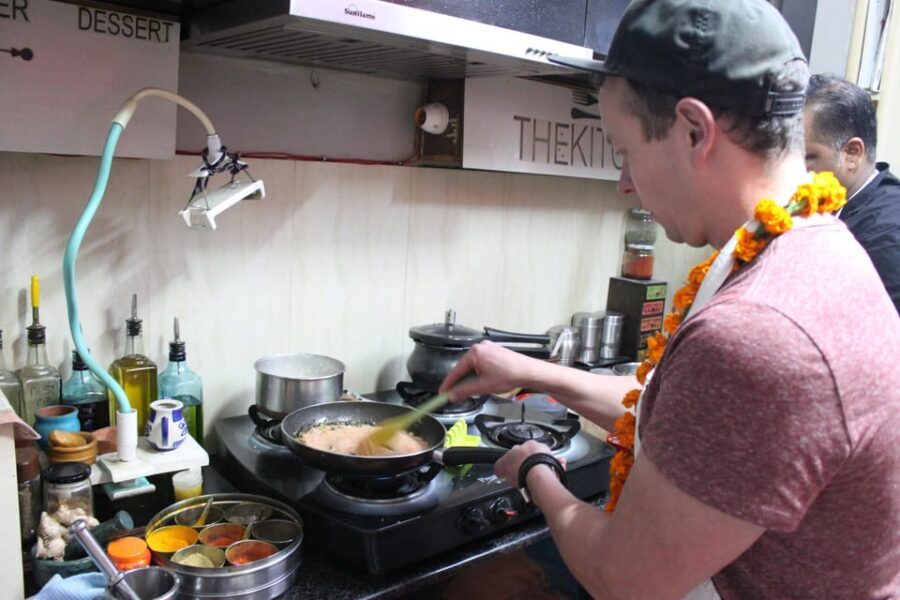
- Learn North Indian basics in a real kitchen with a local family, not a studio setup
- Round chapatis hands-on, not just watching from the sidelines
- Spice and herb orientation so you understand what you’re smelling and tasting
- A vegetable curry you actually make, using the same method you’ll recreate later
- Welcome drinks, then dessert, so the whole experience ends with a proper meal
- Optional driver pickup within Jaipur, rated 97% perfect for transport
Why This Jaipur Cooking Class Feels Like Dinner With Friends
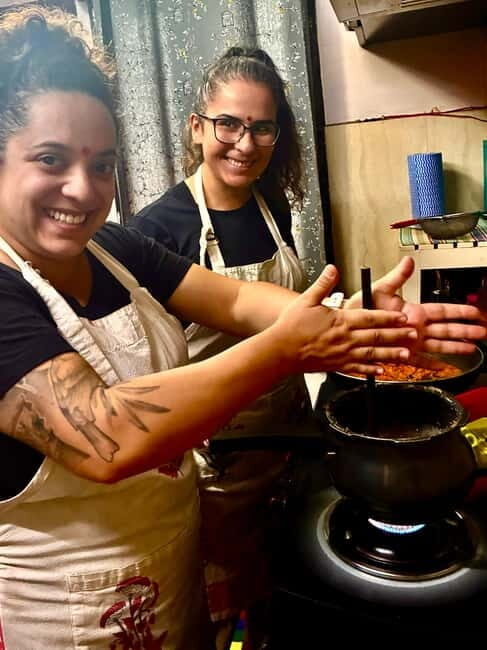
This class is built around one simple idea: cooking at home where the rhythm is casual, the conversation is real, and you learn by doing. You start with a welcome drink, then the kitchen comes alive with spices, herbs, and ingredients you’ll use right away.
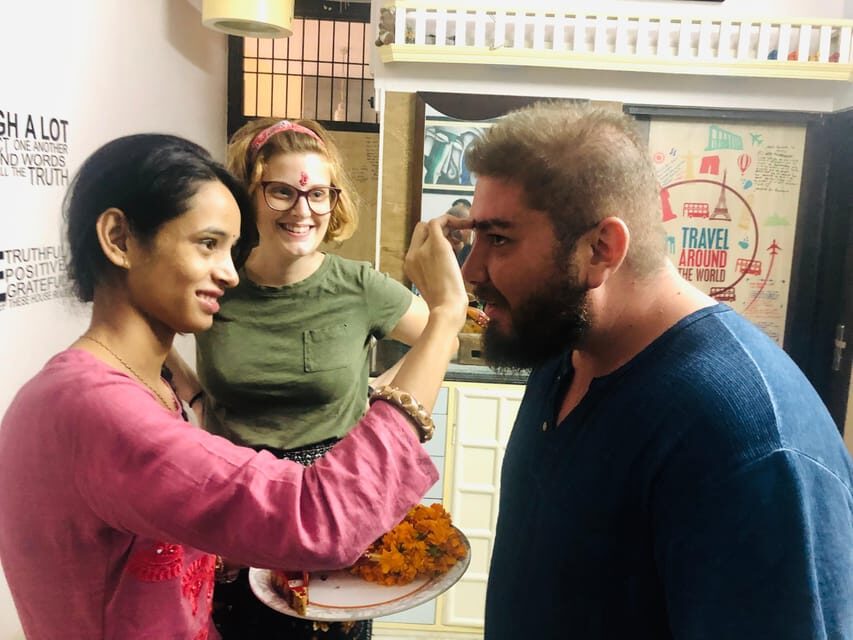
I like that the hosts treat you like a short-term family member, not a paying student. Harshita and Monty guide you through fundamentals, while their daughter Gina often adds a warm, playful energy to the room. If you’re hoping for a night that makes you feel connected to Jaipur beyond the sights, this delivers.
You can also read our reviews of more cooking classes in Jaipur


Getting There in Jaipur: Pickup Options and Old-Town Reality
Transportation is the main “heads-up” item. The activity doesn’t include transport to and from the home, but pickup is optional. If you choose it, the driver meets you in your hotel lobby or at a location within Jaipur, with your name ready.
That matters because Jaipur can be tricky on foot once you’re trying to time dinner and cooking. One review tip that’s worth taking seriously: if you’re staying in the old town, arrange a taxi or pickup ahead of time. Otherwise you can lose time just finding the right approach streets, and nobody wants to arrive flustered when the class starts.
Also note: this is a home setting. You’ll use stairs to reach the first floor (F-2). If you’re counting on step-free access, plan another option.
What You’ll Cook: North Indian Staples, Seasonal Curries, and Sides
This is mostly North Indian cooking, with a focus on everyday home dishes. You’ll work on round chapatis and a vegetable curry, and the rest of the menu can vary by session. The food list you might see includes chapati and paratha styles, seasonal vegetable curries, side dishes, fried rice, and desserts.
From what’s been shared, some sessions may also feature dishes like:
- Aloo paratha or other potato-forward breads
- Palak paneer (spinach and paneer)
- Coriander chutney
- Masala chai
- Rice pudding
- Poha (a breakfast-style dish)
Don’t worry if you don’t recognize everything. The hosts explain the ingredients as you go, and they show you what to look for while cooking, not just how to follow a recipe.
The value here is practical skill. After this kind of class, you’re not only chasing flavor. You’re learning what makes North Indian food work: layering spices, building texture, and timing each component so the meal lands hot and ready.
Inside the Kitchen: Spices, Herbs, and the Technique Behind Chapatis
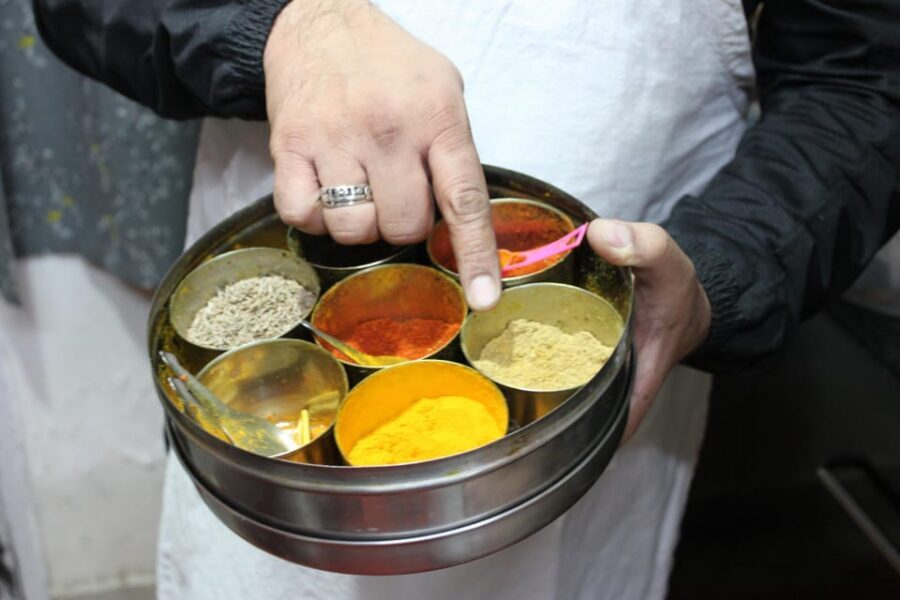
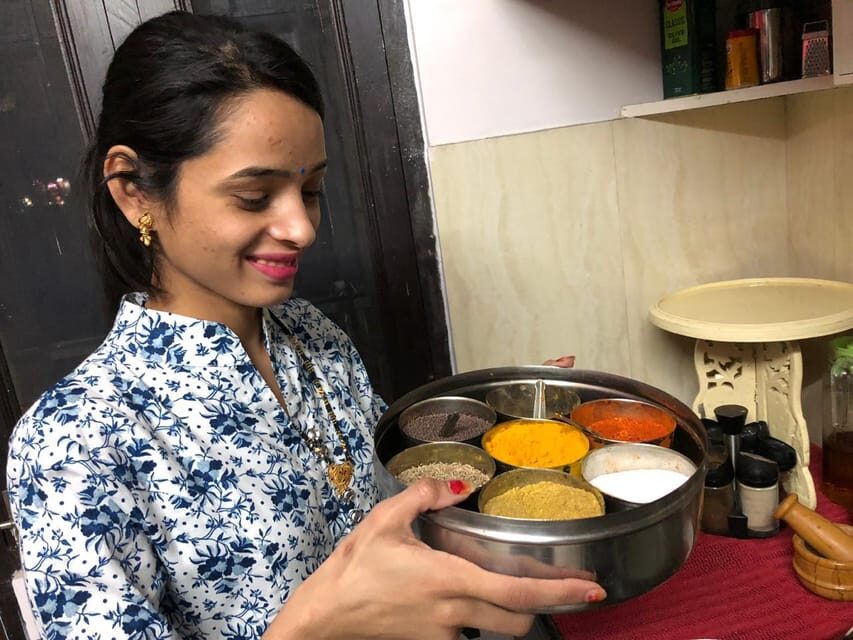
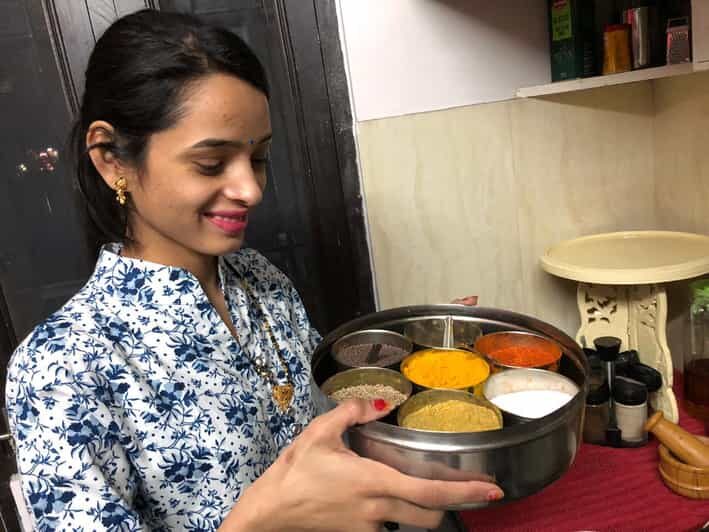
You’ll begin with an introduction to the spices and ingredients used in the recipes. This part is more than a flavor tour. It’s where you learn what each spice is doing, why it’s added at a certain moment, and how strong to go without turning everything bitter or smoky.
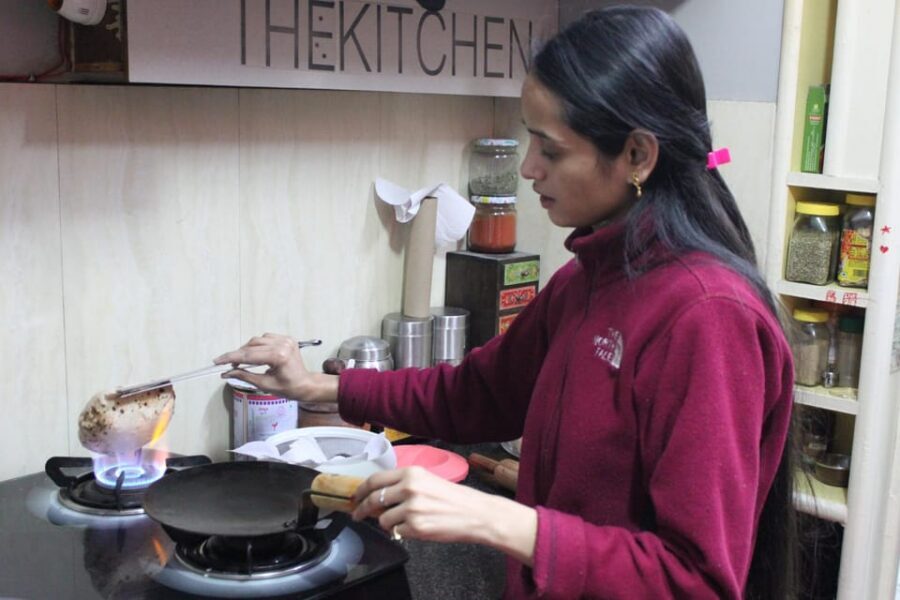
Then comes the demonstration, and this is where your flour-covered future begins. You get the chance to make round chapatis yourself. The method is hands-on, and the goal is consistency: dough texture, rolling technique, and heat control so the bread puffs and browns the way it should.
Chapatis can look simple until you try them. The technique they teach you is the difference between bread that tastes good and bread that actually behaves in your pan. Expect small corrections as you cook, like how to roll evenly or how to manage heat so you don’t dry the dough out.
Cooking Your Vegetable Curry: How Flavor Gets Built
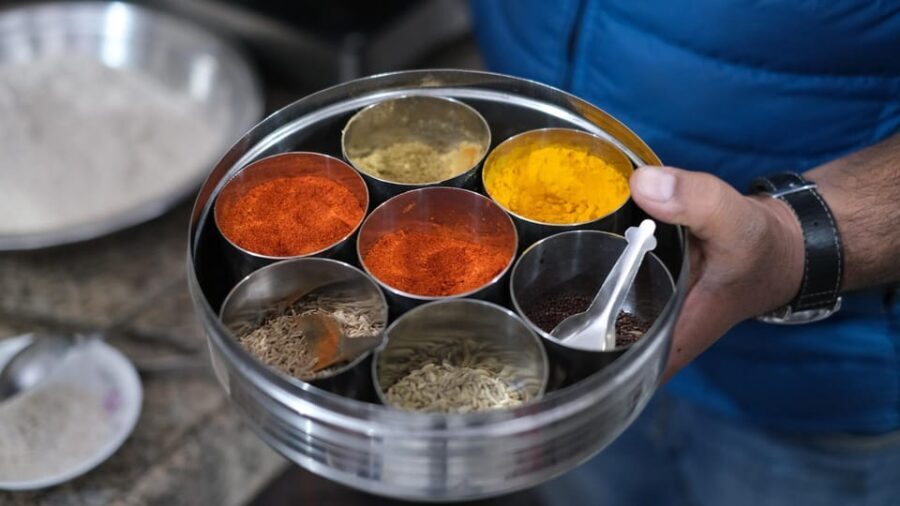
Next up is the curry. You’ll make a vegetable curry with guidance from the family. The hosts focus on method: how you treat aromatics and spices, when you add them, and how you balance richness with brightness.
Vegetable curries in North India aren’t just “vegetables in sauce.” They usually depend on two things:
- A spice base that smells layered, not flat
- A simmer that brings everything together without turning it watery
Even if the exact vegetables change with the season, the cooking lessons are transferable. You learn how to steer the curry toward your preferred thickness and how the seasoning should taste before serving. It’s also where you’ll notice the difference between home-style cooking and restaurant food. Home food often tastes a little more “balanced and friendly,” because the cook is aiming for a family meal, not a one-night show.
You can also read our reviews of more tours and experiences in Jaipur



The Meal: Welcome Drinks, Traditional Drinks, Dessert, and Family Stories
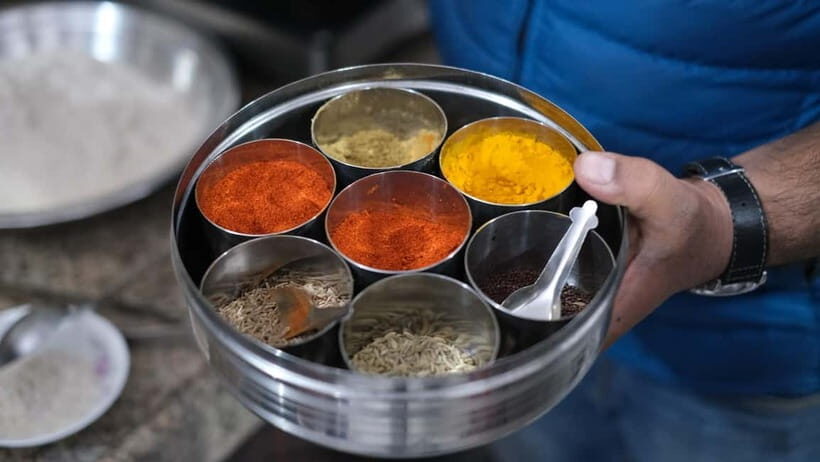
Cooking is only half the fun. The other half is eating the meal you made, together with the family. You’ll start with a welcome drink, then during the meal you’re served traditional Indian food and drinks.
A traditional dessert is included, so the evening has a full arc: you cook, you eat, you relax, then you finish sweet. That ending matters. Many cooking classes stop right after plating. Here, the hosts keep it meal-shaped, not class-shaped.
Conversation is also a big part of the experience. You’ll have time to talk about cooking styles and daily life, and you’ll learn about their older family recipes and how they think about food. If you like cultural details, this is the kind of evening that turns into a memory you’ll still be talking about days later.
And yes, Gina may add playful moments during the experience. Think of it as the human touch that makes a home kitchen feel like a home.
E-Recipes After Class: Turning Skills Into Meals at Home
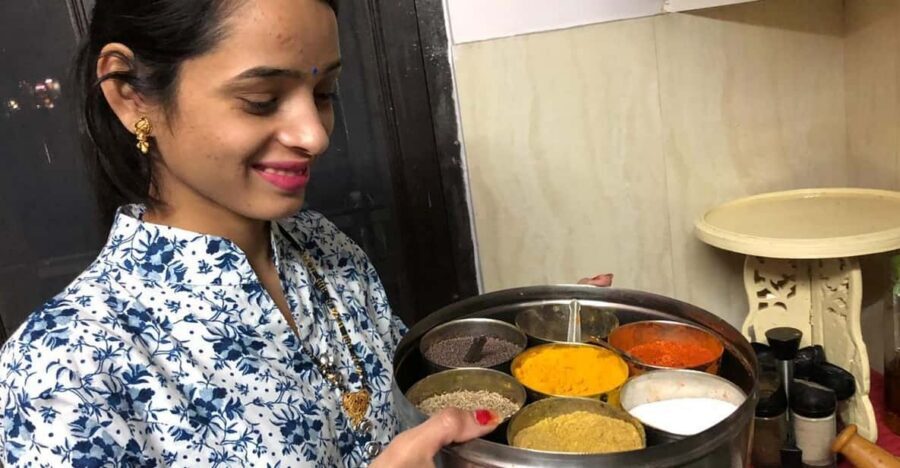
You get e-recipes of all cooked dishes. That’s a big deal if you want to recreate the results later, because Indian cooking often depends on feel—taste, thickness, aroma—things that are hard to capture with a vague ingredient list.
With the digital recipes, you can re-check spice quantities and steps while you cook at home. More importantly, you’ll remember what “good” tastes like, because you experienced it in the same session you learned the method.
If you’ve cooked Indian food before, you may still appreciate this. You’re not just getting recipes; you’re getting a cleaner mental model for why things work.
Price and Value: What $24 Buys You in a Jaipur Home
At around $24 per person for 2.5 to 3 hours, this is strong value when you compare it to the cost of a good meal plus a separate paid activity. You’re paying for instruction, ingredients, and the hospitality of a full home dinner.
The big value win is that you’re not cooking alone. You’re learning from Harshita and Monty, with English instruction, and you’re getting personalized attention as you roll chapatis and cook your curry. That’s the part that’s expensive when it’s not included.
Also, small-group or private options are available. If you want a calmer pace or more Q&A time, a private session can be worth it, especially if you’re traveling as a couple or you have dietary needs you want handled carefully.
Who Should Book This Class (and Who Should Skip It)
This works best if you:
- Want a real home meal, not a staged demo
- Like practical kitchen skills you can repeat
- Prefer North Indian flavors and are curious about spices and technique
- Enjoy conversation as much as cooking
It may not be the best fit if you:
- Need wheelchair access. The space uses stairs to the first floor (F-2).
- Can’t do a home environment with house rules. Pets aren’t allowed, and smoking is not allowed on the property (smoking is allowed on the balcony).
- Have food allergies. If you do, you should inform them about any allergies or intolerances before you go so they can adapt as needed.
If you’re traveling solo, this can still feel comfortable because it’s designed for small groups and interactive cooking. If you’re traveling with friends, private or small-group formats help keep the experience from feeling rushed.
Practical Tips Before You Go
- Bring your appetite. You’ll cook, then you’ll eat what you make.
- Plan for stairs (F-2). Arrive ready to use them.
- If you have allergies or intolerances, tell the team in advance.
- Wear something you don’t mind getting a little flour-friendly. Chapati dough has a way of becoming part of your outfit story.
- If you want pickup, consider using it to reduce stress on timing.
Should You Book This Jaipur Cooking Class?
I think you should book it if you’re after a Jaipur experience that’s genuinely interactive, food-focused, and personal. For the price, it’s hard to beat the combination of in-home instruction, hands-on chapati and curry time, and a full meal with drinks and dessert.
Skip it if you can’t handle stairs, or if you prefer a more detached, classroom style. This is a home kitchen, run by a family, and that closeness is exactly what makes it special.
If your goal is to leave Jaipur with skills you can use at home, and not just photos, this is a smart bet.
FAQ
How long is the Jaipur interactive cooking class?
The class lasts about 2.5 to 3 hours.
What does the class cost?
It costs $24 per person.
Where does the cooking class take place?
It’s in Jaipur, within a local home setting in Rajasthan.
What will I be able to cook hands-on?
You’ll make round chapatis and a vegetable curry by yourself, with instruction. Depending on the session, you may also cook other North Indian dishes like paratha styles, side dishes, fried rice, and desserts.
Do I eat during the experience?
Yes. You’ll enjoy the meal you cook with the local family, and the experience includes a traditional drink and dessert.
Are e-recipes included?
Yes. You’ll receive e-recipes for all the dishes you cook.
Is transport included, and is pickup available?
Transportation to and from the activity isn’t included, but pickup is optional. You can request pickup, and the driver meets you in your hotel lobby or another chosen location within Jaipur.
Is the instructor available in English?
Yes. The instructor speaks English.
Is it suitable for wheelchair users, and are there rules about pets and smoking?
It isn’t suitable for wheelchair users, and you use stairs to the first floor (F-2). Pets aren’t allowed, and smoking is allowed on the balcony only (not generally on the property).