REVIEW · NEW DELHI
Taj Mahal Tour from Delhi by Express Train (Viator Award Winner)
Book on Viator →Operated by Amin Tours · Bookable on Viator
Taj Mahal day trips can feel chaotic. This one is designed to keep things tight: you leave Delhi early, ride the express train to Agra for great views, and come back the same day with private guiding and round-trip transfers handled for you.
I really like two things here. First, you get a personal guide who meets you at the train and walks you through the Taj and Agra stops so you’re not stuck figuring it out on your own. Second, the day is structured around less rushing and more seeing, including a Taj visit plus stops at Agra Fort and Itmad-ud-Daulah.
One thing to consider: the Taj Mahal can be extra strict about entry rules, and it’s closed on Fridays, so check your dates. Also, station waits are part of the real India experience, so if you hate delays, bring patience (and a snack plan).
In This Review
- Key Things I’d Bet On Before You Go
- Why This Delhi-to-Agra Train Day Works So Well
- A 7:00 AM Start You’ll Actually Be Glad For
- Getting to Nizamuddin Station Without the Puzzle
- Agra Arrival: Your Guide Finds You, Not the Other Way Around
- Inside the Taj Mahal: How Private Time Changes Everything
- Agra Fort and Courtyard Break: Context Plus Breather
- The Baby Taj Stop: Itmad-ud-Daulah’s Quiet Pull
- Train Back to Delhi: What “Relax” Really Means
- Price and Value: Why $75 Feels Fair (When You Use It Right)
- Who This Tour Suits Best
- Quick Booking Checklist for a Smooth Taj Day
- Should You Book This Taj Mahal Tour from Delhi by Express Train?
- FAQ
- What time is pickup in Delhi?
- How long is the day trip?
- Is the Taj Mahal included, and is it open every day?
- What’s included in the price?
- Do I need a photo ID?
- What happens if train tickets are unavailable?
Key Things I’d Bet On Before You Go

- Express train plus reserved help: getting seated and finding your coach is part of the service, not an afterthought.
- Named guide meeting: your guide greets you outside the coach holding a sign with your name.
- Taj Mahal focus with private time: this tour isn’t built around “quick photo and run.”
- Agra Fort and Itmad-ud-Daulah are included: you see more than just the main event.
- Lunch is a real pause: you get time to eat and reset rather than squeezing food between monuments.
- Guides vary by assignment: many guide names show up in the experience quality, and you’ll want someone who can steer you through crowds smoothly.
Why This Delhi-to-Agra Train Day Works So Well
The biggest value of this trip is simple: you trade DIY stress for a clear rhythm. Instead of worrying about train tickets, local transport, monument entry timing, and who meets you where, you get a team that moves with you from Delhi out to Agra and back.
I also like that it’s built for the Taj Mahal, not just a box-check. The plan gives you a guided visit to the mausoleum as the main event, then adds other Mughal-era sights so your day feels complete. Agra Fort and Itmad-ud-Daulah add context, and they help you understand what the Taj is doing aesthetically and historically.
The private setup matters too. Your group is the only group doing the tour, so you’re not sharing a guide’s time with strangers who want a different pace or only care about one photo angle. That shows up in the way people talk about guides like Nasir, Nadeem, Aman/Amaan, Faisal, and Arham—stories repeat about calm control in crowd-heavy zones.
You can also read our reviews of more tours and experiences in New Delhi.



A 7:00 AM Start You’ll Actually Be Glad For
This starts at 7:00 AM. Early is not just for the schedule; it’s for comfort and light. The Taj Mahal is one of those places where crowds can build fast, and morning helps you see it with less fighting for space.
Pickup is flexible across Delhi NCR and includes airport pickup if you’re arriving in the region. That means you can start from a hotel in Delhi, Noida, Gurugram, Ghaziabad, or Faridabad, or get picked up from the airport areas in Delhi.
What you’re really buying with the early start is time control. The day is long on paper (about 12 hours), but it’s paced: you’re not constantly waiting, you’re constantly moving with helpers. The train connection is timed, and you get guidance on where to go next—especially useful if you’re navigating busy stations for the first time in India.
Getting to Nizamuddin Station Without the Puzzle

The first leg is the transfer from your pickup spot in Delhi to Nizamuddin Railway Station. A driver helps you get to where you need to be and handles the part that usually eats time: finding your train coach and getting you seated comfortably.
Once you’re on board, the service includes breakfast and supper as part of the train experience, plus bottled mineral water during the journey. It’s a small detail, but it makes a big difference on a long day where you don’t want to spend mental energy hunting for food.
One practical note from real-world experience: station facilities can be rough. If you’re tempted to rely on station toilets during any waits, plan for it not to be a great option. You’ll likely do better with a “save it for later” mindset and keep water and snacks timed rather than emergency-timed.
Agra Arrival: Your Guide Finds You, Not the Other Way Around

When your train arrives in Agra, the flow becomes much simpler. Your guide meets you outside the coach holding a sign with your name. That’s a big deal in India, where stations can feel like a maze. It cuts out the awkward moment of wandering around trying to match faces and names.
From there, you go straight into sightseeing mode. The schedule gives you time at the Taj Mahal first, then continues with Agra Fort, then a lunch break, and then Itmad-ud-Daulah.
This is also where a good guide earns their fee. Multiple guide stories focus on steering people through crowd pressure and helping them understand the flow rules of the Taj grounds. Names that come up again and again include Nasir and Nadeem, plus Aman/Amaan and Vishal Garg, with praise for handling busy timing and making sure you see the key parts without getting swallowed by the mess.
Inside the Taj Mahal: How Private Time Changes Everything
The Taj Mahal visit is the center of the day. You’ll tour the UNESCO-listed mausoleum with a private local professional guide, and you’ll hear the story behind it as you walk the grounds.
Here’s what’s practical about that: the Taj can look “simple” at first glance—white marble, big dome, classic symmetry—but the experience is in the details. A guide can point out why certain views are framed the way they are, how the building’s design connects to Mughal aesthetics, and what you should notice as the light shifts.
Crowd management matters, and private guiding helps. People repeatedly mention guides who handle busy periods with calm, like Nasir, Nadeem, and Amaan. The goal is not just to get you inside; it’s to get you there with enough awareness to make photos and walkways feel doable.
Two timing tips if you want good results:
- Keep your eyes up for the main composition, but don’t ignore the smaller architectural lines a guide calls out.
- If you’re photo-averse, know that photographers around the Taj can make things feel commercial. If you don’t want wedding-style picture pitches, just stay focused on your own pace and keep your guide close.



Agra Fort and Courtyard Break: Context Plus Breather
After the Taj, you move to Agra Fort, a massive red stone complex tied to Emperor Akbar. This stop adds a different mood: the Taj is about white marble romance, while Agra Fort is about power, fortification, and Mughal-era scale.
Then there’s a lunch break in the middle of the sightseeing loop. The plan includes time to eat local food with restaurant recommendations from your guide. In some cases, the lunch spot may end up being a local option your guide likes for the day rather than the exact one named in the schedule. Either way, the point is that you get a proper reset instead of skipping food.
I also like that this day acknowledges heat and walking. The itinerary is long, but it’s not only monuments back-to-back. You’re given breathing space so you can enjoy the later stop at Itmad-ud-Daulah instead of running on exhaustion.
The Baby Taj Stop: Itmad-ud-Daulah’s Quiet Pull
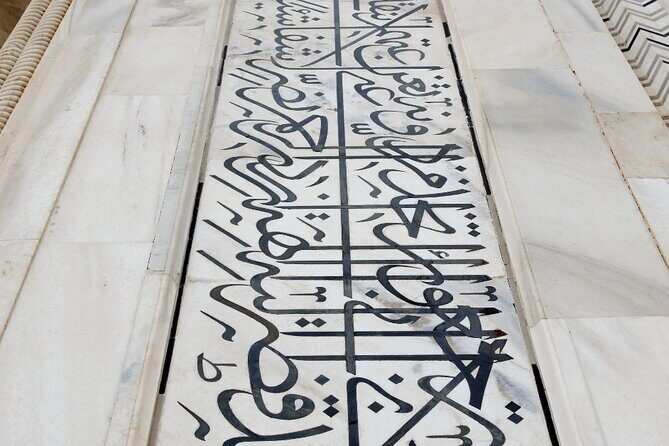
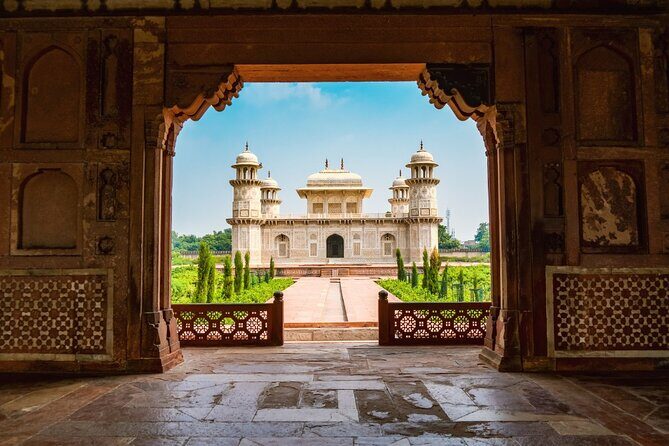
Next up is Itmad-ud-Daulah, often described as the Baby Taj. This tomb is sometimes seen as a precursor to the Taj Mahal, and it’s a smart inclusion because it lets you see how the Mughal look evolved.
In a typical tourist day, people go from Taj Mahal awe straight to leaving town. This tour slows down your understanding. You get a second mausoleum-style stop with its own feel—less of the big landmark moment and more of the detailed architecture and ornamental thinking.
If you like photography, this is often where you can breathe. The building’s design invites you to step back and study, then step forward for close details—especially when your guide keeps the pace steady and helps you avoid getting stuck in the densest crowd pockets.
Train Back to Delhi: What “Relax” Really Means
The return leg takes you back from Agra to Nizamuddin Railway Station, and the driver meets you at the platform outside your coach when you arrive in Delhi NCR. You’ll also have assistance finding your seat on the train, which matters if your group includes anyone who dislikes station navigation.
The day ends with the driver escorting you back to your hotel or to the airport area. That’s the kind of tidy finish that keeps the trip feeling like a “service,” not just a day of checklists.
Also: yes, the day is long. It helps that the train includes meals and water, and you’re not spending the return worrying about transport. You’ll still deal with real India timing and station waits, but the plan gives you enough connection buffer that it doesn’t turn into a panic sprint.
Price and Value: Why $75 Feels Fair (When You Use It Right)
At $75 per person, the pricing makes sense because it bundles a lot of expensive headaches:
- round-trip express train fare in an air-conditioned coach
- pickup and drop-off between your Delhi location and the station
- private air-conditioned car sightseeing in Agra
- private local guides for the monument visits
- monument tickets included when the All Inclusive option is chosen
- meals on the train (and meals/tickets may be bundled depending on the option)
The part that can trip people up is what option you choose. If you go with the All Inclusive approach, the monument tickets are included; if you don’t, you should be ready for separate ticket handling. Either way, you’ll still get guided touring, transport, and the main structure of the day.
Not included: tips and gratuities. That’s pretty standard, but factor it in so you don’t end up short at the end of a long day.
One more value check: you’re not just paying for “getting to Agra.” You’re paying for someone to manage meeting points, keep you moving between stops, and handle the human-side chaos around busy monuments and stations. That’s the stuff you can’t easily DIY without local stress.
Who This Tour Suits Best
This fits best if you want:
- a one-day Agra trip without DIY logistics
- guided Taj Mahal time that doesn’t feel rushed
- extra stops like Agra Fort and Itmad-ud-Daulah instead of only one monument
- help handling busy stations and crowded gates
It’s also a good choice if you’re traveling solo or with family and want safety and structure. People mention feeling safe with the way guides and drivers support the day, including patience for older travelers and help when mobility is limited.
If you hate long days, this may feel like a lot. About 12 hours total means you’ll be on your feet and in motion. But if you’re here for the Taj Mahal, it’s one of the most practical ways to do it in the time most visitors have.
Quick Booking Checklist for a Smooth Taj Day
Before you go, keep these in mind:
- Bring a valid photo ID for train and monument entry checks.
- Remember the Taj Mahal is closed on Fridays.
- If you can choose, consider your train class based on comfort needs; there’s also an option to upgrade to first class when available.
- If your group is larger, the car changes with group size (sedan for 1–2 people, wagon/van for larger groups).
And pack smart for the day: comfortable shoes, a light layer, and a small snack buffer for the moments when waiting happens.
Should You Book This Taj Mahal Tour from Delhi by Express Train?
Yes, if you want a structured day with a private guide, easy transfers, and a strong chance of actually seeing the Taj Mahal without wasting your energy on logistics. The best reason to book is the human hand-holding: you get seated help at the station, a guide who finds you at arrival, and a planned route that covers more than just the headline monument.
Skip it or reconsider if you’re only interested in the Taj Mahal and nothing else, or if you strongly prefer total freedom with no set schedule. This is a guided, timed experience. Even with buffers, it still runs on train and city realities.
If you’re aiming for the sweet spot—comfort, control, and high-value sightseeing in one day—this is a solid pick.
FAQ
What time is pickup in Delhi?
Pickup starts at 7:00 AM from your hotel in Delhi NCR or from the airport in Delhi, Noida, Gurugram, Ghaziabad, or Faridabad.
How long is the day trip?
The tour runs for about 12 hours (approx.).
Is the Taj Mahal included, and is it open every day?
The tour includes a guided visit to the Taj Mahal. The Taj Mahal is closed on Fridays.
What’s included in the price?
The price includes round-trip air-conditioned train fare, station transfers, onboard breakfast and supper (if you select the included meal option), bottled mineral water, private guides for sightseeing in Agra, and monument tickets are included if you choose the All Inclusive option.
Do I need a photo ID?
Yes. You should carry a valid photo ID for checking in on the train and at the monuments.
What happens if train tickets are unavailable?
If train tickets aren’t available, you’ll be notified and provided with a private car and driver, with a refund for the balance.