REVIEW · NEW DELHI
Delhi Full Day Including Old and New Delhi Private Tour
Book on Viator →Operated by Delhi Tour Guide · Bookable on Viator
Delhi hits you fast. This tour helps you steer it. In one full day you’ll cover the power places of Old Delhi and New Delhi with a guide who keeps the story clear as you move, plus door-to-door pickup in an air-conditioned vehicle. The route is built for not getting lost in a city where neighborhoods can feel worlds apart.
What I especially like is the practical setup: hotel-area pickup and drop-off means you don’t waste your morning figuring out transport. I also like the mix of experiences—big monuments, a major mosque stop, and a spice-market moment—so your day doesn’t feel like a checklist.
One thing to consider: several major sights have admission fees that may not be included unless you choose the all-inclusive option. You’ll want to plan for that so the day stays smooth instead of turning into surprise payments at the gate.
In This Review
- Key Highlights Worth Your Time
- Why This One-Day Old + New Delhi Route Makes Sense
- Pickup Windows and Car Choices (So You Don’t Start the Day Rushing)
- Old Delhi Start: Sunheri Masjid and a Tuk-Tuk Through the Bazaars
- Jama Masjid: The Courtyard That Forces You to Slow Down
- Chandni Chowk Spice Market: Smell First, Then Ask Questions
- Red Fort and the Mughal Power Center Mood
- Raj Ghat: A Quiet Optional Stop for Gandhi’s Memory
- India Gate, Plus Parliament and President’s House Photo Time
- Humayun’s Tomb: UNESCO, Garden-Style Architecture, and a Real Sense of Place
- Qutub Minar: Towering Scale at the Qutub Complex
- Lotus Temple (and the Monday Swap to Gurudwara Bangla Sahib)
- Lunch, Entrance Fees, and What You’re Actually Paying For
- How to Prepare So the Day Feels Like Sightseeing, Not Stress
- Who This Tour Fits Best (And Who Might Skip It)
- Should You Book This Delhi Full Day Tour?
Key Highlights Worth Your Time
- Private, door-to-door pickup with an air-conditioned car sized to your group
- Tuk-tuk ride that gives you a fast, local-feeling pass through Old Delhi bazaars
- Jama Masjid + Chandni Chowk pairing, so you get both the landmark and the spice-lane experience
- India Gate photo time plus drive-bys of Parliament House and the President’s House
- UNESCO hits at Humayun’s Tomb and Qutub Minar in a single day
- Lotus Temple timing note with a Monday swap to Gurudwara Bangla Sahib
Why This One-Day Old + New Delhi Route Makes Sense
Delhi is huge, and trying to “do everything” on your own usually turns into long taxi rides, wrong turns, and missed opening times. This is the opposite approach. You start in Old Delhi, then swing into New Delhi landmarks once your bearings are set. The big win is that your guide handles the logic of the day, so you can focus on what you’re actually seeing.
You’ll also get the benefit of having someone explain context while you’re standing right there. When you hear why Jama Masjid was built the way it was, it changes how you notice the courtyard and the scale. Same idea at Humayun’s Tomb, where the “garden tomb” style makes more sense once it’s placed in the story of Mughal Delhi.
Still, keep your expectations realistic: it’s an 8-hour day with multiple stops. You’ll get time to walk, but you won’t have a slow, linger-all-afternoon pace at every site.
You can also read our reviews of more private tours in New Delhi



Pickup Windows and Car Choices (So You Don’t Start the Day Rushing)
Your pickup works on a simple window: you can choose a time between 8:00 AM and 10:00 AM, with pickup available from Delhi, Noida, Gurugram, Ghaziabad, and Faridabad. That flexibility matters because Delhi traffic can be chaotic, and a later start can still keep you on schedule.
The vehicle you get is based on group size:
- 1–2 people: sedan car
- 3 people: sedan car
- 1–4 people: mid SUV
- 1–5 to up to 11 people: mini van
What you should care about: you’re in an air-conditioned car between stops. That sounds basic, but it makes a big difference on a hot day, especially when you’re stepping in and out of shade for monuments.
Also, the tour is private, meaning it’s only your group. That typically translates into less waiting around for other schedules and more control over your pace—helpful when you want photos, a few extra minutes walking, or slightly slower market time.
Old Delhi Start: Sunheri Masjid and a Tuk-Tuk Through the Bazaars
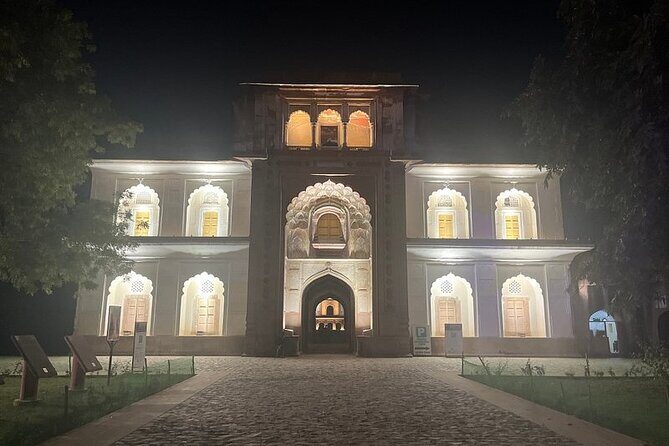
The day kicks off in Old Delhi with a meeting point at Sunheri Masjid. Then you move to a tuk-tuk ride that takes you past colorful Old Delhi bazaars while your guide explains what role they play in daily life.
This early section is smart because it gives you something “alive” right away. Instead of only seeing buildings, you get a sense of the working city—where markets aren’t just for tourists, they’re for locals who return day after day. Even the drive-by rhythm matters: it shows how streets connect and why certain areas feel crowded in a way that’s actually functional.
Practical tip: Old Delhi streets can be tight. Your time in the tuk-tuk helps you cover ground without the full strain of walking through every lane immediately.
Jama Masjid: The Courtyard That Forces You to Slow Down
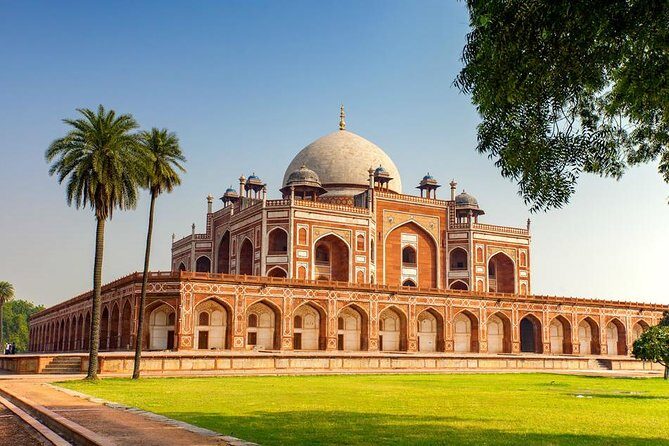
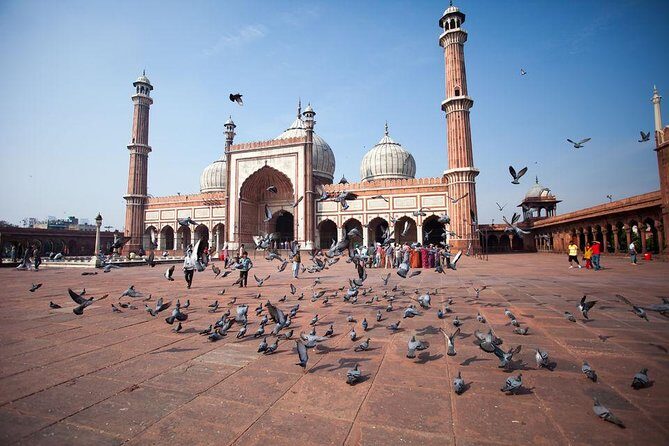
Next stop is Jama Masjid, described as India’s largest mosque. You’ll spend about an hour walking around the red sandstone courtyard. The mosque was built in 1656, with help from 5000 workers, and that kind of effort shows in the scale and design.
What makes this stop work in a guided format is that you’re not just looking at architecture—you’re learning how it’s used and why the courtyard is such a central space. It’s one of those sights where photos are easy, but understanding what you’re seeing takes a guide.
Note on value: admission is listed as not included, so if you’re doing the budget version, plan your time and money accordingly at the gate.
Chandni Chowk Spice Market: Smell First, Then Ask Questions
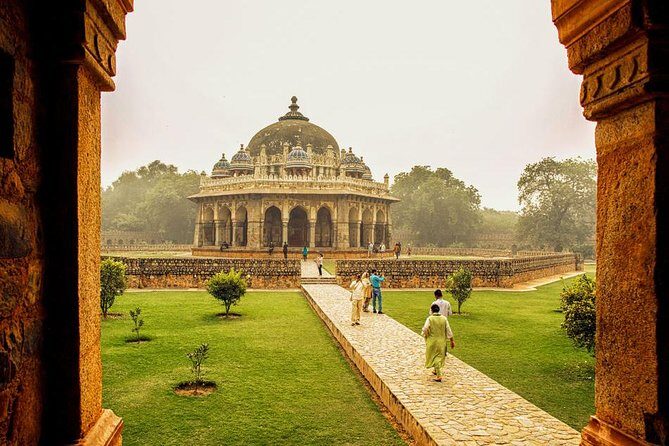
After Jama Masjid, you head to the famous market area around Chandni Chowk, focusing on spices. This is the part of the tour where your senses do the work.
You’ll get time in the spice market so you can see the goods up close and learn some interesting facts about common spices and how they’re used. What I like about this stop is that it’s not just shopping time. It’s structured with a guide explanation so you don’t wander aimlessly.
Consideration: markets can be crowded. If you prefer quieter sightseeing, keep your movements simple—pick a few products to ask about, take your photos, and let your guide steer you away from the densest lines.
You can also read our reviews of more tours and experiences in New Delhi






Red Fort and the Mughal Power Center Mood
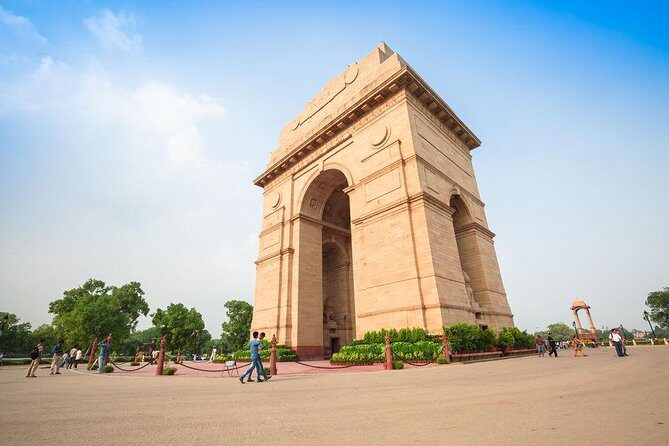
The tour then moves you toward Red Fort, built by Shah Jahan between 1639–1648. It served as the main Mughal residence, and the architecture reflects Indo-Islamic and Mughal styles.
Even if you don’t go deep inside during this day, the outside scale and setting help you understand why Red Fort is such a symbol of Mughal authority. And having it placed after Old Delhi mosque and market stops creates a smooth storyline: religion, daily commerce, then state power.
Small reality check: the itinerary text doesn’t spell out a guaranteed long walk inside Red Fort. So treat this as a guided sightseeing moment in the fort’s orbit rather than a full “museum-style” visit.
Raj Ghat: A Quiet Optional Stop for Gandhi’s Memory

There’s also an optional stop at Raj Ghat, a memorial dedicated to Mahatma Gandhi in Delhi. It’s described as originally being the name of a historic ghat in Old Delhi, and it also ties into the idea of walled-city gates nearby.
Why this is worth keeping on your radar: it gives your day a calmer pause after the intensity of Old Delhi streets and big forts. If you want the emotional, reflective side of Delhi history, take the option.
You’ll likely spend around 30 minutes, and admission is listed as not included.
India Gate, Plus Parliament and President’s House Photo Time
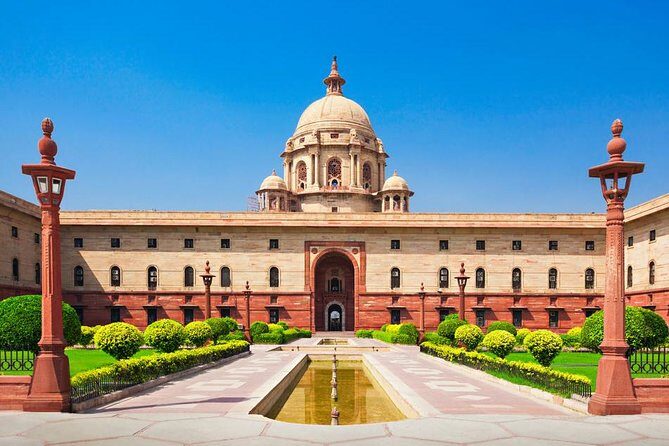
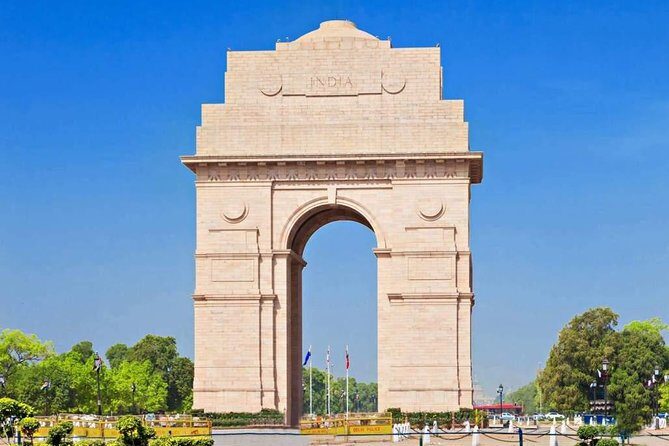
Once the day reaches New Delhi, you hit India Gate, built in 1921 as the Tomb of the Unknown Soldier. Names of 13,300 Indian army servicemen who died during the First World War are carved on the wall.
You’ll have about 30 minutes here. That’s enough time to walk the area, take photos, and read the carved names if you want to. Then you’ll drive past Parliament House for pictures and continue to President’s House for another photo moment.
What I like about this approach is that you get iconic landmarks without turning the whole day into bus-window sightseeing. It’s structured: one solid stop where you can step out, then quick photo drives for the bigger government buildings.
Humayun’s Tomb: UNESCO, Garden-Style Architecture, and a Real Sense of Place
Next is Humayun’s Tomb, a UNESCO World Heritage Site and described as the first garden tomb of India. You’ll have about one hour.
This stop works best when you understand why it’s called a garden tomb. Instead of thinking only of a grave monument, you start noticing how the design creates a sense of symmetry and order—like the garden is part of the memorial experience. The tour description also highlights that it was built by Humayun’s wife after his death, which helps you connect architecture to personal grief and political symbolism at the same time.
Admission is listed as not included, so check what option you choose for the overall package if you want to avoid extra payments.
Qutub Minar: Towering Scale at the Qutub Complex
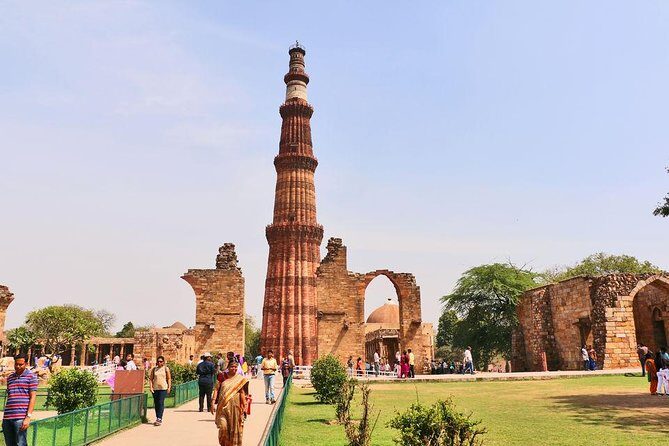
Then you go to Qutub Minar, listed as the tallest minaret built in 1192. It’s part of the UNESCO Qutub complex. You’ll spend about one hour here.
Qutub Minar is one of those places where height isn’t just impressive—it’s disorienting in a good way. It changes how you measure distance in the area because you keep looking up. A guide makes this easier by explaining what you’re looking at and how the complex fits together.
Like Humayun’s Tomb, admission is not included in the base listing, so budget accordingly unless you chose the all-inclusive option.
Lotus Temple (and the Monday Swap to Gurudwara Bangla Sahib)
The final monument stop is Lotus Temple, a Bahá’í House of Worship dedicated in December 1986. It’s known for its flower-like shape and has become a major attraction in Delhi. You’ll have about one hour.
But here’s an important practical detail: Lotus Temple is closed on Monday. On Mondays, the tour notes that they’ll show Gurudwara Bangla Sahib instead.
So if you’re traveling on a Monday, don’t worry about missing the lotus—just adjust your mental image of how the day will end. The experience shifts from Bahá’í architecture to a Sikh gurdwara stop, but it still gives you a strong “faith and architecture” finale.
Admission is listed as not included, and this is another place where choosing the all-inclusive option could reduce the number of on-the-spot payments.
Lunch, Entrance Fees, and What You’re Actually Paying For
Price for this private day is $55.00 per person, for about 8 hours. On its face, that may sound like a budget deal. The value is in what’s included: private air-conditioned car, bottled water, hotel pick up/drop off, and a private tour guide.
The big “watch the fine print” area is the admissions and lunch. The inclusions list says monument entrances fees and lunch are included only if the all-inclusive option is selected.
Here’s how I’d think about it:
- If you choose all-inclusive, you’re paying to remove surprises and keep the day calmer.
- If you don’t, you’ll likely need to cover site entry fees yourself at several major stops.
Gratuities are listed as optional, which is typical. Just remember: a guide can make a huge difference in a fast-moving city like Delhi, especially with Old Delhi navigation and mosque context.
How to Prepare So the Day Feels Like Sightseeing, Not Stress
You’re covering several major sites, some of them walk-around courtyards, some more exterior-focused. That means you should prepare like you’re doing a full city day, not a single monument visit.
My simple advice:
- Wear comfortable walking shoes. Old Delhi areas can involve uneven pavement and lots of short movements.
- Bring water habits in mind. Bottled water is included, so use it, but don’t plan to drink only at long breaks.
- Keep your phone camera charged. You’ll have photo time at India Gate, plus drives past Parliament House and President’s House.
Also, decide early how you want to handle the optional Raj Ghat stop. If you want it, make sure you’re ready for a quieter pacing moment.
Who This Tour Fits Best (And Who Might Skip It)
This tour is a strong match if you:
- Have one day and want both Old Delhi and New Delhi highlights
- Prefer the ease of private transport over figuring out routes yourself
- Want a guide to explain what you’re seeing at major landmarks
It can also be a good fit for first-time Delhi visits because the day includes a smart progression: markets and mosque in Old Delhi, then major state and UNESCO-style monuments in New Delhi.
You might consider something else if you:
- Hate timed schedules and prefer long stays at fewer places
- Want fully included admission everywhere without any extra planning (you’ll want the all-inclusive option)
- Travel with expectations of a slow, museum-depth experience at every stop
Should You Book This Delhi Full Day Tour?
If you want a day that makes sense—without the mental load of routing and timing—yes, this is the kind of tour that works. The combination of private guide, air-conditioned door-to-door transport, and a hit list that spans Old Delhi marketplaces through UNESCO monuments is a practical way to get real Delhi in one go.
The decision point for most people is admissions and lunch. If you choose the all-inclusive option, you’ll likely feel more relaxed because you won’t be tracking which sites cost extra. If you don’t, just budget ahead.
One more plus: the guide factor seems to be where this experience shines. People have highlighted guides like Moin Khan, Sadanand, Jyothsna (Jiytshana), Rani Mishra, Ranu, Amar, Tarun, and Rajesh for clear explanations and helpful pacing—exactly what you want when your day is packed.
If your goal is a well-run, guided “best of” day with real local texture, book it and focus on the monuments and markets. Delhi is too much to do on hard mode.