REVIEW · VARANASI
Music art’s and culture
Book on Viator →Operated by Third eye your Indian friend · Bookable on Viator
Music makes Varanasi make sense. This private 3 to 6 hour experience blends devotion and art so you don’t just see the city—you hear how people live their beliefs. Your guide, Ravi, keeps the pacing calm and can adjust to what you’re most curious about.
I love the hands-on music time. At Baba the School of Music, you can look at a big range of instruments and then try as many as you want, turning the usual tourist photo stop into something personal and memorable.
I also like that the tour doesn’t shy away from the full emotional range of Varanasi, including a visit to the crematoria area. It’s meaningful, but it can feel heavy, so it’s not the best fit if you want a purely upbeat afternoon.
In This Review
- Key Moments That Make This Tour Worth It
- Music and Spiritual Life of Varanasi: What You’re Really Experiencing
- The Best Part: A Private Route With Ravi’s Personal Touch
- Stop 1: Baba the School of Music and the Real-World Instrument Wall
- Stop 2: Ganga Aarti With Kirtan and Bhajan Devotion
- Stop 3: Banaras Ghats Music Shows and the Many Styles in One Area
- Stop 4: Music Studio Time, Recording, and Possible 1:1 Learning
- The Extra Cultural Activities: When Varanasi Keeps Speaking
- The Crematoria Stop: What It Means, and How to Handle It
- Coffee and Small Comforts: Included, But Don’t Overplan
- Price and Value: Why $29 Can Actually Make Sense
- Practical Tips: Making the Day Feel Smooth
- Who Should Book This Tour
- Should You Book This Music-and-Culture Experience?
- FAQ
- How long is the tour?
- Is this a private tour?
- What is included in the price?
- Is pickup offered?
- Does the tour include Ganga Aarti?
- Is there any music instrument time?
- What kinds of music might I hear?
- Is the tour affected by weather?
- Is it okay for me if I don’t want the crematoria stop?
- Is there free cancellation?
Key Moments That Make This Tour Worth It
- Instrument tryouts at Baba the School of Music so you can touch and play, not just watch
- Ganga Aarti devotional music featuring kirtan and bhajan rhythms tied to the river
- Banaras ghats performances where Indian classical, folk, and wedding music can be part of your route
- A deeper music lesson option, including time with the music studio and the chance for 1:1 learning like tabla
- A cultural reality check with a respectful look at the cremation process and the daily rhythm of the city
Music and Spiritual Life of Varanasi: What You’re Really Experiencing
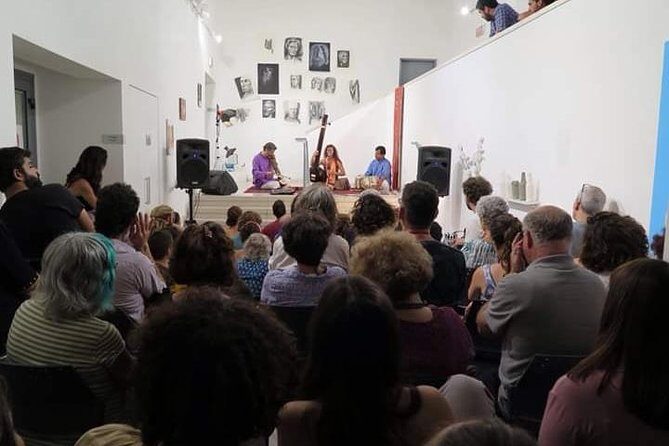
Varanasi is one of those places where music isn’t just entertainment. It’s a way of praying, teaching, healing, and connecting. This tour helps you understand that by building your afternoon around sound: classical instruments, devotional singing, and the street-level music that follows people through the city.
If you like travel that feels honest, you’ll appreciate how the day moves from studio-style learning to public devotion on the ghats. You get context as you go, so the music isn’t floating in the air without meaning. It’s also a nice format if you’re short on time but want more than one quick “see and leave” stop.
You can also read our reviews of more tours and experiences in Varanasi.

The Best Part: A Private Route With Ravi’s Personal Touch
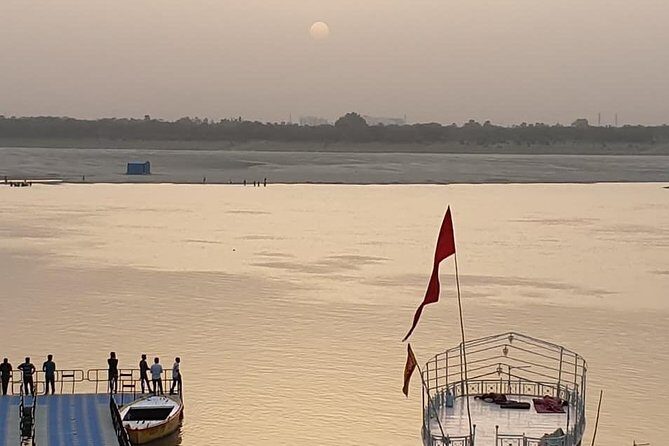
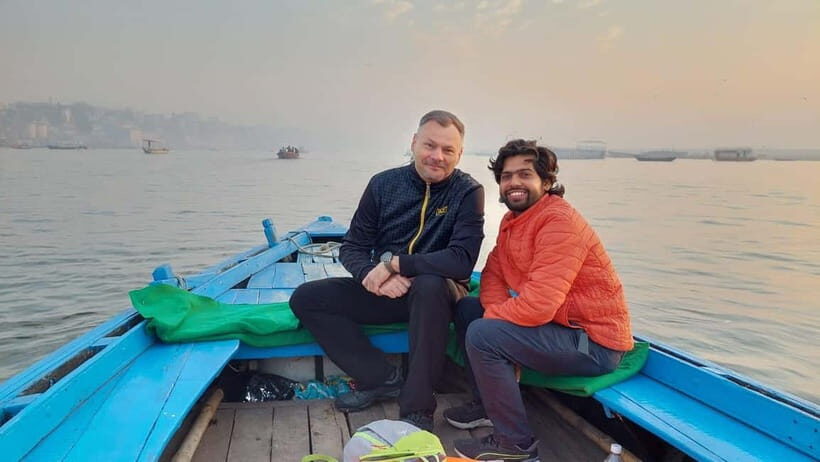
This is a private tour, meaning it’s just you and your group. That matters in Varanasi, where crowds and noise can make a shared group schedule feel stressful. Having your own pace helps you ask questions and slow down when something catches your ear.
Ravi’s approach stood out in a real way: he’s local, he can answer questions on the spot, and he adapts the experience to your interests. In one standout example, a guest got a studio look and even a 1:1 tabla class at the end. Even if you’re not hunting for a lesson, this flexibility is what turns the tour from a checklist into an actual experience.
Stop 1: Baba the School of Music and the Real-World Instrument Wall
This is where the tour turns from sightseeing into participation. You’ll spend about an hour at Baba the School of Music, and admission is included. The focus is simple: you can see instruments up close and learn what they are, then try many of them yourself.
What makes this stop valuable is the way it gives your brain something to anchor to. Instead of hearing terms like Indian classical, folk, devotional, or spiritual music with no context, you start connecting the sounds to the instruments and techniques you can actually put your hands on.
What you’ll likely enjoy most
- Seeing how different instruments look and feel in person
- Trying multiple instruments so you can notice what sounds right to you
A consideration
If you’re expecting a quiet, museum-style visit, this won’t feel like that. Music schools have energy. And if you’re sensitive to noise, you’ll want to pace yourself and take breaks when you need them.
Stop 2: Ganga Aarti With Kirtan and Bhajan Devotion

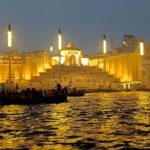
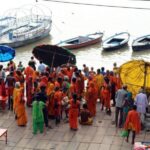
Next comes Ganga Aarti, also about an hour, with admission included. This part of the tour centers on religious music along the river—kirtan and bhajana, with devotional singing that carries a strong sense of rhythm and community.
This is the stop where you’ll likely feel the contrast most. In the school, you’re learning through instruments and touch. On the ghats, the music is bigger than one person. It becomes collective attention: voices, timing, and the river’s presence all working together.
What to listen for
- The call-and-response feel common in kirtan
- How bhajan style devotion can be steady and trance-like
A consideration
Aarti happens outdoors and can be affected by conditions. The experience requires good weather, so if conditions change, you might be moved to a different date.
Stop 3: Banaras Ghats Music Shows and the Many Styles in One Area
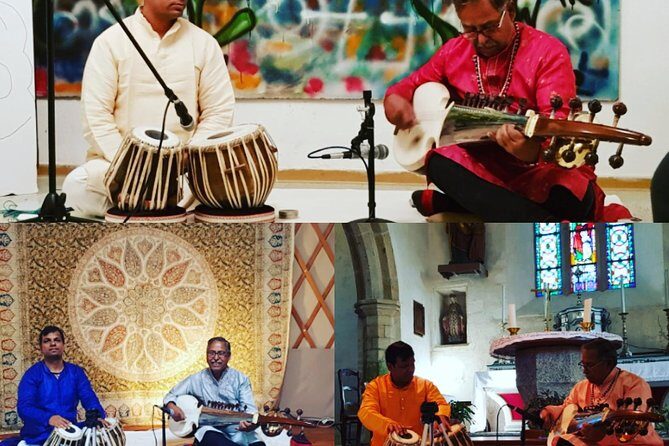
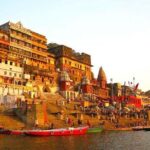
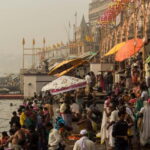
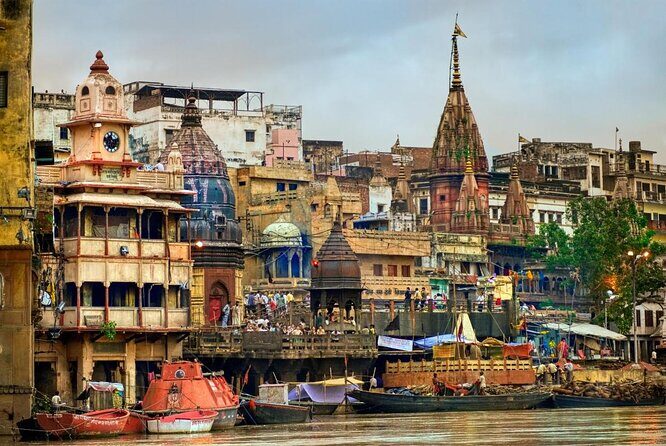
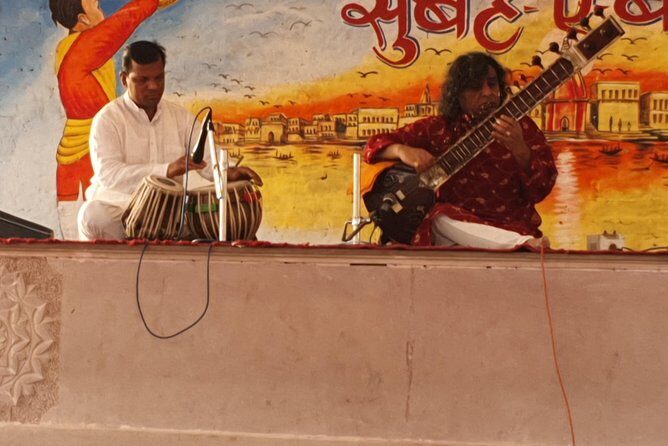
After the river devotion, you’ll shift to the Banaras ghats area, where music can show up in different forms throughout the time you’re there. You can expect Indian classical, folk music, and even wedding music appearing as part of what’s happening on the ghats.
This stop is useful because it teaches you how Varanasi music isn’t stuck in one category. You don’t just hear one style. You hear how styles coexist in the same urban space, and how music functions for different moments—celebration, worship, and everyday life.
What you’ll get out of it
- A sense of musical variety without needing separate tickets for every event
- An ear-training session in real time: you start noticing how instruments and vocal styles change by setting
A consideration
Because this section includes whatever cultural activity is going on, the exact mix you experience can vary. That’s part of the charm, but if you want guaranteed performances of one specific genre, ask Ravi to steer you toward what matches your taste.


Stop 4: Music Studio Time, Recording, and Possible 1:1 Learning

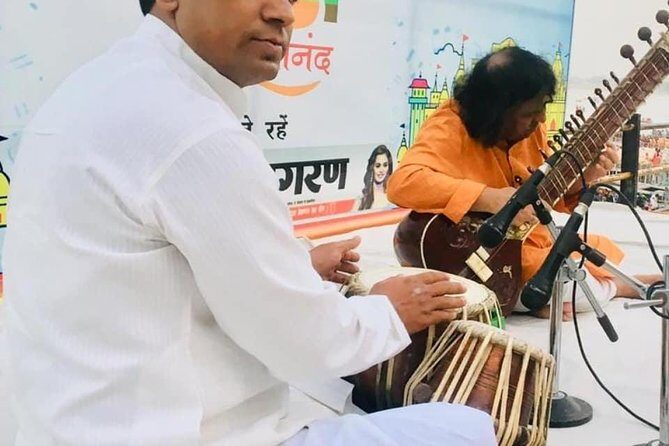
The final major stop brings you back to music in a more structured, hands-on way. You’ll see how Indian music includes classical, folk, meditation music, spiritual music, religious music, and even Bollywood songs—plus bhajan and kirtan. You’ll also spend time in a studio space for recording music, and you can buy instruments if that’s on your wish list.
What I like about this ending is that it connects the dots from sound to craft. You’ve heard devotional performance earlier, and then you see how musicians practice, produce, and preserve music. It gives the day a clear arc: learning instruments → experiencing devotion → understanding how people record and share the sound.
In at least one experience, the day ended with a 1:1 tabla class. That’s the kind of moment that makes a tour feel personal instead of staged.
A consideration
Since you may have time in a place where instruments are for sale, you’ll want to set your expectation early. If you’re not interested in shopping, tell Ravi you’d rather focus on learning and studio viewing.
The Extra Cultural Activities: When Varanasi Keeps Speaking
Between the main stops, there’s room for other cultural activities where something is always happening, including music. This is one of those “good travel” details that matters. In cities like Varanasi, strict schedules can make you miss the living part of the place.
This adds a sense that your afternoon is connected, not chopped into separate boxes. You’re in a cultural space, so you’ll often catch small moments of performance or interaction that help you understand the bigger picture.
The Crematoria Stop: What It Means, and How to Handle It
This tour includes a stop at the crematoria area where bodies are burned every day, working 24 hours for 365 days. I’m going to be plain about this: it’s not a casual sightseeing stop.
Why include it? Because Varanasi isn’t only about celebrations and music. It’s also about life, death, and how the city processes grief and spiritual belief. If you want the full cultural context—why music matters, why devotion matters—this piece is part of the story.
How to prepare
- Mentally expect an emotional moment
- Treat it with respect and keep your questions thoughtful
- If you’re sensitive to death-related topics, consider whether you want your afternoon to include this kind of reality
Coffee and Small Comforts: Included, But Don’t Overplan
Coffee and/or tea are included, which is a solid value add in a place where afternoons can be long. It gives you a chance to sit briefly, reset, and keep your energy for the ghats and the music.
This isn’t a full meal tour. You’ll likely want to plan for your own food time around it. Still, the tea/coffee inclusion helps you avoid turning the day into a caffeine scramble.
Price and Value: Why $29 Can Actually Make Sense
At $29 for an experience lasting roughly 3 to 6 hours, the value comes from what’s included, not just the price tag. You’re getting:
- Admission included across the major stops
- A private format with pickup offered (though private transportation isn’t included)
- A guided, music-focused route that’s structured around multiple listening and learning moments
- Coffee and/or tea included
The real value is that you’re paying for interpretation. In Varanasi, music can be hard to decode on your own. Ravi’s ability to explain what you’re hearing, and adapt to your interests, is where your time turns into understanding rather than confusion.
If you had to buy admissions for multiple stops and find a guide who knows how to connect the dots, the cost would likely climb fast. Here, the price stays low because the focus stays tight on music and culture.
Practical Tips: Making the Day Feel Smooth
Here are the practical things I’d plan for, based on how this kind of day tends to work:
- Dress for walking and for being outdoors near the ghats
- Be ready for sensory intensity: devotional chanting and river-side sound carry
- Wear comfortable shoes. Your time includes multiple locations
- If you care about a specific style, tell Ravi early. He can adjust the route around what you want to hear
Also, have your expectations right about transport. Pickup is offered, but private transportation isn’t included. So it’s worth coordinating the meeting point and arrival time so you don’t lose energy.
Who Should Book This Tour
This one fits best if you:
- Want music and culture in Varanasi, not just landmark photos
- Like hands-on learning, especially instrument tryouts
- Prefer a private guide who can adjust the route for your interests
- Are curious about both devotional music and how the city processes death
It’s less ideal if you’re looking for an all-light, all-joy afternoon. The crematoria stop can be heavy, even if handled respectfully.
Should You Book This Music-and-Culture Experience?
If you like travel that connects art to daily belief, I’d book it. The instrument tryouts at Baba the School of Music give you something concrete to remember. Ganga Aarti adds that signature Varanasi river devotion. And the studio time brings you closer to how music is made and shared, with the real possibility of extra learning like a 1:1 tabla class.
But go in with emotional honesty. This tour includes a crematoria stop, and that changes the tone. If you’re okay with that reality, you’ll leave with a deeper understanding of why music in Varanasi matters.
FAQ
How long is the tour?
It runs about 3 to 6 hours, depending on how the day flows.
Is this a private tour?
Yes. It’s a private experience, and only your group participates.
What is included in the price?
Admission tickets for the stops are included, plus coffee and/or tea. You also get a mobile ticket.
Is pickup offered?
Pickup is offered, but private transportation is not included.
Does the tour include Ganga Aarti?
Yes. Ganga Aarti is one of the key stops and includes devotional music such as kirtan and bhajan.
Is there any music instrument time?
Yes. At Baba the School of Music, you can see instruments and try as many as you want.
What kinds of music might I hear?
You can expect Indian classical, folk, wedding music, devotional music, kirtan and bhajana, and also spiritual/meditation music concepts during the music-focused parts.
Is the tour affected by weather?
Yes. The experience requires good weather. If it’s canceled due to poor weather, you’ll be offered another date or a full refund.
Is it okay for me if I don’t want the crematoria stop?
The tour includes a visit to the crematoria area as part of the experience, so consider your comfort level with that topic.
Is there free cancellation?
Yes. You can cancel up to 24 hours in advance for a full refund. If you cancel less than 24 hours before, the payment isn’t refunded.