REVIEW · VARANASI
Guided Excursion to Buddhist Trail (Tour of Sarnath)
Book on GetYourGuide →Operated by Yo Tours · Bookable on GetYourGuide
Sarnath feels like Buddhism’s opening scene. A guided excursion like this helps you connect the dots between Sarnath’s major Buddhist sites and the stories behind them, without getting lost in dates and labels. I especially like the way the tour uses storytelling to make the places click fast, and I also like that you get guided time at the Sarnath Museum instead of just snapping photos and guessing. One thing to plan for: if areas like the museum or nearby spaces are closed on the day, your tour time can shrink.
This is a private, 4-hour outing with English/Hindi support and AC car transport, built for people who want meaning in a short window. You’ll also get small comforts like a water bottle, snacks, and practical local tips. If you’re traveling during major festival periods nearby, I’d also be ready for last-minute operational changes, since there have been real-world disruptions tied to big local events.
In This Review
- Key Highlights Worth Packing Your Curiosity For
- Getting To Sarnath: AC Car Comfort and a Tight 4-Hour Window
- Buddhist Trail of Sarnath: Following the Story Behind the First Sermon
- Sarnath Museum Stop: How the Guide Helps You Read the Ruins
- That Hands-On Garland Moment: A Heritage Activity With a Lot of Meaning
- Sarang Nath Temple: When a Shiva Dedication Adds a Second Layer
- The Guide Experience: English/Hindi Storytelling That Doesn’t Feel Like a Lecture
- Capturing the Sights: Ruins, Temples, Stupas, and a Camera-Friendly Pace
- Price and Value: $70 for a Private Group Up to 2
- Who Should Book This Sarnath Buddhist Trail Tour
- My Decision Checklist Before You Go
- Should You Book the Buddhist Trail Tour of Sarnath?
- FAQ
- How long is the Guided Excursion to the Buddhist Trail (Tour of Sarnath)?
- Where is this tour located?
- What does the tour cost?
- Is the tour private?
- What languages are the guide services offered in?
- What’s included in the tour price?
- What isn’t included?
Key Highlights Worth Packing Your Curiosity For
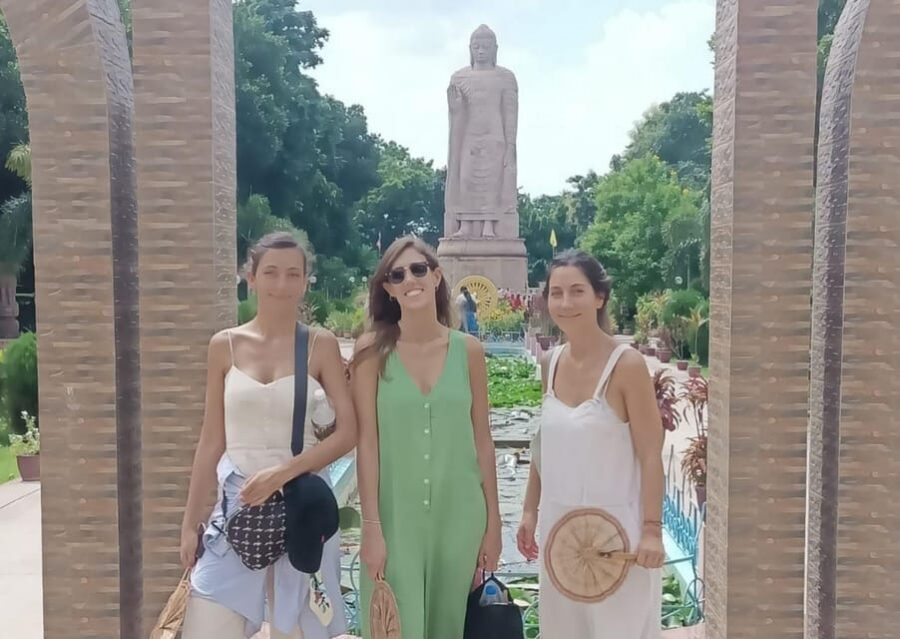
- Sarnath’s Buddhist Trail: focused walking through key pilgrim spots tied to the tradition’s early days
- Sarnath Museum visit: a structured way to understand what you’re looking at in the ruins
- Sarang Nath (Shiva dedication): a clear example of how religious layers show up in one place
- Infotainment-style guiding: stories aimed at keeping history understandable, not boring
- Photo-ready ancient sites: temples, stupas, monuments, and ruins made for a careful lens
Getting To Sarnath: AC Car Comfort and a Tight 4-Hour Window
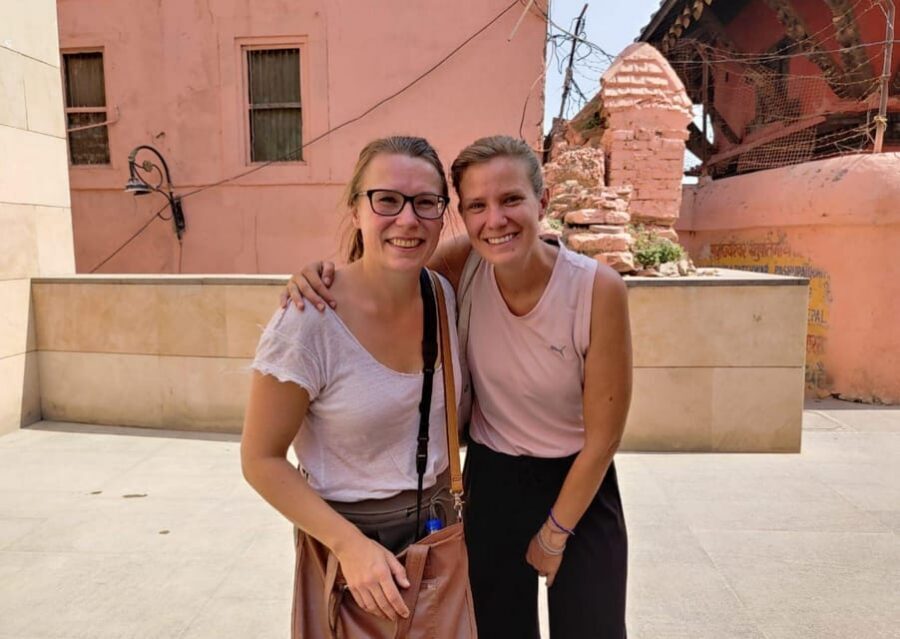
This tour is designed around one practical idea: you want a meaningful Sarnath visit without burning an entire day. Pickup and drop-off are included, and you’ll ride by AC car between stops. That matters in Uttar Pradesh, where your energy can drain fast if you’re hopping around without a plan.
The timing is also very “real travel” friendly: you have about 4 hours from start to finish, and it’s private. That means you’re not spending your attention negotiating a group pace. You can ask questions, point out what you want to photograph, and move at a human speed.
There are two small schedule realities to keep in mind. First, the tour depends on site opening hours; if the museum or parts of the area aren’t accessible, the time on those elements can shorten. Second, the tour’s smoothness depends on pickup timing. It’s smart to be ready early in the hotel lobby—around 10 minutes before pickup—so you don’t lose your day to a delayed meet-up.
Finally, plan for a day that blends calm walking with stops that need a bit of attention. This isn’t just a scenic stroll. The guide is there to tell you what you’re seeing and why it matters, and that takes a little time.
You can also read our reviews of more guided tours in Varanasi



Buddhist Trail of Sarnath: Following the Story Behind the First Sermon
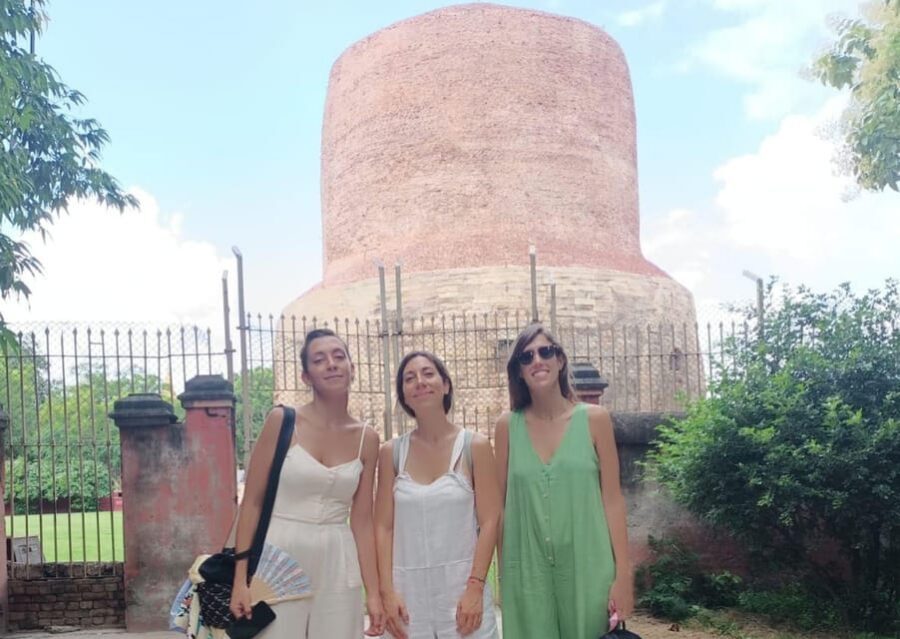
Sarnath is one of Buddhism’s four holy cities, and this tour builds its route around the most important idea you’ll hear: after his enlightenment, Buddha gave his first sermon here. Even if you’ve only read a little about Buddhism, this framing helps your brain organize what you’re seeing on the ground.
On the trail, you’ll move through classic elements of Buddhist heritage: ruins, temples, stupas, monuments, and pilgrim spots. The goal isn’t to rush past them. The guide’s job is to help you recognize the visual language—how these sites communicate devotion, teaching, and community across time.
A good guided trail walk changes how you experience ancient places. Without context, you might see stones and carvings. With context, you start noticing patterns: where attention goes, what people historically gathered around, and how the layout supports pilgrimage. In a short tour, that kind of orientation is exactly what you want.
Bring a camera, but also bring a slower mindset for a few moments. Stupas and ruins are easy to photograph from one angle, yet they often reward a bit of circling and comparing viewpoints. If your guide is good with pacing (this tour is built for storytelling, not just marching), you’ll get those chances without feeling like you’re wasting time.
Sarnath Museum Stop: How the Guide Helps You Read the Ruins
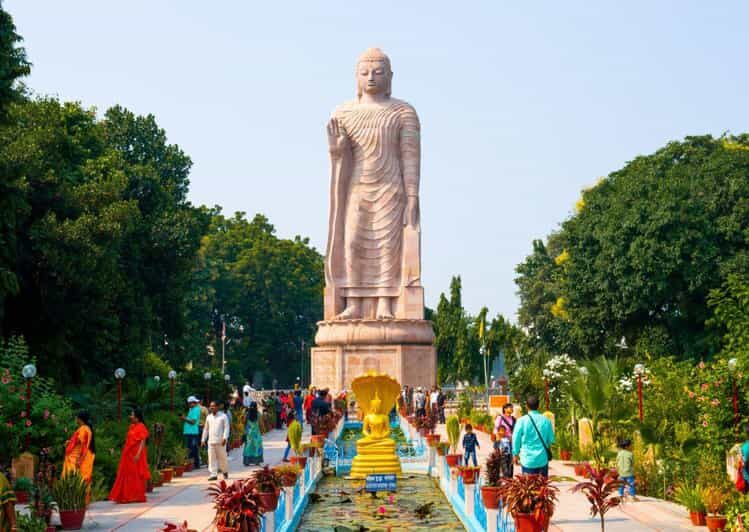
One of the best parts of this excursion is that it doesn’t treat the Sarnath Museum as optional. The museum visit is a built-in step, and that’s a huge difference versus tours that only focus on outdoor sites.
The real value of a museum stop on a ruins-heavy day is that it gives your eyes a reference point. You can look at objects, learn how scholars and curators interpret them, and then go back outside and see more than shapes in space.
This matters especially in Sarnath, where visitors often feel a bit overwhelmed. There’s a lot to see, and if you don’t have a way to connect artifacts and architecture, the day can turn into a photo scavenger hunt. A guided museum visit helps you understand what you’re looking at before you move on.
One practical note: museum opening hours can affect the schedule. There have been cases where the museum didn’t open on the day, which meant less time at the stop and a shorter overall tour. So if Sarnath is one of your top priorities, it’s worth being flexible in your broader travel plans for the day.
That Hands-On Garland Moment: A Heritage Activity With a Lot of Meaning
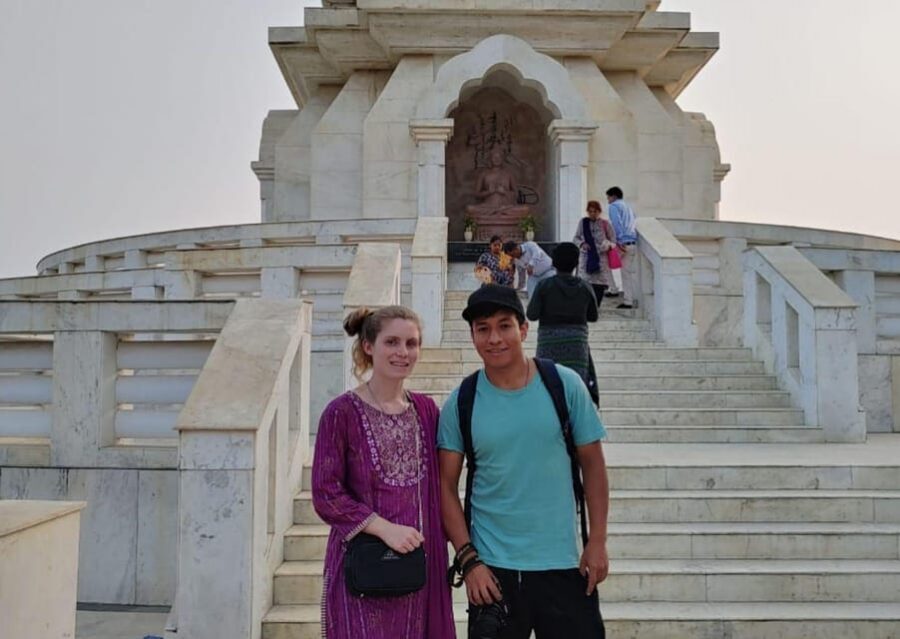
Here’s a detail that feels different from typical sightseeing. The tour description includes a moment where the group gathers scattered pieces of Buddhist remains together and makes a “beautiful garland” as part of the experience.
Whether you view it as ceremonial, symbolic, or simply a hands-on heritage prompt, the point is the same: you’re not just a spectator. You’re participating in the emotional and cultural side of remembering. It turns the sites from background scenery into something you engage with directly, even in a small way.
I like experiences that convert passive learning into action, because action sticks. Even if you’re not deeply religious, there’s still a human level to this kind of activity: it encourages respect, attention, and slower observation around what you’ve come to see.
That said, this is also the part of the day that might feel personal or unusual depending on your comfort level. If you prefer strictly observational travel, you should be ready for at least one participatory moment. The upside is that it can make the tour more memorable than another checklist of monuments.
Sarang Nath Temple: When a Shiva Dedication Adds a Second Layer
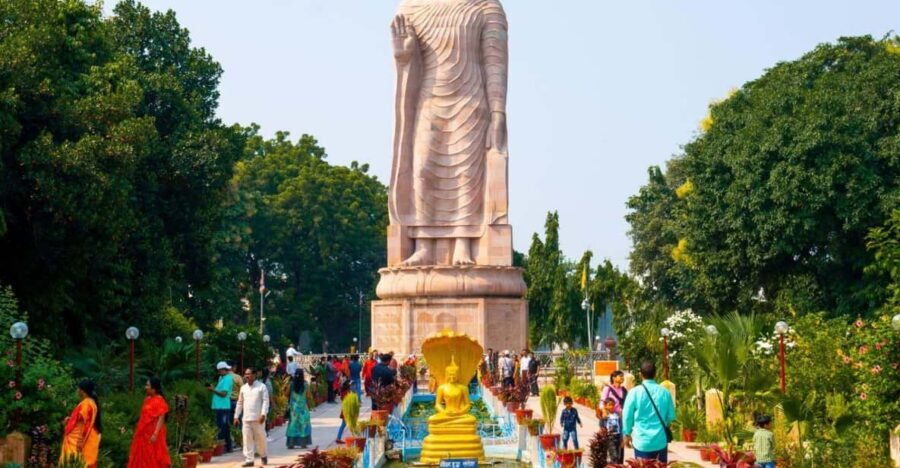
You’ll also visit Sarang Nath, described as a place dedicated to the god Shiva. That stop is more than a side detour. It reflects something important about real places: religious landscapes don’t freeze in time.
In practice, that means your Sarnath day becomes multi-layered. You’re coming to Sarnath because of Buddhism’s origins, but you’re also seeing how later traditions and worship patterns show up in the same wider area. It helps you understand Sarnath as a living heritage site, not a museum display sealed off from everything that came after.
For you as a visitor, this can be a relief. Purely one-theme days can feel repetitive. Adding a Shiva dedication gives your brain room to connect architecture and devotion across traditions. It also supports the guide’s broader goal: explaining how a place’s religious legacy can grow and overlap.
If you’re the type who likes to see the story of a place as it changes through centuries, this is a strong stop. It keeps the tour from feeling like a single lecture. Instead, it becomes a walk through layers of faith.



The Guide Experience: English/Hindi Storytelling That Doesn’t Feel Like a Lecture
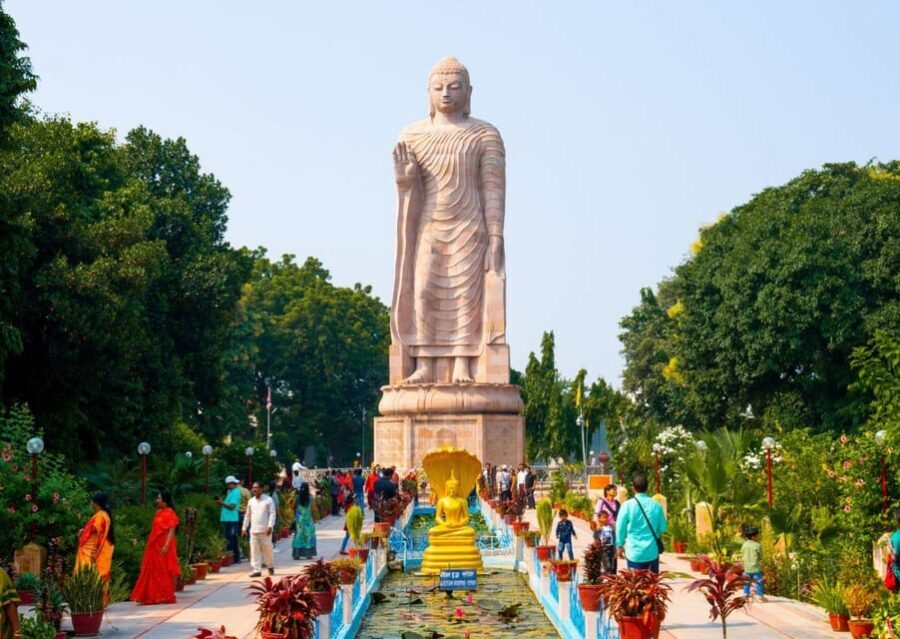
A tour lives or dies by the guide, and this one is built around a highly trained storyteller/guide who speaks English and Hindi. That bilingual element is practical, especially if you’re traveling with someone who prefers one language over the other. It also supports the tone of the day: the guide can explain concepts clearly and then adjust based on your questions.
The tour description emphasizes an “infotainment” approach, and that’s the right promise for a short, 4-hour format. You don’t have time for endless facts, and you don’t want to tune out halfway through because the story got too technical.
I also like that the day includes local tips and conversations focused on the religious aspect and local importance. Those kinds of comments are often what separate a surface visit from a more authentic one. They help you notice how locals understand the place and how it fits into everyday belief and practice.
One specific guide name you may hear associated with this tour is Manesh, described as kind and easy going. That matters, because a calm guide changes your experience. You feel more comfortable asking questions, taking your time at stops, and adjusting your pace when you want a photo or a moment of quiet.
Capturing the Sights: Ruins, Temples, Stupas, and a Camera-Friendly Pace
This excursion is made for photography, but the best photos usually come from patience. The tour highlights ancient ruins and monuments across the Buddhist trail area. You’ll see temples, stupas, and pilgrim spots, so there’s plenty of visual variety.
Where guided value shows up is in how you frame each shot. Instead of trying to guess what you’re photographing, you’ll learn what’s meaningful about specific features. That can turn a random background photo into one that actually tells a story when you look back later.
You’ll also get the advantage of a planned pace. A short tour can feel rushed if you don’t know where the time goes. Here, the stops are organized around key points, so you’re not scrambling between locations or missing the main elements while chasing side streets.
A small but helpful thing: you get a water bottle and snacks. That’s not a luxury in a place like this. It’s the difference between “I’m okay” and “I’m getting cranky,” and cranky is the enemy of good sightseeing.
Price and Value: $70 for a Private Group Up to 2
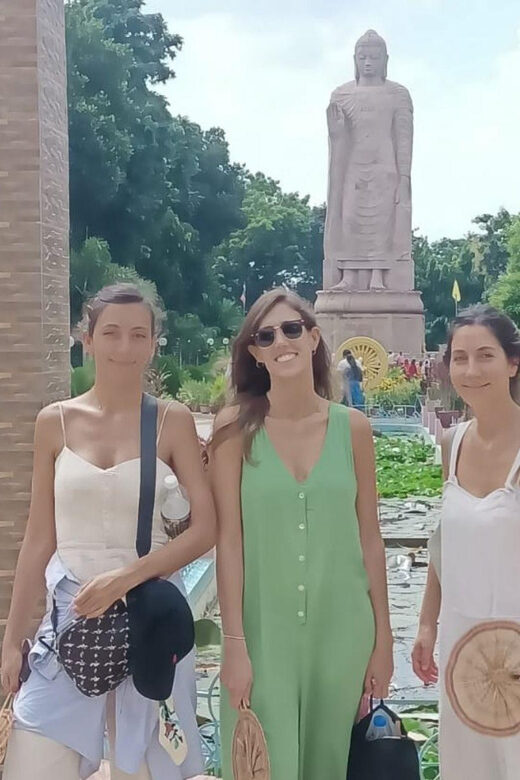
The price is listed as $70 per group up to 2, for a 4-hour experience. On the surface, that may sound either fair or pricey, depending on how you compare it to other ways of seeing Sarnath.
Here’s how I’d judge value. You’re paying for three things:
- a trained guide who can explain what you’re seeing in English and Hindi
- AC car transport with pickup and drop-off
- the structure of a short, meaningful route that includes the museum and the Shiva temple stop
If you were to do it on your own, you’d still need local transport, you’d still want someone to explain what you’re viewing, and you might still face museum access issues. That’s why the guide piece is the value engine. A guided visit can save you mental energy and help you avoid feeling lost in a complex site area.
If you’re traveling solo, the private setup is convenient, but your per-person value depends on what else you’d spend to build a similar day. If you’re two people, the “per group up to 2” pricing usually feels more comfortable, because the guide and car cost get split.
Also note that entrance fees to historical sites are not included. Your real total cost could be higher depending on which paid areas are involved and whether any admission is required for the museum. That’s normal for many guided tours, but it matters for budgeting.
Who Should Book This Sarnath Buddhist Trail Tour
This works best for you if:
- you want a guided path through Sarnath’s key Buddhist sites, rather than wandering
- you care about meaning and context, not just photos
- you have limited time and want a museum stop included
- you like a guide who can explain in both English and Hindi
- you’re traveling in a pair and can use the private group setup
It may be less ideal if:
- you’re the type who prefers fully self-directed exploration without any structured stops
- you’re strict about time and can’t tolerate a shortened schedule if a museum or area is closed
The short 4-hour format is the sweet spot for many travelers. It’s long enough to cover more than one major element, but short enough to fit into a busy itinerary.
My Decision Checklist Before You Go
If you book this, do a quick reality check with your travel day plan:
- Keep your day flexible enough to handle possible site closures (the museum and park have been reported as closed on some days, which shortened tours).
- Be on time for pickup. Wait in the hotel lobby about 10 minutes early so you don’t miss the meet-up window.
- Budget for entrance fees since they’re not included.
- If you’re near big regional festival periods, consider confirming arrangements with the provider ahead of time, since there have been real disruptions connected to major Varanasi events.
None of this is meant to scare you. It’s just good travel discipline. Even a great tour can get affected by timing and access rules that day-of.
Should You Book the Buddhist Trail Tour of Sarnath?
If your goal is to understand where Buddhism began, and you want a guided path that connects Sarnath’s main sights, the Sarnath Museum, and the Shiva-dedicated stop at Sarang Nath, this tour is a strong fit. The biggest reason to book is the guide-led storytelling that makes the sites legible in a short time.
I’d book it if you value context, want a structured 4-hour experience, and can stay flexible about opening hours. I’d hesitate only if your schedule is extremely rigid or you prefer a completely independent day with no guidance.
FAQ
How long is the Guided Excursion to the Buddhist Trail (Tour of Sarnath)?
The tour lasts 4 hours.
Where is this tour located?
It’s in Uttar Pradesh, India, focusing on Sarnath.
What does the tour cost?
The price is $70 per group up to 2.
Is the tour private?
Yes, it’s a private group.
What languages are the guide services offered in?
The live guide speaks English and Hindi.
What’s included in the tour price?
Included are a trained English/Hindi guide, AC car transport with pickup and drop-off, a water bottle and snacks, and great local tips and recommendations.
What isn’t included?
Entrance fees to historical sites are not included, and drinks and food other than the snacks mentioned are not included.