REVIEW · VARANASI
Explore the Highlights of Varanasi
Book on Viator →Operated by Ravi Sahni Heritage Tours Varanasi · Bookable on Viator
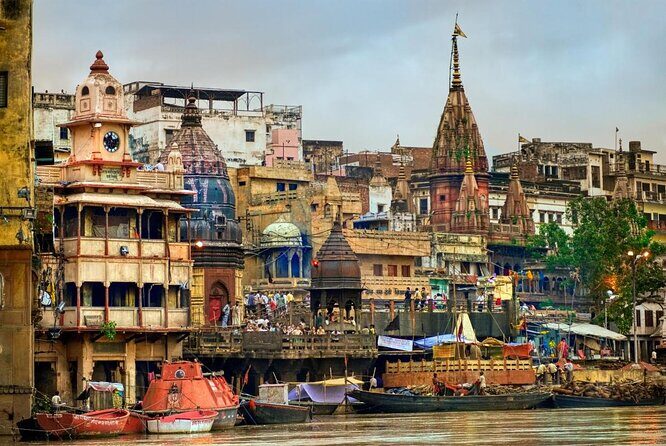
Varanasi can feel like a living puzzle box, and this walking tour helps you put the pieces together fast. You’ll move along the Ganges River, pass standout religious sites, and get real context for what you’re seeing—temples, cremation grounds, and a flower market that smells like the city’s daily heartbeat.
What I like most is that you’re not just looking. This is guided by an English-speaking licensed host, so you’ll understand the meaning behind the streets and sights. And I also like that you get drinks and snacks included, with local favorites like masala chai and lassi making the walk feel human and break-friendly.
One thing to plan for: parts of the route are outdoors and centered on active religious areas, so you’ll want comfortable shoes and patience for crowds and long looks at important places.
In This Review
- Key highlights you’ll feel right away
- Getting oriented on the ghats and backstreets
- The price: what $26.85 gets you (and why it’s fair)
- Stop by stop: what to expect on your walking route
- Stop 1: Varanasi orientation walk (ghats, lanes, and markets)
- Stop 2: Dashashwamedh Ghat, the main riverfront scene
- Stop 3: Shri Kashi Vishwanath Temple (Golden Temple area)
- Stop 4: Nepali Temple (Kathwala Temple), a different flavor of devotion
- Stop 5: The Ganges River itself, not just a backdrop
- Stop 6: Manikarnika Ghat, the cremation ground you can’t ignore
- What makes the guide matter here (and why pace is everything)
- Snacks, chai, and lassi: the small breaks that keep the tour enjoyable
- Logistics you should know before you go
- Who this tour fits best
- Should you book this Varanasi walking tour?
- FAQ
- Is this tour private or shared?
- How long is the Varanasi walking tour?
- What’s included in the price?
- What entrance fees are included or not included?
- Where do we meet, and does it end nearby?
- What if the weather is bad?
Key highlights you’ll feel right away
- Licensed English-speaking guide to make sense of temples, ghats, and everyday rituals
- Private tour so your pace stays yours and attention doesn’t get diluted
- Chai and lassi included, which helps you power through the walking
- Dashashwamedh Ghat to Manikarnika Ghat for major riverfront scenes in one loop
- Multiple temple stops, including Kashi Vishwanath and the Nepali (Kathwala) Temple
- Clear start and end point at Kashi Chat Bhandar, so you’re not hunting before you begin
Getting oriented on the ghats and backstreets
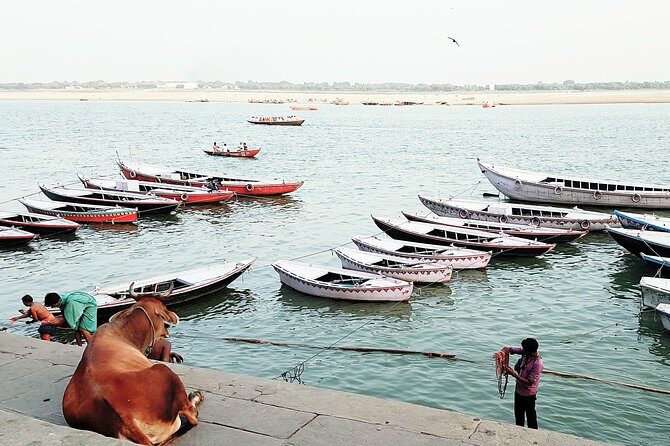
If you’ve never been to Varanasi, you should know this first: the best parts aren’t always the easiest to find. Streets twist, sounds layer up, and the riverfront areas are where everything converges. A guided walking format is a practical choice because it lets you see more than you could on your own in the same amount of time.
This tour is built for quick orientation. You’ll start at Kashi Chat Bhandar on Godowlia Road and finish back at the same meeting point. That matters because Varanasi navigation can be tricky when you’re trying to keep your bearings—especially if you’re arriving for the first time and want to avoid losing time.
Also, it’s private. That means your guide can slow down for questions and adjust what you notice, instead of marching a mixed group through stops at one speed.
You can also read our reviews of more tours and experiences in Varanasi.



The price: what $26.85 gets you (and why it’s fair)
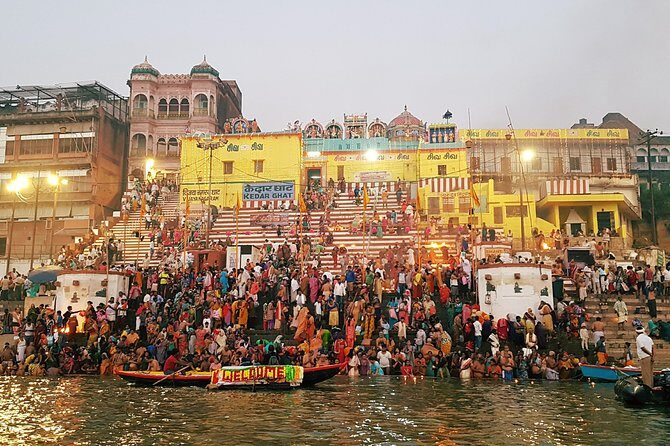
At about $26.85 per person, this doesn’t try to compete with expensive day trips or vehicle tours. You’re paying for the most valuable part: an English-speaking licensed guide plus drinks and snacks.
Here’s the practical value math: entrance fees aren’t fully covered for every site (Kashi Vishwanath Temple is specifically not included), so your guide’s expertise and the included refreshments are what make the price feel balanced. In 2 to 4 hours, you get an organized route that hits major landmarks like Dashashwamedh Ghat, Kashi Vishwanath Temple, and Manikarnika Ghat without you having to figure out the order and meaning yourself.
One more detail: the tour is booked on short-to-medium planning timelines (it’s typically reserved about a month ahead). If you’re traveling during a busy period, I’d treat it like a must-book activity rather than a maybe.
Stop by stop: what to expect on your walking route
Stop 1: Varanasi orientation walk (ghats, lanes, and markets)
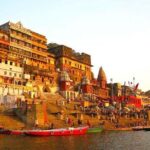
The tour begins with an overview walk through key areas that shape daily life in Varanasi. You’ll go past or near major anchors such as Dashashwamedh Ghat, Viswanath Gali, a flower market, and a Nepali temple area. The point here isn’t to rush. It’s to start building a mental map: where the sacred riverfront begins, how temples relate to the ghats, and why certain lanes feel different once you know what they’re connected to.
This is also where you’ll likely start sampling your included refreshment. Having a snack early is underrated. It keeps you from turning the rest of the walk into a fight with hunger.
Stop 2: Dashashwamedh Ghat, the main riverfront scene
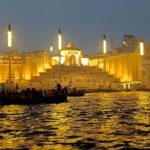
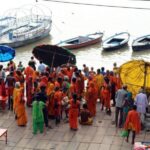
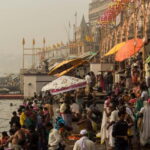
You’ll spend time at Dashashwamedh Ghat, described as the main ghat on the Ganga River and one of the most spectacular. This is a focal point because it sits close to the Vishwanath Temple area, meaning the riverfront and temple world feel tightly linked here.
Two legends are associated with the ghat, and your guide’s job is to translate that into something you can actually see. Look for how the space is used and what kinds of activity cluster where. Even if you don’t remember every detail, you’ll start to understand why people come to specific spots along the river instead of treating the entire shoreline as the same.
Practical note: this kind of place can be crowded, and it may be busy with ceremony and movement. The benefit of having a guide is that you’re more likely to stand in the right place for viewing without blocking others.



Stop 3: Shri Kashi Vishwanath Temple (Golden Temple area)
Next comes the Shri Kashi Vishwanath Temple, one of the best-known Shiva temples in Varanasi. It’s located on the western bank of the Ganga, and that river relationship is part of what makes the site so important.
The tour includes time here, but admission is not included for this stop. That means you should be ready to pay temple entry if you want to go inside. Your guide can help you handle the process smoothly, but it’s still a separate cost to plan for.
When you’re at major temples, your job as a visitor is simple: show respect, follow guidance, and give space to worshippers. If you’re sensitive to religious crowds or have mobility limits, this is the stop where you’ll feel the most foot traffic pressure.
Stop 4: Nepali Temple (Kathwala Temple), a different flavor of devotion
After the big-name temple, you’ll visit the Nepali Temple (Kathwala Temple). This one has its own distinct identity. It’s dedicated to Lord Shiva and was constructed in the 19th century A.D by the King of Nepal, which makes it a fascinating example of how Varanasi’s sacred geography attracted influence beyond local borders.
Admission for this stop is included, so you won’t have to scramble for another payment at the last second.
Time here is shorter, but that can work in your favor. Smaller stops often let you notice details that a bigger, busier site makes harder to see.
Stop 5: The Ganges River itself, not just a backdrop
Then you’ll get your connection to the Ganges River as a lived, sacred reality. The description is straightforward: it’s the holy river and flows south to north in Varanasi. This is one of those details your guide can turn into a mental map so you understand where you are on the river’s timeline, not just its direction.
You’ll be standing in a place where people have practiced religious and personal routines for a very long time. That’s part of what makes Varanasi so different from other Indian cities: it’s not just monuments. It’s a daily relationship with the water.
If you’re taking photos, do it respectfully and avoid blocking viewlines. Also, be aware that wind and riverfront conditions can change quickly, so keep a light layer if you run cold.
Stop 6: Manikarnika Ghat, the cremation ground you can’t ignore
Finally, you’ll reach Manikarnika Ghat, one of the oldest ghats and an iconic site associated with traditional Hindu cremations. The tour describes it plainly: bodies are cremated day and night, making it a funeral ground in Varanasi.
This stop can be intense. Even if you’ve read about Varanasi’s cremation culture, seeing it in person is a different experience because you’re witnessing it as part of everyday flow rather than a distant spectacle. Your guide’s explanations here matter, especially if you want to understand what you’re seeing without turning it into shock-factor tourism.
If you’re someone who prefers gentler sights, this is the point to be honest with yourself. You can still appreciate the meaning and watch quietly, but you might want to mentally prepare for the emotional weight.
What makes the guide matter here (and why pace is everything)
The best part of this experience is the way the guide shapes your visit. People describe the tour as covering a lot of ground at a relaxed pace, while still explaining what’s going on in a clear, helpful way. That blend is crucial in Varanasi.
If you’ve experienced other cities with “big sights only” guides, you know the problem: you can end up with photos and no understanding. Here, the guide is key to translating the meanings behind temples and riverfront areas, plus helping you navigate the winding backstreets without feeling lost.
In the reviews tied to this tour, one guide name comes up often: Ravi. When someone is good at turning chaos into comprehension, you feel it immediately—especially in a city like Varanasi where the streets don’t behave like a grid.
Snacks, chai, and lassi: the small breaks that keep the tour enjoyable
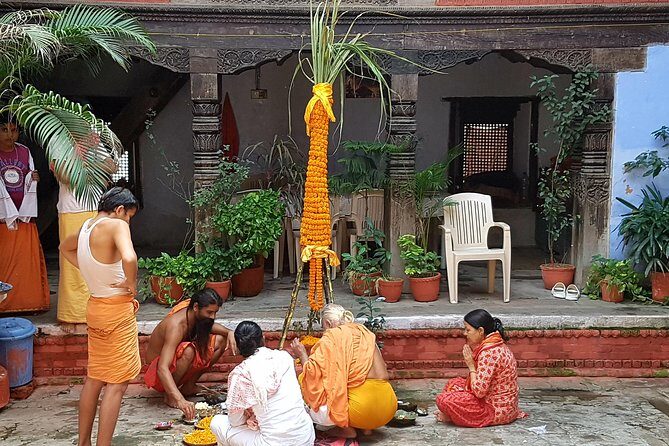
Drinks and snacks are included, and you’ll likely enjoy classics like masala chai and lassi during the walk. This sounds small, but in practice it’s a big deal. Varanasi is active—heat, crowds, and constant movement add up. Having a planned refresh break prevents the tour from feeling like a sprint.
It also helps you interact more naturally with the city’s food rhythms. Instead of stopping randomly, you’re tasting in the flow of the tour, which feels more connected than a separate meal hunt.
Logistics you should know before you go
This is a walking tour. Expect outdoor time, uneven or busy footpaths near ghats, and real street energy. Service animals are allowed, and it’s near public transportation, which can be handy if you’re coming in from somewhere else.
You’ll also need to start at the exact meeting point: Kashi Chat Bhandar, 37/49, Godowlia Rd, Harha, Varanasi. The tour ends back at that same location, which is convenient when you want to pick up your day afterward.
Transportation to and from attractions is not included, and hotel pickup/drop-off is also not included. If you want to reduce stress, plan your arrival so you can reach the meeting point without rushing.
Who this tour fits best
This is a great fit if:
- you want an English-speaking guide to help you understand key Varanasi landmarks
- you prefer a private pace instead of being swept along with strangers
- you want to see multiple major ghats and temple areas in a few hours
- you’d enjoy learning while tasting simple included snacks
It might be less ideal if:
- you strongly dislike sites connected to cremation processes (Manikarnika Ghat is part of the route)
- you need a fully vehicle-based plan (this is a walking format)
- you’re looking only for one or two famous photo stops without context
Should you book this Varanasi walking tour?
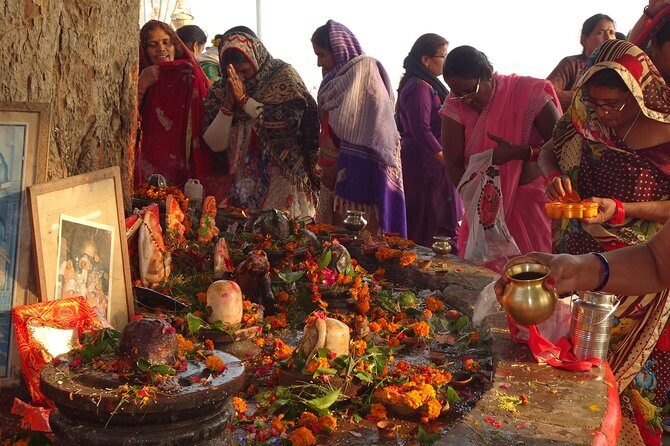
I’d book it if you want a fast, structured way to make sense of Varanasi’s sacred geography—especially the riverfront ghats and temple connections—without getting overwhelmed by navigation. The combination of an English-speaking licensed guide, a private setup, and included chai and lassi makes the value feel practical rather than touristy.
I’d think twice if the cremation-ground stop will emotionally overwhelm you. If that’s a concern, you could still visit Varanasi, but you might want a route that gives you more control over which sites are included.
If you do book, wear shoes that can handle crowds and uneven ground, bring a calm mindset for busy religious areas, and expect the best experience when you ask questions instead of trying to memorize everything.
FAQ
Is this tour private or shared?
It’s private, meaning only your group participates.
How long is the Varanasi walking tour?
The duration is approximately 2 to 4 hours.
What’s included in the price?
An English-speaking licensed tour guide is included, along with drinks and snacks.
What entrance fees are included or not included?
Dashashwamedh Ghat is listed as free. Shri Kashi Vishwanath Temple is not included for admission. The Nepali Temple (Kathwala Temple) is included for admission.
Where do we meet, and does it end nearby?
You meet at Kashi Chat Bhandar, 37/49, Godowlia Rd, Harha, Varanasi, Uttar Pradesh 221001, India. The tour ends back at the meeting point.
What if the weather is bad?
The experience requires good weather. If it’s canceled due to poor weather, you’ll be offered a different date or a full refund.