REVIEW · NEW DELHI
Private Delhi Temples and Spiritual Sites 6 Hours Tour
Book on Viator →Operated by Keeper Landwey · Bookable on Viator
Delhi temples in one clean plan. That’s the big draw of this private 6-hour route through Old Delhi and a few modern giants, with a guide who connects worship to real life. I like how the day mixes faiths you can actually see—Jama Masjid, Sikh shrines, Jain beliefs, Bahai Lotus Temple—and how guides such as Kevin, Javed, Arham, and Kaushal Pandey are praised for turning quick stops into clear stories.
My favorite part is the logistics: you choose a pickup window between 8 AM and 10 AM, then ride in an air-conditioned car while the guide handles the tricky parts like customs and pacing. I also like the Old Delhi tuk-tuk ride and short spice-market walk, because it gives you sensory contrast right after the temples. One possible drawback: the schedule is packed, so if crowds are heavy or a site is closed, you may not fit every stop listed in the description in the time window.
In This Review
- Key Highlights You’ll Feel Immediately
- A One-Day Mix of Delhi Faiths, Without the Headache
- Choosing Your Pickup Time and Getting Positioned for Old Delhi
- Old Delhi Setup: Passing Red Fort and Entering the Worship Zones
- Jama Masjid: Big Mosque Energy and Easy Entry
- Sikh Shrines and the Feeling of Routine Devotion
- Chandni Chowk and Khari Baoli: The Spice Market Hit
- Digambar Jain Temple: Religion With a Compassion Angle
- Swaminarayan Akshardham: The Modern Big-Scale Temple Stop
- Gurudwara Bangla Sahib for Langar and Calm
- Lotus Temple: Bahai Faith and Photo-Friendly Geometry
- Lunch Break Reality: Meals Are Not Included
- Guide Power: Why Names Like Kevin and Kaushal Keep Coming Up
- Price and Value: Getting a Private Day for About $41
- Monday Swap: If Akshardham or Lotus Is Closed
- Should You Book This Delhi Temples and Spiritual Sites Tour?
- FAQ
- What is the duration of the Private Delhi Temples and Spiritual Sites tour?
- What time can I be picked up?
- Where does pickup happen?
- Is this tour private or shared with other groups?
- Are tickets included for the stops?
- Which temples and sites are included in the route?
- Do I need photo ID, and what should I wear?
- Is a tuk-tuk ride included?
- What happens on Mondays?
- How much notice do I need for a full refund if I cancel?
Key Highlights You’ll Feel Immediately
- Private guide + private car: you’re not stuck with a rigid group pace in traffic
- Old Delhi spice market time: quick, focused, and designed for photos and smells
- A real mix of faiths: Sikh, Hindu, Muslim, Jain, Bahai, plus a Christian Anglican church stop on the plan
- Lotus Temple and Akshardham: big modern architecture after the older walled city feel
- Temple etiquette set-up: shoes off and covered clothing expectations handled without drama
A One-Day Mix of Delhi Faiths, Without the Headache
This tour is built for people who want more than a checklist of monuments. You’ll see religious spaces across faiths in a way that feels connected, not random. The guide’s job is to explain what you’re looking at—rules, symbols, and why certain places matter in India.
The “private” part matters here. Delhi can be chaotic, and switching between areas without help is the fast track to wasted time. With a driver and guide, you get to spend your energy where it counts: watching ceremonies, absorbing architecture, and asking questions.
I also like the balance between old and new. Old Delhi gives you Mughal-era scale and market energy. Then you jump to landmarks that look futuristic in comparison, like Lotus Temple and Swaminarayan Akshardham.
You can also read our reviews of more private tours in New Delhi



Choosing Your Pickup Time and Getting Positioned for Old Delhi
You can pick any pickup time between 8 AM and 10 AM, and you can start from a long list of places: Delhi, Noida, Gurgaon, Ghaziabad, or Faridabad. That flexibility is practical because your day often depends on your hotel location and how you’re handling jet lag.
In the morning, traffic and crowds are usually more manageable. That gives you a better chance to see multiple sites without feeling rushed every 20 minutes. If you like a calm start, aim closer to 8 AM.
You’ll also want to keep in mind the footwear and clothing rules before you even leave your room. The tour asks for comfortable shoes because you’ll take them off at temples, and covered clothes for temple visits. Bring socks you’re fine with wearing for a few hours.
Old Delhi Setup: Passing Red Fort and Entering the Worship Zones
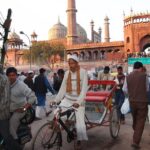
The day starts with a drive through Old Delhi, with Red Fort in view as you go. Even if you’re not stopping inside, that pass helps you understand the city’s main power center during the Mughal period.
Then the tour moves into the heart of religious Delhi, where architecture and crowd behavior become part of the experience. Your guide’s commentary is what turns the confusion into comprehension: how to move through space, what to notice, and what questions are worth asking.
You should expect a different rhythm than you’d get from a museum tour. Temples and mosques aren’t staged. You’re visiting living worship spaces, so you’ll adapt your pace to the flow of people and prayer.
Jama Masjid: Big Mosque Energy and Easy Entry

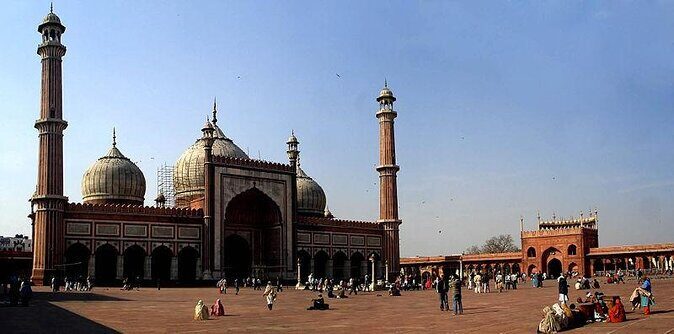
Jama Masjid is one of the biggest mosques of Asia, and it’s a dramatic start point. You get about 30 minutes there with an admission ticket included, which is enough time to take photos, walk in key areas, and listen to your guide’s explanations.
What makes Jama Masjid especially worth it is how the scale hits you in person. It’s not just a building; it’s a whole worship setting. With a guide, you’re more likely to notice the details that casual wandering misses.
A practical tip: plan for a bit of crowd flow and keep your phone secure. Photo moments are great, but don’t fight the movement of people. The guide will help you time stops for better viewpoints.
Sikh Shrines and the Feeling of Routine Devotion
Next up are Sikh sites, starting with Gurudwara Sis Ganj Sahib in Old Delhi. You’ll spend about 30 minutes, and admission is free. This gurdwara is one of the prominent Sikh houses of worship in the area, tied to Sikh shrine history connected to Guru Teg Bahadur.
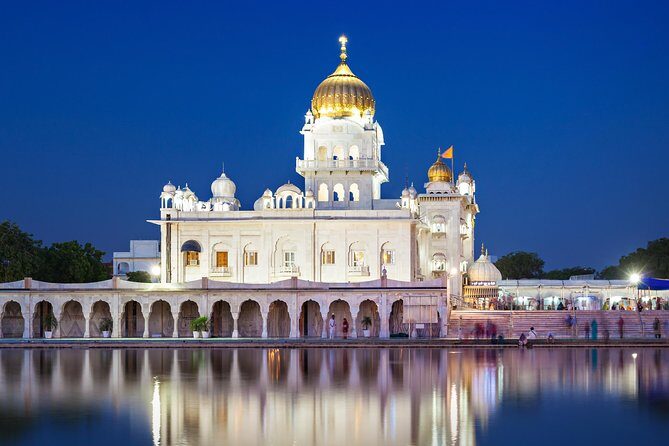
Later, you’ll also visit Gurudwara Bangla Sahib, where you can see the place of daily practice. This stop is about 1 hour, admission is free, and the site is known for food service (langar) running 24 hours a day. Even if you don’t eat, seeing how the space supports routine care is part of the story.
One thing I like about these Sikh stops is that your time feels purposeful. You’re not rushing between one photo spot and another. The guide can explain what you’re seeing while you watch how visitors behave inside.




Chandni Chowk and Khari Baoli: The Spice Market Hit
Old Delhi isn’t only about worship buildings. It’s also the city’s senses turned up to 11, and that’s why the spice market stop is such a good match for this tour.
You’ll get tuk-tuk time in Old Delhi and then visit Khari Baoli, the famous spice market. Your stop is short—about 10 minutes—but it’s designed to trigger your senses and give you quick context on spices and how they’re used.
I’d treat this like a photo-and-sniffing mission, not a shopping marathon. You can enjoy the colors, packaging, and aroma without losing an hour bargaining. If you want spices to take home, plan that for after the tour so you’re not distracted while you’re still trying to see the rest of the day.
Digambar Jain Temple: Religion With a Compassion Angle
A stop at the Digambar Jain Temple adds another layer to the day: Jain beliefs and a focus on care for animals. The temple is described as a charitable hospital for birds, and you’ll spend about 20 minutes there, with admission free.
This is the kind of stop that often becomes a favorite because it’s not only about architecture or prayer spaces. It’s about values made physical. Your guide can explain Jainism in plain language and tie it back to what you’re seeing in the temple environment.
Wear socks-friendly comfort here too. You’ll likely be moving around more than at some larger sites, and shoes-off temple customs may stretch the day if you’re underprepared.
Swaminarayan Akshardham: The Modern Big-Scale Temple Stop
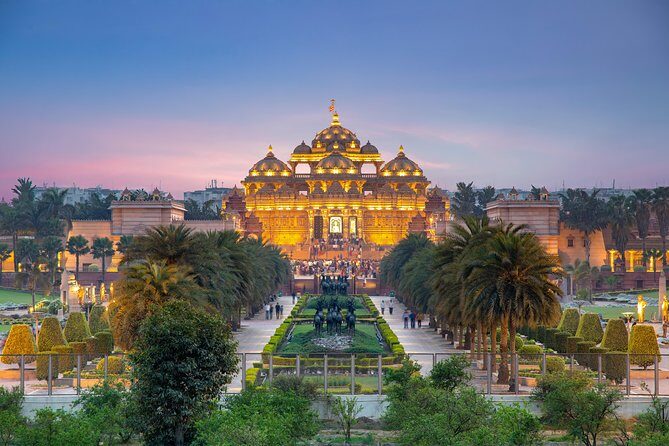
Then comes the big modern contrast: Swaminarayan Akshardham. The tour allots about 1 hour and admission is free. It was built in 2005, and the description highlights the Swaminarayan Akshardham idol surrounded by precious and semi-precious stones.
This is where Delhi shifts from old-city density to a more engineered, show-ready environment. The wider tour description also points to a high-tech element with sound and light displays, which is part of why Akshardham feels like a different category of experience than the older shrines.
It’s easy to get overwhelmed at large places like this. That’s where having a guide helps again. You’ll spend your time looking at the right things instead of wandering until you’re tired.
Gurudwara Bangla Sahib for Langar and Calm
If you want a human-scale counterpoint, Gurudwara Bangla Sahib is a strong choice. You’ll have about 1 hour here, admission free, and the langar runs 24×7, which signals that service isn’t tied to special days only.
The best way to enjoy this stop is to slow down for the daily rhythm. Watch how people enter, move, and interact, and let your guide explain the significance behind the routine. It’s not just a building you pass through.
Also, plan your energy. This is a point in the day where you’ll appreciate having a private car waiting outside rather than navigating transit while tired.
Lotus Temple: Bahai Faith and Photo-Friendly Geometry
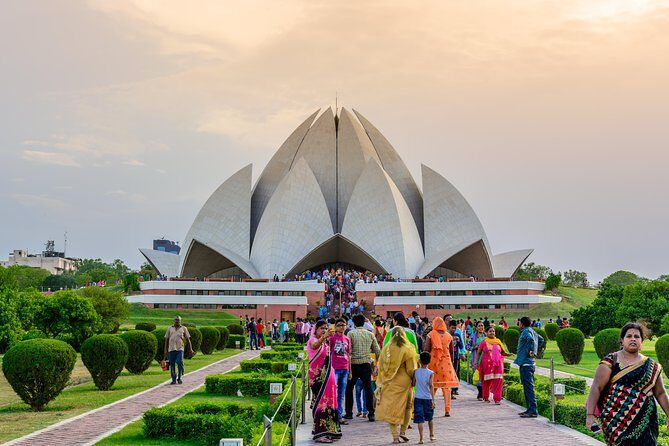
Lotus Temple is one of the most famous modern religious buildings in India, and the tour gives you about 30 minutes. Admission is free, and it’s linked to the Bahai faith, which makes it a fascinating bookend to the older mosques and gurdwaras you saw earlier.
The architecture is the star here: white marble and lotus-like form. If you’re the type who likes clean photo compositions, this is your chance. Bring your phone and a simple patience plan, since angles can be tricky with crowds.
A practical note: this temple, like others, follows the footwear and clothing expectations. Keep a small checklist in your head before you enter so you don’t feel flustered at the gate.
Lunch Break Reality: Meals Are Not Included
The tour includes time for lunch, but meals are not included. That means you should bring a flexible plan for what you’ll order and how your appetite matches the day’s pacing.
I like having lunch built into the flow because it protects your energy. Still, you’ll need to manage it yourself—choose a simple option that won’t slow you down too much and keeps you ready for the next temple stop.
Guide Power: Why Names Like Kevin and Kaushal Keep Coming Up
The highest praise in the feedback consistently points to the guides. Names that show up again and again include Kevin, Javed, Raghuveer Singh Rajawat, Harship Patel, Arham, Suhani, Kaushal Pandey, Junaid, Wassim, Naved, Shivam, Raja, and Lareb.
What you can take from this, as a buyer, is that the experience is designed around guide storytelling. Guides like these are praised for being interactive, flexible with time, and good at explaining what you’re seeing—plus helping with comfort and safety for solo travelers.
If you care about asking questions—about why a mosque looks the way it does, how a gurdwara functions, or how Jainism translates into daily practices—this is the type of tour where your guide can actually change your day.
Price and Value: Getting a Private Day for About $41
At $41 per person for about 6 hours, this tour is positioned as strong value for Delhi. You’re not just paying for a ride; you’re paying for a private guide, an air-conditioned car with a chauffeur, and included admissions/tickets.
A lot of people underestimate the cost of having someone manage timing, entry flow, and route decisions in a city like Delhi. Here, that value shows up in the details: parking fees, tolls, fuel, water bottles, and umbrellas are included, plus a tuk-tuk ride in Old Delhi.
Still, do think like a realist. Because the schedule is tight, the tour works best if you treat it as a curated highlights day rather than a slow, deep-study temple marathon.
Monday Swap: If Akshardham or Lotus Is Closed
The tour notes that Akshardham and Lotus Temple are closed on Monday. If you’re booking for a Monday, your route will be adjusted, and you’ll be taken to Iskcon temple and Shri KalkaJi Temple instead.
That’s a big consideration if you’re specifically excited about Lotus or Akshardham. If those are top priorities for you, plan your day carefully to avoid Monday.
Should You Book This Delhi Temples and Spiritual Sites Tour?
Book it if you want a private guide-led half day that covers multiple faiths and major landmarks without you doing the route math. It’s especially a good fit if you’re short on time, you’re a first-timer, or you simply want to feel more confident moving through Old Delhi.
Skip it or switch plans if you hate tight schedules and need long stays at each site. This route can feel fast on busy days, and the tour can end up covering fewer stops than you’d expect if crowds or closures slow things down.
If you’re okay treating it as a highlights-and-context day, you’ll likely leave with a better feel for how Delhi’s spiritual life fits side-by-side—mosque, gurdwara, temple, Jain belief, and Bahai architecture—all in one morning-to-midday orbit.
FAQ
What is the duration of the Private Delhi Temples and Spiritual Sites tour?
It’s approximately 6 hours.
What time can I be picked up?
You can choose any pickup time between 8 AM and 10 AM.
Where does pickup happen?
Pickup is offered from anywhere in Delhi, Noida, Gurgaon, Ghaziabad, or Faridabad.
Is this tour private or shared with other groups?
It’s a private tour/activity, and only your group participates.
Are tickets included for the stops?
Yes. Tickets are included, and for some key sites admission is listed as included or free.
Which temples and sites are included in the route?
The planned stops include Jama Masjid, Gurudwara Sis Ganj Sahib, Khari Baoli, Digambar Jain Temple, Swaminarayan Akshardham, Gurudwara Bangla Sahib, and Lotus Temple, plus a Christian Anglican church stop as part of the overall tour plan.
Do I need photo ID, and what should I wear?
You should carry all travelers valid photo ID in your mobile for monument entry. Wear comfortable shoes that you can take off before entering temples, and cover your clothes to visit temples.
Is a tuk-tuk ride included?
Yes. There is a local tuk-tuk ride in Old Delhi included.
What happens on Mondays?
Akshardham and Lotus Temple are closed on Monday. You will be taken to Iskcon temple and Shri KalkaJi Temple instead.
How much notice do I need for a full refund if I cancel?
You can cancel up to 24 hours in advance for a full refund.