REVIEW · NEW DELHI
7-Day Golden Triangle & Ranthambore Tiger Safari from Delhi
Book on Viator →Operated by Holiday Tours And Travels · Bookable on Viator
Early starts, big monuments, and a tiger at dawn. This 7-day Golden Triangle tour bundles Delhi, Jaipur, and Agra with a Ranthambore safari and a sunrise Taj Mahal visit, so you hit the headline sights without doing logistics math. I especially like the private-group feel (just your group, with a dedicated driver/arrangements) and the included daily breakfasts that keep you steady during long sightseeing days. One thing to consider: the schedule is packed, and several major monument entry tickets are not included, including places like Taj Mahal and City Palace—so you’ll want to budget for entrances.
What really makes the trip work is how it groups the days by theme: royal Jaipur forts and palaces, Mughal Agra icons, and then a wildlife-focused Ranthambore morning. You’ll also get local guides specifically in Jaipur and Agra, which helps you understand what you’re actually looking at instead of just snapping photos and moving on. If you’re traveling during the Ranthambore closure window (July 1 to Sept 30), plan ahead since the park can be closed depending on weather.
In This Review
- Key highlights worth planning around
- The “Golden Triangle plus Tigers” idea that saves you time
- Day 1 in Delhi: arrive, get sorted, sleep well
- Day 2 in Jaipur: the Pink City circuit (and what to watch for)
- Day 3 in Jaipur: Amer Fort, Nahargarh, and viewpoints that feel like time travel
- Day 4 Ranthambore: the park day that turns your “maybe” into action
- Day 5 Ranthambore sunrise plus Fatehpur Sikri: wild morning, Mughal afternoon
- Day 6 Agra: sunrise Taj Mahal and a second UNESCO day
- Day 7 Delhi wrap-up: Jama Masjid, Red Fort area, and a final monument sweep
- Price and value: what $550 covers and what you should budget for
- How the included guides improve what you see
- Timing, season, and readiness tips (so the day feels easier)
- Who this tour suits best
- Should you book this 7-day Delhi–Jaipur–Agra plus Ranthambore tour?
- FAQ
- Is pickup available from Delhi airport?
- How many nights and breakfasts are included?
- Is this tour private?
- Do I need to pay for monument tickets?
- How is the Ranthambore safari handled?
- When is Ranthambore closed?
- What documents do I need?
- Is the tour refundable if I cancel?
Key highlights worth planning around

- Private-group setup: you’re not sharing the day with random people drifting in and out
- Sunrise spotlight moments: sunrise Taj Mahal and sunrise Ranthambore safari are built in
- Local guiding in the “big two” cities: Jaipur + Agra have guided components
- Breakfasts included for all 7 days: fewer decisions when mornings start early
- Admission fees are mixed: some sights are included, many monument tickets are not
- Ranthambore season matters: the park closure period can affect the trip
The “Golden Triangle plus Tigers” idea that saves you time
If this is your first trip to North India, the Golden Triangle route is the fast, efficient way to get your bearings: Delhi first, then Jaipur, then Agra. This tour keeps that logic but adds a wildlife day in Ranthambore—because seeing a tiger in India isn’t a “maybe later” thing. It’s something you work for early, quietly, and with patience.
I like that the structure is practical. You move by car through the route, with pickup and transport handled (tolls, parking, fuel, and driver allowances are included). That matters because trains and local transit can add stress when you’re trying to keep tight time windows for monuments and safaris.
The other real value is that you’re not just bouncing between ticket counters. You also get guided context in Jaipur and Agra, plus multiple UNESCO-level stops like the Taj Mahal and Agra Fort. The result is a week that feels like you learned the place, not just walked through it.
You can also read our reviews of more tours and experiences in New Delhi



Day 1 in Delhi: arrive, get sorted, sleep well

On arrival at Indira Gandhi International Airport, you’ll meet a representative and transfer to your hotel in Delhi. It’s the kind of start that prevents that jet-lag scramble—no hunting for buses, no guessing where to go first.
This day is set up as a buffer: you land, get moved to your room, and stay overnight. It’s not trying to cram in monuments before you’ve even unpacked.
If you’re sensitive to long travel days, this is a good thing. You’ll have six more full days to walk, stand in lines, and do the early starts.
Day 2 in Jaipur: the Pink City circuit (and what to watch for)
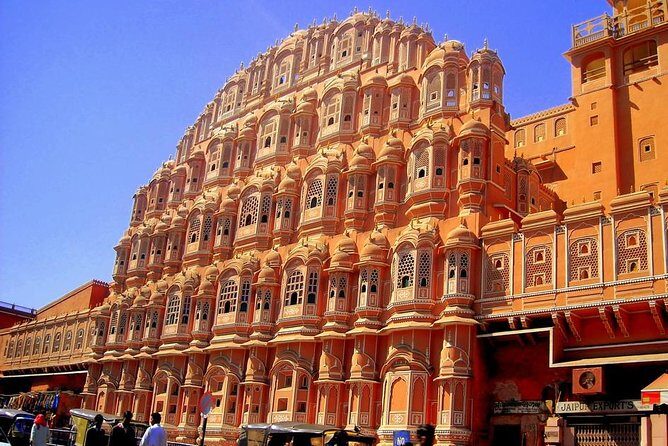
After breakfast, you drive to Jaipur. When you arrive, you check in and then go on a Pink City tour—an easy first taste of the city’s signature color palette and main sights.
From there you’ll visit:
- City Palace: tied to Maharaja Sawai Jai Singh II and the court relocation to Jaipur in the 1700s
- Jantar Mantar: a set of astronomical instruments completed in 1734
- Hawa Mahal: the Palace of Wind, built in red and pink sandstone along the edge of the City Palace complex
Two practical notes. First, many of these monument entries are marked as not included, so keep your eyes open for what you’ll need to pay on the ground. Second, Jaipur’s sightseeing is heavy on details. Even if you’re not a math person, Jantar Mantar is easier to appreciate when someone explains what the instruments do.
This day is good for first-timers because it lays out the “big visuals” quickly: palaces, observatories, and the famous façade that looks like a crown.
Day 3 in Jaipur: Amer Fort, Nahargarh, and viewpoints that feel like time travel
Today is the fort-and-panorama day. You start with Amer (Amber) Palace, a fort complex located in Amer, about 11 kilometers from Jaipur, sitting high above the plains. It’s a principal tourist attraction for a reason: it’s impressive in scale and feels designed for royal life.
Then you add Nahargarh Fort, perched on the Aravalli Hills and overlooking Jaipur. It’s part of the defensive ring system that once included Amer Fort and Jaigarh Fort, giving you a sense of how the city was protected—not just how it looked.
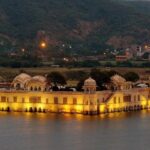
The day also includes Jal Mahal, the “Water Palace” sitting in the Man Sagar Lake. Even if you’re not going inside, it’s a classic photo spot and a neat contrast to the hard stone forts.
Timing is the only caution here. Fort days can mean lots of stairs, uneven stone, and sun exposure. Comfortable walking shoes are a smart move, and you’ll want some water planning even though the tour package data doesn’t spell out bottled water rules.
Day 4 Ranthambore: the park day that turns your “maybe” into action
You’ll head to Ranthambore National Park near Sawai Madhopur. This reserve was once a royal hunting ground and is known for tigers, along with leopards and marsh crocodiles.
You’ll have a safari session timed to the day’s plan, with park fees included. That matters because wildlife reserves can have separate entry costs and vehicle rules; having the basics covered helps you focus on the actual experience.
Here’s how to think about Ranthambore. You’re not buying guaranteed tiger sightings—you’re booking a chance in habitat where tigers can move or stay hidden. Your best odds come from following instructions and being ready for the long stretches between sightings.
If you’re the type who wants everything scheduled to the minute, Ranthambore still requires patience. The waiting is part of the deal.
You can also read our reviews of more tours and experiences in New Delhi



Day 5 Ranthambore sunrise plus Fatehpur Sikri: wild morning, Mughal afternoon
Today starts with another Ranthambore safari, and it specifically mentions sunrise. Sunrise is when the park often feels most active, and it’s also when the light makes the whole reserve look cinematic.
After that, you shift gears to Fatehpur Sikri, a Mughal-era city founded by a 16th-century emperor. The key red-sandstone cluster of buildings and the famous Buland Darwaza give you a strong sense of Mughal grandeur.
This pairing is smart. It prevents your trip from feeling one-note—wildlife in the morning, a major built heritage stop later. The only watch-out: after a dawn safari, your feet can feel heavy even if you want to keep going. Pace yourself during the afternoon so you don’t burn out before the end of the week.
Day 6 Agra: sunrise Taj Mahal and a second UNESCO day
You’ll spend the day in Agra, with a structured sightseeing plan.
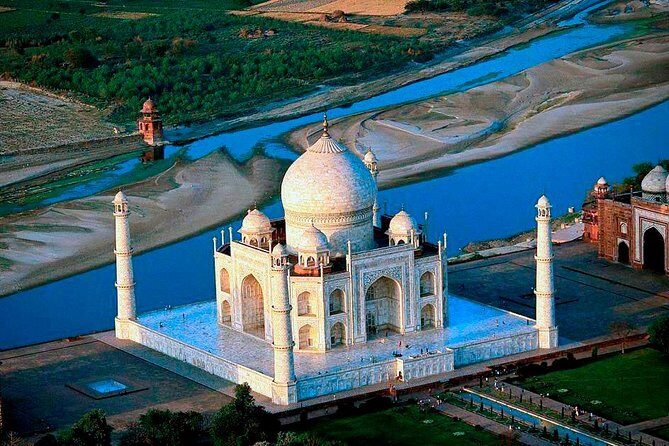
The highlight is Taj Mahal at sunrise, visited early before breakfast. The timing isn’t just romantic branding—it’s practical. Morning light and lower crowds usually make the visit more enjoyable and easier to photograph.
Keep in mind: Taj Mahal entry is marked as not included. You’ll want to have your payment ready and your plan clear with the guide/representative.
Then you move to:
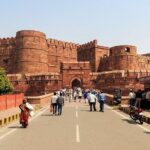
- Agra Fort: built by Emperor Akbar in 1565 CE, a UNESCO World Heritage site made of red sandstone
- Itmad-ud-Daula: often considered a draft of the Taj Mahal
- An Agra Bazaar stop focused on handicrafts, including marble and soft-stone inlay work
Agra Fort and Itmad-ud-Daula help you understand that the Taj Mahal didn’t appear out of nowhere. It’s part of a broader Mughal architecture and decoration system, with craftsmanship showing up in different forms.
One more practical consideration: Agra days can be long even when the itinerary looks neat on paper. You’re moving from early Taj to fort time, then finishing with bazaar wandering. Bring patience and a light attitude about shopping speed. If you don’t love markets, use that time to browse briefly, then focus on what’s most relevant to you.
Day 7 Delhi wrap-up: Jama Masjid, Red Fort area, and a final monument sweep
After breakfast, you do a Delhi sightseeing tour before heading to the airport for onward travel. This is the “best hits in one day” approach, and it works if you treat it like a sprint with breaks.
Stops include:
- Jama Masjid: one of the largest mosques in India, built between 1644 and 1656 under Shah Jahan
- Red Fort: Mughal residence for nearly 200 years, now tied to museums
- Raj Ghat: the memorial dedicated to Mahatma Gandhi
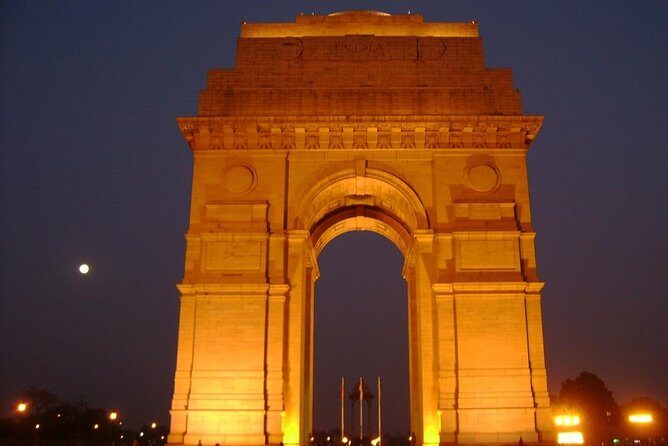
- India Gate: war memorial on Rajpath
- Humayun’s Tomb: Mughal Emperor Humayun’s tomb
- Lotus Temple: a Bahá’í House of Worship
- Qutub Minar: part of the Qutb complex (UNESCO)
Notice what’s happening: Delhi gives you multiple layers in a single day—Mughal power, modern remembrance, and both secular and religious monuments. It’s a lot to process in hours, so don’t try to “master” everything. Choose a few that genuinely grab you and let the rest be context.
Also, some entry tickets are not included here too, while a couple are listed as free such as India Gate and Lotus Temple. That mixed setup is typical in Delhi. Plan to pay where required and enjoy the walking.
Price and value: what $550 covers and what you should budget for
At $550 per person, this tour aims to deliver good value because several expensive-by-time items are handled for you:
- Six nights of accommodation (double/twin & triple sharing)
- Daily breakfasts (7 total)
- Transportation with tolls, parking, fuel, and driver allowances covered
- Local taxes
- National park fees and safari structure based on your option (it states 1 canter safari for a 3-star option and 2 canter safaris for a 4-star option)
- Local guiding in Agra and Jaipur only
What you should budget separately is admissions. Many key sites are marked as not included, including City Palace, Jantar Mantar, Hawa Mahal, Amer Palace, Nahargarh Fort, Taj Mahal, Agra Fort, Itmad-ud-Daula, and several Delhi monuments like Jama Masjid and Red Fort.
So the real value question is: do you like having major parts handled (hotel, transport, guides, safari fees), and are you comfortable paying separate ticket costs on top? If yes, this is a solid deal for a first North India swing.
Also factor in pace. “Value” isn’t only money. It’s whether you feel rushed. This itinerary is built to hit a lot of famous targets, so you should be okay with a busy rhythm.
How the included guides improve what you see
Local guides matter most at Jaipur and Agra, which is exactly where this tour includes them. These are places where the details help you understand what you’re looking at:
- In Jaipur, you get context on how and why the City Palace, Jantar Mantar, and Hawa Mahal were built.
- In Agra, you can connect Taj Mahal and the surrounding monuments to the Mughal story and craftsmanship that leads up to it.
Even a short guide explanation can turn a monument from scenery into comprehension. And comprehension is where photos stop being random and start being meaningful.
For me, that’s the best kind of “included”: not just transport, but understanding.
Timing, season, and readiness tips (so the day feels easier)
Two practical notes can save you headaches.
First: Ranthambore has a seasonal closure window listed as July 1 to Sept 30, with opening depending on weather. If your trip lands in that period, you need flexible planning and confirmation.
Second: because this trip includes sunrise visits and safaris, your comfort setup matters. Wear clothes you can handle early and warm later. Bring a small day bag. Use comfortable shoes because you’ll be walking through forts and monumental complexes.
Also, this tour is listed as requiring your passport details at booking. A current valid passport is required on the travel day. Keep it handy.
Who this tour suits best
This is a strong fit if:
- you want a first-timer Golden Triangle with minimal planning
- you like big-name sights but also want a real wildlife day
- you’re okay with an itinerary that keeps moving
- you don’t mind paying separate monument entry fees on top of the package
It may be less ideal if you prefer slow travel, deep museum time, or lots of free hours. This is a “see the highlights” week, not a “linger in one neighborhood” kind of trip.
Should you book this 7-day Delhi–Jaipur–Agra plus Ranthambore tour?
I’d book it if your top goal is to check off the core Golden Triangle sights and add Ranthambore in a way that’s organized and easy. The structure—hotel, breakfast, transport, and safari fees handled—makes it less stressful than building it yourself. And the sunrise timing for both Taj Mahal and Ranthambore is the kind of decision you’ll be glad you didn’t postpone.
I’d hesitate if your travel dates fall during the Ranthambore closure period, or if you strongly dislike early mornings and crowded monument lines. Also remember that several major entries are not included, so read your expectations carefully before you arrive with a set budget.
If you want a week that feels like a guided highlight reel with real substance, this one makes sense.
FAQ
Is pickup available from Delhi airport?
Yes. You meet a representative at Indira Gandhi International Airport and get transferred to your hotel in Delhi.
How many nights and breakfasts are included?
The tour includes six nights of accommodation and daily breakfasts for a total of 7 breakfasts.
Is this tour private?
Yes. It’s listed as a private tour/activity where only your group participates.
Do I need to pay for monument tickets?
Some attractions are marked as admission not included (for example Taj Mahal and several Jaipur/Delhi monuments). A few items are listed as free, but you should expect to pay for several entry tickets.
How is the Ranthambore safari handled?
National park fees are included, and the safari structure depends on the hotel tier: it states 1 canter safari for a 3-star option and 2 canter safaris for a 4-star option. It also includes sunrise timing on at least one safari day.
When is Ranthambore closed?
Ranthambore National Park is listed as closed from July 1 to Sept 30, depending on weather.
What documents do I need?
You must provide passport name, number, and expiry details at booking, and a current valid passport is required on the day of travel.
Is the tour refundable if I cancel?
No. The experience is non-refundable and cannot be changed for any reason.