REVIEW · NEW DELHI
Old Delhi Food Tour Safari – The Capital of Flavors
Book on Viator →Operated by TRAVEL INDIA ONE DAY · Bookable on Viator
Old Delhi can overwhelm you fast. This private Old Delhi Food Tour Safari keeps things moving with a smart mix of street food, quick culture stops, and time in Khari Baoli, where spices and nuts go wholesale.
Two things I like a lot: you get food and drinks included (so you’re not constantly doing mental math), and you also get spice-market context so you can taste with understanding, not guesswork. One drawback to plan for: the streets are narrow and busy, so you’ll want comfortable shoes and patience—this tour is great, but it’s not a sit-and-stare museum day.
In This Review
- Key points worth knowing
- Why this Old Delhi food tour feels different than a walk-and-guess
- Paharganj meet-up and how the 5-hour flow stays manageable
- Street food time: butter chicken, jalebi, and masala chai on the move
- Gurudwara Sis Ganj Sahib: a meaningful break with a clear story
- Naughara (Row of Nine Houses) and the Chandni Chowk connection
- Khari Baoli and Gadodia Market: where wholesale spices turn into flavor choices
- The rickshaw or tuk-tuk ride: navigating Old Delhi without losing the plot
- Price and value: what $8.35 covers and why it can be worth it
- Choosing your vibe: heritage-focused or vegetarian-only
- Guides make or break food tours, and this one gets it right
- Should you book this Old Delhi Food Tour Safari?
- FAQ
- How long is the Old Delhi Food Tour Safari?
- How much does it cost?
- Where does the tour start?
- Is this a private tour?
- What food and drinks are included?
- Does the tour include a rickshaw or tuk-tuk ride?
- Is Khari Baoli part of the tour?
- Are admission tickets included?
- Is there a vegetarian-only option?
- FAQ
- When is the best time to book, and how far in advance do people usually book?
- What happens if weather is bad?
Key points worth knowing
- Private by default: only your group joins, so the pace can match your comfort level.
- 5 hours that stay practical: enough time to eat, walk, and learn without feeling trapped all day.
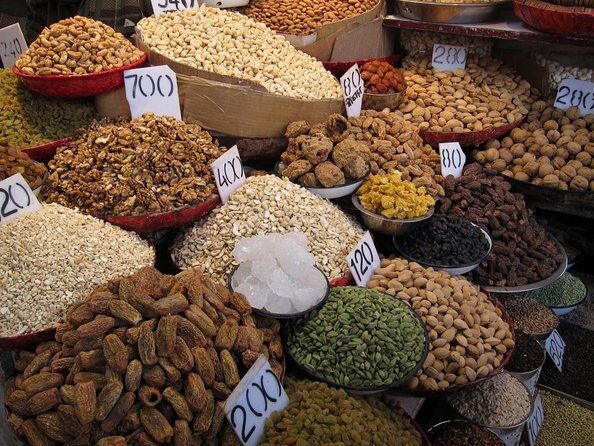
- Khari Baoli spice and nut market: wholesale sights and smells, with a guided intro to ingredients.
- Heritage or vegetarian-only options: choose the vibe when you book.
- Food favorites you’ll likely taste: butter chicken, jalebi, and masala chai show up as part of the sampling plan.
- A rickshaw or tuk-tuk ride is built in, which helps you navigate the Old City lanes efficiently.
Why this Old Delhi food tour feels different than a walk-and-guess
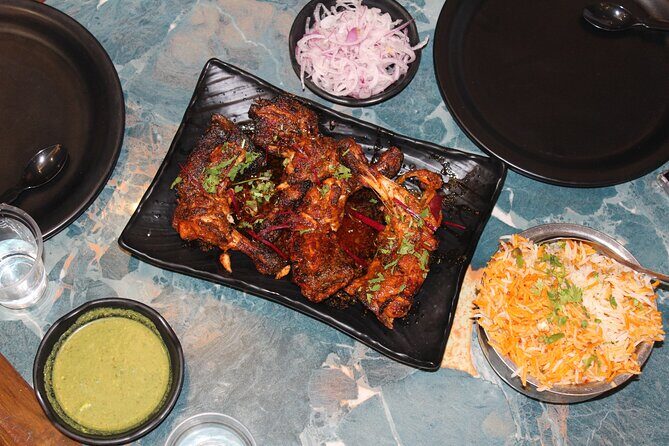
Old Delhi doesn’t do polite signage. It does smells, sound, heat, and momentum. What makes this tour work is that it doesn’t treat food like a scavenger hunt. You get a guided route that ties what you’re eating to where the flavors came from—Mughal culinary influence is specifically part of the story, and you also stop at a major Sikh place of worship.
That matters because Delhi street food is more than taste. It’s food culture built over centuries of mixing. When you understand that, butter chicken doesn’t feel random, and a sweet like jalebi feels like part of the same system, not just a dessert detour.
The itinerary also keeps a good balance: you’re not only chasing snacks. You get brief, focused moments of context—then you get back to eating.
You can also read our reviews of more food & drink experiences in New Delhi


Paharganj meet-up and how the 5-hour flow stays manageable
The day starts in Paharganj, with a meeting point at Hindustan by Backpackers heaven. You’ll connect with a representative first, and there’s an overview of the Old Delhi food and heritage route before you start moving.
This matters for first-timers. Delhi’s Old City can feel like a maze where every turn looks the same until you’re already lost. A pre-walk orientation helps you get bearings fast—especially when you’re also dealing with street traffic and crowded lanes.
A few practical notes from what’s included and what isn’t:
- Your tour includes a water bottle, plus food and drinks, so you’re not paying for every stop.
- Hotel pick-up and drop-off aren’t included, so you’ll want to plan your own way to the meet point.
- It’s a private tour, so you’re not stuck with a random group pace.
- Most travelers can participate, but the experience requires good weather—if weather cancels it, you’ll be offered a different date or a refund.
If you’re the type who likes structure (and you don’t want to do guesswork with queues, alleys, and spice-stall chaos), this format is a relief.
Street food time: butter chicken, jalebi, and masala chai on the move
The route quickly shifts from orientation into street-food sampling. You’ll explore the main street food area of Old Delhi, with hand-picked tastings that specifically call out butter chicken, jalebi, and masala chai.
Here’s why that’s a smart approach: you’re not just sampling one category of food. You’re hitting the classic mix:
- savory comfort food (like butter chicken),
- a syrupy, sweet finish (jalebi),
- and the cultural sidekick drink (masala chai).
Because your guide controls the stops, you’re more likely to get options that work together—so the day feels like a planned menu, not random bites you regret later.
What to do to make this part easier:
- Eat at the pace your guide sets, even if it looks fast. Street food is sometimes served in tiny windows.
- Take your time with chai. It’s a reset button in heat.
- Keep water handy even with the included bottle. If it’s hot, you’ll appreciate being proactive.
Also, the tour includes street food/snacks, so you’re not constantly negotiating what you can afford or what’s worth it.
Gurudwara Sis Ganj Sahib: a meaningful break with a clear story
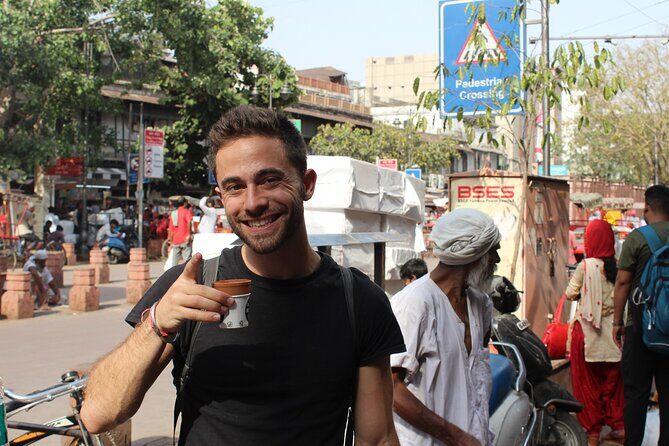
One of the most memorable stops on this route is Gurudwara Sis Ganj Sahib, dedicated to Guru Tegh Bahadur. The place marks the site associated with his execution by Aurangzeb, and that connection gives the stop more weight than just another photo-op.
Admission here is free, and the time budget is about one hour—long enough to take it in, but not so long that the food day loses momentum.
Even if you’re not chasing religious sites, I like this stop because it’s a calm pause in the middle of markets. You’ll get a different kind of Delhi: the kind where food culture sits beside spiritual and community life.
Practical tip: keep your posture respectful. You’re in a working, sacred space, not a sightseeing set.
Naughara (Row of Nine Houses) and the Chandni Chowk connection
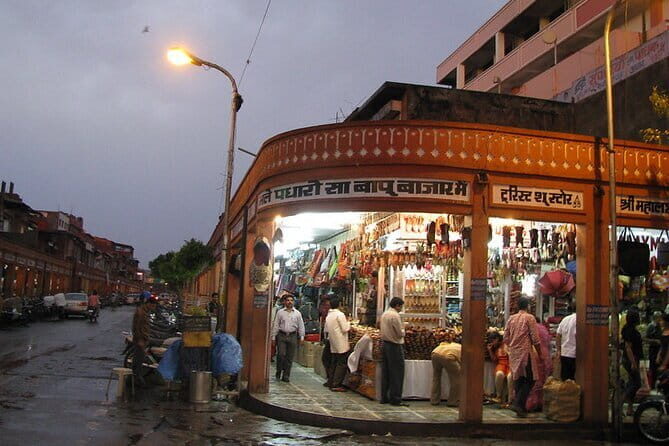
Next you move through the Old City marketplace world, including the area described as Naughara – Row of Nine Houses. This is paired with a look at Chandni Chowk, which is known for narrow lanes, traditional shops, and street food.
Chandni Chowk’s significance is tied to Mughal-era planning. The tour highlights that it was established in the 17th century by Mughal Emperor Shah Jahan. That detail helps you understand why the streets feel so deliberately shaped for shopping and movement.
The biggest “learn something, then eat” value here is orientation. You’ll see the market structure and understand how food sits inside it—vendors, narrow passages, and constant foot traffic all make sense when you know the area’s older origin.
One consideration: narrow lanes mean less personal space. If you’re sensitive to crowds, keep expectations realistic. The guide’s job is to keep you moving safely, but you still need to be comfortable with close quarters.
You can also read our reviews of more tours and experiences in New Delhi



Khari Baoli and Gadodia Market: where wholesale spices turn into flavor choices

The tour’s spice-market moment happens at Khari Baoli, specifically described as a street and wholesale hub where you’ll see Asia’s largest wholesale spice market. You’re also directed through the Gadodia Market area as part of this segment.
This is more than a stop to smell things. The market is where spices, nuts, herbs, and food products like rice and tea are sold wholesale. That gives you a helpful mental map: the chai you drink and the spices you taste didn’t magically appear at a restaurant. They move through a system.
The tour includes a spice market tour, which is the key difference versus just wandering market stalls on your own. A guide helps you connect what’s in front of you to what you’ll be eating later (or already ate), so it becomes a learning loop instead of “look at piles of powder.”
Also, shopping in the market isn’t included. That’s good value for you because you’re not pressured to buy. You can just observe, ask questions, and learn how wholesale sourcing works.
The rickshaw or tuk-tuk ride: navigating Old Delhi without losing the plot
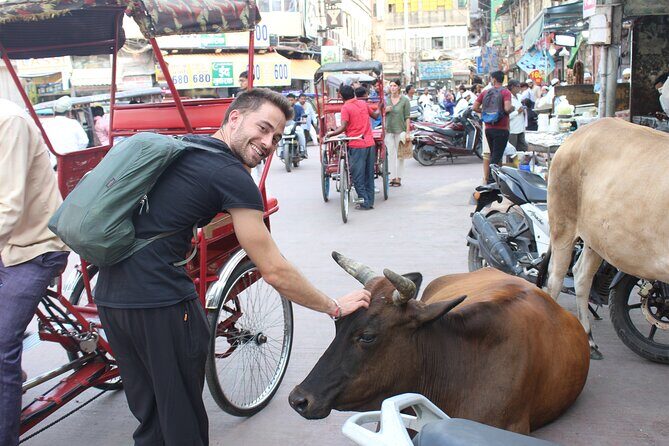
At the end you’ll enjoy a rickshaw ride through the bustling lanes of the city. The included transport is listed as tuk-tuk ride/rickshaw, so you’re not only walking the whole way.
This matters because Old Delhi walking is rewarding, but it can also burn time. Traffic patterns, narrow lanes, and crowd surges can turn a “short detour” into a long detour. The ride helps you keep the schedule and gives you a different angle on the scene—more like passing through, less like fighting through.
I’d treat it as part of the experience, not just logistics. The moment you see how tightly packed the area is, the food stops make even more sense.
Price and value: what $8.35 covers and why it can be worth it
At $8.35 per person, this tour looks like a budget-friendly way into Old Delhi food culture. The best part is what’s included: food and drinks, a water bottle, street food/snacks, spice market tour, and the rickshaw/tuk-tuk ride, plus your guide.
What’s not included is also clear:
- Shopping in the market,
- hotel pick-up/drop-off.
So you’re essentially paying for guided access, smart sampling, and transportation, with the meat of the day covered. That’s strong value if you’re only in Delhi for a short time and you want a plan that minimizes wasted time.
Private format is another value point. Since it’s private (only your group participates), you’re not forced into a one-size-fits-all pace.
One thing to keep in mind: at this price, you should expect the day to be efficient and street-focused—not a slow, luxury touring experience.
Choosing your vibe: heritage-focused or vegetarian-only
The tour includes flexible options: you can pick a heritage-focused tour or a vegetarian-only food crawl. That’s a big deal in Delhi, because food variety is enormous and preferences matter.
If you’re there for culture, go heritage-focused so the Mughal culinary influences and key cultural stops feel connected to what’s on your plate. If you’re vegetarian, choosing vegetarian-only helps avoid the awkward stop-and-skip routine that happens when groups eat mixed menus.
If you have dietary needs beyond vegetarian, you’ll want to clarify in advance. The tour data doesn’t list specific dietary accommodations beyond vegetarian, so it’s smart to confirm what’s possible.
Guides make or break food tours, and this one gets it right
The strongest signal from real-world feedback is guide quality. Names like Danish and Sona/Sonal come up with consistent praise for being down to earth, well spoken, and genuinely generous with food.
More importantly, the guide doesn’t just pick places. They help you navigate. People highlight feeling safe and comfortable, and that’s huge in a place where getting lost can feel stressful quickly.
If you want the best experience, lean into the guide’s role:
- Ask what you’re tasting and why it’s paired that way.
- Use the guide to pace yourself in heat.
- Listen for tips on how to move through the lanes.
A good guide turns street food from chaos into a story.
Should you book this Old Delhi Food Tour Safari?
Book it if you want:
- a private, guided Old Delhi route,
- street food tastings built around classics like butter chicken, jalebi, and masala chai,
- a meaningful stop at Gurudwara Sis Ganj Sahib,
- and a guided look at Khari Baoli’s wholesale spice market.
Consider skipping or adjusting expectations if:
- you hate crowds and narrow lanes,
- you can’t handle walking in good-weather conditions,
- or you need hotel pick-up since it’s not included.
If you’re visiting Delhi for a short time, this is the kind of tour that saves you from decision fatigue. You show up, you taste, you learn just enough context to make the flavors stick, and you leave with a clearer picture of how Old Delhi eats.
FAQ
How long is the Old Delhi Food Tour Safari?
The tour runs about 5 hours (approx.).
How much does it cost?
The price is $8.35 per person.
Where does the tour start?
You meet at Hindustan by Backpackers heaven in Paharganj.
Is this a private tour?
Yes. It’s listed as a private tour/activity, so only your group participates.
What food and drinks are included?
The tour includes food and drinks, plus street food/snacks and a water bottle.
Does the tour include a rickshaw or tuk-tuk ride?
Yes. Tuk-Tuk Ride/Rickshaw is included.
Is Khari Baoli part of the tour?
Yes. You’ll explore the Khari Baoli wholesale spice and nut market as part of the route.
Are admission tickets included?
The itinerary shows Gurudwara Sis Ganj Sahib as free. Some other stops note admission not included, but specific entrance fees for every stop aren’t listed.
Is there a vegetarian-only option?
Yes. You can choose a vegetarian-only food crawl when booking, or go for a heritage-focused option.
FAQ
When is the best time to book, and how far in advance do people usually book?
On average, this tour is booked about 10 days in advance.
What happens if weather is bad?
The experience requires good weather. If it’s canceled due to poor weather, you’ll be offered a different date or a full refund.