REVIEW · NEW DELHI
7-Day Private Tour: Delhi, Agra, Jaipur, Jodhpur and Udaipur from Delhi
Book on Viator →Operated by Pacific Classic Tours India · Bookable on Viator
This route hits the big icons fast.
I like that it’s a private setup with local guides, so each UNESCO stop has real context, not just quick photo ops. I also love the rhythm of sunrise Taj Mahal plus a calm evening Lake Pichola cruise, which balances the intensity of Delhi and Rajasthan sightseeing.
One thing to consider: the itinerary is packed, with long road legs between cities. If you hate schedule pressure, you’ll want to plan for early starts and time on the road.
In This Review
- Key things that make this tour worth a look
- Price, what you get, and where the extras fit
- Day 1 in Delhi: Tombs, towers, Lotus Temple calm, and the Agra transfer
- Day 2 in Agra: sunrise Taj Mahal plus Agra Fort viewpoints
- Day 3 in Jaipur: Amber Palace, royal courtyards, and Jantar Mantar calculations
- Day 4 to Jodhpur: the Blue City feeling and the Clock Tower market night
- Day 5: Mehrangarh, Jaswant Thada, Umaid Bhawan, Ranakpur, then Udaipur
- Day 6 in Udaipur: Jagdish Temple, City Palace, Lake Pichola boat cruise, and Monsoon Palace
- Day 7: after breakfast, drop-off in Udaipur
- Who this tour is best for
- Should you book this Delhi–Agra–Jaipur–Jodhpur–Udaipur private tour?
Key things that make this tour worth a look
- Private car + local guides across multiple cities so you get explanations at every major stop
- Sunrise Taj Mahal with return battery bus/golf cart from the parking area
- UNESCO checklist in two regions: Humayun’s Tomb, Qutub Minar, Taj Mahal, Agra Fort, Amber Fort, Jantar Mantar
- Udaipur by water, not just viewpoints with a shared Lake Pichola boat cruise at sunset
- A strong Rajasthan day mixing Mehrangarh Fort, Jaswant Thada, and Ranakpur Jain Temple on the way to Udaipur
Price, what you get, and where the extras fit
At $608 per person for a 7-day private journey, the value comes from what’s bundled in. You’re not just paying for transport. The tour includes six nights of hotel accommodation with breakfast (when you select the hotel option), a private air-conditioned vehicle, entrance fees for the sights listed, unlimited bottled water, and guided visits at the sightseeing locations.
It’s also notable that the schedule includes a couple of ticket-heavy highlights without making you assemble details yourself. Taj Mahal sunrise is timed as a proper event, and you get the battery bus/golf cart help returning from the Taj Mahal parking area.
Now the extras. Meals and drinks aren’t included, so you’ll still be choosing lunch and dinner each day. Also, at Amber Palace there’s a jeep ride option that can apply (listed as $3 per person for 5+ travelers). If you’re traveling as a group, it’s worth asking ahead if jeep time will be part of your day or if you’ll prefer walking where possible. Finally, mandatory gala dinners on Christmas Eve and New Year Eve aren’t included and are charged by the hotel.
Net: this is the kind of package that makes sense if you want structure. If you’re the type who likes to wander independently for long stretches, you’ll feel every scheduled stop.
You can also read our reviews of more private tours in New Delhi


Day 1 in Delhi: Tombs, towers, Lotus Temple calm, and the Agra transfer
Day 1 starts with a 9:00am pickup from your chosen location in Delhi, Gurugram, or Noida. Then you work through a satisfying mix of Mughal, medieval, and modern Delhi icons before you finally sleep in Agra.
Humayun’s Tomb is first. It’s a UNESCO World Heritage site tied to Mughal history, and the guided visit helps you understand why it matters architecturally—not just that it’s famous. Next is Qutub Minar, also UNESCO, where the tall 12th-century tower anchors a whole complex of ruined monuments. You get about an hour here, which is enough time to look up, then take in the details around the complex.
Then comes Lotus Temple. It’s free and intentionally peaceful. One important note: it’s closed on Mondays, so if your timing lands there, expect an adjustment.
You finish Delhi with India Gate and classic government-area drive-bys, including Parliament House and Rashtrapati Bhavan. These aren’t deep-dive stops, but they help you get your bearings. Then the day turns into travel time: a late-afternoon 3-hour drive to Agra and check-in at your pre-booked hotel.
Practical tip: Day 1 is the warm-up day, but it’s still a full day. Wear comfortable shoes. Delhi sightseeing is spread out, and you don’t want tired feet by the time you hit the next city.
Day 2 in Agra: sunrise Taj Mahal plus Agra Fort viewpoints
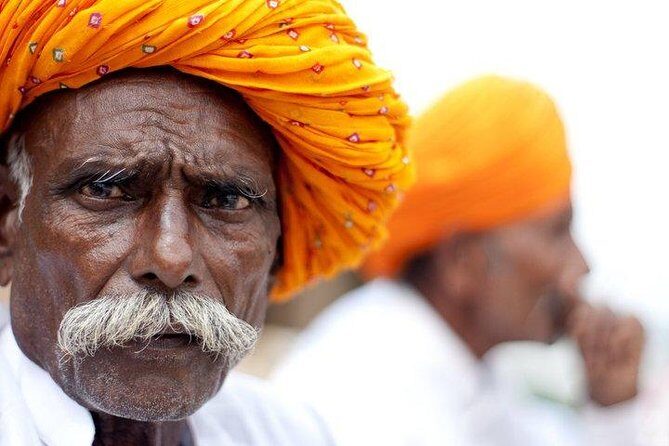
If your memory of this trip has one anchor, it’s the sunrise Taj Mahal. The tour is set for morning viewing, and it’s subject to weather conditions, which is realistic for any sunrise plan.
You get about two hours at the Taj Mahal. Sunrise is the difference between crowded and calm, plus the light gives the marble a softer look. The package also includes the return battery bus/golf cart from the parking area, which helps you conserve energy so you can actually enjoy the walk inside.
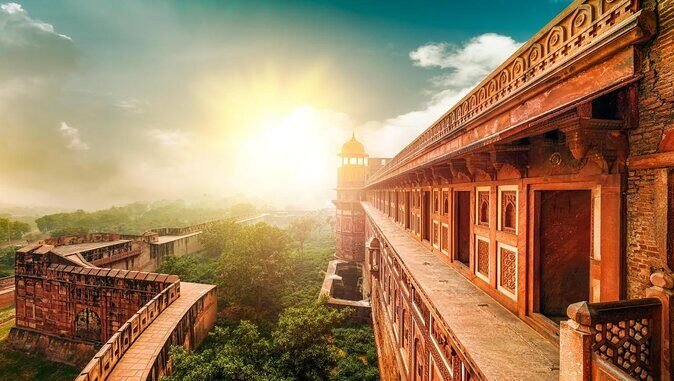
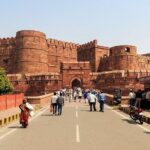
After that, you head to Agra Fort, another UNESCO stop. This one tells the story of Mughal power along the Yamuna River. You get around one hour, which is short, but it’s the right length for a fort visit during a tight week.
By the time you’ve done Taj Mahal and Agra Fort, you’ve covered the heart of India’s Golden Triangle from the Mughal side. Later, you drive on to Jaipur and check in at your pre-booked hotel.
A small consideration: with sunrise Taj Mahal, you’ll likely be starting the day earlier than you’d plan on your own. If you’re traveling with anyone who struggles with early mornings, give yourself extra cushion mentally.
Day 3 in Jaipur: Amber Palace, royal courtyards, and Jantar Mantar calculations
Jaipur day is a blend: a major fort, iconic photo landmarks, and royal-and-science stops in the city.
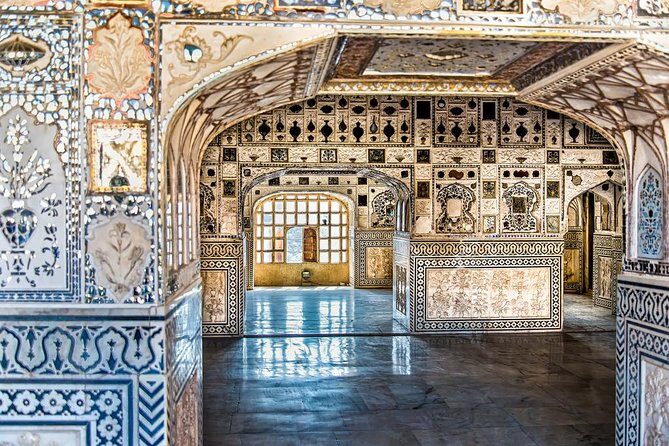
Amber Palace is first. The tour allows about two hours and includes admission. Amber is known for its honey-colored strength and layered Rajput architecture. You get a scenic sense of place, but don’t treat it as only a photo wall. The best visits are the ones where you slow down enough to notice patterns and the layout.
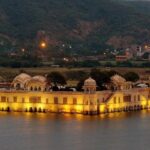
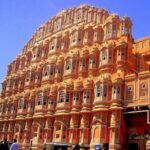
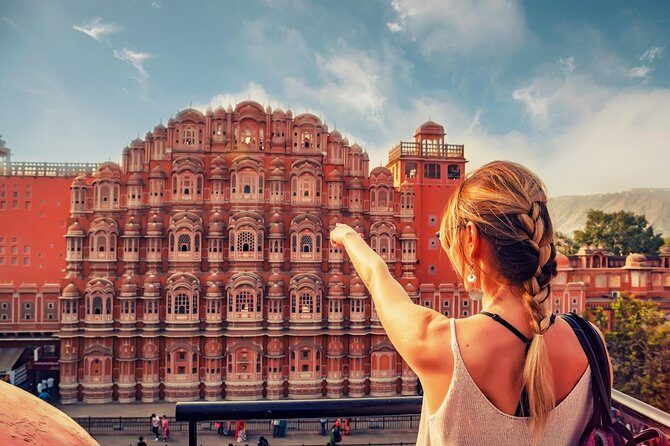
Jal Mahal and Hawa Mahal are listed as short photo stops. You’ll see the Water Palace (Jal Mahal) from the right viewing angle, then catch Hawa Mahal (Palace of Winds) quickly. Both are worth it as picture moments, but don’t expect long wandering time here.
Then you move into the City Palace of Jaipur. Admission is included and you get about one hour. This is the royal family’s former residence area, now a museum-like complex. If you like connecting the dots between architecture and how power worked in Rajasthan, City Palace helps you do that.
Next is Jantar Mantar, a UNESCO observatory with geometric instruments designed to track celestial movement. The tour allots around one hour. This stop surprises a lot of people. You’ll feel like you’re looking at art until you remember it’s also a system for observing the sky.
What I like for you: this day doesn’t only say Rajasthan = forts. It gives you a science-minded stop and a museum-style palace, so you see more sides of the region in one itinerary.
Day 4 to Jodhpur: the Blue City feeling and the Clock Tower market night
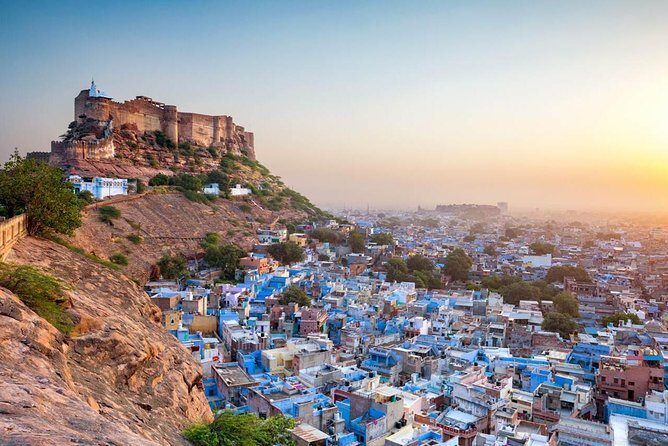
Day 4 begins after breakfast. You drive toward Jodhpur, a 5-hour transfer that brings you into the famous Blue City. You’ll have time to settle your expectations: narrow streets, unexpected turns, and a feeling that the city twists in on itself.
Once in Jodhpur, the evening plan focuses on the Clock Tower Market area—Ghanta Ghar, with Sardar Market nearby. The tour gives you about two hours here, which is the right length for a market stop without turning it into a shopping marathon. You get sights and sounds, and you can pick up water, snacks, or small items if you want.
This is a good day for casual wandering. The fort days are more structured; the market evening lets you absorb the city’s everyday energy.
A consideration: market evenings mean more people and more walking. If you’re visiting with mobility constraints, ask your guide about pacing early in the day.
You can also read our reviews of more tours and experiences in New Delhi

Day 5: Mehrangarh, Jaswant Thada, Umaid Bhawan, Ranakpur, then Udaipur
This day is a highlight reel. It starts in Jodhpur with Mehrangarh Fort, then continues through memorial and palace-related sites, then adds Ranakpur Jain Temple before you finally reach Udaipur.
Mehrangarh Fort is one of India’s heavy hitters. The visit is about two hours, and the scale is part of why it feels so powerful. Inside, you’ll see palaces and structures that tell a story of rulers who had to defend and also display their wealth.
You then visit Jaswant Thada, a white marble cenotaph built in the 19th century. It’s only about 30 minutes, but it’s a beautiful contrast to the fort: smoother, calmer, and focused on memory.
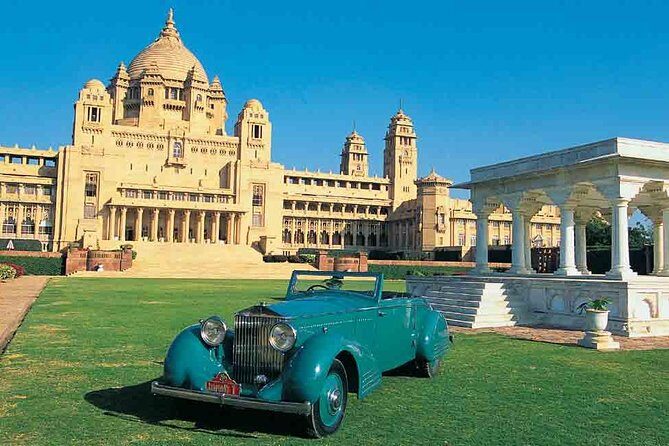
Next is Umaid Bhawan Palace Museum. You get around one hour, with admission included. The tour is designed to show you both a living royal presence in parts of the palace and the museum portion with a collection connected to the royal family’s artifacts.
Then you drive to Ranakpur Jain Temple en route to Udaipur. This stop is included with admission and about one hour. Ranakpur is known for its remarkably preserved halls and thousands of distinct-looking pillars—listed as 1444 pillars with no two alike. Even with limited time, it’s the kind of site where your brain quietly goes, How is this structure still here after centuries?
Finally, you continue to Udaipur. The drive is long—listed as about 6 hours—and it sets up the most scenic part of the trip: arriving to a city built around Lake Pichola and the Aravalli ridges.
Practical tip: this is the day where a private car pays off. Public routes between Jodhpur, Ranakpur, and Udaipur would be slower and more exhausting. Here, your energy stays focused on the sights.
Day 6 in Udaipur: Jagdish Temple, City Palace, Lake Pichola boat cruise, and Monsoon Palace
Udaipur day starts with Jagdish Temple, a busy Indo-Aryan temple built in 1651. Admission isn’t required, and the stop is about 30 minutes. It’s a chance to see living religious practice rather than only palace-museum settings.
Then you visit the City Palace of Udaipur, the largest palace in Rajasthan as listed, with about two hours. You’ll see balconies, towers, cupolas, and the museum collections. This isn’t only about architecture. It also gives you a clear sense of how rulers shaped the city around Lake Pichola.
After that comes one of the most relaxing parts of the whole week: Lake Pichola. You get a shared boat cruise of about one hour, and it’s scheduled to help you enjoy the views at the right time of day. The tour also includes that water is central to Udaipur’s charm, especially compared with the more fort-and-stone mood of Delhi, Agra, and Jaipur.
Next is Bagore Ki Haveli Museum. It overlooks the lake and is housed in an 18th-century haveli with many rooms decorated with period furniture. The visit is about one hour. This is a good “bridge stop” after the boat because it shifts you from lake scenery to domestic royal life.
You end with Sajjangarh Monsoon Palace in the early evening. The palace sits on a hill like a storybook silhouette. The tour allocates about one hour, with admission included. If you want the trip to end on a visual high, this is it.
A consideration: Monsoon Palace is in open air and up on a hill. Wear layers you can adjust for temperature changes, especially later in the day.
Day 7: after breakfast, drop-off in Udaipur
The tour wraps after breakfast with drop-off at Udaipur airport, railway station, or your hotel or other desired location in Udaipur.
This is intentionally simple. You don’t lose your last morning to another major driving day, so you can either catch a flight without stress or hold a little free time if your schedule allows.
Who this tour is best for
This private route fits best if you want a structured 7-day overview with minimal planning and maximum iconic stops.
I think it’s especially strong for:
- First-timers to Delhi and Rajasthan who want UNESCO sites handled correctly, including entry timing and guides
- People who prefer private transport so they spend less time managing logistics between cities
- Small groups or solo travelers who want a full itinerary but also the comfort of a driver and local guide for each area
It’s less ideal if you’re the type who needs long free afternoons to recharge. The schedule covers a lot, and you’ll feel the travel days.
On a personal-service note, one highlight from past experiences with this company is how well the team handled the driving and care. One solo traveler praised Prem for being a capable driver, and that matters here because your comfort on the road affects how much you enjoy the sights once you arrive.
Should you book this Delhi–Agra–Jaipur–Jodhpur–Udaipur private tour?
You should book if you want a private, guide-led tour that hits the major UNESCO and classic Rajasthan highlights in a week, with hotels, entrance fees, and a Lake Pichola boat cruise already built in. The value is strongest when you choose the hotel-inclusive option and treat the schedule as your plan, not a suggestion.
I’d hesitate if you crave a slow pace or you’re traveling with someone who gets grumpy with early starts and long drives. This itinerary is designed to move. When it’s a good fit, it feels efficient and satisfying; when it isn’t, the days can feel too full.
If you want an organized first trip to India’s Golden Triangle plus the Rajasthan forts and lakes, this one is built for that mission.