REVIEW · NEW DELHI
Spice Knight (Cooking Class -> Meal -> Local Market walk)
Book on Viator →Operated by Saffron Palate · Bookable on Viator
A kitchen lesson in Delhi can be chaotic. This one is mostly organized: small-group cooking, then a local market walk with an explanation of what you cooked. It pairs hands-on instruction with a proper lunch spread, so you leave with both recipes and a sense of how Indian flavors are built.
Two things I like a lot are the personal attention (maximum 12 people) and the clear structure: you learn, you eat, then you connect it to what you can buy. One thing to keep in mind is that the market time is an orientation and walk after lunch, not a long ingredients-hunting expedition.
If you want lots of shopping time before cooking, you may feel slightly underfed on that front. But if you want to understand spices, bread, and technique, the flow makes sense and the lesson stays practical.
In This Review
- Key highlights at a glance
- Why the Saffron Palate format works so well
- The small-group kitchen: what you’re actually paying for
- From market aromas to your cutting board: how the day flows
- What you’ll cook: the menu range and why it’s a good mix
- Lunch that feels like a meal, not a snack
- The market walk after lunch: what to look for
- Dietary needs: how much flexibility you can expect
- Value check: is $85 actually fair?
- Who this class suits best (and who should skip)
- Tips to get the most from your lesson
- Should you book Spice Knight at Saffron Palate?
- FAQ
- How long is the Spice Knight experience?
- Where does the tour start?
- What’s included in the lunch and meal?
- Can the menu be adapted for dietary restrictions?
- Is there transport to the market?
- What about cancellation and weather?
Key highlights at a glance
- Neha-style small-group teaching: hands-on guidance with supportive, approachable instruction
- 4 main dishes + 3 breads: a full, learn-and-eat meal rather than a token cooking demo
- Lunch plus drinks and dessert: you’re not rationing the food part of the experience
- Private transport to the spice market area: less time negotiating Delhi traffic
- Spice boxes available to buy: bring flavors home in a form that’s actually useful
- Diet customization possible: vegetarian/vegan and gluten-free can be arranged with notice
Why the Saffron Palate format works so well
This experience is built like a three-part story: cook, eat, then go look at the ingredients behind the magic. The start point is Saffron Palate (R 21, First Floor, near Chor Minar, Block R, Padmini Enclave, Hauz Khas). That matters because you’re not meeting in a maze of street stalls and trying to guess which door is right.
The timing also helps you plan your day. The tour starts at 11:30 am and runs for about 4 hours. That’s a sweet spot for learning and not feeling rushed, especially in a city where your commute can eat time fast.
And you get real meal coverage. The class and menu include 4 main dishes plus 3 breads, and lunch comes with dessert and beverages. Even the included bottled water counts, because you’ll be busy enough with cooking and tasting.
You can also read our reviews of more walking tours in New Delhi



The small-group kitchen: what you’re actually paying for
The price is $85 per person, and it’s easy to compare that to cheaper cooking classes. Here’s the value math that matters: you’re paying for instruction + a full lunch + private transport to the market area + recipes. You’re not just being shown a dish. You’re being guided through making dishes that fit Indian home cooking.
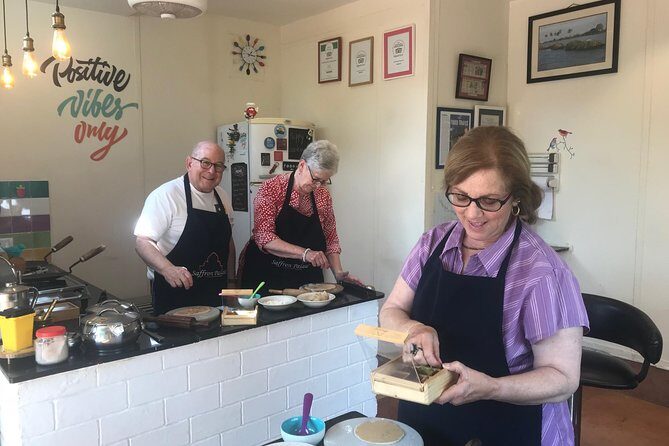
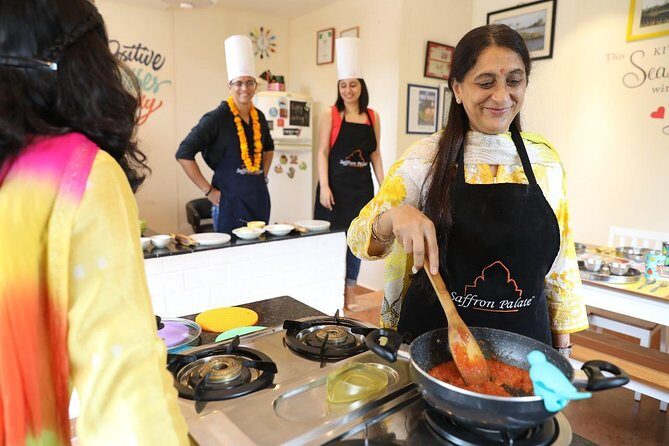
Group size is limited to 12 travelers, which is where you’ll feel the difference. In a larger class, you end up watching more than doing. Here, the setup is geared toward you getting questions answered while you’re cooking.
You also have a key detail that can make or break a class: recipes are provided. That turns the day from a fun outing into something you can recreate at home. Without recipes, you’d be relying on memory, and Indian dishes can be hard to reproduce from taste alone.
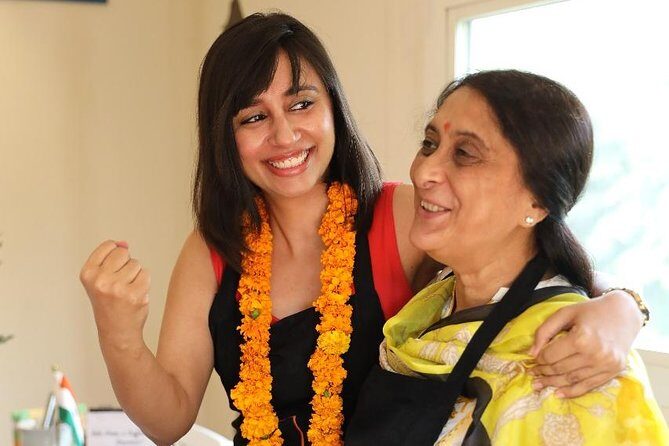
One more practical point: the teacher named Neha is described as kind and helpful, and the lesson feels accessible across skill levels. That’s important if you’re a beginner. If you’re more confident, you’ll still benefit from technique and ingredient explanations rather than just watching someone else cook.
From market aromas to your cutting board: how the day flows
The big difference in the day’s structure is that your market walk comes after you cook and eat. That might sound backward if you love a full shopping spree. But it’s actually useful for learning.
In the kitchen, you’ll handle spices and ingredients and see how they behave—how ginger-garlic changes a gravy, how the spice blend perfumes oil, how breads come together. Then, on the market walk, you get a guided orientation of the spices and vegetables you used. You’re not just looking at stalls. You’re mapping what you cooked to what’s for sale.
Transport to the market is handled by private vehicle, which reduces stress. Delhi navigation can be a sport. This removes most of the guesswork so you can focus on the food part.
What you’ll cook: the menu range and why it’s a good mix
The menu is flexible. Your three-course style experience may include dishes such as butter chicken, palak paneer, biryani, or aloo gobi. The exact combination can vary, but the experience consistently includes 4 main dish options and 3 breads.
That mix is smart for learning:
- You get at least one creamy, tomato-forward type dish (think butter chicken or similar).
- You often get a spinach or vegetable-forward dish (like palak paneer).
- You get a dish that teaches seasoning balance and spice layering (breads and mains together make this easier to understand).
- If biryani is on the menu, you’ll see how fragrant rice is built and finished.
The bread component matters because it’s not a side thought. Indian meals often rise or fall on breads. Having 3 breads in the included menu gives you a real chance to understand texture and rolling techniques, even if you’re new.
Lunch that feels like a meal, not a snack
Lunch is included, and it’s not just plates of food while you rush out. The plan includes lunch, plus dessert and beverages like juice and tea/coffee (aerated drinks are also listed). Bottled water is included too.
This matters because cooking classes can go one of two ways: either you eat at the end if you’re lucky, or you get small portions. Here, the structure is meal-first in the sense that you should sit down and enjoy what you’ve cooked.
Also, having dessert included is a nice way to complete the flavor experience. If the menu includes rich mains like butter chicken, dessert helps round out the day instead of leaving you full but flat.
You can also read our reviews of more shopping tours in New Delhi


The market walk after lunch: what to look for
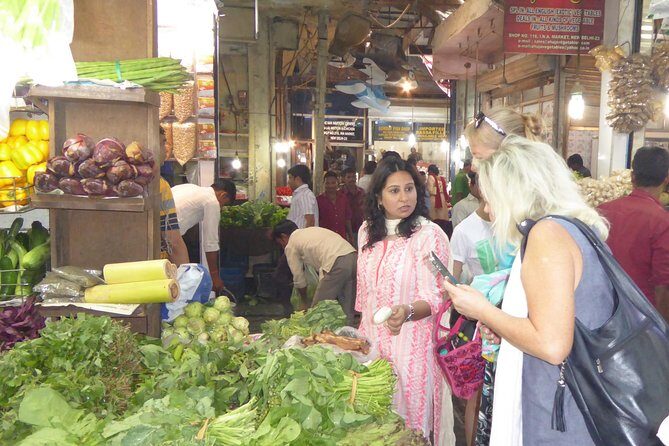
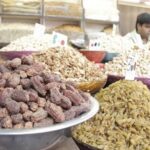
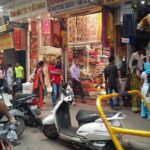
After the cooking and meal, you’ll head out for a local spices and vegetable market walk. The market is positioned as one of Delhi’s exciting food bazaars, and the walk includes an orientation of the spices/vegetables used earlier plus other Indian specialties.
What this means for you on the ground:
- You’ll learn how spices are typically sold and categorized.
- You’ll connect what you used in class to what you’ll see in sacks and blends.
- You’ll get a sense of what’s common in home kitchens versus what’s more specialty or seasonal.
It’s also where you can shop for spice boxes, but remember: spices themselves aren’t included. Spice boxes are listed as available to purchase in the market, so if you want take-home flavors, bring some cash and be ready to decide based on what you’ll actually use.
One consideration: since the walk is after lunch, you might see fewer shoppers buying huge bundles of ingredients right at that moment. The walk is best seen as guided context plus light shopping, not a full day of sourcing.
Dietary needs: how much flexibility you can expect
If you have dietary restrictions, this is one of the more adaptable experiences in this category. The menu can be customized for vegan/vegetarian/gluten-free. You need to share preferences at booking, since the menu is designed to include multiple mains and breads.
This flexibility makes the class more valuable, because you’re not forced to swap out one dish and call it a day. You’re building a whole meal around your needs.
If you want the best outcome, think about what you avoid beyond the basics. For example, gluten-free can sometimes still run into cross-contact issues depending on kitchen practice, but your request is what the provider needs to account for.
Value check: is $85 actually fair?
At $85 per person, this isn’t the cheapest way to learn Indian cooking. So I judge it on what you receive.
You get:
- 4 main dishes + 3 breads
- Lunch + dessert + beverages
- Recipes provided
- Private transport to the local market area
- A small group max 12
- A guided orientation walk afterward
If you treat this as one big meal plus a serious lesson, the price can feel reasonable. Especially if you’d otherwise pay for a cooking class and then separately buy ingredients for multiple attempts at home.
If you go in expecting that you’ll spend a long time selecting fresh ingredients before cooking, then it might feel pricey. Some people want the market to be the main event and the cooking to be the easy part. This experience swaps that. The learning and meal come first, and the market supports the lesson after.
Who this class suits best (and who should skip)
This works best for you if:
- You want structured instruction and practical recipes you can use again.
- You enjoy Indian food but want to understand why dishes taste the way they do.
- You like small-group settings where you can ask questions and not wait your turn.
You might skip if:
- You want a long, shopping-heavy market day as the centerpiece.
- You dislike classes where some ingredients may already be prepared for smooth cooking flow. In any cooking class, time matters, and kitchens typically keep things moving.
- You’re mainly interested in buying ingredients rather than learning technique.
The best part is that the experience is broad enough for different skill levels. With Neha teaching and the group size kept small, you’re not just a spectator.
Tips to get the most from your lesson
A few practical moves will make your day smoother and your results better at home:
- Ask about spice use while you cook. The point isn’t just to make it once. It’s to learn what to adjust next time.
- Take your recipes seriously. After the day, set aside time to cook again within a week. Spices and bread technique fade fast.
- If you plan to buy spice boxes, decide earlier than you think. You’ll likely want to choose flavors you’ll actually cook with, not just what looks impressive.
- Expect tasting during class. If you’re sensitive to very spicy food, mention it when you arrive so the teacher can guide you.
Also, since the experience depends on good weather, have a flexible mindset. If weather changes, the tour may be rescheduled or adjusted.
Should you book Spice Knight at Saffron Palate?
If your goal is to leave with usable recipes, a solid understanding of spices and breads, and a proper Delhi food outing that doesn’t eat your whole day, I’d book it. The small-group format and the inclusion of multiple dishes make it feel like more than a demo.
If your top priority is a long market shopping sprint where you pick ingredients first and do a lot of buying, then you might feel the market time is too short and too structured. In that case, look for a market-first tour.
My bottom line: book this if you want to learn Indian cooking the practical way—cook, eat, then connect it to what you can buy in Delhi.
FAQ
How long is the Spice Knight experience?
It runs for about 4 hours.
Where does the tour start?
It starts at Saffron Palate, R 21, First Floor, near Chor Minar, Block R, Padmini Enclave, Hauz Khas, Delhi 110016.
What’s included in the lunch and meal?
You get lunch plus beverages (including juice and tea/coffee), bottled water, dessert, and the meal includes 4 main dish options and 3 breads.
Can the menu be adapted for dietary restrictions?
Yes. Vegetarian/vegan options are available, and gluten-free customization is mentioned. You should advise dietary constraints at booking.
Is there transport to the market?
Yes, private transport to the local market is provided by private vehicle.
What about cancellation and weather?
You can cancel for a full refund up to 24 hours before the experience starts. The experience requires good weather, and if it’s canceled due to poor weather, you’ll be offered a different date or a full refund.