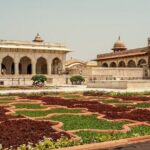
Old Delhi is sensory chaos with a plan. This 3 to 3.5 hour walk pulls together religion and food you can actually trust, moving from old markets to major worship sites and ending with spice-world stops that make Instagram feel easy. You also get outside views of big history landmarks like Red Fort and the Fatehpuri Mosque, plus a run of photo-friendly corners along the way.
What I like most is how the guide turns street eating into something you can navigate: food safety and ingredients get explained for classics like samosa, jalebi, paratha or choley bhature, and chai. The guide, Aman Sadh, also throws in a bit of Hindi and practical money-saving tips for India, which is handy when you’re surrounded by noise, smells, and menus that don’t translate.
One possible drawback: this is Old Delhi, so you’ll spend time in tight lanes and around crowds, with stops timed for flow. If you hate hectic street energy, wear comfortable shoes and pace yourself.
In This Review
- Key things you’ll notice
- Chandni Chowk Start: Getting Oriented in Old Delhi
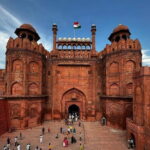
- Red Fort Outside Views: A Quick History Hit
- Gurudwara Sis Ganj Sahib and the 15,000-Person Free Kitchen
- Naughara Nine Houses and Temple Photo Walks
- Fatehpuri Mosque: The 370-Year-Old Landmark
- Asia’s Largest Spice Market and the Secret Spice Mansion
- Street Food Tastings With a Food-Safety Lens
- Rickshaw Ride, Hindi Nudge, and Money-Saving Tips
- Price, Group Size, and Practical Value at $30.13
- Should you book Old Delhi Odyssey?
- FAQ
- How long is the Old Delhi Odyssey tour?
- Where is the meeting point, and does it end there too?
- What street food and drinks are included in the tastings?
- What religious and market stops are included?
- Is there a rickshaw ride?
- How large are the groups, and what is the cancellation policy?
- Final booking call
Key things you’ll notice
- Aman Sadh’s on-the-ground explanations that connect what you see to what it means
- Street food that’s tried-and-tested for safety, not random guessing
- Gurudwara Sis Ganj Sahib and its mega kitchen, where 15,000+ people eat for free daily
- Asia’s largest spice market plus a stop at a secret spice mansion
- Naughara nine houses lane for good photos without hunting
- Rickshaw ride through the chaos, not just a walk-and-stand tour
Chandni Chowk Start: Getting Oriented in Old Delhi
You begin at Metro Station Lal Qila, right in the Chandni Chowk area. That matters because Old Delhi can feel like a maze even when you know the name of the street. Starting near public transit also helps you avoid the extra stress of figuring out where your day actually begins.
Once you’re moving, the tour’s rhythm is smart. Instead of sprinting, you build context as you go: market sights first, then the religious stops, then the food and spice side of the day. It’s a nice way to understand how daily life connects to faith here. And because the guide teaches you a bit of Hindi, you’re not just staring at signs and hoping for the best. You’ll pick up simple language cues that can help you navigate basic interactions and food questions more confidently.
This is also where you’ll likely get your first taste of what makes the experience different: the guide doesn’t treat the market like a background set. The food you’ll eat later gets connected to what you’re seeing now—ingredients, how items are made, and why certain flavors matter in the culture.
Tip: expect lots of faces, movement, and strong smells. Keep your camera ready, but don’t block the flow around you.
You can also read our reviews of more food & drink experiences in New Delhi


Red Fort Outside Views: A Quick History Hit
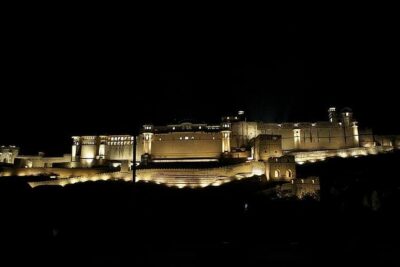
After you get your bearings, you’ll see Red Fort from outside. This is a useful stop for most people because it gives you the landmark impact without turning the day into a ticket-chasing marathon. You’ll still get the payoff: classic Old Delhi scale, strong photo angles, and a sense of how history frames the neighborhood.
From there, the tour keeps momentum rather than lingering too long in one spot. That’s good for a short 3 to 3.5 hour experience. If you’re the type who wants a lot of “see it” moments packed into a morning or afternoon, this pacing works.
One thing to know: because it’s an outside view, your best photos will depend on timing and where the crowd settles. Keep your patience. In markets like this, the view often improves when you wait for a clear moment.
Gurudwara Sis Ganj Sahib and the 15,000-Person Free Kitchen
The standout religious stop is Gurudwara Sis Ganj Sahib. This tour doesn’t just point at a temple facade and move on. It focuses on the heart of the place: the mega kitchen where 15,000+ people eat for free every day.
That number changes how you look at the day. Free meals for thousands is not a small detail. It’s the kind of fact that helps you understand the practical side of worship here—faith that shows up as food, service, and community. And the guide’s explanations matter because they help you connect what you see with how the system works and why it’s organized the way it is.
In a short tour, this stop gives you something memorable beyond scenery. You also get the “big meaning” feeling without needing to study architecture or religious text in advance. You can just pay attention to how people move, how service happens, and what the kitchen represents in daily life.
Respect note: dress and behavior matter at places of worship. Follow the guide’s cues, and you’ll have a smoother, more respectful experience.
Naughara Nine Houses and Temple Photo Walks
Next comes a stretch built for photos and atmosphere: Naughara, the row of nine houses lane. This is one of those small places that can save you time later. Instead of searching for the perfect alley angle, you’re guided right to a lane known for good pictures.
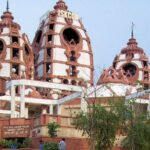
Along the way, you’ll also see Jain and Hindu temples from outside. Even if you don’t go inside, the external look still helps you understand how layered Old Delhi is. Different traditions share the same neighborhood space, and the tour helps you notice that instead of skipping past it.
This part of the day is where you’ll want to slow down for a minute and look up. Markets train your eyes to stare forward at shopfronts, but Old Delhi’s beauty is often in textures, entrances, and the small details on walls and doorways. The guide helps you frame shots, and the photo stops come naturally inside the route rather than as awkward interruptions.
If you’re planning to post on Instagram, this is a good section to work quickly: take the shot, then keep moving so you don’t get stuck behind slower groups.
Fatehpuri Mosque: The 370-Year-Old Landmark
A big visual anchor is Fatehpuri Mosque, which the tour highlights as a 370-year-old second-largest mosque. Outside views here give you a clear sense of scale and history without pulling you into long waits or extra ticket processes.
This stop also balances the religious calendar of the day. You’ve already been at a Sikh gurudwara. Now you shift into another major tradition. That contrast helps you understand Old Delhi as a lived-in religious space, not a theme park.
One practical note: outside monuments can be excellent for photos, but they’re also frequent congestion points. If you’re the type who needs a quiet moment to think, step back for a minute. The guide’s job is to keep the group moving, so you may have to wait for your preferred angle.
You can also read our reviews of more tours and experiences in New Delhi


Asia’s Largest Spice Market and the Secret Spice Mansion
Then comes the spice portion, and it’s the reason many people book this tour in the first place. You’ll visit Asia’s largest spice market, where the air alone feels like information. But the guide structure keeps it from being random browsing.
Instead of just telling you what spices are called, you’ll connect them to flavors and food you’ll taste. That’s where the tour earns its name: you’re learning the ingredients side of Indian street food, not just collecting photo memories.
You’ll also visit a secret spice mansion, which adds variety. Markets can be loud and chaotic, so a distinct spice-focused stop helps break the day up. Expect it to feel more guided and intentional than pure street shopping.
If you want to bring spices home, this is the moment to pay attention. The guide can help you understand what you’re buying and why certain blends might be used for certain dishes. Even if you don’t shop, you’ll leave with a better “flavor map” for what you ate.
Note: if you’re sensitive to strong scents, give yourself a few seconds before stepping into the densest spice areas. You’ll still get the experience without rushing your senses.
Street Food Tastings With a Food-Safety Lens
Food is the headline here, and it’s handled with structure. The tour explicitly focuses on tasting a different variety of tried and tested for safety Indian street food. That single phrase matters because Old Delhi street eating can be intimidating if you don’t know where to start.
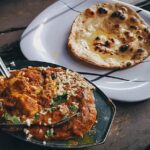
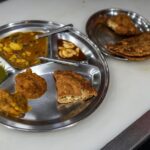
The tasting list is specific: samosa, jalebi, paratha or choley bhature, and chai. You’re not just eating one thing and calling it a day. You’re comparing textures and flavor logic across different categories: savory snacks, sweet syrupy items, wheat-based staples, and warm tea.
What I like about this setup is that it turns food into learning. The guide explains history and ingredients, which helps you remember more than just the taste. When you know what’s inside or why something is served that way, you can replicate the idea later, even if you can’t replicate the exact street setup back home.
Also, you’re eating as part of a guided route. That reduces decision fatigue. Instead of standing in front of options wondering what’s safe or worth trying, you follow the plan and get context along the way.
Spicy and intensity note: the tour doesn’t claim bland food, and Old Delhi street flavors can be bold. If you’re very sensitive, tell the guide early so you can adjust portions and choices within the tasting flow.
Rickshaw Ride, Hindi Nudge, and Money-Saving Tips
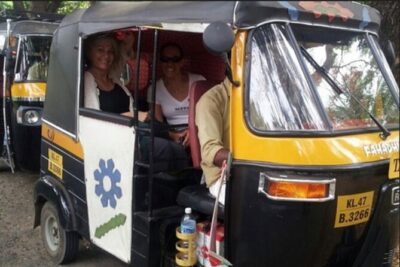
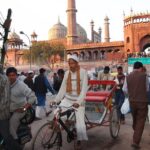
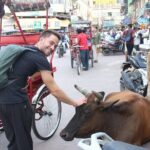
One of the most fun segments is the rickshaw ride in the chaotic Old Delhi market. It’s not just entertainment. It gives you a moving view of how the neighborhood functions, and it’s a break from walking after you’ve been absorbing sights for hours.
Then there’s the human side that keeps this from feeling like a checklist tour. The guide includes Hindi teaching, and that makes a difference when you’re surrounded by people speaking quickly around you. Even small language basics can help you feel less lost and more in control.
You also get tips and recommendations on how to save money in India. The data doesn’t spell out the exact tactics, but the value is clear: you’re getting guidance from someone who works the streets and understands what tourists tend to overpay for.
If you’re the kind of traveler who wants culture plus practical payoffs, this is the right blend. If you only want silent sightseeing and minimal interaction, you might find the conversation pace a bit lively.
Price, Group Size, and Practical Value at $30.13
At $30.13 per person for about 3 to 3.5 hours, this tour is priced in a way that usually works best for short, high-impact days. The value isn’t only the sights. It’s the combination of guided religion stops, a major market route, a rickshaw ride, and a structured street food tasting.
Group size is capped at 100 travelers, with a mobile ticket included. A larger group can sometimes mean less personal time, but the high rating suggests the guide keeps explanations clear and organized.
You’re also booked into a day where stops are built for flow, not long dead time. That’s important in Old Delhi because the environment changes fast. If you’re trying to fit this into a tight itinerary, the short duration helps.
Based on the overall rating (5 out of 5 across 285 reviews) and strong recent booking activity, the tour has traction. High satisfaction usually means you’re less likely to feel stuck with awkward timing or bland explanations.
Should you book Old Delhi Odyssey?
Book it if you want a guided Old Delhi plan that treats food, religion, and spice as connected parts of the same story. This one works well when you care about tasting classics you can trust, seeing major worship sites like Gurudwara Sis Ganj Sahib, and learning enough along the way to remember the why behind the flavors.
Skip it if you hate crowded streets, strong scents, or conversational guides. This is a short tour, but it still runs through the real Old Delhi vibe—meaning you’ll trade a bit of quiet for a lot of momentum and value.
FAQ
How long is the Old Delhi Odyssey tour?
It runs about 3 to 3.5 hours.
Where is the meeting point, and does it end there too?
The start is Metro Station Lal Qila, 1202 Netaji Subhash Marg, near Netaji Subash Place, Lal Qila, Chandni Chowk, New Delhi. The activity ends back at the meeting point.
What street food and drinks are included in the tastings?
The tour highlights tasting of samosa, jalebi, paratha or choley bhature, and chai.
What religious and market stops are included?
You’ll visit Chandni Chowk, Gurudwara Sis Ganj Sahib with its mega kitchen, Asia’s largest spice market, and see Fatehpuri Mosque (370 years old, second-largest mosque) from outside. You also get outside views of Jain and Hindu temples, plus a stop at Naughara (nine houses lane) and a secret spice mansion.
Is there a rickshaw ride?
Yes. You’ll enjoy a rickshaw ride through the chaotic Old Delhi market.
How large are the groups, and what is the cancellation policy?
The maximum group size is 100 travelers. Cancellation is free up to 24 hours before the start time for a full refund.
Final booking call
If you want the best shot at Old Delhi flavor and faith in one organized morning—without guessing which street stalls to trust—this tour is a smart pick. The strongest selling point is the guide-led structure around safe street food and the big community experience at the Sikh mega kitchen.