REVIEW · NEW DELHI
New Delhi to Agra Jaipur 4 Days Tour
Book on Viator →Operated by Sunil Day Tours · Bookable on Viator
Four days, three cities, zero guesswork.
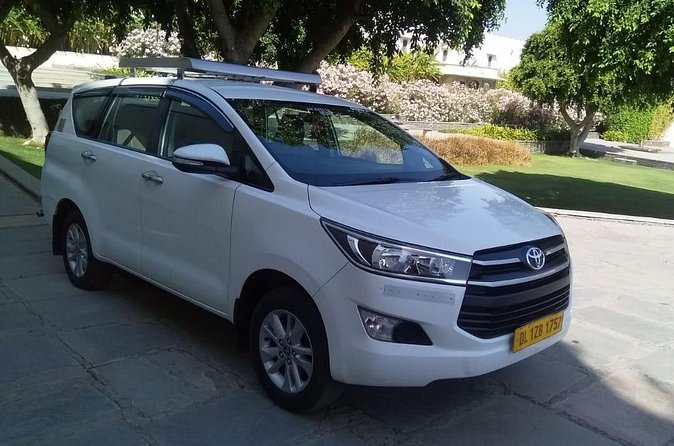
This route keeps things efficient while still hitting the big names: UNESCO monuments in Delhi, the Taj Mahal and Agra Fort in Agra, then Jaipur’s forts, palaces, and astronomy sights. You get a built-in pace that helps you spend less time figuring out transport and more time actually looking.
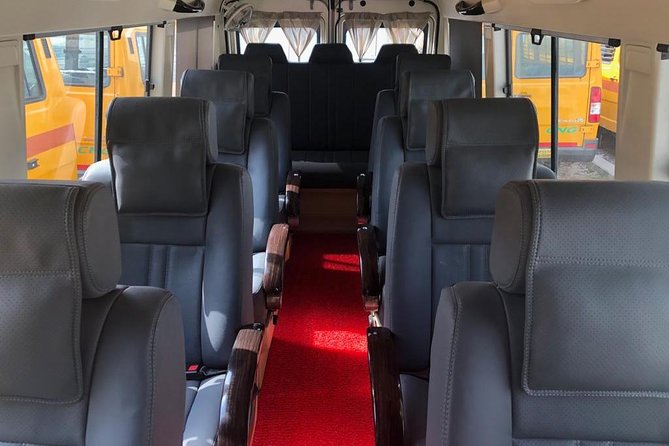
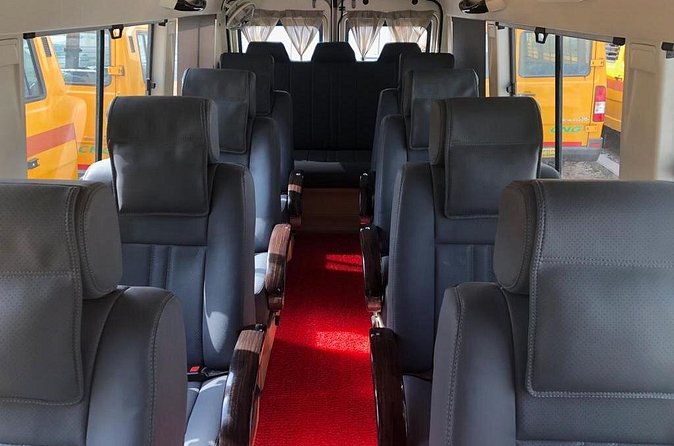
I love the private air-conditioned car and driver setup, especially because tolls, taxes, fuel, and parking are handled for you. I also like that you can add English-speaking guides for deeper explanations when you want them.
One thing to plan for: monument entrance fees and your hotel stay are not included, and some days involve long drives. If you hate car time, this itinerary can feel like a lot of road.
In This Review
- Key highlights
- Price and what you actually get in 4 days
- Day 1 in Delhi: UNESCO tombs, a towering minaret, and Chandni Chowk
- Humayun’s Tomb: the Mughal masterpiece that sets the tone
- Qutub Minar: intricate design up close
- India Gate and the presidential landmarks (drive-by context)
- Jama Masjid and the walk into Chandni Chowk
- Raj Ghat and evening shopping
- Day 2 to Agra: Taj Mahal mid-morning light plus Agra Fort
- Taj Mahal: planned for mid-morning viewing
- Agra Fort: the Mughal power base you can feel
- Optional Baby Taj and sunset at Mehtab Bagh
- Day 3 from Agra to Jaipur: Fatehpur Sikri, Abhaneri Step Well, and Galta Ji
- Fatehpur Sikri: fort-city energy, not just a stop
- Abhaneri Step Well: a geometry lesson in stone
- Galta Ji Temple: a spiritual stop with a lived-in feel
- Day 4 in Jaipur: Amber Fort, Hawa Mahal photos, City Palace, and Jantar Mantar
- Amber Fort: artistic Hindu elements you can actually see
- Hawa Mahal: quick photo, big visual impact
- City Palace and Jantar Mantar: royal life meets science
- Jaipur bazaars: shop with a plan
- Late afternoon option: drive to Delhi or Jaipur airport
- The English-speaking driver setup: why it matters more than you think
- What to watch out for on this exact route
- Who should book this 4-day Golden Triangle
- Should you book Sunil Day Tours for Delhi–Agra–Jaipur?
- FAQ
- What’s included in the New Delhi to Agra Jaipur 4 Days Tour?
- What isn’t included in the tour price?
- Do I get pickup from Delhi?
- Can I arrange an English-speaking guide?
- How long are the drives between cities?
- When do I get confirmation, and can I cancel for free?
Key highlights
- Air-conditioned private transport with tolls, taxes, fuel, and parking taken care of
- English-speaking driver (and English-speaking guides available as an option)
- Taj Mahal timing aimed for strong mid-morning light
- UNESCO-packed Day 1 with Humayun’s Tomb and Qutub Minar
- Fatehpur Sikri, Abhaneri Step Well, and Galta Ji as meaningful stops on the way to Jaipur
- Service that’s described as punctual and safety-focused, with drivers like Sonu and Om named in past experiences
Price and what you actually get in 4 days
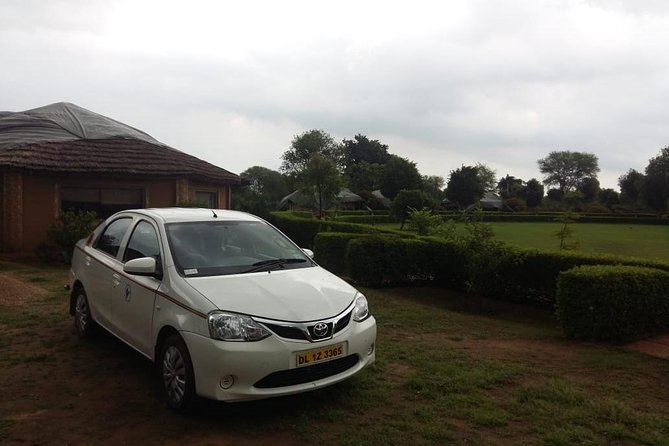
At $200 per person for about 4 days, you’re paying for the core convenience: a private car plus an English-speaking driver. The price also covers the hidden stuff that can trip you up—tolls, taxes, fuel surcharge, and parking fees—so you’re not constantly pulling out your wallet for logistics.
What’s not included matters, too. You’ll need to budget for:
- Hotel/accommodation (not included)
- Entrance fees for monuments and museums (not included)
- Personal expenses like snacks, drinks, shopping, and tips
So the value question becomes: will you use the driver and comfort, and are you okay paying entrance fees on top? If yes, this is a solid way to cover the Golden Triangle without turning your trip into a transport puzzle.
You can also read our reviews of more tours and experiences in New Delhi


Day 1 in Delhi: UNESCO tombs, a towering minaret, and Chandni Chowk
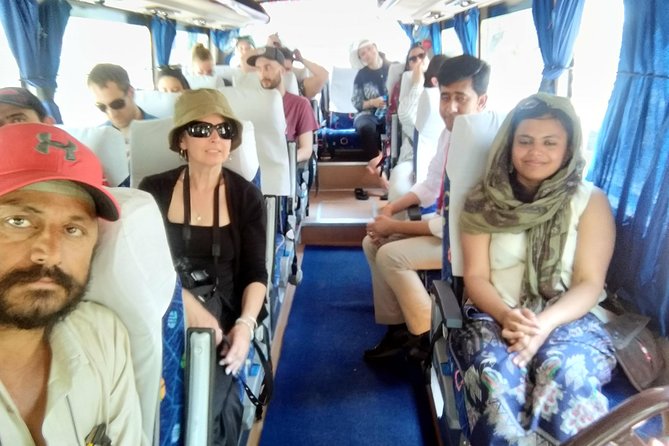
Day 1 is built for momentum. You start in Delhi with stops that are visually dramatic and historically important, then you end with street life and free time for shopping.
Humayun’s Tomb: the Mughal masterpiece that sets the tone
Humayun’s Tomb is a UNESCO site, and it’s a great opening because it’s easier to enjoy right away. It gives you a clear introduction to how Mughal architecture likes symmetry, gardens, and scale. If you’re new to India’s monument vocabulary, this is a smart first stop: you can immediately see what makes the later masterpieces like the Taj Mahal possible.
Tip: Wear comfortable shoes. This site rewards slow looking, but you’ll still be doing walking.
Qutub Minar: intricate design up close
Next comes Qutub Minar, another UNESCO highlight. People come for the height, but what makes it memorable is the mix of details—ornamentation, stonework, and the way the complex feels layered. It’s also a good choice early in the day because you’re less likely to feel rushed.
Possible drawback: If you don’t love crowd-heavy sites, you may want to mentally prepare for busy hours.
India Gate and the presidential landmarks (drive-by context)
You’ll pass India Gate and see the Parliament House and Rashtrapati Bhavan from the road. This isn’t a museum stop, but it helps you place Delhi on a map in your mind. Seeing the layout of a capital—government buildings and major avenues—makes the rest of your sightseeing feel more grounded.




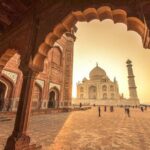

Jama Masjid and the walk into Chandni Chowk
Jama Masjid is one of India’s largest mosques, and it’s a powerful contrast to the earlier tomb and tower stops. Afterward, you’ll head into Chandni Chowk. This is where the trip turns from monuments to people and motion.
Here’s what you’ll likely feel: sensory overload in the best way. Narrow lanes, shopfronts, and the constant flow of daily life. You’ll get a very different kind of “world-class” than the UNESCO sites.
Raj Ghat and evening shopping
Raj Ghat is the memorial of Mahatma Gandhi, and it offers a quieter reset after the big sights. Then your evening is intentionally free—shopping time—so you can decide how much street wandering you want versus resting.
Day 2 to Agra: Taj Mahal mid-morning light plus Agra Fort
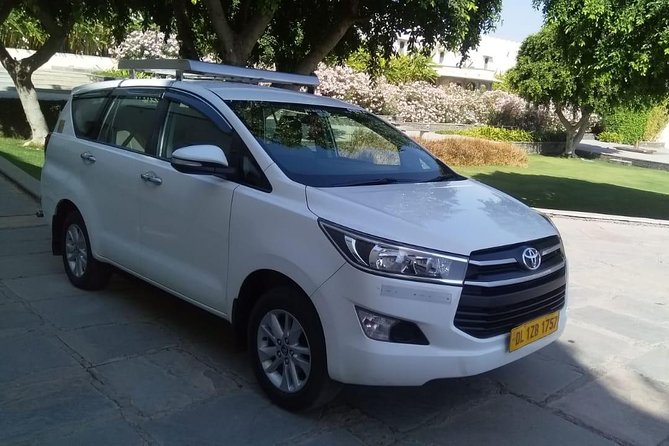
The day begins with an early departure from Delhi (about 3–4 hours by road). That early start is the whole point: you want time to reach Agra and still see the Taj Mahal without feeling like you’re sprinting.
Taj Mahal: planned for mid-morning viewing
This itinerary specifically suggests mid-morning for the Taj Mahal. The goal is practical: you get good visibility and easier photo conditions than you’d often get late-day haze. Even if you’ve seen photos before, in person the scale hits differently.
My practical advice: don’t treat the Taj Mahal as a quick photo stop. Plan to spend time reading the architecture with your eyes—symmetry, the marble surfaces, and the way the complex frames sightlines.
Agra Fort: the Mughal power base you can feel
After the Taj Mahal, you’ll visit Agra Fort. It’s a majestic red sandstone fort that served as a main Mughal residence. If the Taj Mahal is the romance, Agra Fort is the authority. You also get more variety in your day: courtyards, walls, and views over the city.
Possible drawback: You’ll be walking and climbing more than you expect from a “fort” label. Comfortable shoes help.
Optional Baby Taj and sunset at Mehtab Bagh
Late afternoon adds optional flexibility: Itmad ud daulah (Baby Taj) and Mehtab Bagh for sunset views of the Taj Mahal. This is a nice choice if you want a second look at the Taj without the crush of a peak-time visit.
You don’t have to do both, either. If you want lighter pace, go with just one. If you want more variety, add the sunset view.
Day 3 from Agra to Jaipur: Fatehpur Sikri, Abhaneri Step Well, and Galta Ji
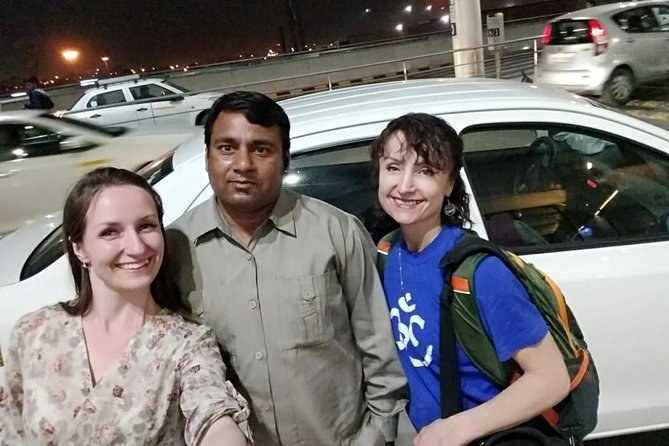
Agra to Jaipur is longer—about 4–5 hours driving—so Day 3 is a road day with real rewards en route. The trick is that the itinerary doesn’t waste those hours.
Fatehpur Sikri: fort-city energy, not just a stop
Fatehpur Sikri is a fort complex that feels like a whole separate world. It’s the kind of place where you start noticing how rulers shaped space—where to build, how to control movement, and how religion and power got tangled together over time.
If you like “bigger than one photo” experiences, this stop is for you.
Abhaneri Step Well: a geometry lesson in stone
Abhaneri Step Well (often called a stepwell) is memorable because it’s sculptural. You’re looking at a man-made structure that turns water access into architecture. It also tends to feel less tourist-scripted than some of the top icons.
Practical note: stepwell environments can mean uneven surfaces, so watch your footing.
Galta Ji Temple: a spiritual stop with a lived-in feel
Galta Ji Temple adds a different vibe—religious space with a more everyday feel. You’re also likely to notice people coming for devotion rather than sightseeing. This kind of stop changes the pace of your day in a good way.
On arrival in Jaipur, you check into your hotel. After all that driving and walking, this is your decompression window.
Day 4 in Jaipur: Amber Fort, Hawa Mahal photos, City Palace, and Jantar Mantar
Day 4 is a concentrated Jaipur highlight list, with enough stops to feel complete but not so many that you’re in sprint mode all day.
Amber Fort: artistic Hindu elements you can actually see
Amber Fort is known for artistic Hindu style elements, and that’s key. Instead of only focusing on scale, you can also enjoy the ornamentation and the way different design themes show up across the fort complex.
If you like taking time, this is one place to slow down.
Hawa Mahal: quick photo, big visual impact
Hawa Mahal is a quick stop—mainly a photo opportunity. Think of it as a “visual signature” of Jaipur. Even if you don’t spend ages here, you’ll likely understand why people remember it: the façade is instantly recognizable.
City Palace and Jantar Mantar: royal life meets science
Next up is City Palace and Jantar Mantar. City Palace includes a museum component, while Jantar Mantar is an astronomical observatory. It’s a smart pairing because you get both the human side (royal residence and collections) and the technical side (how the structures were used to observe time and the sky).
If you’re the kind of traveler who likes explanations, this is where a guide adds real value.
Jaipur bazaars: shop with a plan
The afternoon is reserved for a stroll through Jaipur’s colorful bazaars for handicrafts, textiles, and souvenirs. This is where you can lean into your interests—fabric, small crafts, and everyday gifts.
My advice: go with a budget in mind before you start browsing. It keeps the shopping fun and prevents regret later.
Late afternoon option: drive to Delhi or Jaipur airport
In late afternoon, you drive back to Delhi (about 5 hours) or head to Jaipur airport for onward flights. It’s a long wrap-up day, but it fits the 4-day structure and keeps your Golden Triangle circuit tight.
The English-speaking driver setup: why it matters more than you think
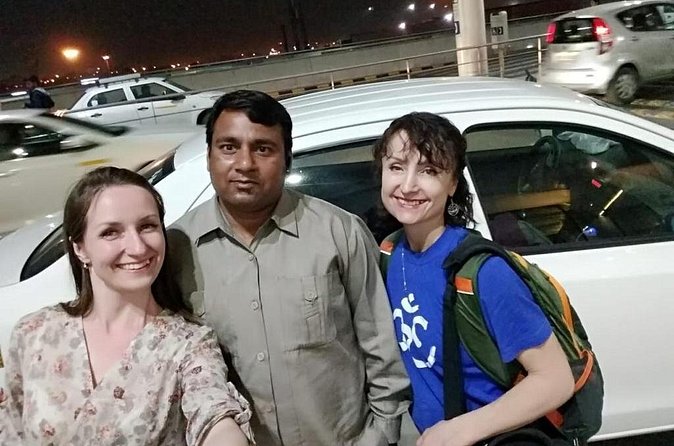
Most of the itinerary is about icons. But the real comfort comes from how you move between them. A private, air-conditioned car isn’t just luxury—it’s time and stress management.
Based on past experiences with this operator, people often highlight the same pattern:
- punctual pickup and on-time departures
- calm, safe driving
- a clean vehicle
- bottled water availability
- English-speaking help that makes it easier to understand what you’re seeing
You’ll also see names come up in past service experiences, like Niraj and Sonu as hosts/drivers, Rahul as a guide in Agra, and Om for airport pickup support. Even if you don’t know who you’ll get, the service style seems consistent: professional, friendly, and practical.
And if you choose the optional professional guides, you’ll likely get deeper context without having to read every sign yourself. In India, monument meaning often isn’t obvious at first glance, and having a human explain the connections can turn a quick tour into a clearer story.
What to watch out for on this exact route
This is the honest balance part.
- Entrance fees and hotel costs are extra. If you want a single all-in number, you won’t get it here. But if you like paying for only what you actually use, this can feel fair.
- Long road stretches stack up. Delhi→Agra (3–4 hours) and Agra→Jaipur (4–5 hours) are manageable, but they’re still a lot of seated time.
- Day 1 includes major crowded sites. If you hate crowds, you’ll need patience. The itinerary’s advantage is that you still hit the right places in a logical order.
If those points don’t bother you, the rest of the trip works well as a structured first pass through the Golden Triangle.
Who should book this 4-day Golden Triangle
This tour fits best if you:
- want a time-efficient Golden Triangle with minimal logistics
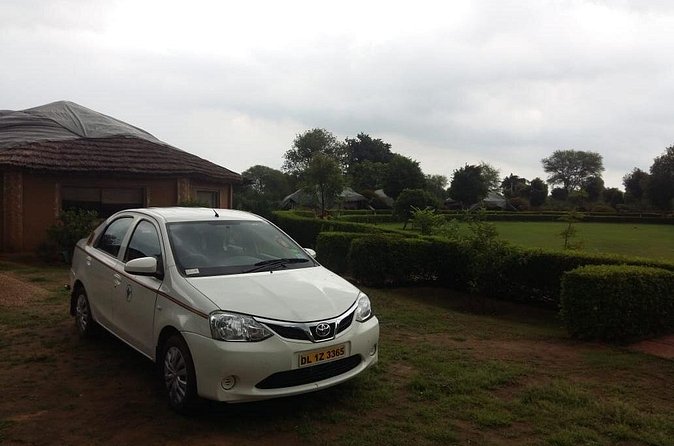
- prefer the comfort of a private car over trains or constant taxi-hopping
- like having English support so you don’t miss the meaning behind monuments
- want optional flexibility on Agra day (Baby Taj and sunset view)
It may be less ideal if you:
- want to explore completely independently without a driver’s schedule
- hate long car days and would rather split the trip into smaller regional hops
- are trying to keep costs ultra-low by avoiding paid guided support
Should you book Sunil Day Tours for Delhi–Agra–Jaipur?
If your goal is to see the headline monuments and still feel organized, I’d say yes. The biggest strength here is value-through-efficiency: private transport with the annoyances handled, English help available, and an itinerary that avoids random detours.
Before you book, do two simple checks:
- Confirm your budget for entrances and hotel, since those are the real extras.
- Decide how much guide help you want. Optional guides can turn “I saw it” into “I understand it,” especially for places like City Palace and Jantar Mantar.
FAQ
What’s included in the New Delhi to Agra Jaipur 4 Days Tour?
The tour includes an air-conditioned vehicle, private transportation, tolls and taxes, parking fee and fuel surcharge, and an English-speaking driver.
What isn’t included in the tour price?
Entrance fees for monuments and hotels/accommodation are not included. Personal expenses are also not included.
Do I get pickup from Delhi?
Yes. Pickup is offered from Delhi Airport/Hotel, and the tour starts in Delhi, India.
Can I arrange an English-speaking guide?
English-speaking guides are available as an option. The driver is English-speaking as part of the included service.
How long are the drives between cities?
Delhi to Agra is about 3–4 hours. Agra to Jaipur is about 4–5 hours. Jaipur to Delhi or Jaipur airport departure is about 5 hours.
When do I get confirmation, and can I cancel for free?
You receive confirmation within 48 hours of booking, subject to availability. The tour also allows free cancellation up to 24 hours in advance for a full refund.