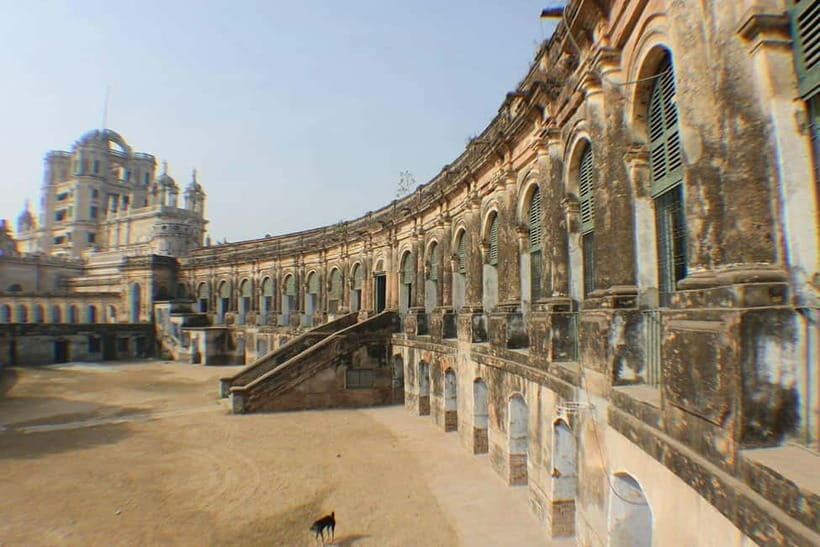
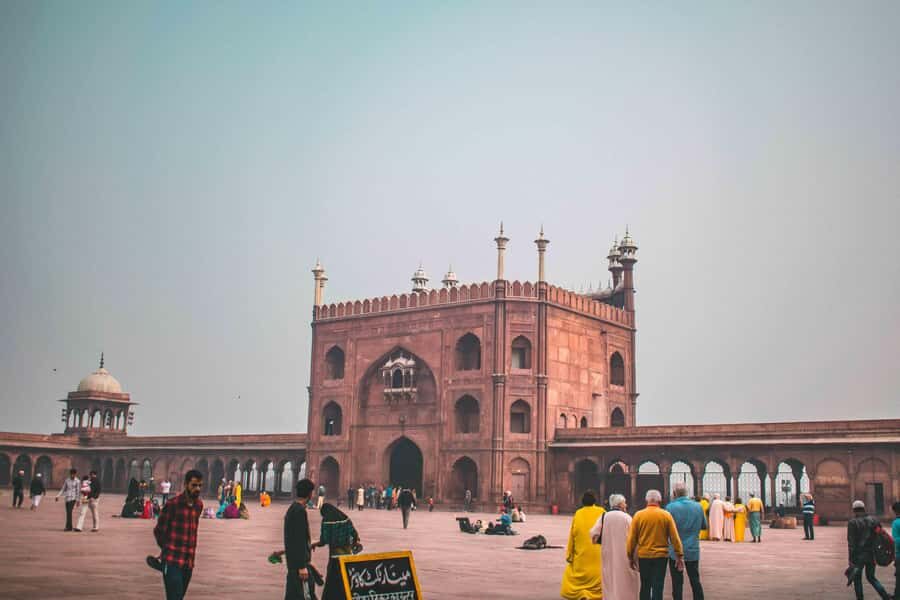
REVIEW · NEW DELHI
Mughal Heritage Tour Including Lodhi Garden, Humayun Tomb and Akshardham Temple
Book on Viator →Operated by GeTS Holidays · Bookable on Viator
Delhi has a talent for big stories.
This tour stitches together Mughal landmarks and modern spirituality in one tight loop, with hotel pickup, a professional guide, and bottled water plus light snacks during the ride. I like how the stops feel varied: tomb architecture in one block, calm garden time in the next, then a very different kind of Hindu temple experience at Akshardham. I also love that your guide talks your ear off—in a good way—covering what you’re actually looking at (including the legends connected to Sai Baba and the design logic behind Humayun’s Tomb). One consideration: timing can run longer than the listed 5 to 6 hours if traffic, temple queues, or security lines slow things down.
For me, the best part is how much context you get without it turning into a lecture.
You’ll see UNESCO-listed Humayun’s Tomb (built in 1565) with focused explanation time, then wind down in Lodhi Garden’s 90-acre setting. You’ll also deal with real-world temple rules at Akshardham—strict clothing and a no-phone, no-camera security check—which can feel annoying if you’re used to snapping photos on the fly.
In This Review
- Key things to know before you go
- A Mughal-to-Modern Delhi route in 5–6 hours
- Price and what’s included (and what isn’t)
- Stop 1: Sai Baba Temple and the power of a short visit
- Stop 2: Lodhi Garden—tombs, shade, and a breather from the city
- Stop 3: Humayun’s Tomb and Mughal architecture that you can actually read
- Stop 4: Akshardham Temple—modern scale, strict rules, and big visuals
- What you must know about Akshardham security and dress
- Getting around Delhi without losing your mind
- What to wear and pack for smooth entry
- Dress code checklist
- Bring only what won’t cause drama at security
- Who this tour suits best (and who should consider alternatives)
- A quick reality check on guide quality and pace
- Should you book this Mughal Heritage Tour?
- FAQ
- How long is the Mughal Heritage Tour?
- What does the $94 per person price include?
- Are admission tickets included for all the stops?
- Is pickup from my hotel included?
- Is this a private tour?
- What’s the dress code for places of worship?
- Is a sarong provided if my clothes don’t meet the requirements?
- Are mobile phones and cameras allowed at Akshardham?
- What items are prohibited inside the Akshardham complex?
- When should I cancel for a full refund?
Key things to know before you go

- Hotel pickup and drop-off with private-vehicle transport, plus bottled water and light refreshments
- Sights are paired well: Sai Baba Temple, Lodhi Garden, Humayun’s Tomb, then Akshardham
- Humayun’s Tomb entry fees cost extra, while other listed stops are admission ticket free
- Akshardham has strict entry rules: you’ll need covered shoulders and knees, and phones/cameras are prohibited
- Guide quality varies by person, but strong English and friendly, hands-on explanations are common
- Delhi traffic is the wildcard that can stretch the day, even with a good driver and plan
A Mughal-to-Modern Delhi route in 5–6 hours
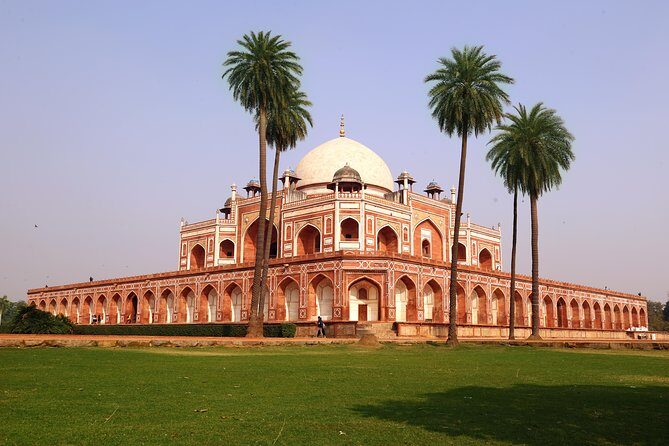
This tour is built like a greatest-hits playlist. In one half day, you go from a religious storytelling stop to Mughal architecture, then finish at a major modern temple complex. The route makes sense if you’re new to Delhi and want your bearings fast—without bouncing between far-flung neighborhoods for a full day.
The pacing is also practical. You get a short visit at Sai Baba Temple, a longer stroll through Lodhi Garden, guided time at Humayun’s Tomb, and then about an hour at Swaminarayan Akshardham. It’s enough time to feel the place, not so long that you’re exhausted on the ride back.
And yes, Delhi traffic can ruin the best plans. One reason this tour works anyway: you’re on private transport, so your guide can shift timing to keep you moving, and you’re not stuck waiting with a huge group.
You can also read our reviews of more historical tours in New Delhi



Price and what’s included (and what isn’t)
At $94 per person, you’re paying for more than just entry tickets. The big value piece is the combination of hotel pickup and drop-off, private vehicle transport, and a professional guide. You also get bottled water and light refreshments to handle the heat and the stop-and-go rhythm of the city.
Here’s the part to watch: monument fees cost extra. In the itinerary, Humayun’s Tomb specifically lists admission as not included. The other named stops are marked as admission ticket free in the schedule. That means your final cost depends mostly on Humayun’s Tomb fees and any other on-site charges you choose to add.
So is it worth it? For most first-timers, yes—especially if you want context. A guide who can point out what matters (rather than just reciting dates) can turn a quick stop into a “now I get it” moment.
Stop 1: Sai Baba Temple and the power of a short visit
Your day starts with pickup from your hotel and a trip to Sai Baba Temple. The schedule sets aside about 30 minutes, and that’s just long enough for two things: quiet time in the religious space and your guide’s narration of Baba’s life and stories.
Even if you’re not deep into the theology, this kind of stop changes how you read the rest of Delhi. You’re not just chasing architecture; you’re seeing how spirituality shapes daily life and how stories carry through generations.
One practical note: you’ll still need to follow the dress code for places of worship. If you show up in shorts or sleeveless tops, you may get refused entry. Bring something easy to cover with, or plan on a sarong option if the venue offers it.
Stop 2: Lodhi Garden—tombs, shade, and a breather from the city
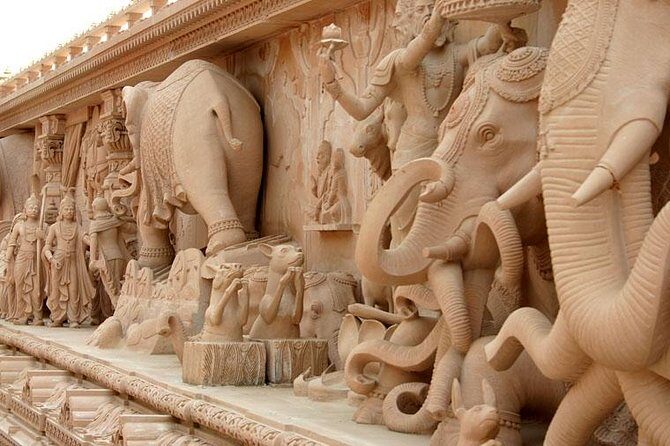
Next comes Lodhi Garden, which covers about 90 acres and holds the tombs of Mohammed Shah and Sikander Lodi. This stop is longer—about 50 minutes—and it’s your reset button.
I like Lodhi Garden because it doesn’t try to be dramatic. It’s just greener, calmer, and more open than you expect in central Delhi. The tombs feel grounded in the landscape, and the atmosphere gives your brain time to absorb what you saw at the temple.
A useful way to enjoy this stop: slow down. Don’t race for photos. Walk the paths, look for the tomb shapes and details, and let your guide connect the dots between the Mughal world and the wider story of Delhi’s rulers.
If you’re traveling in hotter months, this is also where shade helps. If you’ve been sitting in traffic earlier, the garden walk is a welcome change of pace.
Stop 3: Humayun’s Tomb and Mughal architecture that you can actually read

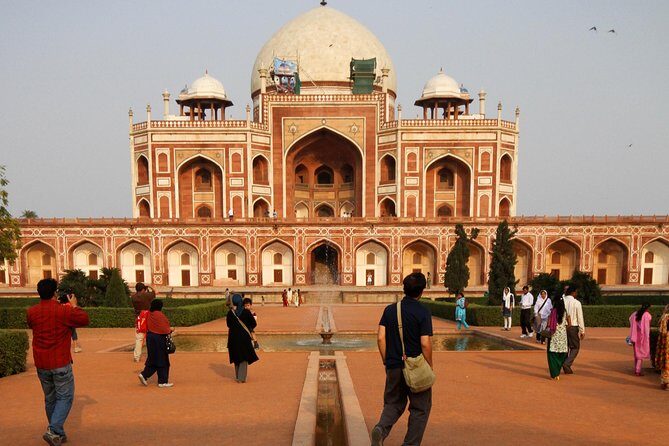
Then you hit the highlight that most people come for: Humayun’s Tomb. The tomb was built in 1565 C.E., and it’s listed as UNESCO-listed, which you’ll feel immediately when you see how carefully the space is arranged.
You’ll spend around an hour and a half with your guide focusing on Mughal architecture. This is the stop where a good guide makes a huge difference. You’re not just looking at a big building—you’re learning how Mughal design creates balance with gardens, symmetry, and carefully planned visual sightlines.
Two things to plan for here:
- Entry fees aren’t included in the tour price, so you should expect an extra cost at the gate.
- Photography and phones can be tricky at major sites in India, and you may face security checks, so keep an eye on what’s allowed once you arrive.
Also, give yourself permission to stand still. The architecture is easier to understand when you pause and let your guide point out features instead of sprinting forward.






Stop 4: Akshardham Temple—modern scale, strict rules, and big visuals
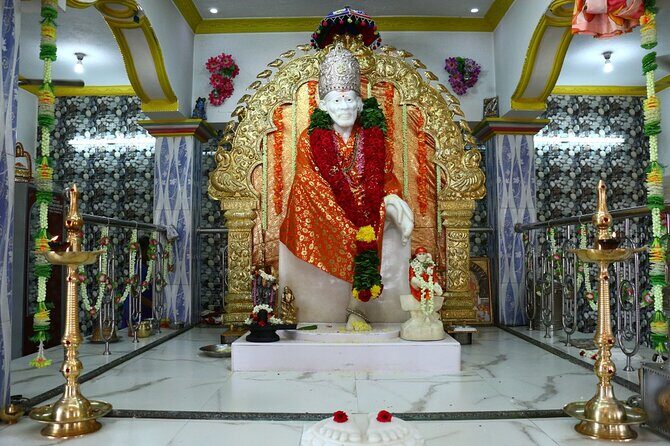
The final stop is Swaminarayan Akshardham. It’s a modern temple complex with an intense level of detail: 234 ornately carved pillars, 9 domes, and more than 20,000 statues of Hindu sages and saints. That scale is hard to describe until you’re standing inside the complex and realizing how much work went into it.
The schedule gives you about one hour, and that’s enough time to see the main areas without feeling like you’re doing a homework assignment.
Now for the part that can catch people off guard: Akshardham has strict entry rules. The dress code is enforced, and during busy days (like Sundays and holidays) you can expect more waiting in queue.
What you must know about Akshardham security and dress
- No shorts or sleeveless tops. Shoulders and knees must be covered.
- If your outfit doesn’t match, a free sarong may be provided with a refundable deposit of Rs. 100. You have to return it at the exit.
- Inside the complex, mobile phones and cameras are not allowed. Other restricted items include USB/pen drives, music devices, electronic items, and umbrellas.
- There’s a security check, and bringing prohibited items can slow you down or force you into cloakroom storage.
So here’s my practical advice: pack like you’re going to a museum with rules. Bring your wallet and essentials. Leave gadgets behind if you can. If you need a phone for emergencies, keep it in your hotel bag and rely on what you can capture outside the restricted areas.
One extra bonus if your timing lines up: some people end the visit by catching a show at Akshardham, like a sound-and-light or dancing fountain presentation. Don’t bet your whole day on it, but it’s worth asking your guide if the schedule allows it once you arrive.
Getting around Delhi without losing your mind
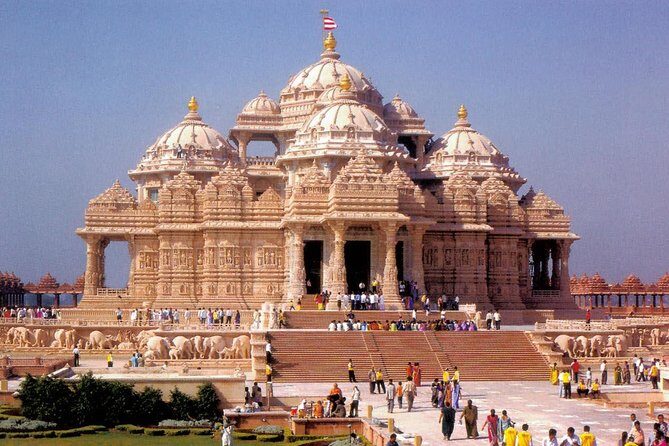
Delhi is not a city for rushing. Even with private transport, the roads can get slow, especially in the afternoon. The good news: this tour uses a private vehicle and a driver plus guide setup. That matters because you’re not stuck fighting for your place in a moving crowd.
A strong guide and driver combo can turn congestion into “survival mode.” They’ll keep you focused on what you’ll actually see next, and you’ll spend less time worrying and more time looking. When traffic is heavy, your best strategy is mental: accept that the ride takes time, then make each stop count.
Also, remember that the schedule is approximate. Some days run closer to the low end, and other days run long when queues hit. If you’re trying to squeeze the tour into a strict dinner reservation, plan a buffer.
What to wear and pack for smooth entry
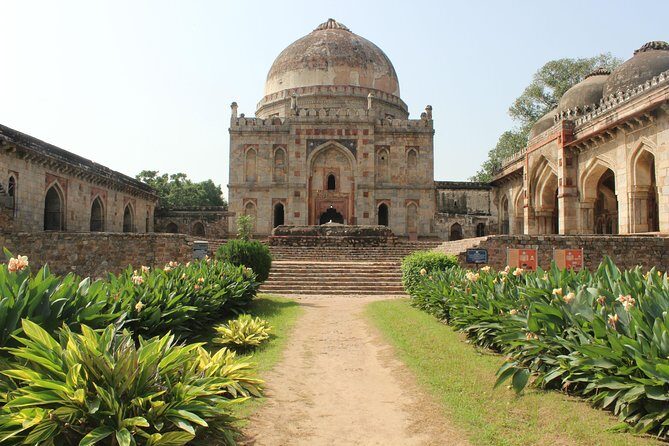
This tour includes smart-casual guidance, but the real rules are at religious sites—especially Akshardham.
Dress code checklist
- Cover shoulders and upper arms
- Keep trousers/skirts below knee length
- Avoid sleeveless tops and shorts
- If you’re unsure, bring a light layer you can wear over your shoulders
Bring only what won’t cause drama at security
Based on the allowed/restricted list for the complex, you’ll want a clean, simple kit:
- Allowed: wallet, money, passport, water bottle (subject to checks), basic personal items
- Not allowed: mobile phones, cameras, USB/pen drives, music devices, other electronic items, umbrellas, luggage, food and drink, tobacco/alcohol/drugs, and more
If you want the day to feel easy, pack a small day bag or leave it with the essentials. When security is strict, every extra item becomes another thing to manage.
Who this tour suits best (and who should consider alternatives)
This is a great fit if:
- You want a first-timer’s Delhi loop across Mughal and spiritual landmarks
- You like having a guide explain what you’re seeing, especially at Humayun’s Tomb
- You prefer private hotel pickup and a calmer schedule than piecing together taxis yourself
It may not be your best match if:
- You hate strict security rules and device restrictions (Akshardham is phone-free and camera-free inside the complex)
- You’re highly schedule-bound and can’t tolerate traffic delays
- You’re expecting a lot of free time at each stop. This is a paced tour with set visit lengths.
A quick reality check on guide quality and pace
Most experiences described here put the guide in a central role: clear English, friendly communication, and explanations that actually help you understand what you’re staring at. Names that have shown up in past tours include Vijay, Sunil, and Kiran Singh, along with another guide referred to as Singh.
That said, guide language quality and the day’s route flow can vary. One issue that can happen is that traffic and site queues can stretch the outing longer than expected. Another issue is that your time can feel interrupted if you’re nudged toward paid shopping stops during a tour. If you’re sensitive to that, set expectations early with your guide: your priority is the listed landmarks, in order, with appropriate time at each.
Should you book this Mughal Heritage Tour?
If you want a smart, half-day introduction to Delhi’s Mughal era and major modern Hindu spirituality, I think this is an easy yes. The best value isn’t the transport alone—it’s the way you get guided context at the stops where it matters most, especially Humayun’s Tomb and the sacred storytelling at Sai Baba Temple.
Book it if:
- You’re okay paying monument fees for Humayun’s Tomb
- You can follow a strict dress code at Akshardham
- You want a guide-led route instead of self-planning in traffic
Consider skipping or shopping around if:
- You can’t handle the idea of leaving your phone/camera away during Akshardham entry
- You have zero flexibility for potential queues and traffic delays
- You’re looking for a slow, wandering, unstructured day
FAQ
How long is the Mughal Heritage Tour?
The tour runs about 5 to 6 hours (approx.).
What does the $94 per person price include?
Hotel pickup and drop-off, a professional guide, transport by private vehicle, bottled water, and light refreshments. Monument entry fees are not included.
Are admission tickets included for all the stops?
Admission ticket pricing is included as free for Sai Baba Temple, Lodhi Garden, and Swaminarayan Akshardham in the itinerary. Humayun’s Tomb admission is listed as not included.
Is pickup from my hotel included?
Yes. Round-trip hotel pickup and drop-off are included.
Is this a private tour?
It’s described as private, and only your group will participate.
What’s the dress code for places of worship?
You need to dress smart casual with shoulders covered and knees covered. No shorts or sleeveless tops are allowed, and you may be refused entry if you don’t comply.
Is a sarong provided if my clothes don’t meet the requirements?
A free sarong may be provided in case your outfit doesn’t comply, with a refundable deposit of Rs. 100. You’ll need to return it at the exit.
Are mobile phones and cameras allowed at Akshardham?
No. The complex lists mobile phones and cameras as not allowed.
What items are prohibited inside the Akshardham complex?
Prohibited items include mobile phones, cameras, USB/pen drives, music devices, other electronic items, umbrellas, luggage, pets, food and drink, and tobacco or alcohol, among other items.
When should I cancel for a full refund?
You can cancel up to 24 hours in advance for a full refund. If you cancel less than 24 hours before the start time, the amount paid is not refunded.