REVIEW · VARANASI
Journey in Varanasi and Ayodhya
Book on Viator →Operated by My Kashi Trip · Bookable on Viator
Holy days, tightly organized.
This 4-day route pairs a temple-focused Varanasi morning with the big evening moment of Dashashwamedh Ghat. You get guided structure that keeps you moving between sacred sites without spending your time figuring out logistics on the ground.
I especially like that it’s a private tour with support from Mahendra Tiwari ji and Abhinav Chaturvedi ji, so the experience feels smooth and family-friendly. I also like the built-in flexibility on Day 2, with optional add-ons in and around Varanasi. One possible drawback: Day 3 is a long travel day, and the Prayagraj sightseeing is designed to be quick rather than slow and detailed.
In This Review
- Key things to know before you go
- Planning Your 4 Days: Varanasi-to-Ayodhya in a Clean, Spiritual Pace
- Kashi Temple Circuit on Day 1: Kashi Vishwanath, Annapurna, Kal Bhairav
- Dashashwamedh Ghat Ganga Aarti: Evening Timing and What to Expect
- Day 2 Varanasi Time: Optional Sarnath, Ramnagar Fort, and Local Markets
- The Prayagraj Stop on Day 3: Sangam Sthal, Hanuman Temple, Akshayavata Tree
- Ayodhya Morning Visits on Day 4: Ram Janmabhoomi (Ram Mandir) and Hanuman Garhi
- Pickup, Private Group, and Mobile Ticket: Practical Smoothness
- Price of $407.98: Where the Value Actually Comes From
- Who This Tour Suits Best (and Who Should Skip)
- Should You Book This Varanasi and Ayodhya Tour?
- FAQ
- Is pickup included?
- What’s included in the price?
- Do I choose what to do on Day 2?
- How does the Prayagraj stop work?
- How long is the tour?
- What is the cancellation policy?
Key things to know before you go
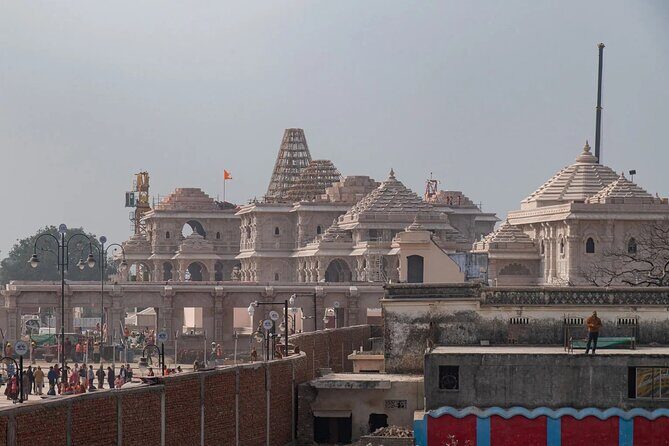
- Day 1 temple circuit covers Kashi Vishwanath, Annapurna, and Kal Bhairav in one organized flow
- Evening Ganga Aarti at Dashashwamedh Ghat anchors your first night with a classic Varanasi ritual
- Day 2 is flexible with options like Sarnath, Ramnagar Fort, or local markets
- Prayagraj stop on Day 3 is short but includes Sangam Sthal, Hanuman Temple, and Akshayavata Tree
- Day 4 in Ayodhya focuses on Ram Janmabhoomi (Ram Mandir) and Hanuman Garhi, then you’re dropped at your transport
Planning Your 4 Days: Varanasi-to-Ayodhya in a Clean, Spiritual Pace
This is the kind of trip that makes sense if your priority is spiritual time, not sightseeing for sightseeing’s sake. The schedule is built around mornings and evenings: temple visits early, a major river ritual at night, then a steady transfer to Ayodhya with one meaningful stop en route.
You’re looking at about 4 days total, and the trip is private—so it’s just your group, not a big shared shuffle with strangers. You’ll also have a pickup offered and a mobile ticket, which matters in India where last-minute paperwork and finding meeting points can quickly eat up your energy.
One practical note: the tour includes 3 breakfasts and 3 dinners, but not lunch. That means you’ll want to be okay with choosing your own lunch (or grabbing something simple) on days you’re out exploring. If you like having every meal handled for you, this won’t be as fully “all-inclusive” as some tours.
You can also read our reviews of more tours and experiences in Varanasi.



Kashi Temple Circuit on Day 1: Kashi Vishwanath, Annapurna, Kal Bhairav
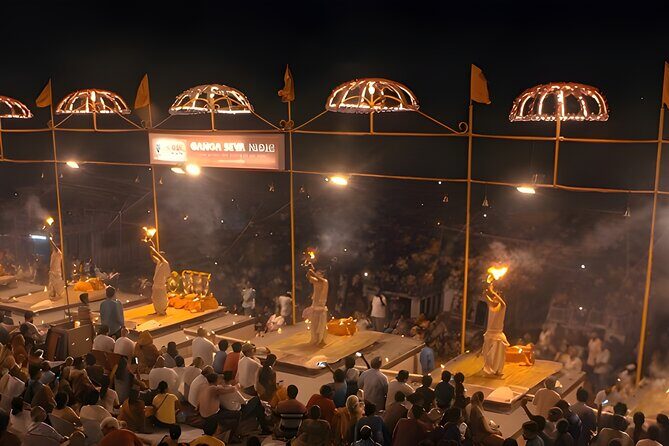
Day 1 is all about arriving in Varanasi and getting into the sacred flow right away. After hotel check-in, you visit three key temples: Kashi Vishwanath Temple, Annapurna Temple, and Kal Bhairav Temple.
What I like about this temple circuit is how it gives your day shape. Instead of a vague plan like explore the area, you get a clear sequence of stops that are thematically connected. That’s helpful if you’re traveling with family, older relatives, or anyone who gets overwhelmed when they’re trying to choose between too many options.
Also, because the visit list is compact, your guide can likely help you manage the practical parts—when to go, where to be ready, and how to move through busy areas. That’s especially valuable around famous temple zones where crowds can surge.
Possible consideration: if you’re sensitive to crowds, sounds, and close movement in religious areas, you’ll want to keep your pace calm and not fight the crowd. This is not the type of day where you’ll want to treat it like a quiet museum visit.
Dashashwamedh Ghat Ganga Aarti: Evening Timing and What to Expect
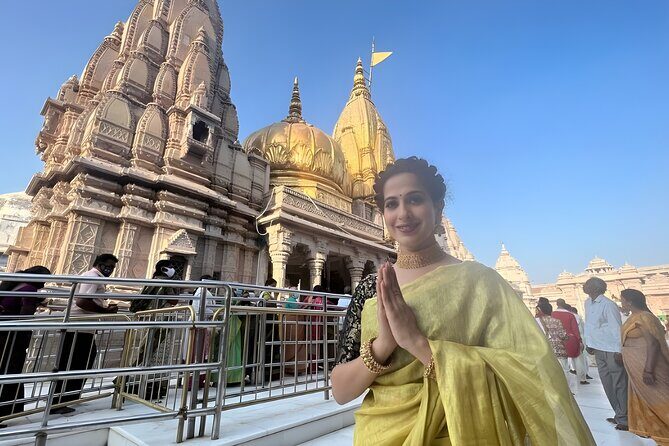
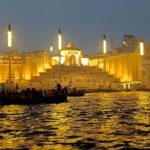
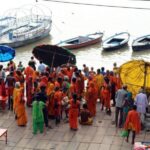
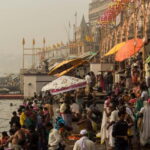
That same first day finishes with evening Ganga Aarti at Dashashwamedh Ghat. This is the kind of experience people remember because it’s a shared ritual setting—something you watch as the evening unfolds.
In practical terms, plan for this to be a “be present” moment rather than a “run around for photos” moment. Your attention matters here more than collecting angles. You’ll also want to arrive with comfortable shoes and a mindset that the crowd can be part of the atmosphere.
A small but important value of having this scheduled: you don’t have to hunt for the right time or best vantage spot on your first night. The tour’s structure helps you settle in fast after arrival, rather than losing your energy to figuring things out.
Day 2 Varanasi Time: Optional Sarnath, Ramnagar Fort, and Local Markets
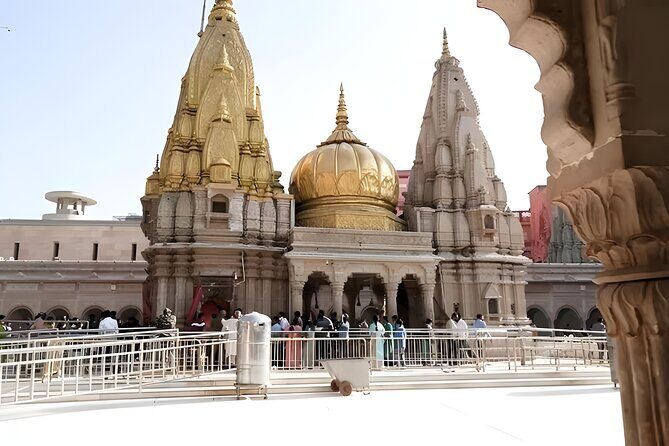
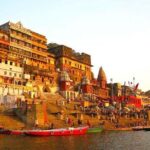
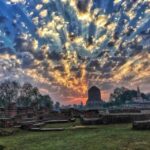
Day 2 starts with breakfast at the hotel, then you get optional choices: Sarnath, Ramnagar Fort, or local markets. You also spend time exploring cultural ghats and Varanasi heritage.
This is one of the better-designed parts of the trip because it respects different travel styles. If your group wants more spiritual sights, you can lean toward Sarnath. If you want a change of pace, you can go for Ramnagar Fort. If you prefer sensory travel—colors, snacks, everyday life—you can choose local markets.
My advice: decide this morning, not in your hotel room at the last second. Once you’re out, it’s easier to commit to a plan. Also, if your priority is keeping the day calm, markets plus ghats can feel like a lot. In that case, pick one main option and let the rest be lighter add-ons.
Another practical plus: the tour keeps you in Varanasi for the second night. That reduces travel stress and gives you a chance to absorb the city rather than just passing through.
The Prayagraj Stop on Day 3: Sangam Sthal, Hanuman Temple, Akshayavata Tree
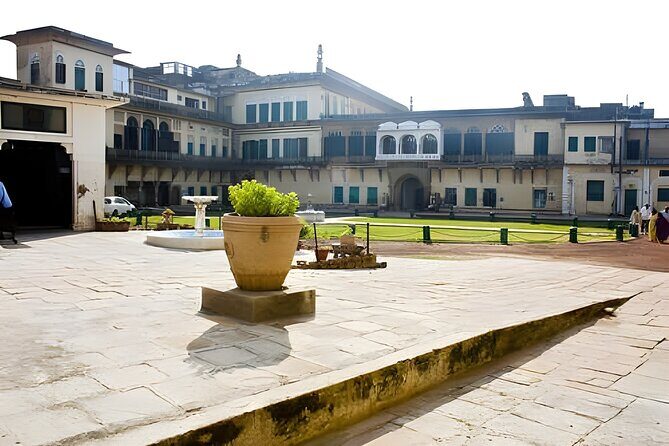
On Day 3, you check out after breakfast and drive to Ayodhya via Prayagraj (Allahabad). This is a long transfer day, but it’s not wasted time. You get quick sightseeing in Prayagraj, including:
- Sangam Sthal
- Hanuman Temple
- Akshayavata Tree
Then you continue driving to Ayodhya with no overnight stay in Prayagraj.
Here’s the real value of this stop: it breaks up the transfer with spiritual landmarks you can feel in the moment. The sightseeing is described as about an hour, so it’s not meant to be a slow, deep exploration—but it gives you a “story beat” between Varanasi and Ayodhya.
If you’re traveling with anyone who gets tired quickly in cars, plan for comfort. Keep water handy, be ready for road time, and don’t pack your mindset expecting a perfect, stress-free schedule. This day works best if you accept it as a bridge day: move, see a few key places, then arrive.




Ayodhya Morning Visits on Day 4: Ram Janmabhoomi (Ram Mandir) and Hanuman Garhi
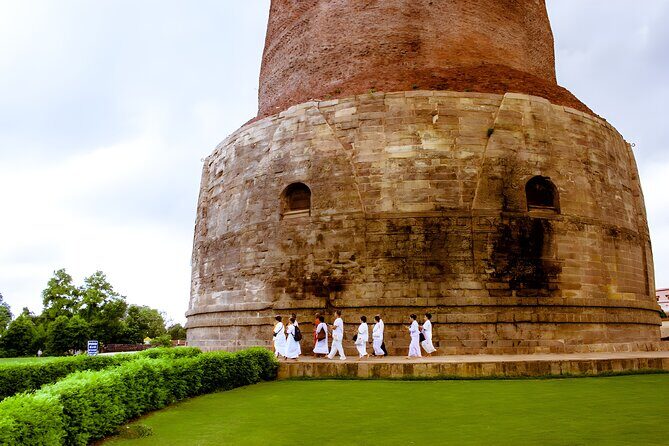
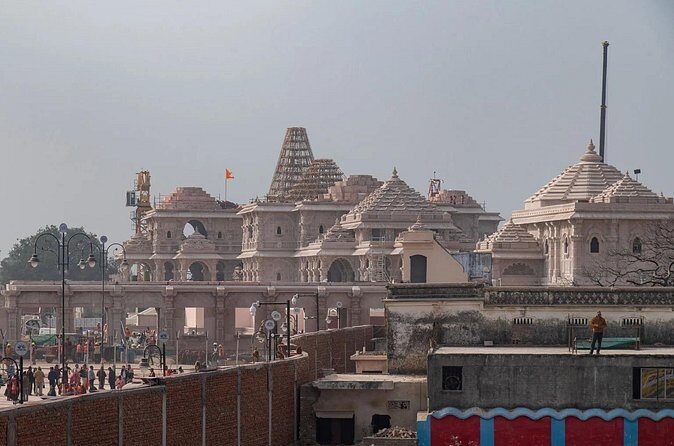
Day 4 is focused and purposeful. After breakfast and check-out from Ayodhya’s hotel setup, you visit Ram Janmabhoomi (Ram Mandir) and Hanuman Garhi Mandir.
This is a clear pairing—both are central to Ayodhya visits—so your morning has a strong spiritual rhythm. The schedule doesn’t ask you to stretch across the entire city. Instead, it concentrates time where it counts most for many visitors: the main religious sites.
Once the visits are done, you check out and get dropped at Ayodhya Railway Station / Airport based on your choice. That matters because it reduces end-of-trip friction. You’re not left trying to figure out transport after a long, emotional few days. You’re guided to your next step.
Pickup, Private Group, and Mobile Ticket: Practical Smoothness
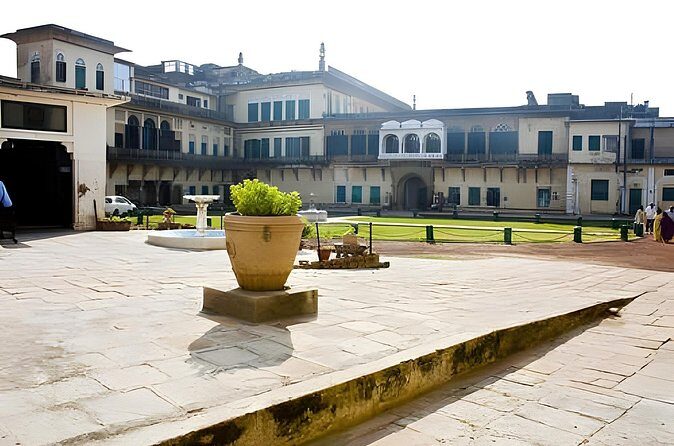
A tour can be spiritually meaningful and still feel poorly run. This one tries to remove the usual headaches with a few smart touches:
- Private tour: only your group participates, so you’re not waiting for strangers who move at different speeds.
- Pickup offered: helpful if you’re arriving and don’t want to immediately deal with city logistics.
- Mobile ticket: cuts down on printed-paper hassle.
- Hotel check-in/check-out included: less back-and-forth at the start and end of each day.
One more note that can matter more than people expect: the meeting point is listed at 4, Kashi Vishwnath Rd, Lahori Tola, Varanasi, Uttar Pradesh 221001. That’s a detail worth saving, because Lahori Tola is the kind of area where you’ll appreciate having a precise reference.
If you like a trip where someone helps you get your bearings fast, this setup will feel reassuring.
Price of $407.98: Where the Value Actually Comes From
At $407.98 per person for about 4 days, this sits in the “you’re paying for guidance” category. It’s not just a bus tour. You’re paying for someone to handle the sequence of visits, provide support, and connect the dots between Varanasi and Ayodhya.
Also, the included meals help the math. You get 3 breakfasts and 3 dinners. That doesn’t cover everything (lunch is on you), but it reduces daily decision fatigue. When you’re moving through sacred sites, the last thing you want is to hunt for food repeatedly.
What makes this feel like value, in my view:
- You’re visiting multiple major sites without having to plan transitions day-to-day.
- The trip includes the big first-night highlight: Ganga Aarti at Dashashwamedh Ghat.
- The Prayagraj stop gives you a meaningful break during the drive, not just a transit pause.
- The trip is private, so the cost is partly “group convenience.”
Who should consider it carefully: if you’re traveling solo and you prefer to build everything yourself, this might feel pricier than an independent itinerary. But if you want spiritual time without logistical noise, the price makes more sense.
Who This Tour Suits Best (and Who Should Skip)
This tour fits best if you want:
- A structured spiritual itinerary with major stops already selected
- Someone to manage timing around busy temple and ghats areas
- Flexibility on Day 2 (Sarnath vs Ramnagar Fort vs markets)
- A private, supportive setup for your group
It’s also a good match for family travel because the approach is meant to keep the days organized. The strongest signal from past experiences is gratitude for support and guidance from the team, especially Mahendra Tiwari ji and Abhinav Chaturvedi ji.
Who should skip or rethink: if your ideal trip is slow, open-ended wandering with lots of unscheduled time, this schedule may feel too purposeful. And if you absolutely hate car travel, Day 3’s Varanasi-to-Ayodhya drive via Prayagraj may be a challenge.
Should You Book This Varanasi and Ayodhya Tour?
If you want your days to feel guided, not stressful, and you care about hitting key sacred moments without planning every step, I think this is a strong choice. The mix of temple circuit + Ganga Aarti + Ayodhya’s main visits, plus a sensible Prayagraj bridge, gives you a complete spiritual arc in a short window.
Book it if you:
- Like clear plans with a little flexibility
- Want private support for a family-style yatra
- Prefer not to spend your energy on transport, timing, and meeting points
Skip it if you:
- Want a highly detailed, slow sightseeing pace with lots of free time
- Plan to spend most of each day choosing your own schedule
- Are very sensitive to long travel days
If you’re deciding, my practical advice is simple: match the tour to your temperament. If you’ll enjoy structured sacred time, you’ll likely be very happy with this one.
FAQ
Is pickup included?
Pickup is offered as part of the tour, and you’ll start from a specific meeting point in Varanasi. The exact pickup details should come with your booking confirmation.
What’s included in the price?
The tour includes breakfast and dinner (3 breakfasts and 3 dinners total). It also includes the main visits across Varanasi, Prayagraj, and Ayodhya. Lunch and personal expenses are not included.
Do I choose what to do on Day 2?
Yes. On Day 2, you can opt for Sarnath, Ramnagar Fort, or local markets, alongside exploring ghats and Varanasi heritage.
How does the Prayagraj stop work?
On Day 3, you drive to Ayodhya via Prayagraj and do a quick sightseeing stop for about an hour at Sangam Sthal, Hanuman Temple, and Akshayavata Tree. There is no overnight stay in Prayagraj.
How long is the tour?
The tour is approximately 4 days.
What is the cancellation policy?
You can cancel up to 3 days in advance for a full refund. If you cancel less than 3 days before the start time, the amount paid is not refunded. If the experience is canceled due to poor weather, you’ll be offered a different date or a full refund.