REVIEW · JAIPUR
Jaipur: Guided History Walking Tour with Food Tasting
Book on GetYourGuide →Operated by Multi Tours India · Bookable on GetYourGuide
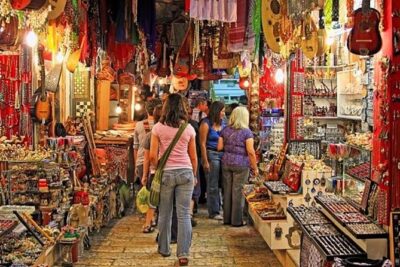
Jaipur’s old streets have a way of grabbing you fast. This guided history-and-food walk focuses on the Pink City’s tight lanes, markets, and everyday corners—so you don’t just see landmarks, you understand how people live around them. You’ll hear stories about royal dynasties, local customs, spiritual beliefs, and the city’s layout as you move from one scene to the next.
I love two things most: first, the way the walk connects architecture and street life to the food you’re tasting, so lunch makes sense in context. Second, the tastings themselves feel practical—items like pyaaz kachori, aloo tikki or chaat, samosa, mirchi bada, chai or lassi, and sweet endings like ghewar or rabri and kulfi (options vary by stop).
One drawback to consider: it’s a walking tour in older lanes, so it’s not suitable for wheelchair users, and people with food allergies should think carefully before booking.
In This Review
- Key Highlights You’ll Feel During This Walk
- First Steps at New Gate: Getting Oriented in Jaipur’s Old Core
- Chaura Rasta: Tea, Street Food, and the First Real Taste of Jaipur
- Badi Chaupar: The Plaza Stop That Explains Market Life
- Tripolia Bazar and Choti Chaupar: Temples, Courtyards, and Snack Time
- Flower Market Finish at Choti Chaupar: Why the Ending Matters
- The Food Part: What You’ll Taste (and How to Keep It Comfortable)
- Guides Who Tell Stories While You Walk (Names You Might Hear)
- Price and Value: Is $13 for 3 Hours Actually Fair?
- Walking Practicalities: Shoes, Sun, and How to Prep
- Who Should Book This Tour (and Who Should Skip It)
- Should You Book This Jaipur Pink City History and Food Walk?
- FAQ
- Where does the tour start and finish?
- How long is the Jaipur guided history walking tour?
- How much does it cost?
- What food is included in the tasting?
- What else is included besides food?
- What languages are available for the live guide?
- Is this a private group tour?
- Is the tour suitable for people with food allergies or mobility needs?
- What should I bring, and what’s not allowed?
Key Highlights You’ll Feel During This Walk
- New Gate to Flower Market loop: classic old-city route with photo stops and a satisfying finish
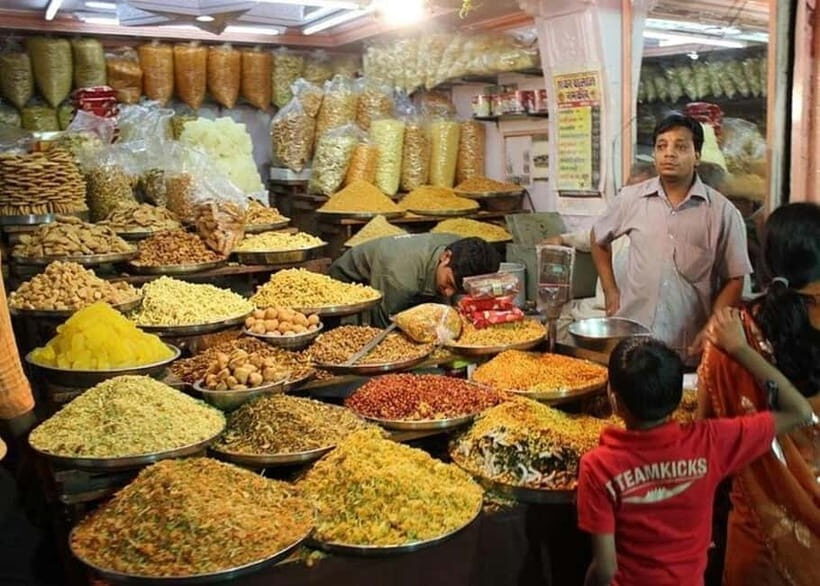
- Tea-shop moments: masala chai included, plus time to sample street snacks at a slow pace
- Food tastings tied to local context: you’ll learn what you’re eating and where it fits in Jaipur culture
- Old neighborhoods, temples, and havelis: you’ll pass traditional houses and architectural details on foot
- Artisans at work, if your route allows: you might meet potters, jewelers, miniature painters, or spice vendors
- Guides who don’t pressure purchases: multiple guide experiences shared focus on storytelling and tasting, not selling
First Steps at New Gate: Getting Oriented in Jaipur’s Old Core
The tour begins at New Gate, which is a smart choice because it helps you feel the city’s structure from the start. Instead of starting with a big monument and hoping it clicks later, you start where people move in and out—like the old city is still doing its job.
From here, the tone becomes practical: you’re walking, you’re looking, and your guide is pointing out what most visitors miss. Expect talk around local customs and even small language nuances—things like how people greet, how neighborhoods are named or described, and why certain rituals show up in everyday life. Those bits matter because Jaipur is a place where history isn’t sealed behind glass. It’s part of daily flow.
If you’re sensitive to heat or crowds, plan your morning or late afternoon timing wisely. This is the kind of route where the pace is gentle, but the streets don’t magically cool down.
You can also read our reviews of more walking tours in Jaipur



Chaura Rasta: Tea, Street Food, and the First Real Taste of Jaipur
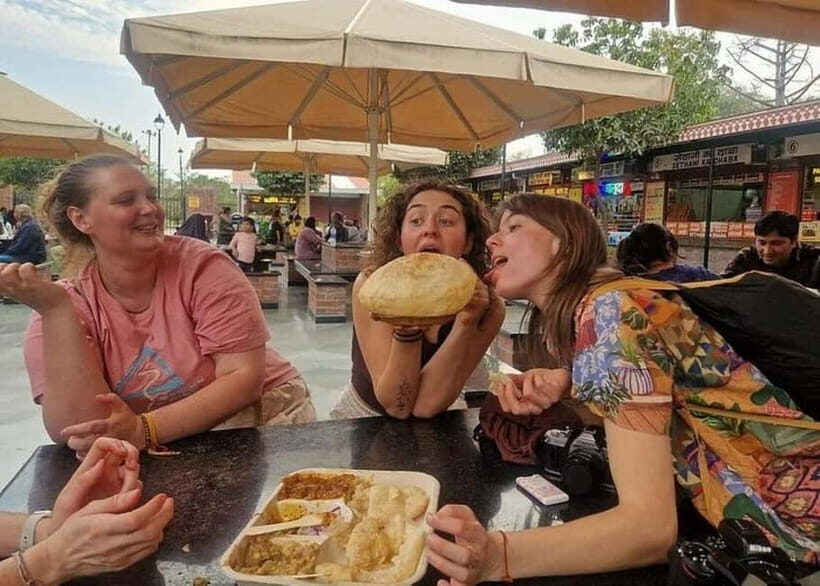
Next comes Chaura Rasta, and it’s there for a reason. It’s a classic shopping-and-street-eating zone, so it gives you an immediate sense of flavors and routines. You’ll get a photo stop, plus tea and street food as you walk.
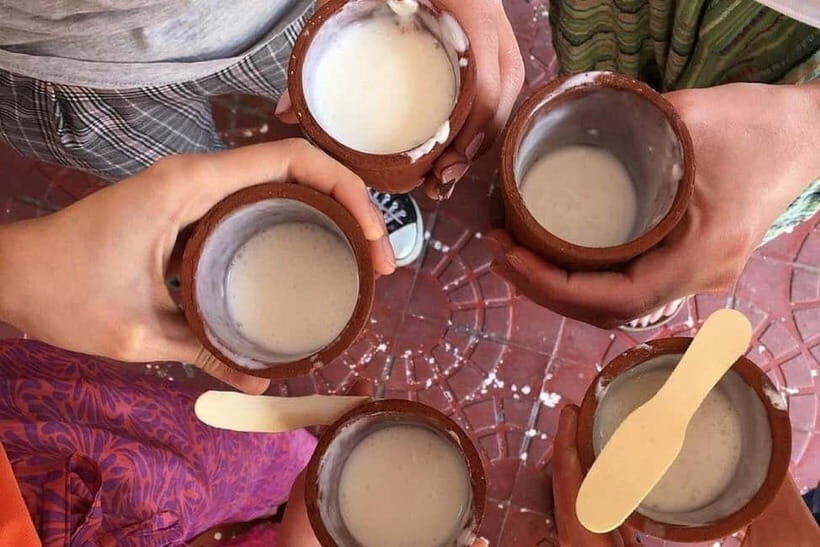
The tea part is more than a perk. Masala chai works like a reset button when you’re learning on the move—warm, familiar, and a good bridge between sights. And the tasting style is what you want on this route: small bites and guided guidance, so you’re trying multiple specialties without committing to one heavy meal.
Look out for how your guide frames the food. Items like pyaaz kachori and the more snack-style dishes (like chaat-type bites) aren’t just tasty—they connect to market culture and the idea of eating as you travel through the day. If you like food tours that teach you how a dish fits into local life, this stop does that early.
Badi Chaupar: The Plaza Stop That Explains Market Life
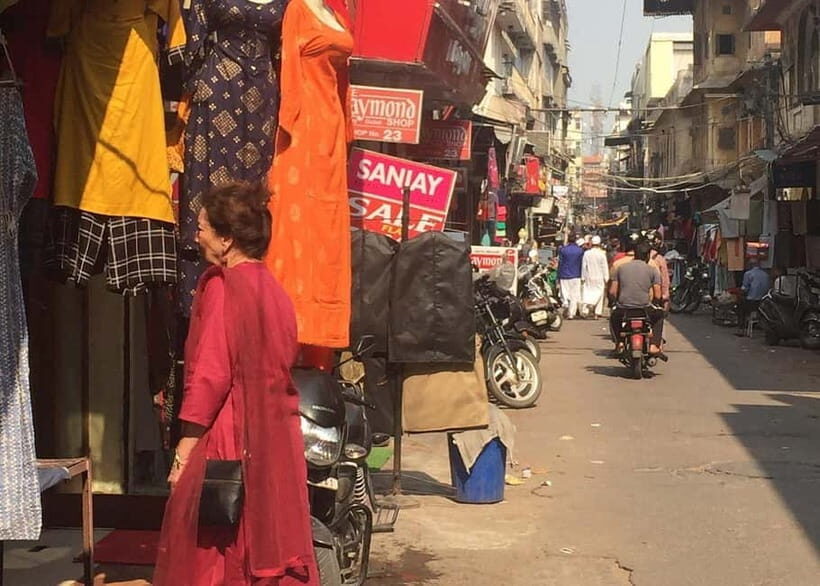
At Badi Chaupar, the tour shifts into explanation mode. You’ll get guided context while you walk, pass key viewpoints, and enjoy local snacks and food tasting.
Chaupar areas are important in Jaipur because they’re tied to the city’s commercial rhythm. A guide here can help you see the logic: why certain streets feed into certain markets, why the layout feels the way it does, and how daily movement shapes the look of the neighborhood. Even if you’re not shopping, that “market logic” is what turns a walk into learning.
One thing to be aware of: plaza areas can feel busier than the narrow lanes. The upside is more open sightlines. The downside is more people brushing by. If you’re taking photos, keep your camera ready at eye level, but move with the flow so you’re not constantly stopping in the middle.
Tripolia Bazar and Choti Chaupar: Temples, Courtyards, and Snack Time
Then you hit Tripolia Bazar for a photo stop and guided walk-through energy. After that, you move into Choti Chaupar, which is where the tasting ramps up again with street food and local snacks.
This is where the tour feels most like a real day in Jaipur. You’ll pass places where daily life and spiritual space overlap: older temples, traditional neighborhoods, and architectural details like havelis (traditional houses) and courtyards. Stepwells and other heritage features may come up depending on the exact route, but the idea stays consistent—this walk is built to show how the past lives in the present.
Food-wise, expect more Jaipur favorites such as aloo tikki or chaat, samosa, and mirchi bada, along with sweet options later on. The guide’s job is to help you taste smarter. You’ll get quick explanations of what’s in the dish and why it’s served the way it is, which makes the flavors more memorable than a random snack stop.
If you’re picky, don’t panic. The tour is set up as handpicked tasting points rather than an all-or-nothing meal. You can savor, skip one bite, and still get the full story.
Flower Market Finish at Choti Chaupar: Why the Ending Matters
The route ends around the Flower Market, at Choti Chaupar. You’ll also have a photo stop here, which is a nice way to cap the experience with something sensory.
A flower market isn’t only pretty. In places like Jaipur, flowers connect to rituals, homes, and temple life. Even if you’re not buying anything, the visual texture and the smell in the air help you remember what the guide was saying about spiritual beliefs and everyday custom.
This ending also gives you a practical benefit: you finish in a lively area where it’s easy to keep exploring on your own afterward—whether that means heading to another market street, finding a sit-down meal, or simply slowing down for photos.
You can also read our reviews of more food & drink experiences in Jaipur






The Food Part: What You’ll Taste (and How to Keep It Comfortable)
Food tastings are the heart of this tour, and the included list is built around Jaipur and Rajasthan flavors you’ll actually want to repeat later.
You should plan for tastings that can include:
- Pyaaz kachori
- Aloo tikki or chaat
- Samosa
- Mirchi bada
- Lassi or masala chai
- Sweets such as ghewar or rabri
- Kulfi or other regional desserts
The smart part is that masala chai is included at local tea shops, plus bottled water is provided. That combination matters on a walking tour, especially in sun and heat, because you’re not constantly searching for something to drink or sit down with.
If you’re wondering about portion size: the tour is designed for variety, not for stuffing you. Expect multiple bites rather than one huge plate. That’s usually the best way to learn what Jaipur tastes like, and it keeps your energy up for the walking.
Important note: this tour isn’t suitable for people with food allergies, so if you’re managing allergies, double-check before you book.
Guides Who Tell Stories While You Walk (Names You Might Hear)
The best tours here are driven by the guide’s personality and approach. The experiences linked with this tour style consistently highlight guides who explain with joy, guide you through the city’s meanings, and avoid turning the walk into a shopping pitch.
For example, the names Rajesh, Krishna, and Ali Irfan show up in shared experiences, with praise focused on how they lead you through interesting spots and connect food choices to the city. One common theme: no pushing you toward purchases. That’s a big deal on food-and-history walks, because you want the freedom to taste without feeling sold to.
Guides also tend to point out practical cultural details: clothing styles, language nuances, and the way rituals shape the look of neighborhoods. That’s why this doesn’t feel like a checklist tour. It feels like walking with someone who’s grown up with the place.
And if your route aligns with local makers, you might meet artisans at work—potters, jewelers, miniature painters, or spice vendors—plus hear folklore tied to royal dynasties and how the city layout evolved.
Price and Value: Is $13 for 3 Hours Actually Fair?

At $13 per person for about 3 hours, the value is mostly about what’s included.
You’re getting:
- Food tastings
- Bottled water
- Masala chai at local tea shops
- Traditional dessert
- A tour guide
- A private group setup
For Jaipur, where street food can be great but also hit-or-miss if you’re on your own, this is a reasonable deal. The guide acts like a filter. You’re not guessing what’s safe, what’s local, or what’s worth your time. You taste multiple specialties—savory snacks, sweet finishes, and drinks—without needing to plan and buy each item separately.
Also, a private group matters more than it sounds. In tight old lanes, having your group feel coordinated helps you move comfortably and ask questions without constantly waiting for the whole group to catch up.
If you’re traveling on a budget, this is one of those tours that gives you a lot of “done-for-you” value for the money.
Walking Practicalities: Shoes, Sun, and How to Prep
This is a walking tour, so prep is simple and important.
Bring:
- Comfortable shoes
- Hat
- Camera
- Sunscreen
- Water
Even though bottled water is included, bring your own comfort basics for longer museum days or extra wandering afterward. The itinerary covers old lanes and market areas, so shade can be limited.
A few more watch-outs:
- Smoking isn’t allowed on the tour.
- You’ll be walking through older parts of Jaipur, so keep an eye on uneven surfaces and busy foot traffic.
- If you need a step-free route, this isn’t built for wheelchair access.
If you want the best experience, show up with a good attitude for slow walking and lots of looking up at doors, windows, and decorative details.
Who Should Book This Tour (and Who Should Skip It)
This is a strong match if you want:
- A guided way to understand Jaipur’s old neighborhoods
- A food plan with variety—savory snacks, drinks, and sweets
- Cultural context as you walk: customs, spiritual beliefs, and architecture
- A guide experience that stays story-first instead of sales-first
It may not be a fit if:
- You have food allergies
- You need wheelchair accessibility
- You hate walking in hot sun or crowded market lanes
For families with older kids who can handle 3 hours of walking, it can work well. For anyone who prefers quick photo stops only, you might find the story focus a bit slower. But if you’re curious and you like learning why people eat and build the way they do, this tour delivers.
Should You Book This Jaipur Pink City History and Food Walk?
If your goal is Jaipur with taste and context, I’d book it. The biggest win is the combination: history + architecture cues + guided snack tasting all on foot, with included chai and bottled water. For $13, you’re paying for guidance and variety, not just for walking.
Skip it if you can’t do food tastings safely or if mobility needs make walking difficult. Otherwise, this is a smart use of your time—especially your first or second day in Jaipur—because it helps you orient your senses to the city.
FAQ
Where does the tour start and finish?
The tour starts at New Gate and finishes at the Flower Market (Choti Chaupar).
How long is the Jaipur guided history walking tour?
It lasts 3 hours.
How much does it cost?
It’s listed at $13 per person.
What food is included in the tasting?
Food tasting is included, with examples such as pyaaz kachori, aloo tikki or chaat, samosa, mirchi bada, lassi or masala chai, sweets like ghewar or rabri, and kulfi or other regional desserts.
What else is included besides food?
You also get bottled water, traditional dessert, masala chai at local tea shops, and a tour guide.
What languages are available for the live guide?
The live guide is available in English, Spanish, Russian, German, Japanese, Chinese, and French.
Is this a private group tour?
Yes, it’s a private group.
Is the tour suitable for people with food allergies or mobility needs?
It is not suitable for wheelchair users and is not suitable for people with food allergies.
What should I bring, and what’s not allowed?
Bring comfortable shoes, a hat, camera, sunscreen, and water. Smoking is not allowed.