REVIEW · JAIPUR
Nahargarh Water Walk – Guided 2-Hour Heritage Tour in Jaipur
Book on Viator →Operated by Heritage Water Walks · Bookable on Viator
Water has a story here, and you’ll hear it.
This 2-hour heritage walk turns Jaipur’s desert problem—finding and storing water—into a clear, human-scale adventure. I especially like the water-themed storytelling approach, where a guide connects what you’re seeing (stepwells, channels, reservoirs) to how desert communities lived. I also like the way the route builds toward the end: if you go in the evening, you get a sunset payoff looking out over the 300-year-old city.
One thing to plan around: the walk is outdoors and depends on good weather, and bottled water and food aren’t included. If you’re booking a warm-afternoon slot, bring your own water and don’t assume there will be snacks.
In This Review
- Key things to know on this Nahargarh water walk
- Why water matters in Jaipur (and why this walk works)
- Starting at Nahargarh Fort: the route is short, the story isn’t
- Reading old water structures: channels, aqueducts, and storage
- Channels you can track with your eyes
- Roman aqueducts you’ll recognize as engineering
- Storage reservoirs: the “hold it until you need it” lesson
- Stepwells: the social side of water
- The “jungle” walk feel: how the setting changes the pace
- Evening timing: sunset over Jaipur from the fort area
- What you’ll learn (beyond the facts on water)
- Group size and guide attention: why the small cap matters
- Price and value: is $39.14 worth it?
- What to bring (and what not to assume)
- Weather and practical reality
- Who should book this walk?
- Should you book the Nahargarh Water Walk?
- FAQ
- How long is the Nahargarh Water Walk?
- Where does the tour start and end?
- Is a tour guide included?
- What does the tour include and exclude?
- What time of day is best for views?
- What happens if the weather isn’t good?
Key things to know on this Nahargarh water walk
- A guided, water-focused heritage route near Nahargarh Fort, about 1 km long on foot
- Stepwells, channels, Roman-style aqueducts, and storage reservoirs explained in plain terms
- Facts plus anecdotes sprinkled through the walk, so it stays fun instead of lecture-y
- Evening sunset views from up above Jaipur, perfect for photos and skyline time
- Small group feel with a maximum of 30 travelers and a tour guide included
- Bring your own water since it’s not listed as included
Why water matters in Jaipur (and why this walk works)
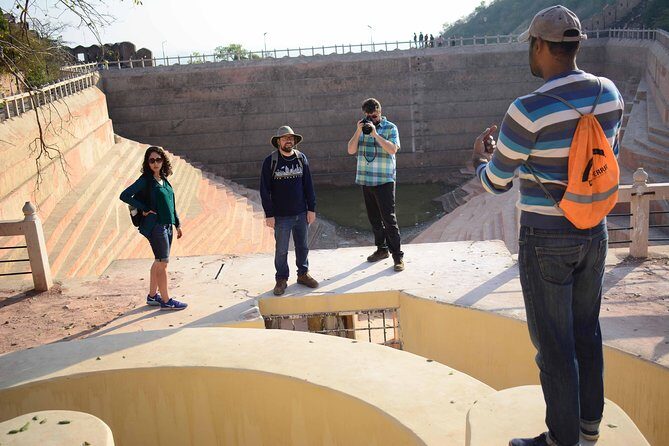
Jaipur sits in a region where water can’t be taken for granted. Long before modern plumbing, people had to solve the problem of distance, heat, and unreliable supply using smart systems and careful storage. That’s what makes this walk more than a scenic stroll.
What you’ll appreciate is the way the guide turns ruins and structures into everyday solutions. Instead of treating the sights like random stone leftovers, you learn what they were for and how they fit into desert living. It’s the kind of tour where the city suddenly feels logical.
And you get a nice change of pace. You start from the Nahargarh Fort area, then move into the quieter surroundings outside the downtown buzz. The walk has a relaxed feel, with a natural setting that helps you focus on the stories being told rather than the traffic.
You can also read our reviews of more walking tours in Jaipur



Starting at Nahargarh Fort: the route is short, the story isn’t
The tour kicks off at Nahargarh Fort (Krishna Nagar, Brahampuri, Jaipur). From there, you’ll walk roughly 1 km through the vicinity, built around water features you can actually see and approach.
This is a big deal for comfort and attention. A shorter route means you’re not sprinting between sights. You can slow down, take photos, and listen while the guide points out the “why” behind the engineering.
The guide’s role matters here. The experience leans on interpretation and storytelling, and the best part is that the information feels tied to what you’re standing next to. In past tours, guides like Neeraj have been praised for being enthusiastic and informative, with a real passion for the subject. You’ll want that tone on a walk like this, because the landmarks are technical but the explanations don’t have to be.
Practical note: this is a mobile-ticket experience. That’s helpful if you like less paper and faster check-in.
Reading old water structures: channels, aqueducts, and storage
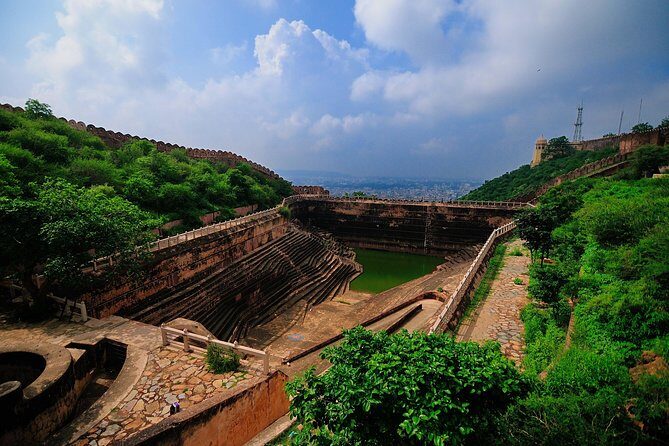
The core of the walk is the “infrastructure tour,” just told in a human way. You’ll see several types of water-related structures in the area around Nahargarh Fort, and the guide explains their purpose, architecture, and history as you go.
Here’s what that means in real life:
Channels you can track with your eyes
Channels are the simplest place to start. They help you understand how water moved through a system: capture or receive water, guide it along, then deliver it where people needed it. On this walk, the guide connects the physical layout to the practical goal—keeping water moving without wasting it.
Roman aqueducts you’ll recognize as engineering
You’ll also encounter Roman aqueducts as part of the water theme. Even if you’re not a history buff, you can usually spot the logic right away: elevated or structured transport, gravity and flow management, and the idea that water had to travel efficiently.
The tour framing helps. You’re not just looking at old stonework. You’re learning how the design supported survival in a desert environment.
You can also read our reviews of more guided tours in Jaipur






Storage reservoirs: the “hold it until you need it” lesson
Storage is where desert logic gets real. When supply can’t be constant, storage turns scarcity into reliability. As you see reservoirs on the route, the guide’s explanations help you understand why these weren’t optional upgrades. They were part of the basic water strategy.
If you like practical history, this section usually clicks fast. You start thinking like a planner rather than a tourist.
Stepwells: the social side of water
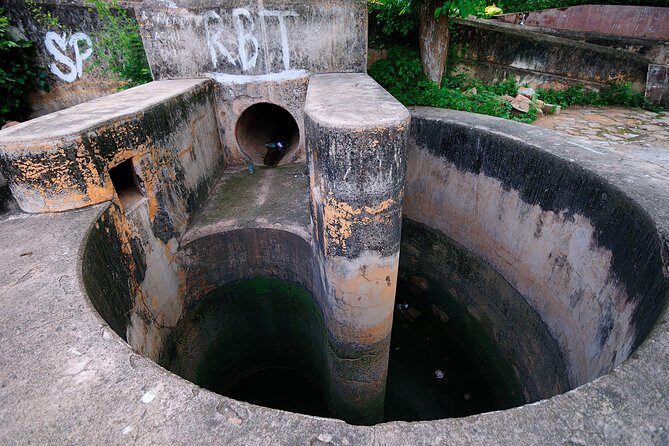
Among the water structures, stepwells tend to be the most memorable. They aren’t just engineering; they’re also about human routines—how people accessed water, gathered, and managed daily needs.
On this walk, stepwells are presented as part of the wider system of desert communities. You’ll learn what they were meant to do, and the guide connects the architectural choices to the reality of getting water in heat and dry seasons.
What I like about this focus is that stepwells prevent the tour from becoming purely technical. You come away seeing water as culture, not just pipes and channels.
The “jungle” walk feel: how the setting changes the pace
This tour happens in the vicinity of Nahargarh Fort, with a relaxed feel described as a walk surrounded by natural beauty. That matters because it keeps the experience from turning into a stiff museum-style circuit.
A comfortable outdoor pace also makes it easier to do two key things:
1) stay present enough to absorb the explanations
2) take photos when the guide nudges you toward the right angles
If you’re the type who gets tired of long guided days, this is a good “short but meaningful” choice.
Evening timing: sunset over Jaipur from the fort area
If you take the tour in the evening, you’ll get one of the main reasons people book it: the sunset views over Jaipur.
You’re standing above the city looking out at the skyline, with the story anchored in the idea that these water systems supported a city that’s been around for centuries. The overview specifically notes the view over the 300-year-old Jaipur City.
This is where your camera comes in. Even if you don’t love photography, give yourself time at the end for a slower look and one or two photos that actually show the scale.
Sunset is also the best time to make the whole theme feel cohesive. Water tech solved daily survival, but the payoff today is perspective: you see Jaipur from the outside, and you understand why people built water systems in the first place.
What you’ll learn (beyond the facts on water)
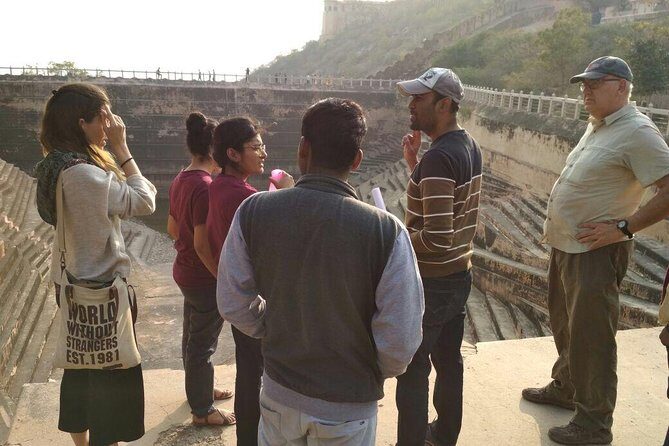
The tour isn’t only “here’s a structure.” It’s more like a guided map of how desert communities handled water over time. You’ll hear facts, anecdotes, and tales as you walk, and that mix is what keeps it engaging.
If you want practical takeaways, here are the kinds of ideas you’ll come away with:
- water transport wasn’t one device; it was a system
- storage mattered because supply didn’t follow the calendar
- stepwells connected water access with daily community life
- architecture reflects the climate problem it was built to solve
Even if you’ve read a little about Rajasthan before, a guided walk helps turn scattered information into a sequence you can remember.
Group size and guide attention: why the small cap matters
The group size max is 30 travelers. That sounds specific for a reason: smaller groups usually mean you’re more likely to hear explanations clearly and get help with your questions.
The tour includes a tour guide, and the most praised aspect across guide feedback has been the guide’s energy and knowledge, especially through an enthusiastic delivery style. Neeraj’s name comes up in standout feedback for being both passionate and informative.
So if you’re the type who likes Q&A and wants the tour to feel alive, you’ll probably enjoy the group size here.
Price and value: is $39.14 worth it?
At $39.14 per person, this isn’t a “cheap and cheerful” add-on, but it also isn’t priced like a high-end private experience. The value comes from three things you’re getting:
- a live guide (included)
- a structured walk focused on multiple water features
- an experience that includes a guided ending with views over Jaipur
It’s also noted that the duration is about 1.5 to 2 hours and includes an admission ticket. For me, the key value question is: do you want guided interpretation, or would you rather wander on your own?
If you’re the self-guided type, you might not feel the full value. But if you like learning while walking and you enjoy stories that connect architecture to daily life, this is exactly the kind of tour that justifies the price.
What to bring (and what not to assume)
Because bottled water isn’t included, plan as if you’ll be responsible for your own hydration. Food isn’t included either, so don’t treat this like a meal stop.
Pack the basics:
- water (especially if you’re going earlier in the day or in warm weather)
- comfortable shoes for an outdoor walking route
- a camera if you want the sunset views
Also, bring your attention span. This isn’t just photo hunting. The tour is built on listening.
Weather and practical reality
This experience requires good weather. If it’s canceled due to poor weather, you’ll be offered a different date or a full refund. In practice, that means you should check forecasts when you can and be ready to adjust if conditions change.
Even if the forecast looks okay, Jaipur weather can shift fast. If you tend to get uncomfortable outdoors, pick the time of day that fits you best.
Who should book this walk?
This tour fits you if:
- you want a short guided walk that tells a specific story
- you’re interested in how cities functioned in arid regions
- you love architecture, but only when it has a human purpose
- you’ll appreciate the sunset views and want an easy plan that’s not downtown-focused
It’s also a good choice if you’re already doing fort-area sightseeing and want something that feels different from another monument stop.
On the other hand, if you want a long hike, a swimming-style outdoor adventure, or food included, this probably won’t match your expectations.
Should you book the Nahargarh Water Walk?
I think it’s a smart booking for many first-timers in Jaipur, especially if you’re the kind of traveler who likes themes. The water focus gives you a through-line, and the guide-driven storytelling keeps it from turning into a checklist.
If you can handle outdoor walking for about 1.5 to 2 hours and you’ll bring your own water, you’ll likely enjoy the mix of structures, explanations, and the payoff view at the end. I’d book it when you can align your schedule with sunset, since that’s when the tour’s theme lands hardest.
FAQ
How long is the Nahargarh Water Walk?
The tour lasts about 1 hour 30 minutes to 2 hours.
Where does the tour start and end?
It starts at Nahargarh Fort (Krishna Nagar, Brahampuri, Jaipur) and ends back at the same meeting point.
Is a tour guide included?
Yes. The tour includes a tour guide.
What does the tour include and exclude?
Included: the tour guide and an admission ticket. Not included: bottled water and food.
What time of day is best for views?
If you take it in the evening, you’ll get sunset views over Jaipur from the top of the city area.
What happens if the weather isn’t good?
The experience requires good weather. If it’s canceled due to poor weather, you’ll be offered a different date or a full refund.