REVIEW · JAIPUR
Heritage Walk & Street Food Tasting in Jaipur
Book on GetYourGuide →Operated by Rajasthan Cultural Tours · Bookable on GetYourGuide
Jaipur tastes better with a guide. This 3-hour heritage walk blends real street life with art, architecture, and food stops you’d likely miss on your own, especially around the old lanes near the Pink City. I like the way guides such as Vivek connect each snack to the place and the people behind it.
I love the street-food variety (samosa, kachori, sweets, and masala chai), and I also love the non-tourist moments, like temple visits and artisan work you can watch while you’re still hungry. The main drawback is simple: it’s a lot of walking, so plan for sore feet and wear comfortable shoes.
In This Review
- Key Highlights You’ll Care About
- A Jaipur Food Walk That Actually Feels Local
- Meeting at Golcha Cinema and Getting Oriented Fast
- Chaura Rasta: Your First Tea and Street Snacks
- Badi Chaupar: Where the Walk Turns From Food to Meaning
- Tripolia Bazar: Frescoes, Market Life, and Local Craft Surroundings
- Choti Chaupar and Chhoti Chopad: Temple, Thatheras, and Sealing-Wax Bangles
- What You’ll Taste: Samosa, Kachori, Sweets, and Masala Chai
- Guides Matter: Vivek, Raj, Kumar, and Others
- Price and Value: Why $21 Can Actually Make Sense
- Practical Tips for a 3-Hour Walk in Jaipur
- Who Should Book This Tour
- Should You Book This Jaipur Street-Food Walk?
- FAQ
- How long is the Heritage Walk & Street Food Tasting in Jaipur?
- Where is the meeting point?
- What street food is included?
- Is alcohol included?
- Is the tour suitable for wheelchair users?
- What should I bring or wear?
Key Highlights You’ll Care About
- Street-food tastings you can follow with your guide’s picks, from savoury bites to sweets
- Old-city route planning that takes you past major landmarks and into smaller lanes
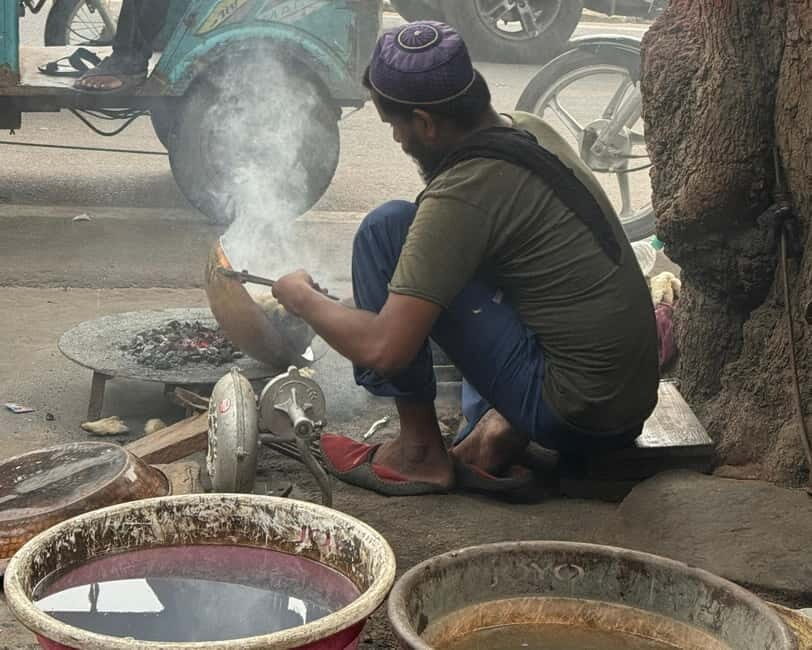
- Hands-on artisan stops, including a metal-beaters community (Thatheras) and bangle making using sealing wax
- Meaningful culture moments, like a Hindu temple, a community well, and local market rhythm
- Small group size (up to 10), which keeps the pace human and questions easy to answer
A Jaipur Food Walk That Actually Feels Local
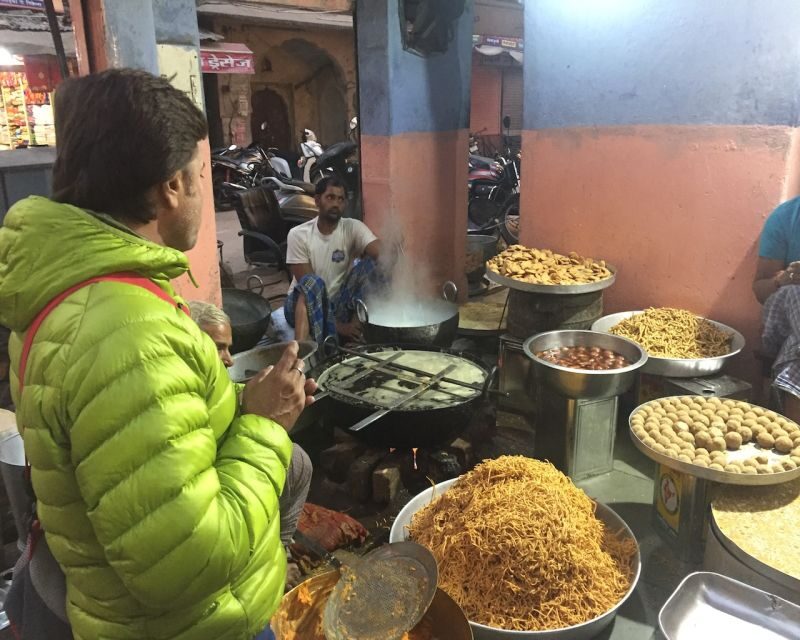
If Jaipur is on your list, you’ll probably spend time at big sights. This tour is different. You get a short, guided walk through the old city where the food and the stories come from the same streets people use every day.
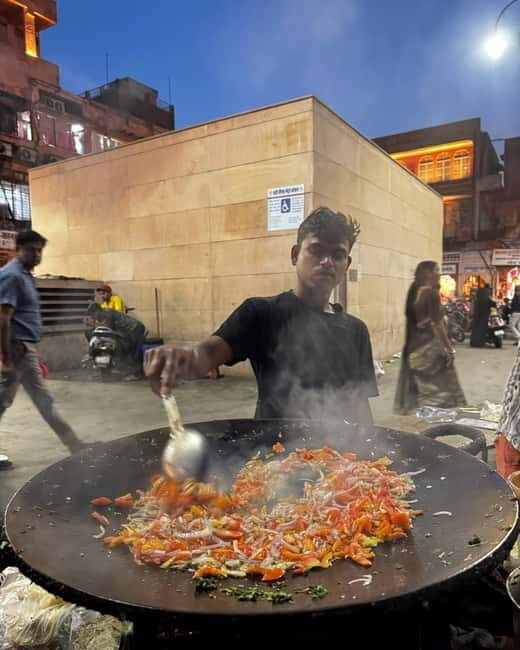
You’ll eat street snacks the way locals do, not as a staged tasting menu. Expect classic bites like samosa and kachori, plus famous sweets and masala chai served during market breaks. The result is a “small bites, big context” kind of tour.
What makes it work is that the guide isn’t just pointing at buildings. They explain why certain lanes exist, what you’re seeing in the architecture, and how crafts and daily life fit into Jaipur’s old layout.
You can also read our reviews of more walking tours in Jaipur



Meeting at Golcha Cinema and Getting Oriented Fast
You start at the entry gate of Golcha Cinema. From there, the walk immediately shifts into old-market rhythm instead of starting with a long, boring intro.
In the first stretch, you’ll get your bearings: where the lanes funnel traffic, where the market energy changes, and how the heritage areas are laid out. It’s the sort of start that helps you stop feeling lost, even if you’ve only just landed in Jaipur.
Also, no hotel pickup. That’s a small inconvenience, but it usually keeps the schedule simple and predictable. You’ll just meet the group at the gate and go.
Chaura Rasta: Your First Tea and Street Snacks
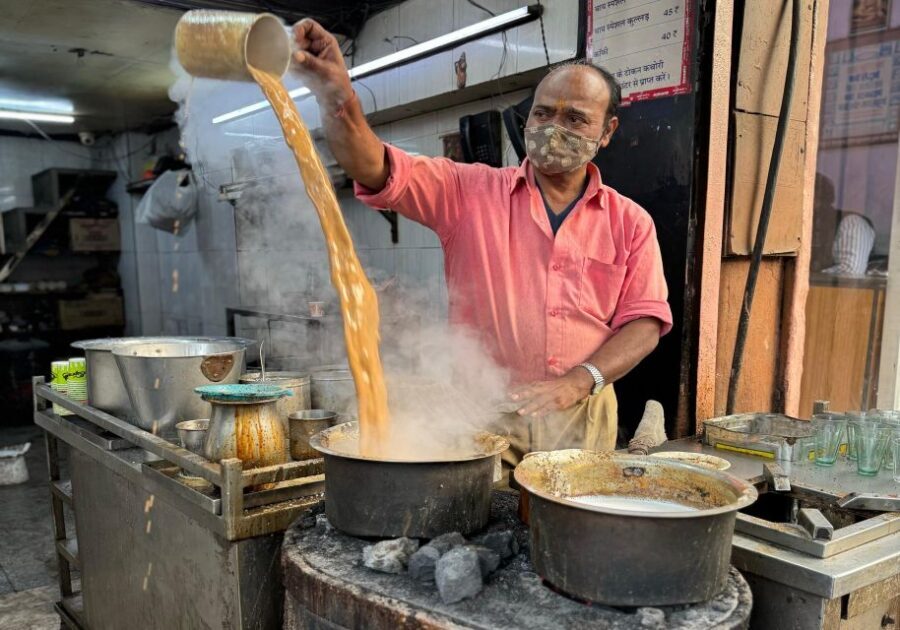
Chaura Rasta is where the tour grabs you by the senses. You spend about 45 minutes here, with time for tea and early street-food tastings while your guide sets the tone for what to look for in the market.
This stop is practical. You’re learning how to order and what to choose, before the route gets more alley-like. If you’re nervous about trying Indian street food, this is the part where things feel easiest, because the guide is right there guiding your choices.
You’ll also pick up quick context about the area’s role in everyday commerce. That matters later, when you’re walking past craft and community spaces and realizing these aren’t random side streets. They’re connected to how the city works.
Badi Chaupar: Where the Walk Turns From Food to Meaning
Next you move toward Badi Chaupar, another 45-minute stretch that adds a history-and-architecture layer to the eating.
This is where the tour starts feeling like more than snacks. You get explanations tied to Jaipur’s built form, including the significance of entry gates and the city’s geometrically precise approach to design. It’s the kind of information that makes you look up instead of only down at where the food is.
You’ll also have scenic views on the way. That’s not just a nice break. It helps you reset your pace and see how these squares and lanes fit into the wider old-city plan.
Tripolia Bazar: Frescoes, Market Life, and Local Craft Surroundings
At Tripolia Bazar, the guide focuses on what you’re actually passing: market life and the artistic details that often sit above street-level.
You’ll walk through an area known for decorative houses and architectural character. You might notice fresco-painted façades and the way houses face onto lanes and squares. The guide’s job is to connect these visuals to the reason Jaipur developed this look in the first place.
This is a good stop for photos too, as long as you follow the general rules: photography is allowed, and you should avoid flash inside temples. (Yes, this matters. Your phone camera flash is bright enough to annoy almost anyone.)
You can also read our reviews of more food & drink experiences in Jaipur






Choti Chaupar and Chhoti Chopad: Temple, Thatheras, and Sealing-Wax Bangles
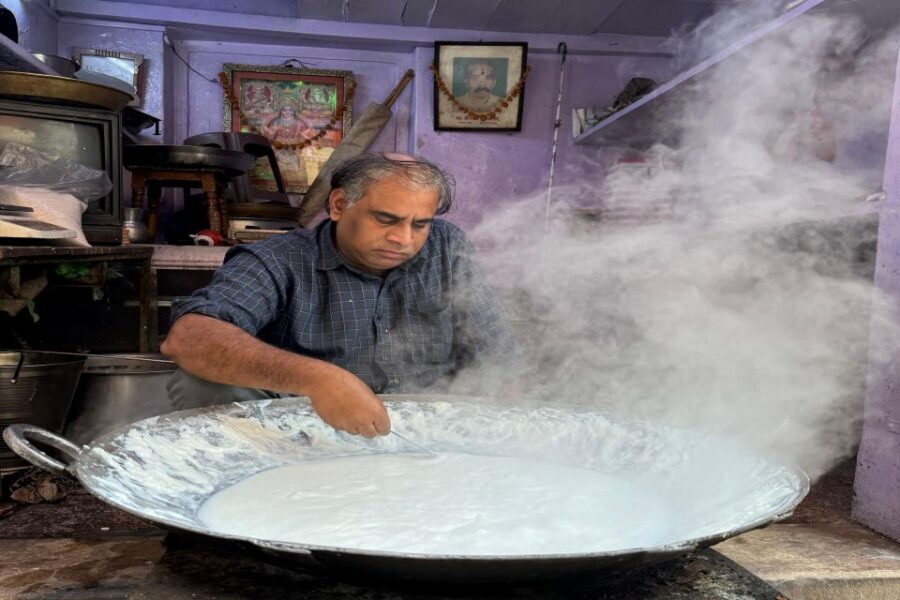
This part of the walk is where you feel you’re really inside Jaipur’s old-world routines.
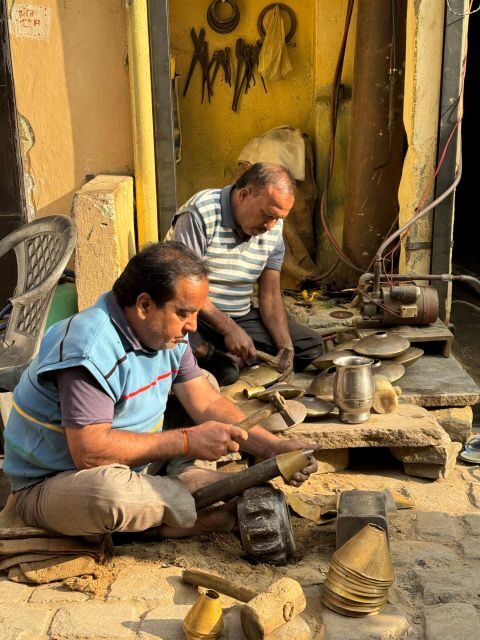
You spend time around Choti Chaupar, with street-food tastings and local snack stops that keep the energy up. Then the route pushes into more specific cultural spaces, including a community street inhabited by metal beaters called Thatheras.
Watching Thatheras work is a standout for many people because you see craft as a daily job, not a museum display. The tour also includes:
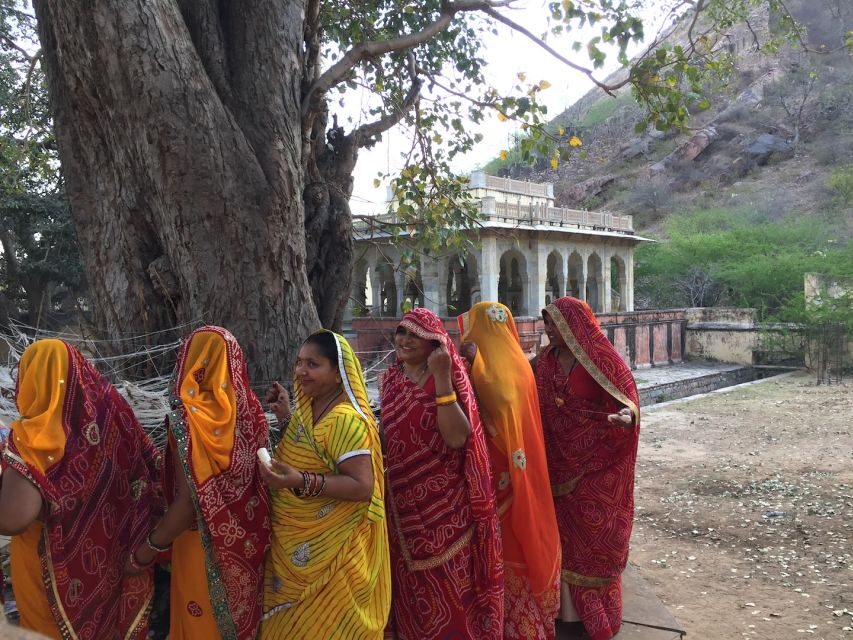
- a Hindu temple visit (with modest dress and no flash inside)
- a community well stop, which adds everyday context beyond the market
- a view of bangle making through sealing wax, where you can observe the craft process in real time
You end at Chhoti Chopad. By the finish, the tour has given you a full arc: start with orientation and tea, add architecture, then land on living craft and community spaces.
What You’ll Taste: Samosa, Kachori, Sweets, and Masala Chai
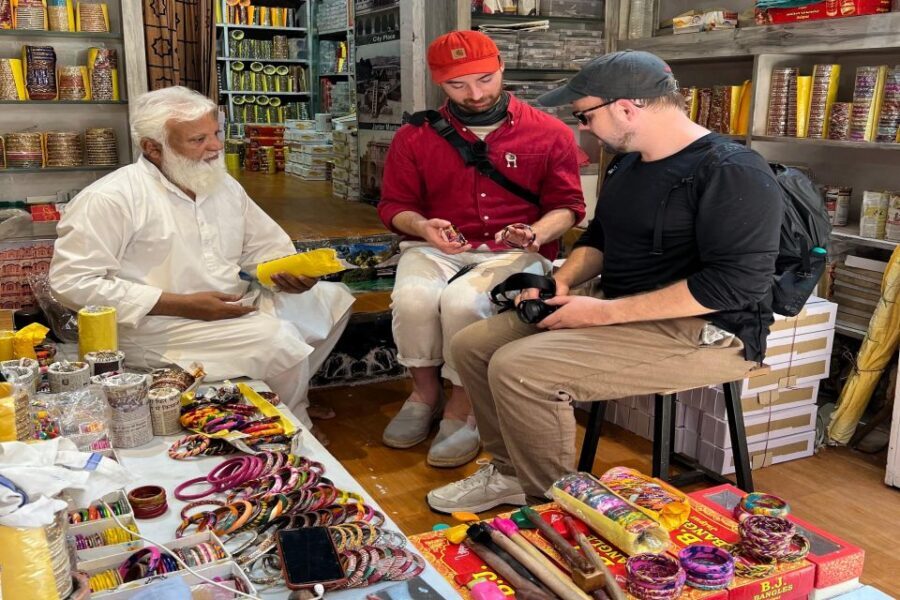
The food list is clear and classic: samosa, kachori, famous sweets, and masala chai. You’ll also try additional regional snacks during the route, not just one or two items.
In practice, the tour aims for variety rather than one giant serving. Several guests have reported tasting around a dozen-plus items across multiple stops, which makes sense for a 3-hour walk where you want to keep moving without getting uncomfortably full too early.
If you’re picky, you’ll still have options. Guides tend to help you choose what fits your tastes, and that makes a big difference. One guest even mentioned success despite spice sensitivity and stomach concerns, which suggests the guide is paying attention to what you order and when.
A simple strategy if you’re careful with sugar: don’t assume all sweets come last. The tour includes both savoury bites and sweets, and you may feel the sugar load late in the route. You can ask the guide to pace the sweeter stops so you don’t hit a wall of sweetness.
Guides Matter: Vivek, Raj, Kumar, and Others
The biggest reason this tour keeps earning top marks is the human side of it. Guides such as Vivek are repeatedly described as friendly, patient, and genuinely invested in Jaipur’s art and culinary culture.
Here’s what that looks like on the ground:
- You feel safe walking through tight lanes, not just watched over.
- You can ask questions and get straight answers, not rehearsed lines.
- You’ll get “why this place, why this food” context alongside the practical how-to of ordering.
Small-group size (up to 10) also helps. It’s easier to keep track of pace, food preferences, and comfort level when the group isn’t too large. Solo travelers often like this format because you’re not stuck with a big crowd at every stall.
Price and Value: Why $21 Can Actually Make Sense
At $21 per person for 3 hours, this is priced as an experience, not just a meal. You’re paying for:
- a live English guide
- a guided heritage walking tour
- multiple street-food tastings (savoury, sweets, and chai)
- a bottle of water
If you’ve spent time buying individual snacks in markets, you already know how fast costs add up. And if you’ve ever tried to guess which stall is best on your own, you know food hunting can turn into trial and error. Here, the guide helps you make better choices faster.
Is it the cheapest thing you could do in Jaipur? Sure. But it’s often a smart value if your goal is both flavor and context in a short time window.
Alcohol isn’t included. If you want beer or spirits, you’ll need to budget separately. The focus is food and culture, which keeps the vibe simple.
Practical Tips for a 3-Hour Walk in Jaipur
Plan for the basics and your tour will feel easy.
Wear comfortable shoes. The route includes lots of walking, including narrow lanes and temple-adjacent areas. If you normally tolerate sightseeing steps, you’ll be fine. If you don’t, bring footwear you can walk in for hours.
Dress modestly for temple stops. You’ll be visiting a Hindu temple, and the expectation is to cover appropriately. You don’t need to pack fancy clothes. Just avoid shorts and very revealing outfits.
Bring what you’re told to bring: passport or an ID card, comfortable clothes, and any personal medication. Also pack for weather. Jaipur can swing fast, so bring sunscreen and a hat.
Photography is allowed, but skip flash in temples. It’s a small rule with big respect behind it.
One more small tip: you might want your own water bottle too. The tour includes water, but carrying extra is still smart in warm conditions and for longer days.
Who Should Book This Tour
This is a strong fit if you’re:
- a foodie who wants to try more than one snack without wasting time guessing
- interested in Jaipur beyond the big monuments, especially old neighborhoods and crafts
- traveling solo or with a partner and want a guided sense of safety through the city
- okay with eating street food and walking through markets and lanes for about 3 hours
It’s not suitable for wheelchair users, based on the walking-heavy route.
If you dislike trying new foods at all, you may still manage by pacing and choosing milder options, but this tour is built around sampling.
Should You Book This Jaipur Street-Food Walk?
If you want Jaipur to feel like real city life, I think you should book this. The food + craft + heritage combination is efficient, and the guides (Vivek, Raj, Kumar, and others) tend to make the walk feel personal rather than like a lecture with snacks.
Skip it only if you cannot handle walking or you’d rather spend your time inside museums and palaces with zero street-food focus. Otherwise, this is one of the easiest ways to get orientation fast, eat well, and learn why the Pink City looks and smells the way it does.
FAQ
How long is the Heritage Walk & Street Food Tasting in Jaipur?
The tour lasts 3 hours.
Where is the meeting point?
You meet at the entry gate of Golcha Cinema.
What street food is included?
You’ll try street food such as samosa, kachori, famous sweets, masala chai, and additional local snacks at nearby shops.
Is alcohol included?
No. Alcoholic drinks are not included.
Is the tour suitable for wheelchair users?
No, it is not suitable for wheelchair users.
What should I bring or wear?
Wear comfortable walking shoes and comfortable clothes. Bring your passport or ID card and any personal medication. It also helps to carry sunscreen and a hat for changing weather conditions.