Jaipur is a lot better at street level. This walk-and-ride route strings together some of the city’s best-known sights with real local stops, then adds an e-rickshaw ride through the old markets so you don’t spend the whole day weaving through traffic. I like the way the tour can run in the morning or evening, letting you match your mood to either the flower market or the sunset light on the Pink City.
Two things I especially like: the street food tastings (tea/coffee, sweet lassi, and snacks) and the fact that the route is guided with enough context to make the buildings make sense. One thing to consider: the itinerary moves on a set schedule, and there’s a climb involved at the Isarlat (tower) stop, so plan for stairs and a bit of exertion.
In This Review
- Key highlights you will care about
- Old Jaipur on Foot and by E-rickshaw: how the timing changes the feel
- Where you start, how the tour runs, and what that means for your day
- The first stops: flower market and Hawa Mahal’s window story
- Flower market stop (about 30 minutes)
- Hawa Mahal, Palace of Breeze (about 30 minutes)
- Isarlat (Tower): a shorter climb that pays off in perspective
- Tripolia Gate and Jalebi Chowk: royal entrances and street-shape clues
- Tripolia Gate (about 15 minutes)
- Jalebi Chowk (about 15 minutes)
- Govind Devji Temple plus chai Q&A: where the tour turns personal
- Pink City streets by e-rickshaw: the practical way to see markets
- Albert Hall Museum at the end: good for photos, not a full museum day
- Food tastings: tea/coffee, sweet lassi, and snacks
- Guide quality: when the guide’s focus makes the city click
- Price and value: what $11.18 actually buys you
- Who should book this Jaipur Heritage Walk with rickshaw ride
- Should you book it: my practical call
- FAQ
- How long is the Jaipur Heritage Walk with rickshaw ride?
- Is hotel pickup and drop-off included?
- Is this tour offered in the morning or evening?
- What food is included during the tour?
- What major stops does the tour include?
- Is the e-rickshaw ride included?
- Are tickets or admissions included for the stops?
- Can I cancel for a full refund?
- Is this tour private for my group?
Key highlights you will care about
- Morning flower market or evening sunset vibe, so you can choose the light and crowd level
- English-speaking guide who keeps the pace friendly and explains what you’re seeing
- Hawa Mahal’s 900+ windows and the details that make it more than just a photo stop
- Isarlat Tower climb with a strong payoff for views and architecture
- Govind Devji Temple plus a chai Q&A, which turns the walk into conversation
- E-rickshaw through the Pink City streets, making the markets practical instead of exhausting
Old Jaipur on Foot and by E-rickshaw: how the timing changes the feel
This is the kind of Jaipur outing that works because it’s built around movement. You start with a guided walk through classic Old Jaipur landmarks, then the e-rickshaw ride takes you through the Pink City streets where you’d otherwise lose time to navigation and slower traffic.
Pick the morning option if you want colors and smells from the flower market—fresh blooms, lots of vendor action, and a great warm-up for the day. Pick the evening option if you want Jaipur to look more cinematic, with sunset casting golden light on the landmarks while the streets cool off a bit.
Either way, you’re not just touring one building. You’re connecting the dots between royal architecture, temple life, and the everyday city scenes that give the area its rhythm.
You can also read our reviews of more walking tours in Jaipur


Where you start, how the tour runs, and what that means for your day
The tour lists a start point at Hawa Mahal Rd, Badi Choupad, J.D.A. Market, Kanwar Nagar, Jaipur. Hotel pickup and drop-off are included, so if you’re trying to avoid early-morning decision fatigue, this is a relief. It also runs about 3 to 4 hours, which is long enough to feel like you did something real but short enough to keep the rest of your Jaipur day flexible.
This is also set up as a private experience for your group. That matters more than it sounds. In a private group, you can ask more questions, and the guide can adjust pacing a bit when the crowd or traffic situation changes.
One more practical note: this tour has a mobile ticket, and it’s typically booked roughly 13 days in advance. That’s a decent clue to plan ahead if your dates are tight or you’re traveling during a busy festival stretch.
The first stops: flower market and Hawa Mahal’s window story
Flower market stop (about 30 minutes)
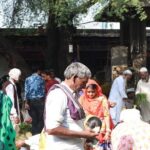
The tour kicks off at the flower market. In practical terms, this is a smart start because it gets you into the local lane immediately. You’re watching vendors arrange blooms for ceremonies and daily use, which makes the rest of the walk feel less like a checklist and more like a cultural route.
If you enjoy street photography, this is one of your best windows of the day. Colors show up fast, and you don’t need special angles—just watch how people work and what they’re preparing.
Hawa Mahal, Palace of Breeze (about 30 minutes)
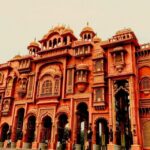
Next comes Hawa Mahal, the Palace of Breeze. You’ll be staring at that iconic pink façade and latticework, but the tour spotlights what makes it more than just a pretty front: the 900+ small windows that historically allowed royal women to observe life outside while staying sheltered.
Here’s how to enjoy it during the stop:
- Look at the repeating window pattern, then notice how the façade is designed to create ventilation.
- Don’t rush the lower details. That part is where a lot of the craft is visible.
You may find that most of your time here is about exterior viewing and learning the why behind the design. That’s still worth it, especially if you like architecture with a purpose.
You can also read our reviews of more historical tours in Jaipur




Isarlat (Tower): a shorter climb that pays off in perspective
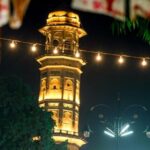
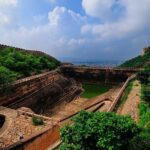
The Isarlat Tower stop is where the tour gets more hands-on. You’re looking at an 18th-century monument, and the plan includes a climb to the top (about 30 minutes here).
The payoff is perspective. Even if you’re not trying to break a sweat for sightseeing, the tower helps you understand how Jaipur’s streets and landmarks relate to each other. From up there, you also get a better sense of why certain structures were built where they are.
The only caution: because you climb to reach the top, this stop asks a bit of effort. If you’re traveling with mobility limits or you prefer minimal stairs, you’ll want to treat this as the “only physical part” of the route and plan accordingly.
Tripolia Gate and Jalebi Chowk: royal entrances and street-shape clues
Tripolia Gate (about 15 minutes)
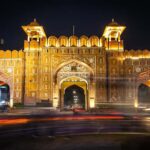
Tripolia Gate is described as a grand entrance that historically served the royal family. The tour also notes an unusual historical moment: it was opened to the public only once when a former king of Jaipur ran for election. That kind of detail matters because it turns a gate into a story with stakes, not just a doorway.
During the stop, slow down just enough to notice the painted character of the gate. Gates in this part of Jaipur aren’t plain—they’re meant to signal status, ceremony, and power.
Jalebi Chowk (about 15 minutes)
Then you reach Jalebi Chowk, a square in the backyard area of the City Palace. The naming comes from a serpentine road that connects to the main thoroughfare east to west, like a jalebi shape.
Why this stop is useful: it teaches you how local names often encode the city’s layout. When you learn why a street turns, you start spotting the logic of Jaipur’s old neighborhoods everywhere else.
Govind Devji Temple plus chai Q&A: where the tour turns personal
The route includes Govind Devji Temple (about 30 minutes). This is one of the most recognized Krishna temples in Jaipur, and the tour treats it respectfully as a living place, not just an object to photograph.
After the temple stop, the group heads to a nearby chai shop for a Q&A session. That’s a small thing with a big effect. You get to ask questions while you’re sitting down, with the day’s sights still fresh in your mind—stories about architecture, neighborhood life, and how Jaipur’s royal-era planning connects to what you see now.
This is also where the included drink routine and snack break makes sense. You’re not waiting around later for “food time.” You’re using it as a reset during the tour.
Pink City streets by e-rickshaw: the practical way to see markets
The longest part after the heritage cluster is the Pink City segment, where you’ll spend about 1 hour on an e-rickshaw ride through the old streets. This is the part that makes the itinerary feel like a win.
On foot, these market lanes are crowded and stop-and-start. In a rickshaw, you can keep moving at a human pace, while still getting street views and photo opportunities. You’ll also pass colorful bazaars and shops, and you get the sense of everyday Jaipur without needing to fight for route-finding.
If you’re the type who likes to browse (instead of just “view”), this e-rickshaw section is a smart compromise: you see a lot without tiring out too early.
Tip: bring a little patience for traffic flow. The joy here is the ride, not speed.
Albert Hall Museum at the end: good for photos, not a full museum day
The tour finishes with Albert Hall Museum. The plan is to admire the architecture from the outside (about 30 minutes), with an Indo-Saracenic look that makes a great backdrop for photos.
This isn’t a full museum visit in the itinerary. That’s not a flaw—it’s a deliberate pacing choice. If you love museums, you can always return on your own later. Here, it’s best treated as a visual punctuation mark for the day.
Food tastings: tea/coffee, sweet lassi, and snacks
Food is included, but it’s not a long restaurant stop. You get tea/coffee, sweet lassi, and snacks as part of the experience, which pairs nicely with the walking tempo.
What I like about this setup is the rhythm. You’re not stuck waiting for a meal at the wrong moment. Instead, you get taste breaks tied to key points in the route—especially around the chai shop conversation.
If you’re picky about dairy, start with the lassi carefully and use your taste test as a gauge. The tour provides sweet lassi, so if you like it less sweet, expect to adjust your expectations.
Guide quality: when the guide’s focus makes the city click
The tour includes an experienced English-speaking guide, and the write-ups you provided show a consistent pattern: guides who can explain what you’re seeing and keep things friendly.
Names that have come up in guide-led experiences include Sayyed, Ali, and Nameera. One highlight from this information is how guides sometimes add flexibility when it fits: a group with guide Sayyed was offered an additional visit to Amber Fort, which they were glad they added.
That’s the value of a good guide here. Jaipur’s landmarks can feel separate on a map. A guide connects them by showing how the royal design language, street layout, and temple presence all point to the same big story.
Price and value: what $11.18 actually buys you
At about $11.18 per person, this tour lands in the “serious value” zone—mostly because it bundles the things that usually cost extra when you book them separately:
- a guided heritage walk (English-speaking guide),
- hotel pickup and drop-off,
- an e-rickshaw ride,
- and street food tastings (tea/coffee, sweet lassi, snacks).
Even if you don’t care about everything equally, the total package helps. You’re paying for organization and local context, not just movement between sights. Also, the itinerary lists admission tickets as free for each listed stop, so you’re not walking into a surprise ticket bill at most points.
You should still bring money for personal extras. The tour data clearly says personal expenses aren’t included.
Who should book this Jaipur Heritage Walk with rickshaw ride
This works well if you want:
- a focused Old Jaipur plan without spending hours researching route logic,
- a guide who explains the why behind landmarks,
- and an easier way to experience market streets via the e-rickshaw.
It’s also a solid choice if you’re trying to see Jaipur without building a full day of logistics. With pickup/drop-off and a set 3 to 4 hour schedule, you can pair it with other plans—like a Fort visit later—without everything turning into one long scramble.
On the other hand, if you hate stairs or you dislike time-boxed stops, treat the Isarlat climb as the main consideration and choose your comfort level accordingly.
Should you book it: my practical call
Book this tour if you want a high-value route that covers the headline sights and still gives you local texture. The best reason to go is the combo: heritage walk + e-rickshaw + tastings. You get “look at the landmark” and “experience the neighborhood” in the same window.
Skip it only if you’re the type who wants a slow, deep museum day or you don’t want any climbing at all. The itinerary is built around movement and momentum, so it’s more “efficient and guided” than “hours of lingering.”
If you can handle a moderate stop-and-walk pace, this is one of the more practical ways to get oriented in Jaipur fast—then go explore the rest on your own with better confidence.
FAQ
How long is the Jaipur Heritage Walk with rickshaw ride?
It runs about 3 to 4 hours.
Is hotel pickup and drop-off included?
Yes. Hotel pickup and drop-off are included.
Is this tour offered in the morning or evening?
Yes. You can choose either a morning or an evening tour.
What food is included during the tour?
Street food tastings are included: tea/coffee, sweet lassi, and snacks.
What major stops does the tour include?
The route includes the flower market, Hawa Mahal, Isarlat (Tower), Tripolia Gate, Jalebi Chowk, Govind Devji Temple, a Pink City e-rickshaw ride, and Albert Hall Museum (outside viewing).
Is the e-rickshaw ride included?
Yes. An e-rickshaw ride is included as part of the experience, including travel through the heritage city and the Pink City streets.
Are tickets or admissions included for the stops?
The itinerary lists admissions as free for the listed stops.
Can I cancel for a full refund?
Yes. You can cancel up to 24 hours in advance for a full refund.
Is this tour private for my group?
Yes. Only your group will participate.