REVIEW · PUSHKAR
Evening Walking tour with Fire Ceremony – The Pushkar Route
Book on Viator →Operated by THE PUSHKAR ROUTE · Bookable on Viator
Evenings in Pushkar feel like a different country. I love that this tour is a shopping-free way to see the town’s temples and streets, and I really like the chance to witness the Maha Aarti fire ceremony right by Pushkar Lake. You get a slower, calmer side of Pushkar than what most people see during the day.
You’ll cover several key stops on foot, including the most important ghat areas and notable temples tied to Vishnu, Brahma, and local traditions. The group stays small (up to 6 travelers), and guides such as Manish and Kapil are specifically praised for being friendly and for answering questions beyond the basic route.
One thing to consider: you’re out walking for about 3 hours starting at 5:00 pm, so comfortable shoes matter, and the lake-side areas can feel crowded at ceremony time. If you prefer quiet sightseeing over spiritual routines, this may be more intense than a casual walk.
In This Review
- Key things I’d plan around
- Pushkar at 5:00 pm: why the evening changes everything
- The route that stays shopping-free (and why it matters)
- Stop-by-stop: Brahma Ghat and the setup for Maha Arti
- Brahma Temple: what to look for when the guide explains it
- Returning for the main ritual: another Brahma Ghat moment
- Varaha Temple: an ancient Vishnu connection
- Gurudwara Sahib: Pushkar’s religious mix in a quieter corner
- Pushkar Lake walk: 52 ghats, photos, and the long view
- Old Rangji Temple: a shorter stop with a strong identity
- What the guide adds: more than directions
- Price and value: is $8 realistic for what you get?
- Practical tips so your evening stays comfortable
- Who should book this tour
- Should you book the Pushkar Route evening walking tour?
- FAQ
- What time does the evening walking tour start?
- How long is the tour?
- Is pickup included?
- Is there a group size limit?
- Are admission tickets included?
- How do I get the ticket?
- What is the cancellation policy?
Key things I’d plan around
- Maha Aarti timing by the lake: You build toward the fire ceremony with the right ghat locations.
- Small group (max 6): Easier pace, more chance to ask questions, less waiting around.
- Shopping-free route: You stay focused on temples, customs, and streets at night.
- Temples with included entry: Admission tickets are included for each stop listed on the route.
- A mix of Hindu and Sikh stops: You’ll see how religious life overlaps around Pushkar.
- A walk around the 52 ghats: Great for photos, plus more context than self-guided wandering.
Pushkar at 5:00 pm: why the evening changes everything
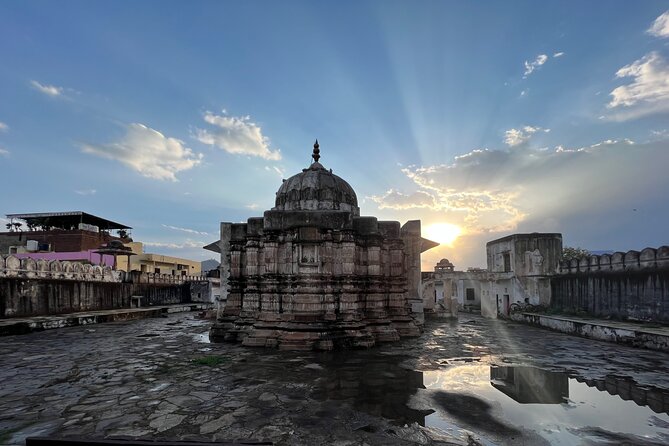
Pushkar is pretty in daylight. At night, it gets quieter, softer, and more dramatic, especially around the lake. Starting at 5:00 pm is a smart choice because you’re there as the day cools down and the ceremony energy builds.
This tour is built for that moment. You’re not just “passing by temples”; you’re walking through the places where evening rituals happen, and you’re given context so the sights make more sense. It feels less like sightseeing and more like understanding how people actually experience the town after sunset.
I also like the practical way the route is designed: most stops are short enough to keep your feet comfortable, but long enough for you to actually notice details. The pace makes it easier to follow along even if your travel day has been busy.
You can also read our reviews of more tours and experiences in Pushkar.



The route that stays shopping-free (and why it matters)
One of the best surprises is that this is a shopping-free tour. That doesn’t mean you’ll miss culture; it means you won’t get pulled into shops as a “default” stop.
In places like Pushkar, shopping happens everywhere. When a tour keeps its focus on temples, ghats, and customs, you save time and you avoid the stress of negotiating or searching for the right moment to leave a stall. You also get more evening daylight-to-dark transition for photos and atmosphere.
Group size matters too. With a maximum of 6 travelers, you’re less likely to feel like you’re being dragged along. Instead, you can hear explanations, ask questions, and take a breath when the crowd density changes near the lake.
Stop-by-stop: Brahma Ghat and the setup for Maha Arti
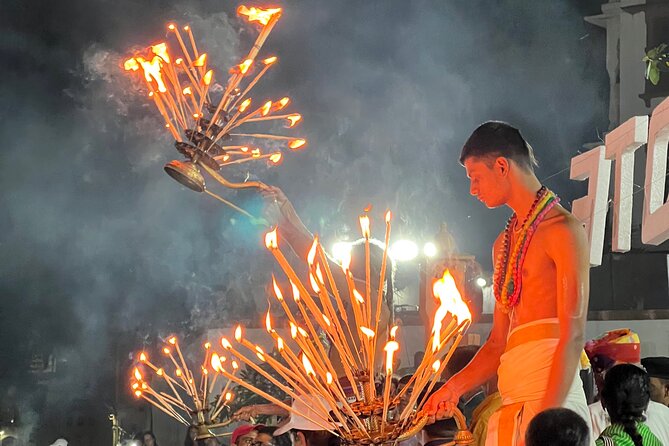
The tour’s first big anchor is Brahma Ghat, one of the important ghats on Pushkar Lake. This is a place tied closely to the evening rituals, and it’s the kind of spot where you start noticing how many temples and paths funnel toward the water at night.
You’ll spend about 30 minutes here, and the entrance includes an admission ticket. The ghat area is also linked with a temple connected to Shankaracharya’s tradition, positioned around the entrance zone of the ghat. That gives you an early sense that the lake isn’t just a backdrop—it’s part of the religious geography of the town.
A practical consideration: ghat spaces can get busy during ritual time. If you’re the type who needs wide-open space to enjoy a view, plan to be flexible with your exact viewing spot. The upside is that you’re watching from a place designed for ceremonies, not from random streets.
Brahma Temple: what to look for when the guide explains it
Next you visit the Brahma Temple, one of the few temples in India dedicated to Brahma, the Hindu creator-god. The structure is dated to the 14th century, which is a detail worth keeping in mind as you look around, because age adds weight to the experience.
This stop also lasts around 30 minutes, with admission included. The temple is a prominent reference point in Pushkar’s religious identity, so it’s not just a quick photo stop. You’ll get time to understand why Brahma is so central here, and how the temple connects to the wider lake ritual culture.
If you’re the kind of traveler who likes “why this place exists,” this is where you’ll benefit most. Religious architecture can look similar from the outside until someone gives you the right framework. A good guide turns the visit from scenery into meaning.
Returning for the main ritual: another Brahma Ghat moment
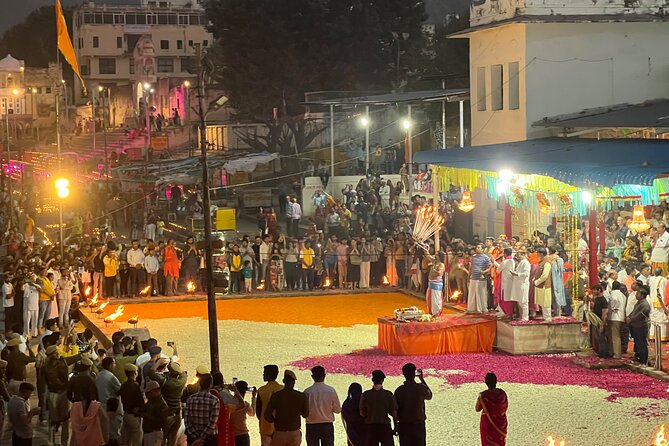
Then you return to Brahma Ghat again for another 25 minutes, focused on the evening Aarti experience. This is the heart of what most people came for: the fire ceremony on the banks of Pushkar Lake.
This second stop matters because it lets you experience the ceremony at the correct intensity and timing. You’re not just arriving at random—your earlier stops help you understand what you’re seeing when the flames and chanting take over the scene.
A useful way to think about it: the first ghat stop gives you context, and the second one gives you the full sensory payoff. If you want calmness and a sense of quiet devotion rather than rushing, the rhythm of this return loop works well.




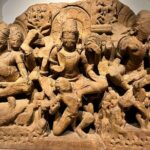
Varaha Temple: an ancient Vishnu connection
From Brahma-focused spaces, you shift into Vishnu territory with Varaha Temple. Varaha is an ancient dedication to Lord Vishnu, and the temple is considered one of the eight Swayambhu Kshetra of Vishnu.
You’ll have about 25 minutes here, with an admission ticket included. The route description also notes that the temple was built in the 12th century by King Anaji Chouha. That kind of time depth changes how you look at details—older shrines tend to feel more rooted, less temporary.
This is a stop that can be genuinely satisfying if you like learning symbols and temple purpose. Even if you don’t read every inscription, you can still enjoy the shift in theme and the way the town’s religious map connects lake areas to temples spread through the town.
Gurudwara Sahib: Pushkar’s religious mix in a quieter corner
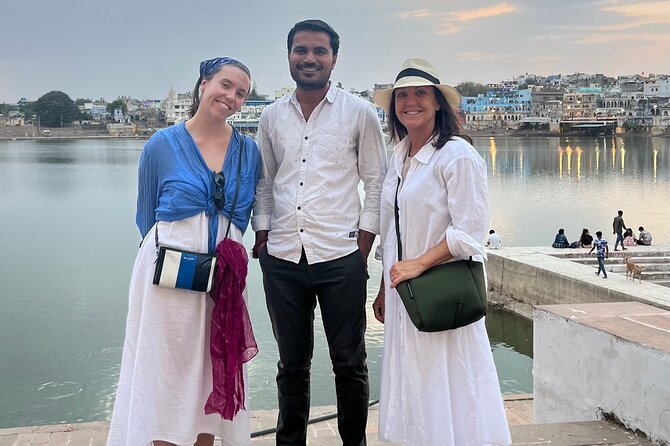
Next is Gurudwara Sahib, also known as a Sikh temple. Pushkar is often described as a place where religions coexist, and this stop is included for that reason.
You’ll spend about 30 minutes here, again with admission included. The tour route highlights that you’ll experience the calm and beauty of the space, with the added note that you can smell a mix of religious scents drifting through the area. Even if you’re not specifically there for Sikh worship, it broadens the picture of Pushkar beyond a single tradition.
This stop is also a nice pacing break. After the intensity of temples tied closely to the lake ritual energy, a different religious setting helps you reset mentally before returning to the lake walk.
Pushkar Lake walk: 52 ghats, photos, and the long view
The centerpiece walking segment brings you around Pushkar Lake, describing a walk across the 52 ghats plus visits to smaller and older temples along the water’s edge. You’ll have about 25 minutes for this portion, with admission included.
Why this section is valuable: it forces you to experience the layout of Pushkar by foot. Many visitors see the lake from one angle and call it a day. A guided walk helps you notice how the town’s religious sites cluster around the waterline and how the evening changes the look of each ghat.
Photography tends to be best here. The tour specifically mentions photography spots, and honestly, the light around the lake after 5:00 pm makes even simple scenes look cinematic. Keep in mind that you’re moving through active areas, so you’ll sometimes have to wait for foot traffic or ceremony activity.
Old Rangji Temple: a shorter stop with a strong identity
Before the tour ends, you visit Old Rangji Temple, near Varaha Ghat in the middle of town. This temple is described as about 200 years old and dedicated to Lord Vishnu, which makes it another strong Vishnu anchor after Varaha.
This stop lasts around 15 minutes, so it’s not a long linger. But it’s enough time to recognize it as more than a random name on a route list. The proximity to Varaha Ghat also helps connect the route’s theme—Vishnu worship shows up repeatedly around Pushkar’s core.
If you tend to rush through temples, this shorter timing can actually be a plus. You get the identity of the place without losing the flow of the evening.
What the guide adds: more than directions
The best praise for this tour centers on the guide’s personality and how much they explain. Manish is described as very friendly and very informative, with a style that answers questions without making you feel rushed. Kapil is also highlighted for being friendly and for teaching about Hinduism in a way that helps you connect the dots.
That matters because the ceremony and the temple architecture can feel confusing if you only see the visuals. With a good guide, you learn what to watch for—how rituals work, why places like Brahma Ghat matter, and what the different deities’ presence means in Pushkar.
Also, the tour promises local guidance for less-visited temples and sites. That’s often where the “I could never find this alone” feeling comes from, and it’s exactly the kind of value you’re paying for when a tour costs far less than a full-day private guide.
Price and value: is $8 realistic for what you get?
At $8 per person, this is priced like a budget-friendly group experience, not like a premium cultural tour. The value comes from a few concrete features working together.
First, it includes admission tickets for each stop listed in the route. Second, the tour covers multiple major religious locations plus time around the lake. Third, you get a small group up to 6 travelers, which usually costs more in other destinations.
Pickup is also offered, and you’ll receive a mobile ticket. That makes planning easier if you want to avoid extra coordination at the start of the day.
Could it be “too cheap to be great”? In this case, the high overall rating and the specific praise for guide quality suggest the low price isn’t a tradeoff. The route seems carefully structured so you spend your time in the places that actually deliver.
Practical tips so your evening stays comfortable
You’re going to walk and you’re going to be out during a period when people gather. A few practical choices will make your experience smoother.
- Wear comfortable shoes. You’re visiting ghats and temples around the lake, and the tour is around 3 hours total.
- Bring a light layer. Evenings can feel cooler once the sun drops, and you’ll be outside for the ceremony portion.
- Keep your camera ready, but be ready to pause. The fire ceremony and crowded ghat zones mean quick photos aren’t always possible.
If you’re sensitive to crowded areas, go into this tour with flexible expectations. The experience is designed around the ceremony and lake atmosphere, so you shouldn’t expect empty space at the key viewing moments.
Also, expect a spiritual focus. The tour includes customs and the Maha Aarti fire ceremony, so it’s best for travelers who enjoy cultural rituals, not just architecture.
Who should book this tour
I think this tour is a strong fit if you want:
- A guided evening in Pushkar that makes sense of the religion and temple layout
- A calm, more thoughtful alternative to a daytime checklist
- Access to multiple temples and ghats in a short window
- A small group experience where you can ask questions
It’s less ideal if you:
- Dislike attending or observing religious rituals
- Want a purely sightseeing approach with no ceremony center
- Struggle with evening walking for about 3 hours
Should you book the Pushkar Route evening walking tour?
If your goal is to see Pushkar at night the way locals experience it—through ghats, temples, and the Maha Aarti—this is an easy yes. The route is focused, the group stays small, and the guide component is the standout. Guides like Manish and Kapil are repeatedly praised for friendliness and for giving explanations that make the places click.
I’d book it if you care about meaning, not just photos. I’d skip it only if ceremonies aren’t your thing or if you want minimal walking. For the price, you’re getting admission included, a guided lake walk, and the main fire-ceremony moment in the same evening. That’s solid value in a town where timing and location really matter.
FAQ
What time does the evening walking tour start?
The tour start time is 5:00 pm.
How long is the tour?
The tour runs for about 3 hours (approx.).
Is pickup included?
Pickup is offered.
Is there a group size limit?
Yes. The tour has a maximum of 6 travelers.
Are admission tickets included?
Admission tickets are included for the listed stops on the route.
How do I get the ticket?
You receive a mobile ticket.
What is the cancellation policy?
Free cancellation is available. You can cancel up to 24 hours in advance for a full refund, but cancellations within 24 hours of the start time are not refunded.